Have you ever felt that one slow, deep breath lift your mood? Breath meditation is all about pausing and taking gentle, mindful breaths while you let a sense of calm grow inside you.
Imagine cool air waking up your senses as warm air takes your stress away. This simple practice can lighten your feelings, ease tension, and fill your heart with a soft joy. It’s an easy way to clear your mind and invite balance into every moment of your day.
Understanding Breath Meditation
Breath meditation is about combining simple breathing exercises with a careful watch on how your body feels. You change your breathing on purpose and pay close attention to every breath coming in and going out. Unlike regular meditation, where you just notice your breath, this practice has you actively guiding it. For example, try thinking, "As you breathe, feel the cool air tickle your nose and the warm air leaving with a soft sigh, much like the ocean's gentle rhythm." This way of breathing welcomes anyone wanting to boost their well-being.
This calming method supports your mind, heart, and body by easing tension, lifting your mood, and lessening physical discomfort. It’s safe, simple, and can be done anywhere, be it at home or even in a park. Imagine taking a break from a busy day to simply focus on your breathing, letting the stress fade away. By switching from quick, shallow breaths to deep, slow ones, you give your mind a chance to settle and your emotions a way to balance. It’s like giving yourself a little gift of calm that helps clear your thoughts and brighten your day.
Breath Meditation Benefits
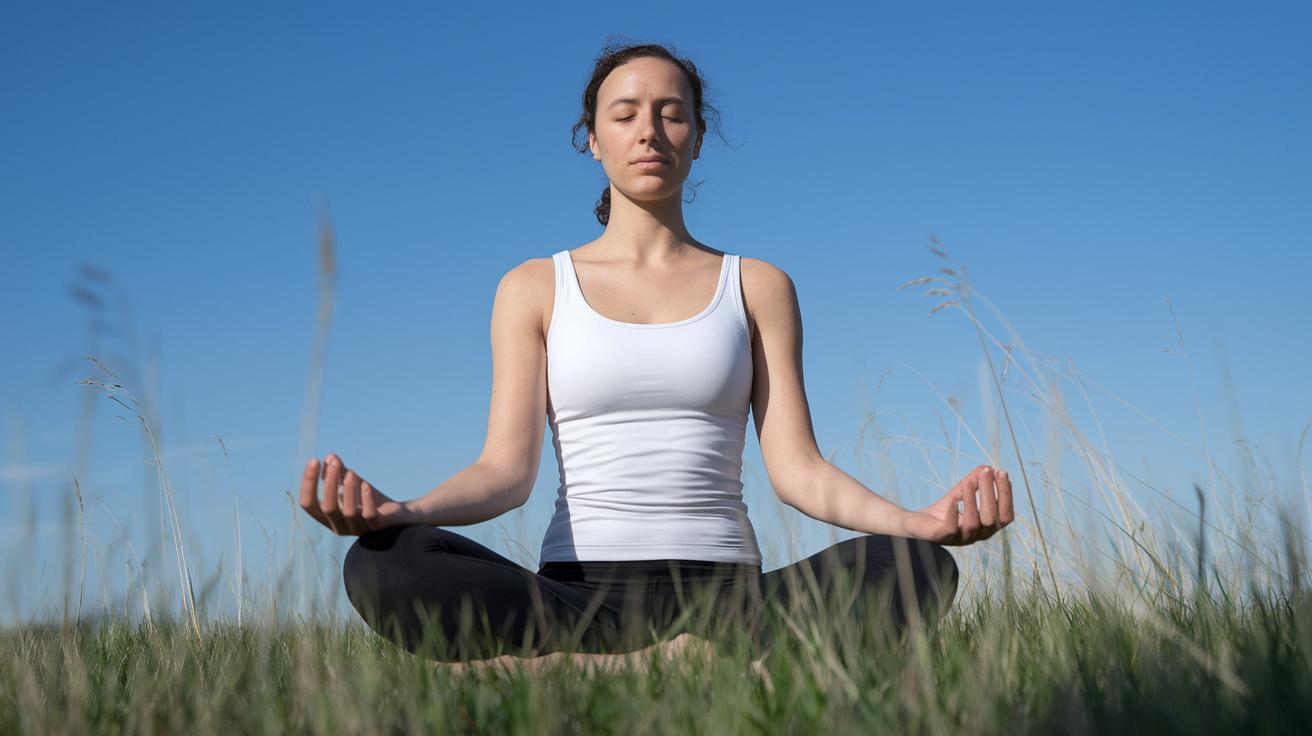
Breath meditation clears your mind and eases tension. It helps lower stress, lift your mood, and sharpen your focus. Research from UC Berkeley found that just a few minutes of focused breathing can provide quick mental relief. Picture your thoughts becoming lighter with each deliberate, calm breath.
This practice acts like a gentle reset for your emotions. It helps you manage anger and soothe strong feelings, guiding you to pause and regain balance. The steady rhythm of breathing in and out reminds you to take a moment for yourself when emotions feel overwhelming.
Physically, slow, measured breathing can lead to better sleep and a sense of relaxation. By allowing your body to let go of built-up tension, you can enjoy more restful nights and wake up feeling refreshed. Imagine giving your body a quiet break to recharge.
No matter how busy your day is, you can easily work breath meditation into your routine. At work or winding down in the evening, it offers a simple way to reclaim moments of calm and bring peace into your day.
Breath Meditation Techniques You Can Try
4-7-8 Breathing
This simple method asks you to take a deep breath in for 4 seconds, hold it for 7 seconds, then slowly breathe out for 8 seconds. Try doing 4 to 6 rounds. Imagine each round like a gentle wave that washes over you, bringing a sense of calm and ease.
Alternate Nostril Breathing
Often called Anulom Vilom, this easy practice means you close one nostril while you breathe in through the other, then switch sides. Sit comfortably with a straight back. This method can help clear your head and make you feel balanced, like your inner rhythm is resetting smoothly.
Bhramari Pranayama (Bumblebee Breath)
For this technique, take a deep breath and then exhale with a soft, humming sound. Keep your index fingers lightly on your ears to tune into the vibration. That comforting buzz is a bit like the sound of a bumblebee, helping to quiet your thoughts and release tension.
Box Breathing
Box breathing breaks your breath into four equal parts. Breathe in for 4 seconds, hold for 4 seconds, breathe out for 4 seconds, and hold again for 4 seconds. Picture yourself drawing a square with each step. This steady pattern can help clear your mind and bring a sense of focus when things get busy.
Buteyko Breathing Technique
This style of breathing means taking slow, gentle breaths with longer pauses. By softening your breath, you become more aware of your body’s needs and feel a deeper calm. Think of each breath as a soft pulse that helps steady your thoughts.
Diaphragmatic Breathing
Also known as belly breathing, this technique invites you to let your stomach expand as you breathe in deeply. Focus on drawing air into your lower lungs so that your breathing feels richer and fuller. Start with a few minutes and let the natural rise and fall of your belly help you relax.
| Technique | Steps | Duration |
|---|---|---|
| 4-7-8 Breathing | Breathe in for 4 secs, hold for 7 secs, exhale for 8 secs | 4-6 rounds |
| Alternate Nostril Breathing | Alternate closing one nostril at a time | Multiple rounds |
| Bhramari Pranayama | Deep breath; exhale with a soft hum while fingers rest on ears | Multiple rounds |
| Box Breathing | Inhale for 4 secs, hold for 4 secs, exhale for 4 secs, hold for 4 secs | 4-6 rounds |
| Buteyko Breathing | Breathe slowly and gently with longer pauses | Multiple rounds |
| Diaphragmatic Breathing | Focus on your belly rising when you breathe in deeply | 2-5 minutes |
A Step-by-Step Breath Meditation Practice

Step 1: Set Your Space
Find a quiet, safe nook where you can relax. Sit or lie down in a cozy position with your back supported, and let the world fade away for a moment. Close your eyes and allow the sounds around you to soften as you prepare for calm.
Step 2: Notice Natural Breathing
Take a moment to simply notice your breath. Observe how the air flows in and out through your nostrils, without any need to change it. This gentle observation is like the first step to unlocking deeper focus.
Step 3: Initiate Inhale-Exhale Focus
Now, allow your breathing to slow down a bit. Inhale slowly until your lungs feel pleasantly full, then exhale gently, taking your time. Picture each breath as a smooth, steady cycle that builds calm from the inside out.
Step 4: Introduce Breath Holds
If you feel at ease, try a small pause at the end of each inhale or exhale. These brief breaks add a little extra sense of calm, giving your mind a chance to settle further into its natural rhythm. Think of it as a soft pause in a peaceful song.
Step 5: Maintain Awareness
When you notice your thoughts drifting, gently guide your focus back to the feeling of air moving through your nostrils. No need to rush, just let your mind wander back to the present moment at its own pace.
Step 6: Conclude and Reflect
Slowly ease out of your focused breathing, letting your natural rhythm take over again. Take a moment to check in with yourself, maybe you feel a quiet joy or a newfound clarity. Enjoy this peaceful feeling as you bring your meditation to a close.
Breath Meditation: Radiate Peaceful Joy
Give yourself just 2 or 3 minutes for this practice. It’s a quick way to build a routine without feeling overwhelmed. For instance, you might say to yourself, "I will spend a few minutes simply noticing my breath," as you begin.
Find a quiet, cozy spot that makes you feel safe and calm. Picture settling into a soft area where the noise of the world seems to fade away, almost like being in your own little calm bubble.
Focus lightly on your natural breathing without trying to change it. Imagine each breath like gentle waves coming in and out, soothing and steady.
Keep track of your time with a simple timer or jot down your thoughts in a journal. You could note something like, "Today I noticed my calm growing with every breath," which lets you see your progress over time.
If you start feeling tired or a bit dizzy, simply go back to breathing naturally and take a little rest. Think of it as a moment to reconnect with yourself, letting your breath guide you back to a place of ease.
Breath Meditation: Radiate Peaceful Joy
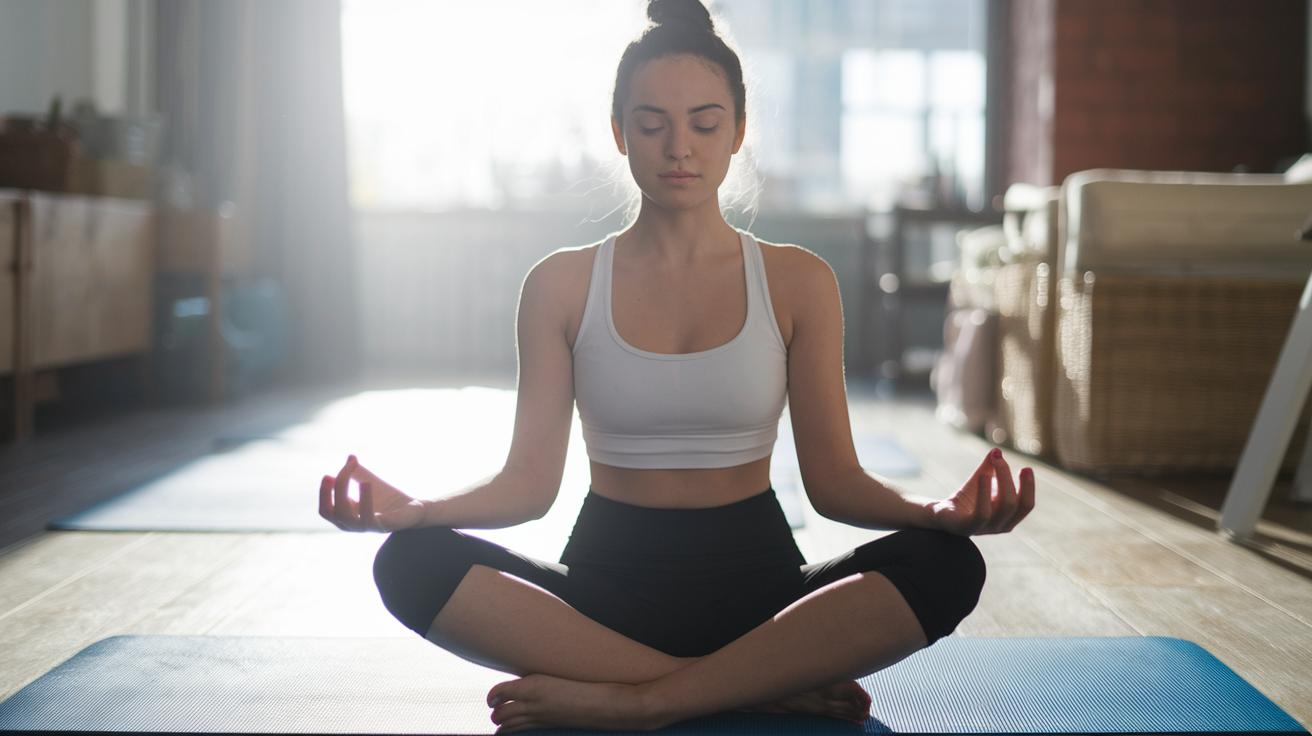
If you're ready to try guided breath meditation, using the right tools can make it easy. Smartphone apps offer simple sessions with clear audio and fun visual cues like GIF prompts. You can follow along as you breathe in deeply and let the air out slowly.
Online video tutorials offer quick, six-minute sessions that guide you through every step. Trusted sources like the Greater Good Science Center and HopeLab share clear, research-based advice to help you relax and focus on your breathing.
If you prefer more personal help, consider meeting with a Breathe-certified professional. They offer in-person guidance on how to tune into your breathing so you can find calm and joy every day.
A guided breathing app can also be a great choice. It reminds you to pause, feel each breath, and build up your confidence with practice. Try one today and feel the difference.
Final Words
In the action of exploring mindful breathing practices, we covered clear techniques and practical instructions that help you create calm and support overall well-being. You learned various breath meditation methods, including 4-7-8, box breathing, and diaphragmatic exercises, while also getting useful tips to start small and gradually expand. This balanced approach is meant to boost both fitness and nutrition efforts. Embrace each mindful moment and welcome the benefits of breath meditation with a positive, refreshed spirit.
FAQ
Q: What benefits does breath meditation provide?
A: Breath meditation provides mental relief by easing anxiety, boosts mood, and supports physical relaxation. It helps you become aware of your breath, calming your mind and body in everyday situations.
Q: What guided breath meditation resources are available?
A: Guided resources such as YouTube tutorials, mobile apps, and professionally written scripts offer clear instructions and support to develop a mindful breathing practice at your own pace.
Q: What are simple breath meditation techniques for beginners and those from Buddhist practices?
A: Beginners and practitioners inspired by Buddhist methods can start by gently focusing on their breath. This simple practice encourages calm, better concentration, and builds a regular, mindful routine.
Q: What are the 4-7-8, 5-5-5, and 8 breath meditation techniques?
A: The 4-7-8 technique uses a 4-second inhale, 7-second hold, and 8-second exhale. The 5-5-5 method features equal phases of breathing, while the 8 breath meditation organizes movement around an eight-count rhythm.
Q: What are the four stages of breathing meditation?
A: The four stages begin with noticing your natural breath, then deepening your inhale and exhale, incorporating gentle breath holds, and finally, returning your focus to your breathing when distractions arise.