Have you ever thought a few quiet minutes might give your health a boost? Taking time for mindfulness meditation can help you feel calmer and more at ease.
Even a short daily practice can take away some of your stress, lift your mood, and even support heart health. Imagine it: a simple pause that helps balance your emotions and strengthens your overall wellbeing.
In this article, we'll chat about how this gentle practice works and why it might be the perfect addition to your day. Ready to explore a new way to take care of yourself?
Core Benefits of Mindfulness Meditation for Mental and Physical Health
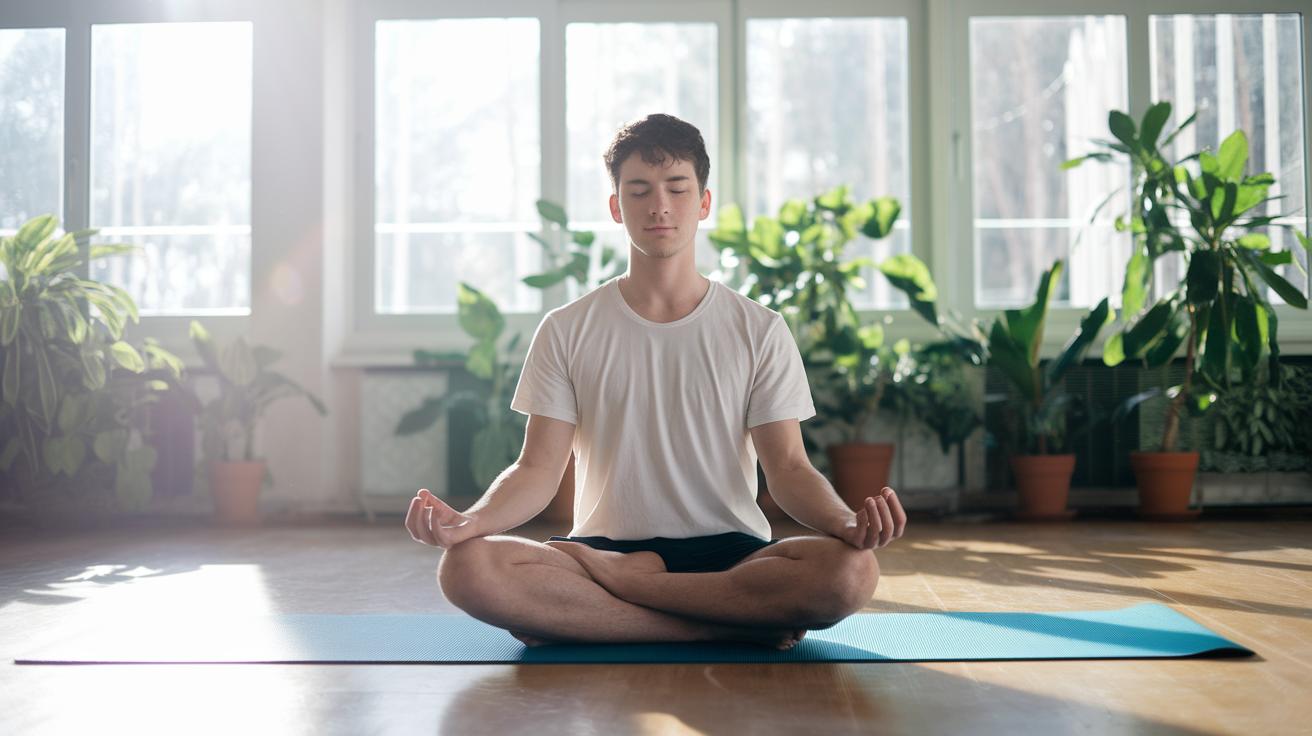
Mindfulness meditation has been shown to boost both your mental and physical health. Researchers have found 23 proven benefits from practicing regularly. It helps your body handle stress hormones like cortisol better, which can lower your blood pressure and ease other health issues.
One cool benefit is that it cuts down on stress. Many people say that a few minutes of mindfulness make them feel calmer and more relaxed. That calmness can even support your immune system and help ease muscle tension. And if you’re dealing with a long-term illness, mindfulness might help you manage symptoms and recover faster.
It also clears your mind. Focusing on the present moment is like tuning an instrument for a clear sound. This clear focus can lift your mood and balance your emotions, often reducing feelings of depression.
Your body gets a boost too. Studies show that mindfulness can lower blood pressure and improve heart health. With just a few simple exercises added to your day, you might find that you recover quicker after a big health challenge.
- Decreased stress
- Better illness management
- Faster recovery after major events
- Reduced depressive feelings
- Overall physical health boost
All these benefits show that a calm mind really does help nurture a healthier body.
Cognitive Boost: Mental Clarity and Neuroplasticity from Mindfulness Meditation
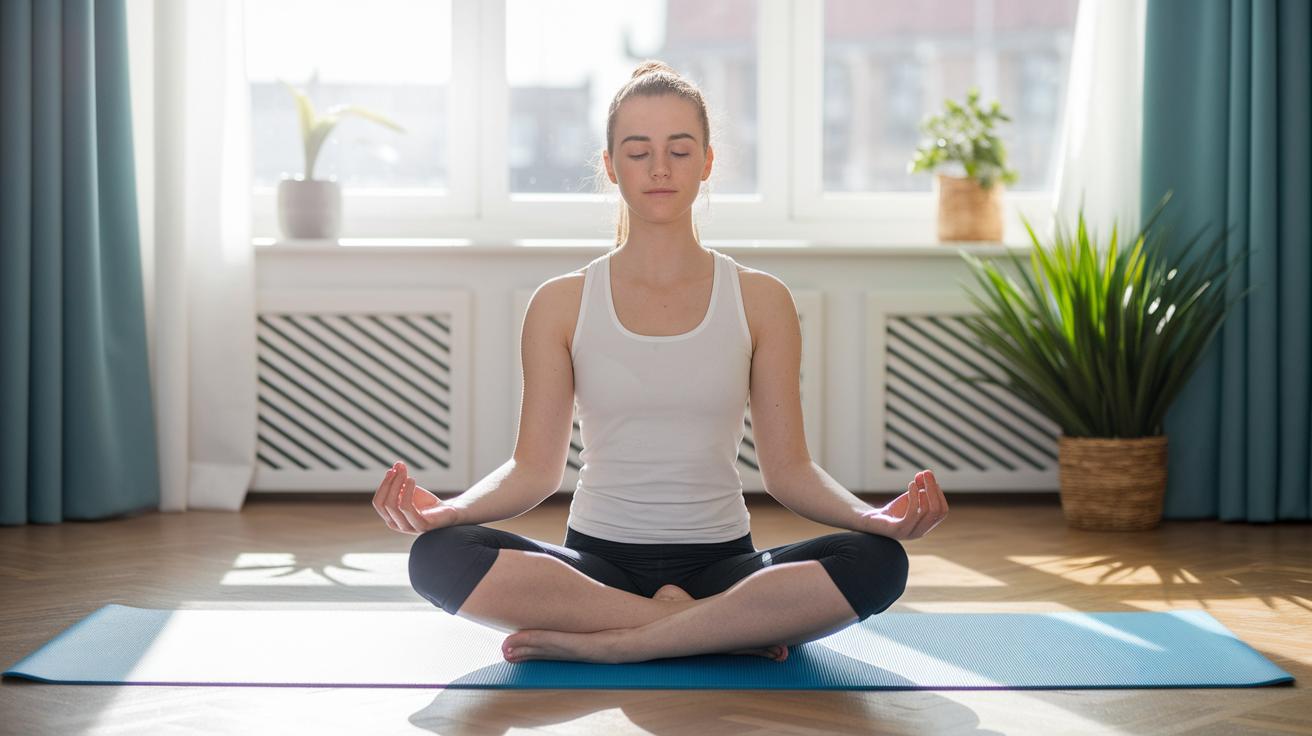
Mindfulness meditation relaxes your body and sharpens your mind. One study used an eight-week mindfulness course along with brain scans to show clear changes in brain function. Doing it regularly helps your brain form new connections, making it easier to stay focused. It's like giving your mind a gentle tune-up, just a few minutes a day can clear your thoughts.
Regular practice strengthens your attention, so you can focus better on daily tasks. Many folks share that their memory feels stronger as they grow older when they practice mindfulness. For example, someone once said, "After a few weeks of mindful breathing, decisions became simpler and my mind felt as clear as if my computer had been updated."
Also, meditation helps you make better choices by calming your mind so you can see problems more clearly. This boost in mental agility supports better decisions in both work and personal life while building a strong, resilient mind. With months of regular practice, these moments of focus can lead to lasting improvements in memory and decision-making skills.
Emotional Balance and Resilience Building with Mindfulness Meditation
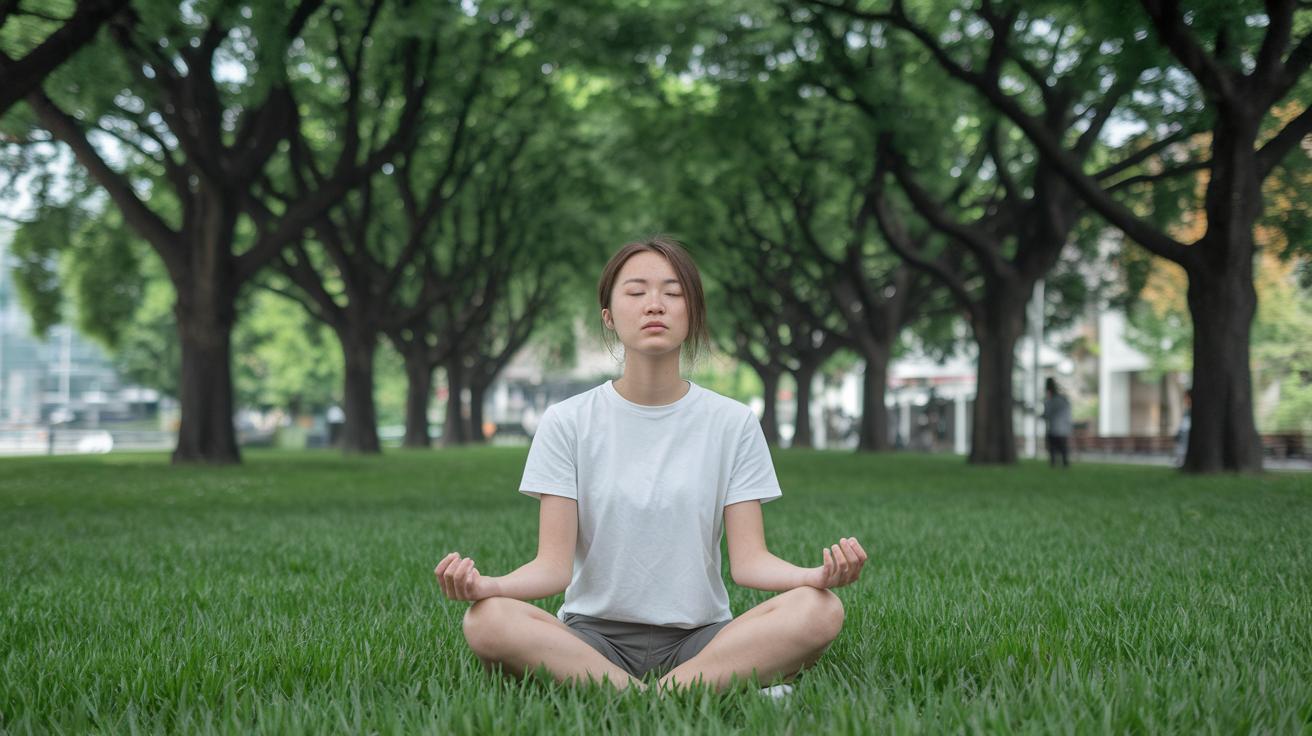
Mindfulness meditation can really help keep you calm and steady. When you take a few minutes each day to focus on the present, you ease anxiety and lift some of those heavy feelings. Studies show that paying attention to the moment builds simple yet effective ways to handle stress and sudden shifts in mood. Picture a friend saying, "After practicing mindfulness daily, my worries felt lighter, as if I'd discovered a secret key to steady emotions."
These practices do more than just calm you down; they also guide you in managing your feelings better. When you set aside time for mindfulness, you're letting your brain tune into what’s happening right now. This simple habit builds skills for understanding your emotions and boosts self-awareness. Try it like this: breathe in slowly for four counts, hold for a moment, then exhale for four counts. It’s a great way to set the stage for balanced feelings.
Over time, you'll notice changes in how you tackle challenges. Regular mindfulness sessions help sharpen your ability to recognize what triggers your emotions, making it easier to respond peacefully. With steady practice, every mindful moment adds up to lasting calm and strength. This gentle habit not only quiets your mind but also gives you the tools to face life’s ups and downs with kindness and resilience.
Stress Reduction and Anxiety Ease through Focused Breathing
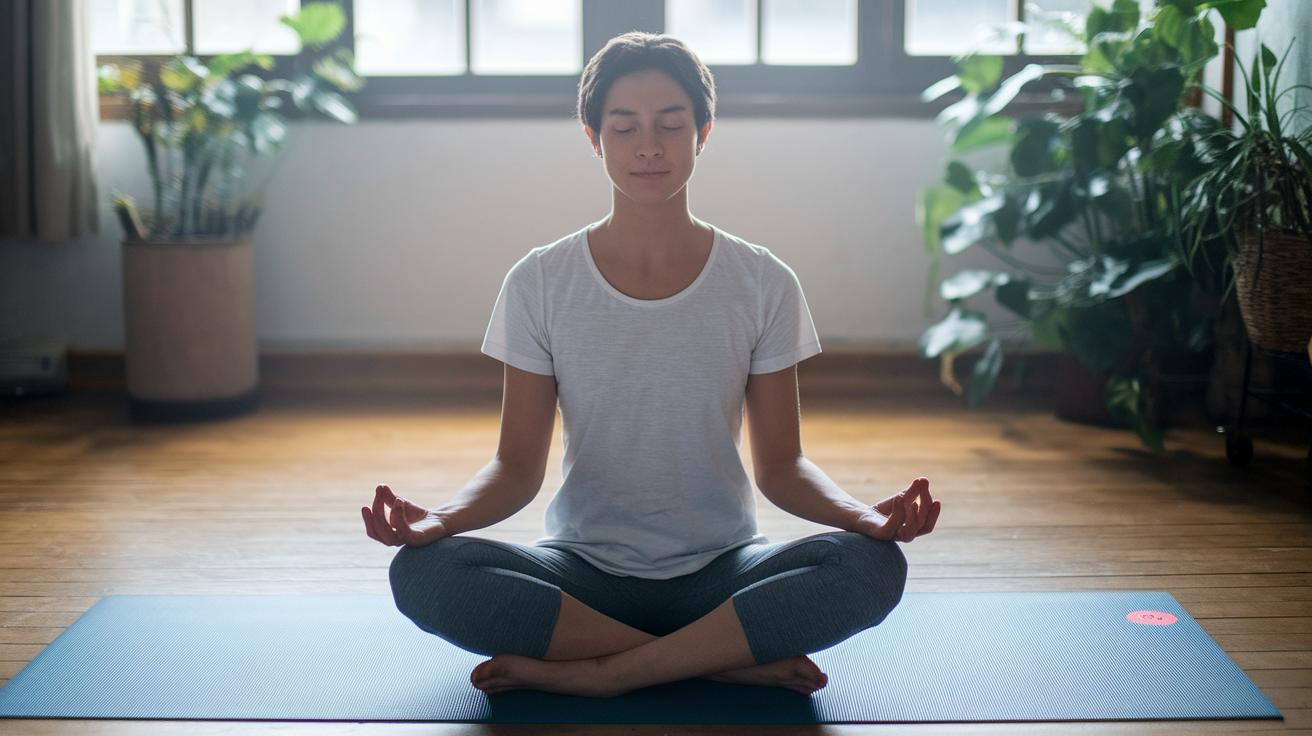
Focused breathing taps into your body's natural calming system, which helps lower stress hormones like cortisol and eases your body. Recent studies show that even small tweaks in how you breathe can help ease muscle tension and reduce feelings of anxiety.
One helpful trick is to extend your exhale phase. Instead of the usual pattern of breathing in for 4 counts, holding for 2, and breathing out for 4, try breathing in for 4 counts, holding for 2, and breathing out for 6 counts. It might feel like your stress slowly melts away with that extra count on the exhale.
Here's how to practice the longer exhale technique:
- Sit comfortably with your back straight.
- Close your eyes and focus on your calm, steady breath.
- Inhale slowly for 4 counts.
- Hold your breath for 2 counts.
- Exhale slowly for 6 counts.
- Notice how your body begins to relax a bit more with each cycle.
| Technique | Inhale | Hold | Exhale |
|---|---|---|---|
| Basic Breathing | 4 counts | 2 counts | 4 counts |
| Extended Exhale | 4 counts | 2 counts | 6 counts |
Physical Wellness Gains: Better Sleep, Immunity, and Heart Health
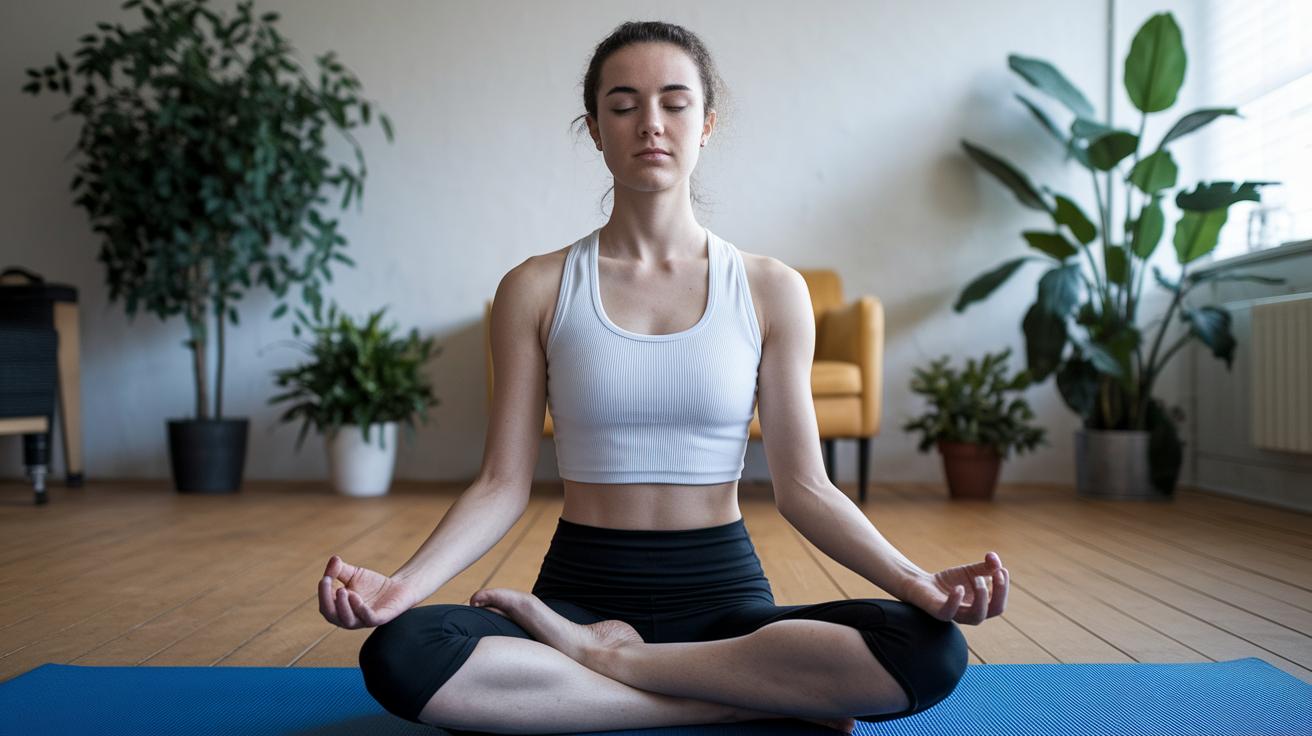
Every day, spending a few minutes on mindful breathing or reflection helps calm your mind and brings gentle changes to your body. Research shows that mindfulness can lower stress hormones like cortisol, a hormone that can make it hard for you to sleep well. One person shared, "Since I began mindful breathing, my sleep has become more even, and I wake up truly refreshed."
Taking time to check in with yourself not only soothes your mind, it also supports your immune system by keeping stress in check. When you combine better sleep with these mindful practices, your body can fight off bugs more effectively. Someone mentioned, "My sleep is deeper, and I rarely get seasonal sniffles since I started meditating."
A few minutes of mindful breathing can also relax your body and help your heart work more smoothly. Regular practice may even lower your blood pressure, lightening the heart's workload. One individual explained, "Just a few minutes of mindful breathing each day noticeably lowered my blood pressure, making everyday tasks feel less stressful."
Enhanced Focus and Productivity: Workplace Benefits of Mindfulness Meditation
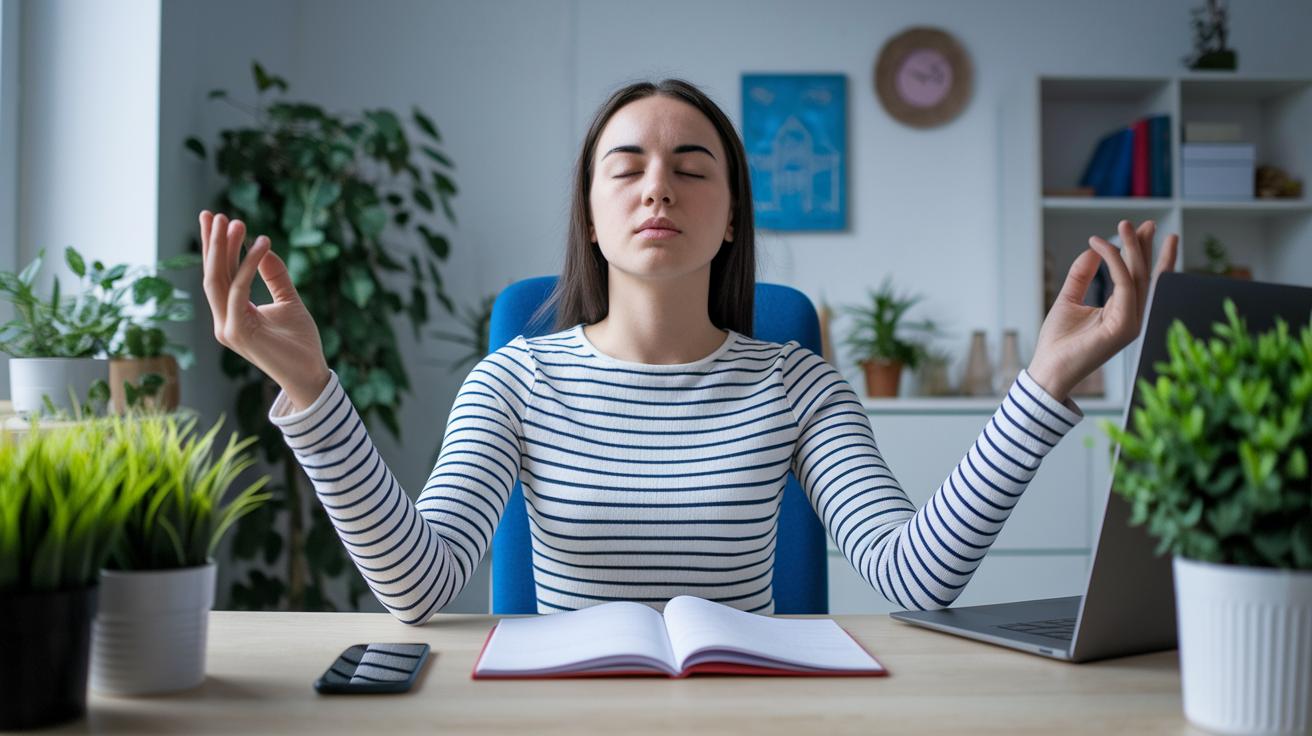
Taking short mindfulness breaks at work can really sharpen your thinking and boost focus. Studies in different offices show that even brief daily sessions can ease stress and help keep employees around longer. Simple breathing exercises can clear your mind and improve attention when you work on tasks.
Many people share that these little moments of calm help them handle busy work days with less stress. Over time, these practices fit naturally into the day and make it easier to tackle projects and meet deadlines. Mindfulness exercises are a quick, effective way to stay engaged and avoid burnout.
One worker even said, "Taking short mindful pauses kept my mind sharp and balanced." This kind of positive change not only makes work more productive but also creates a healthier atmosphere. Both teams and bosses notice that clearer thinking and steady performance make the whole workday better. Daily mindfulness is a simple way to brighten your work life.
Daily Routines and Guided Sessions for Consistent Mindfulness Practice
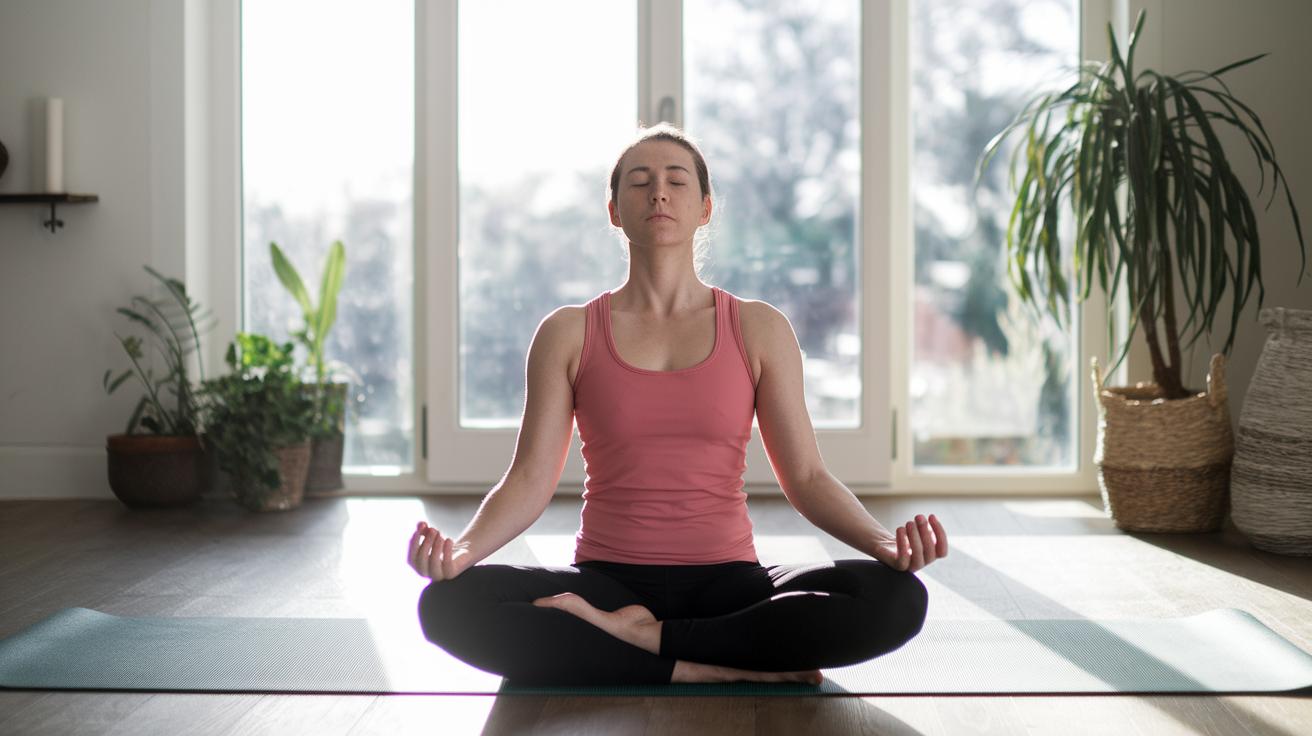
If you want to start a mindful routine, try setting aside 5 minutes every day. Many beginners say that this short break each morning gently wakes up both the body and the mind. Set an alarm, choose a quiet spot in your home, and focus on your breathing. One person mentioned, "Just five minutes of calm makes me ready for anything."
Keep your sessions simple. For instance, try a basic deep-breathing exercise: breathe in for 4 counts, hold for 2 counts, then breathe out for 6 counts. This simple practice eases your body and helps set a positive tone for the day.
Next, track how you feel after each session. A short journal note can remind you of the small benefits you notice, like feeling more focused, less tense, or just lighter in mood. Noting even little wins, such as being less overwhelmed during a busy afternoon, reinforces your self-care routine.
If you like having a little guiding voice, consider using guided calm sessions. There are many free apps and PDF guides with over 600 exercises based on science to help you learn new techniques. These resources give you a structured plan without making you feel lost.
- Set a regular time each day
- Begin with a 5-minute session
- Choose a quiet, consistent spot
- Track your progress with a brief journal
- Explore free guided sessions and PDF resources
Experiment with these ideas and find what works best for you. Enjoy the journey of staying consistent and comfortable with your practice.
Final Words
In the action, the article explored how mindfulness practices boost both mental and physical health. It touched on scientific benefits of mindfulness meditation, like decreased stress, sharper memory, balanced emotions, and improved sleep. Each tip emphasized practical exercises, from focused breathing to short, daily sessions, that help realign body and mind.
The advice is simple and encouraging, reminding us that small, regular practices can lead to big improvements in well-being. Keep trying these practical ideas, and enjoy the benefits of mindfulness meditation in your daily life.
FAQ
What are the benefits of mindfulness meditation?
The benefits of mindfulness meditation include reduced stress, improved mood, better sleep, enhanced immune response, and sharper concentration. Research shows that regular practice supports both mental and physical well-being.
What are the long-term benefits of mindfulness meditation?
The long-term benefits of mindfulness meditation come in the form of sustained stress relief, improved emotional balance, increased resilience, and overall physical health improvements that continue to build with consistent practice.
What are the three psychological benefits of mindfulness?
The three psychological benefits of mindfulness include improved self-awareness, reduced anxiety, and a decrease in depressive symptoms, making daily life feel calmer and more manageable.
What are the 3 C’s of mindfulness?
The 3 C’s of mindfulness often refer to cultivating clarity in thought, a sense of calm during challenges, and compassion toward oneself and others, which together promote balanced mental health.
Are there any disadvantages of mindfulness?
The disadvantages of mindfulness for some include initial restlessness, temporary emotional discomfort, or feeling overwhelmed as awareness increases; these effects usually diminish when practice becomes a regular part of daily life.
Where can I find mindfulness benefit resources like PDFs?
You can find mindfulness benefit resources like PDFs from reputable health websites, meditation centers, and research institutions that offer free toolkits and evidence-based exercises to support your practice.