Do you ever feel like your mind just never stops racing? Mindful breathing is a simple way to hit pause on that busy chatter. Each slow, gentle breath reminds you to focus on right now while easing your stress bit by bit.
This friendly guide will show you how to use your natural breathing rhythm to quiet your thoughts and bring steady calm into your day. Imagine taking a few quiet minutes that clear away your worries, leaving you feeling light and at peace. Ready to give it a try? Let's learn the basics of mindful breathing together and see how just a little calm can change your day.
Core Fundamentals in a Beginner’s Guide to Mindful Breathing
Mindful breathing is all about focusing on your breath to stay anchored in the present moment. It’s more than just a matter of inhaling and exhaling, it gently quiets your busy mind and helps you let go of worries about the past or future. Think of it like a familiar friend, always there to bring you back to now.
This practice is built on a few simple rules. First, keep your attention on the present. If your thoughts wander, simply guide them back to your breathing. Even a few minutes can help calm your mind, sharpen your focus, and brighten your spirit. It truly acts like a mini reset button for your day.
The beauty of mindful breathing is that you don’t need a special time to do it. Whether you're waiting for a bus or taking a brief pause at work, a minute of conscious breathing can turn stress into a moment of peace. Little moments like these add up, making it easier to stay clear and relaxed as you go through your day.
Step-by-Step Mindful Breathing Practice for Beginners

Start by creating a cozy, calm space in your mind. Settle into a relaxed position, imagine sitting on a park bench with your back gently supported. This simple pause is your little break of peace during the day.
- Find a comfy spot where you feel at ease. Think about your favorite chair that hugs you just right.
- Set a timer for about 3 to 5 minutes so you can focus on your breathing without checking the clock.
- Close your eyes and let your shoulders drop. This helps you sink into calm without any visual distractions.
- Breathe in and out naturally. Notice the cool air as it enters and the warm air as it leaves your body. Picture a gentle wave rolling in and out.
- When stray thoughts pop up, simply notice them and then bring your focus back to the steady rhythm of your breath.
- When your timer goes off, open your eyes slowly and take a moment to enjoy the transition back to your day.
Keep practicing these steps every day, even if it’s just for a few minutes. With time, you may find that these mindful breaths help you feel more focused and peaceful overall.
Integrating Beginner Mindful Breathing into Everyday Routines
When you're waiting for a ride or taking a quick break from your desk, those moments can feel perfect for trying out new breathing techniques. One great option is box breathing: breathe in for 4 seconds, hold for 4 seconds, breathe out for 4 seconds, and rest for 4 seconds. You can also try alternate nostril breathing, which helps calm your mind and improves your focus with a bit of practice.
Keep it simple by using short, clear cues and sessions. Before you sit down for a meal or start your morning meditation, try a quick one- or two-minute breathing break. I heard about a busy professional who practiced box breathing before checking her emails, and she soon discovered that these small pauses helped reduce her stress and made her day feel more mindful. You might even mix in a short meditation or jot down a few thoughts on how you feel afterward.
Common Benefits in a Beginner’s Mindful Breathing Practice
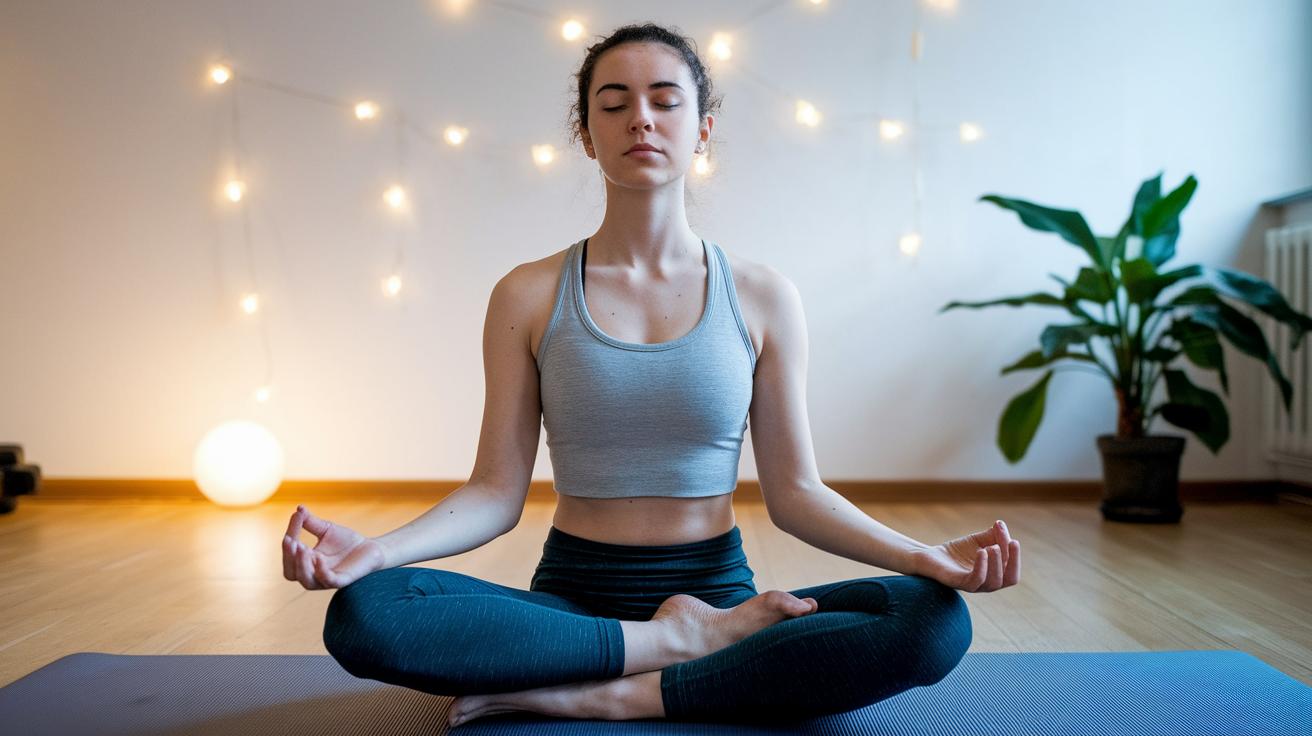
When you spend a few minutes focusing on your breath, your body gets a gentle signal to calm down. This little pause helps ease stress and clears your mind so you can focus better.
Every time you practice, you build a reliable way to keep your emotions steady and your thoughts clear. And before you know it, regular mindful breathing can help you sleep more soundly and feel more balanced day after day.
Troubleshooting Challenges in Beginner Mindful Breathing
When you start mindful breathing, it’s normal for your thoughts to wander. You might feel a bit impatient when random ideas pop up. Rather than beating yourself up, simply notice the thought and gently return your focus to your breath. It helps to think of these moments as little steps that build your ability to stay present.
If you find that you’re pushing too hard for deep calm, try making your sessions a bit shorter. Think of these brief practices as small pieces of a bigger picture, each time you refocus, you're training your mind in a kind and steady way.
Sometimes, you may experience some physical discomfort or notice that your chest feels shallow when you breathe. A small adjustment in your posture or adding a cushion can really help ease any tension. If you catch yourself breathing lightly, try using your belly to take deep breaths. This is called diaphragmatic breathing, where you use your abdomen as you breathe in and out.
Starting with very short sessions, even just one minute a day, can gradually build a more relaxed and centered practice. With each little session, you'll feel more balanced and ready to take on the next mindful breath.
Next Steps: Further Practices Beyond a Beginner’s Guide to Mindful Breathing

Now that you are comfortable with the basics, it's time to try some new breathing techniques. You might enjoy exploring box breathing and belly breathing (which works your core for deeper breaths). Box breathing follows a neat, square rhythm where each step flows into the next, while belly breathing encourages you to fill your lungs more fully. These exercises build on what you have learned and help you become more aware of how you breathe. Over time, you can slowly expand your sessions from five to ten minutes or more to boost your sense of calm and control.
To keep growing, consider using guided tools that support your practice. Try listening to audio guides, joining a live class, or watching simple animations that show these techniques in action. You might even reflect on a few inspiring quotes from Eastern or Stoic traditions on breath. These resources can help you stay focused and remind you that mastering advanced breathing takes time and regular practice.
Final Words
In the action, we reviewed mindful breathing as a simple way to keep your focus here and now while easing stress. We touched on core steps to practice breathing during everyday moments. Remember, even short sessions can boost well-being and clarity. This beginner's guide to mindful breathing shows how small changes can make a big difference. Keep practicing and smile at every moment of calm. Enjoy the fresh start each deep breath brings!
FAQ
What do mindful breathing exercise PDFs and scripts offer?
Mindful breathing PDFs and scripts offer a clear, step-by-step guide that shows you how to focus on your breath. They include simple instructions, timing cues, and tips to help keep stress at bay.
What are breathing meditation techniques for beginners?
Breathing meditation techniques for beginners teach you how to focus on your breathing while calming your mind. These methods gently guide you through inhaling and exhaling to reduce stress and boost well-being.
What benefits does mindful breathing provide?
Mindful breathing provides stress relief, improved focus, and better emotional balance. It helps you stay in the present, easing day-to-day worries while promoting a sense of calm and overall wellness.