Have you ever wondered if paying close attention can change your life? Imagine feeling the sun's gentle warmth while memories pop into your mind. Being aware can be as simple as noticing a friend's smile or listening to leaves rustling on a quiet walk.
But consciousness goes a step further. It mixes those quick moments with deeper thoughts and feelings, like adding colorful brushstrokes to a painting. This piece talks about the simple differences between the two ideas, giving you a fresh view that can light up your everyday life with more clarity and purpose.
Defining Awareness vs Consciousness: Fundamental Meanings

Awareness means noticing what's happening right now, like feeling the warmth of the sun or hearing the soft rustle of leaves. It’s that moment when you instantly see a friend’s smile or sense a change in the room's temperature. In short, awareness is about spotting little details in your day.
Consciousness is the bigger picture of being awake and involved in life. It includes not just what you see or hear, but also your memories, thoughts, and feelings. Imagine it as the canvas that holds every experience, from a happy memory to a fresh idea.
Understanding these differences can really help with self-reflection. When you pay attention to the small details, you may also boost your overall sense of being and self-awareness. This simple idea can guide you to look at your day with more clarity and purpose.
Comparing Awareness and Consciousness: Key Distinctions

When we talk about awareness and consciousness, we're exploring how immediate sensory signals mix with deeper reflections later on. It’s like noticing a sound right away and then thinking about how it made you feel.
Awareness is that quick, in-the-moment focus when your senses pick up things like laughter or the feeling of a cool breeze. Consciousness goes further. It takes that brief moment and adds thoughts, memories, and feelings, drawing a longer picture from a single moment.
For example, when a cool breeze touches your skin, your immediate sensing is awareness. Later, if that breeze reminds you of a lovely day or inspires a thought, that’s your consciousness at work.
Our subconscious also plays a part by gently shaping what we notice and how we think about it afterward.
| Aspect | Awareness | Consciousness |
|---|---|---|
| Definition | Quick, moment-to-moment sensing, like hearing a sound | Includes thoughts, memories, and feelings that build over time |
| Duration | Brief and immediate | Lasts longer and evolves |
| Sensory Integration | Captures direct, fleeting moments | Merges real-time input with deeper thought |
| Subconscious Influence | Helps shape your quick reactions | Guides more detailed reflection later |
The Subconscious Role in Awareness vs Consciousness
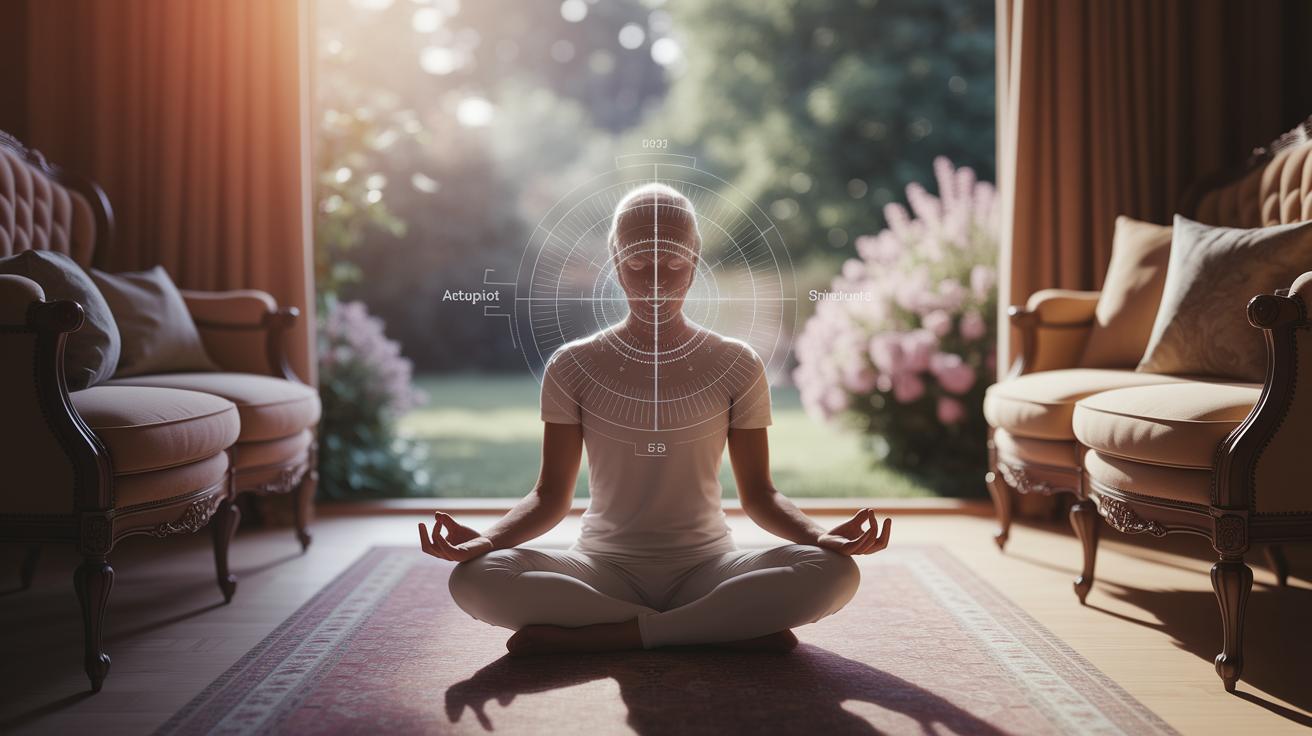
Our subconscious mind works like a built-in autopilot, handling tasks without us having to think about every little detail. It quietly takes care of things like noticing ambient sounds or controlling everyday activities like walking. This hidden side of our mind shapes how we react to daily events, laying the groundwork for our immediate awareness and deeper conscious thoughts.
Imagine your subconscious as a friendly computer program that runs on its own. Have you ever noticed how driving feels automatic after enough practice? It’s like a self-driving system that takes over so you can focus on other things. These everyday routines work in the background and affect our decisions and memories, even when we aren’t actively paying attention.
When we start to notice these automatic habits, we can begin to see patterns in our actions and thoughts. By bringing these hidden influences into our conscious mind, we open up a chance to change how we act and think. This simple step lets us make clearer choices and adjust our responses, boosting both our awareness and our overall sense of clarity.
Expanding Awareness through Mindfulness and Meditation

Meditation is a simple way to clear your mind, relax your body, and gently shift how you connect with your thoughts. It offers easy techniques that help calm your nervous system and fine-tune your senses right now. Think of it as a quiet break in the middle of a noisy day, a moment to pause, check in with yourself, and reflect on your inner world.
Breathwork is a great way to start building mindful habits. Every day, you can try taking a deep, slow breath in and then letting it out steadily. It really helps calm your spirit. For example, you might breathe in slowly through your nose, hold for two seconds, and then exhale as if you’re letting go of any tension from your day. You can explore more about this approach at https://nobrainertrends.com?p=1337.
Open-monitoring techniques invite you to simply notice your thoughts as they appear, without judging them. Imagine your ideas drifting by like little clouds in the sky or ripples on a pond, here for a moment, then fading away. This gentle observation helps you accept your thoughts without getting caught up in them.
Over time, these simple practices can open up a richer, more aware feeling in your life. When you make room for quiet reflection and mindful breathing, you begin to see a clearer, more connected picture of your day-to-day life. Isn't it amazing how a few small moments of mindfulness can lead to big changes?
awareness vs consciousness: A Fresh Outlook

Recent research shows that consciousness depends on specific patterns of brain activity. Scientists using brain scans like fMRI see that parts of the front and top areas of our brain light up when we think, remember, or decide on something. It’s like watching a light show where every flash connects what we sense with our inner thoughts. Imagine recalling a happy memory or solving a tricky problem, your brain networks work together to keep you in a state of wakefulness.
In contrast, awareness happens in smaller, more focused parts of the brain. When you hear a sound or feel a cool breeze, the brain's sensory areas and attention systems jump into action. This kind of moment-to-moment noticing is different from the big picture of consciousness. It’s all about picking up little changes around you so you can respond quickly and clearly.
Recent brain imaging also shows that these two states use different parts of the brain. When you concentrate on a task, the brain’s response becomes more confined and precise. But when you are in a full state of consciousness, a wide network involving memory, emotions, and thoughts is at work. All of this helps us understand how everyday moments mix with deeper thinking to create our rich, waking experience.
Integrating Mindful Awareness into Daily Life

At work, at home, or even during a short break, try an awareness check that goes a bit deeper than a quick pause. When you're sitting at your desk, notice how your body feels. Feel your hands resting on the table and the firm support of your feet on the floor. You might say to yourself, "Stop for a moment and feel the gentle rhythm of your breath, in and out, calming your thoughts." This small act can help you shift your focus and invite a little calm into your day.
Using these awareness checks regularly can slowly sharpen your focus and clear your mind. Over time, these brief moments of self-reflection grow into a habit that brings clarity to your everyday tasks. For example, you might find that a frantic moment becomes a chance to step back and understand your feelings better, like when one mindful pause during a busy meeting brought a spark of clear insight. This simple practice builds on itself, offering a fresh and practical way to weave self-awareness into your daily routine.
Final Words
In the action, this article broke down awareness vs consciousness in simple, clear terms. We looked at noticing everyday details versus the broader state of being awake and engaged. We explored how simple exercise routines, balanced meals, and stress management techniques can help build both states. Each section offered a friendly, practical look at how regular mindfulness can boost your overall experience. Moving forward with a clear mind and positive energy makes a big difference in better living. Here's to a healthier, mindful life ahead!
FAQ
What does awareness vs consciousness mean on Reddit?
The Reddit discussion rewords awareness as actively noticing the present moment, while consciousness refers to the full state of thinking, memory, and feeling that shapes our overall experience.
What is awareness vs consciousness in medical terms?
In medical contexts, awareness means actively perceiving sensations and stimuli, whereas consciousness covers the complete state of wakefulness and cognitive function, including thought and memory.
What does awareness vs consciousness mean in psychology?
In psychology, awareness focuses on paying attention to immediate experiences, while consciousness includes the broader range of thoughts, feelings, and memories that influence behavior and mood.
What does awareness vs consciousness mean in spirituality?
Spiritually, awareness is about being present to your inner and outer experiences, while consciousness refers to a higher state of insight and a deeper sense of connection with life.
What are examples of awareness vs consciousness?
Examples include noticing a sound or a scent as awareness, whereas experiencing a state where your thoughts, memories, and feelings interact continuously illustrates consciousness.
How does awareness compare to mindfulness?
Awareness is simply noticing what happens in the moment, while mindfulness is a practice that builds this skill, helping you stay focused and present during daily activities.
What are examples of conscious awareness?
Conscious awareness can be seen when you savor a meal fully, noticing each taste and texture, or when you observe small shifts in mood during a calm conversation.
What does conscious awareness mean in psychology?
In psychology, conscious awareness means being immediately in tune with your thoughts, feelings, and sensations, which lets you reflect and make clear decisions in the moment.
What is the difference between consciousness and awareness with examples?
The difference is that awareness involves momentary attention to stimuli, like noticing a change in the environment, while consciousness is the broader state that includes thought processes, memories, and emotions.
Can you be aware but not conscious?
It is possible to register certain stimuli as an automatic response even if you are not fully awake, such as during light sleep or periods of limited responsiveness.
What is the difference between consciousness and awareness in Buddhism?
In Buddhism, awareness means being fully present and attentive to each moment, while consciousness represents the ongoing flow of thought and deeper mental processing.
What is the difference between consciousness and awareness in medical terms?
Medical definitions separate awareness as the act of processing sensory input, whereas consciousness involves the overall state of wakefulness and the capacity to think, recall, and react.