Have you ever wondered if your bench press really shows how strong you are? Each weight level, starting at 135 lbs for beginners and progressing to tougher numbers, is like a stepping stone on your strength journey. This guide shows how men can check their gains at different points, even as they age. You'll find clear benchmarks to help you set smart, reachable goals for a balanced workout routine. With steady practice and a little persistence, you can turn your lifts into real markers of strength.
Men’s Bench Press Averages by Experience Level

Men’s lifters move through different stages as they gain strength. If you’re just starting out, bench pressing around 135 lbs is normal. With a bit of practice, novice lifters usually hit about 175 lbs. As you keep training, intermediate lifters often reach 215 lbs, advanced athletes push to roughly 290 lbs, and elite lifters can go up to around 360 lbs. It’s interesting to note that many men start at 135 lbs before structured training, but with real dedication those numbers can improve fast.
Regular and steady training is the key. Early on, you might notice quick gains because your body is getting used to new challenges. For instance, after just six months of committed workouts, you could go from benching 135 lbs to 175 lbs. This progress happens as your muscles learn how to work together and your strength grows over time.
These benchmarks are useful for anyone looking to measure their progress. Whether you’re new to lifting or already past the beginner stage, these numbers can help you set achievable workout goals. Reflect on your own progress and consider tweaking your training routine to move up to the next level.
| Experience Level | Average Bench Press (lbs) |
|---|---|
| Untrained | 135 |
| Novice | 175 |
| Intermediate | 215 |
| Advanced | 290 |
| Elite | 360 |
Bench Press Performance Benchmarks by Age Group
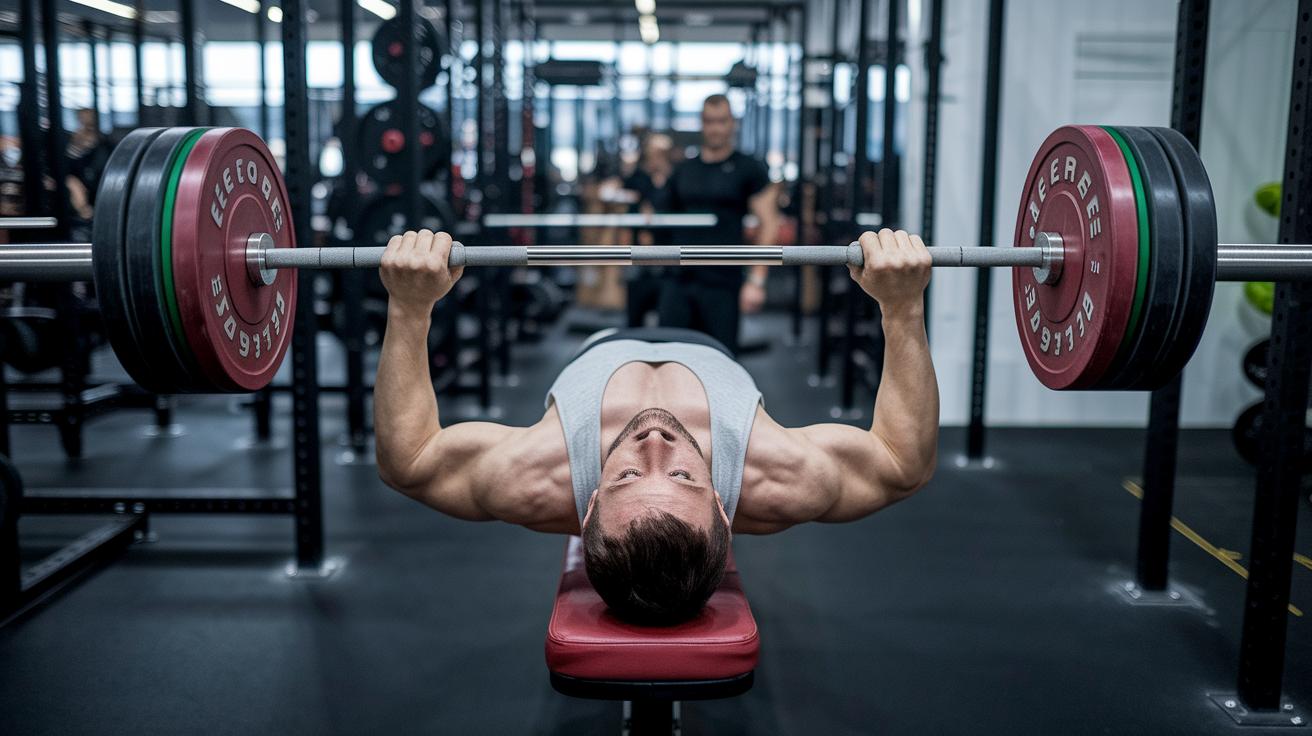
Your bench press strength changes as you get older. As time goes by, your muscles and how your body is made can affect how much weight you lift.
Teens are still growing and building strength. Beginners might press about 65 to 95 pounds, while those with more practice could push closer to 140 to 185 pounds. It all means that setting realistic, age-based goals is a smart move.
Men in their 20s and 30s generally hit their peak strength when they start training. For those just starting out, 135 pounds is a common baseline. With consistent training, they can move up to 185 to 225 pounds or even more if they are advanced.
In your 40s and 50s, you might notice a drop of around 10 to 20 percent compared to your best years since your body naturally changes over time. For men over 60, bench press weights are usually between 100 and 185 pounds, depending on health and training background.
Using these age benchmarks is a handy way to track your progress. Compare how much you lift with these numbers and adjust your workout routine safely to build strength.
| Age Group | Average Bench Press (lbs) |
|---|---|
| Teens (15–19) | Beginners: 65–95; Experienced: 140–185 |
| Men in 20s–30s | Untrained: 135; Trained: 185–225; Advanced: >300 |
| Men in 40s–50s | Approximately 10–20% less than peak strength |
| Men 60+ | 100–185 |
How Body Weight Affects Bench Press Strength in Men
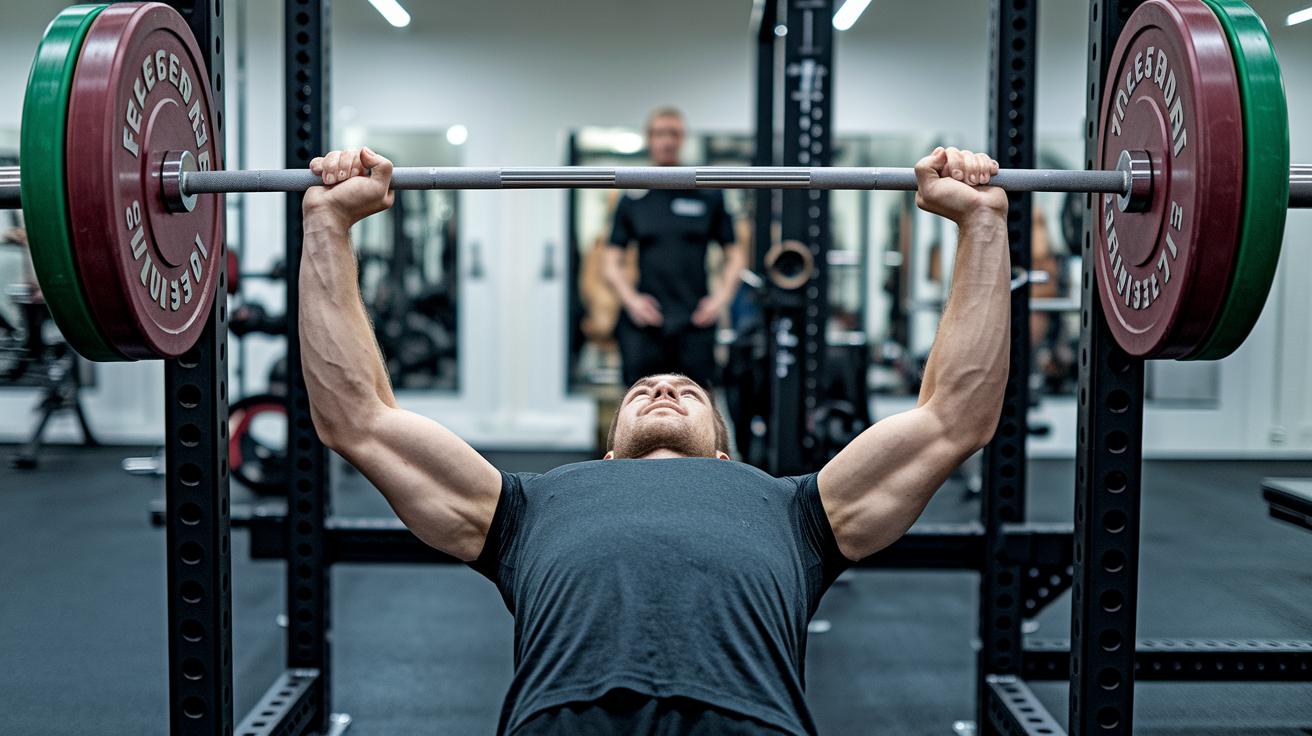
Your body weight plays a big role in how much you can lift on the bench press. Think of it like this: a man weighing 150 pounds might aim to lift around 200 pounds. Your weight gives you a base that helps build up muscle, so heavier individuals might see different numbers compared to lighter ones.
When you weigh a bit more, you often build more muscle. For instance, a man weighing 240 pounds might target a 300-pound bench press. More muscle fibers mean more strength, and a larger body can offer a stable base when you're lying on the bench. These ideas can help you set realistic goals and adjust your training along the way.
Start by checking your personal weight and strength. Set clear benchmarks and, as you lift, slowly increase the weight. Always keep your form solid with each rep to prevent injuries and build steady progress.
Essential Technique and Form Tips for Improved Bench Press

A strong bench press starts with good technique. When you set up right with the correct bench position and a firm bar grip, your muscles work together better. This means you lift safely and perform well. Think about it like this: a smooth, controlled press can make all the difference between a great workout and a painful injury.
Elbow Angle and Bar Path
Keeping your elbows at a 45 degree angle helps take strain off your shoulders while getting the most out of your chest muscles. Picture your bar moving in a steady, smooth arc from your chest up until your arms are fully extended. This careful movement stops wasted effort and makes every rep count. Imagine your elbows staying in a consistent angle every time, guiding the bar with care.
Body Position and Core Engagement
Your whole body matters when you bench press. Make sure your feet are planted firmly, your shoulders rest securely on the bench, and your core is tight. Bracing your midsection before each rep gives you a rock-solid base. This not only helps you lift better but also cuts down the risk of injury. Picture it like planting your feet as if they were anchors and tightening your core as if you're about to hold a heavy door, stable and ready.
Safely Progressing Your Bench Press: Tips for Men

Boosting your bench press is all about making small adjustments over time. Start by adding exercises that work your triceps, shoulders, and back, these muscles help you push more weight. For example, mix in push-ups or dumbbell presses along with your barbell routine, and consider using wrist wraps when lifting heavy for extra support. These tweaks strengthen the parts that hold you back and keep your progress on track.
Staying safe is key. Always have a friend or spotter nearby to help if your arms get tired during a lift. It might also be a smart idea to skip the collars on your bar, so the weights can slide off safely if something goes wrong. These little safety moves let you push your limits without risking injury.
Understanding Bench Press Strength Factors: Muscle Mass, Genetics, and Gear
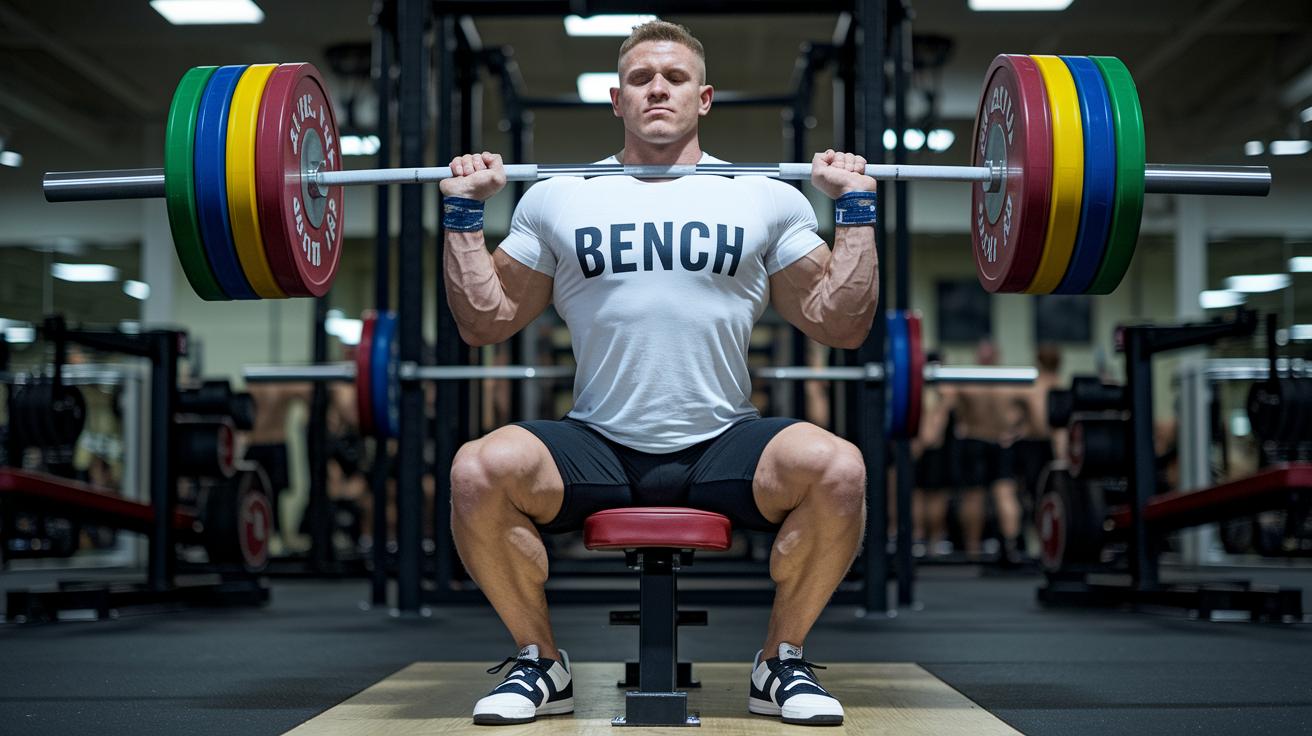
Your bench press numbers come from a mix of who you are and the gear you use. Both your body’s natural build , like the amount of muscle mass and even the kind of muscle fibers you have , and the equipment you choose play big roles. Your natural traits help set the stage for building strength, while the right tools can boost your performance. For example, tests such as the NFL Combine show athletes pressing 225 lbs for around 44 reps, and the YMCA Bench Press Test focuses on how long your muscles can keep going. These tests remind us that our training methods and gear choices truly affect our results.
Genetic and Muscle Mass Impact
Our genes shape our muscle composition and size, which can act like natural limits on how much you lift. Think of it like building a house: strong materials make a sturdier home. If your muscles naturally respond well, you might find yourself gaining strength quickly. Others may progress at a steadier pace, but every bit of improvement counts.
Role of Equipment and Testing Protocols
The equipment you use , like bench shirts and wrist straps , can really change the way you lift. Good gear supports your body and keeps your form in check during your workout. Common tests, such as those at the NFL Combine or the YMCA Bench Press Test, help you see how you compare and where you might need a change. By tracking your performance with these methods, you can fine-tune your training and get the most out of every session.
Final Words
In the action, we broke down how bench press levels shift with experience, age, and body weight. We looked at performance standards from beginners to elite, discussed essential form tips, and shared safety protocols for steady improvement.
The post also touched on the effects of muscle mass, genetics, and supportive gear. Keep refining your technique and tracking your progress with your average bench press for men in mind. Stay active and positive as you build strength every day.
FAQ
What is the average male bench press in kilograms?
The average male untrained bench press is about 135 lbs, which is roughly 61 kg, with strength increasing steadily through regular training.
How does the average bench press vary by age for men and women?
The average bench press differs by age. Teen lifters typically press between 30 and 80 kg, while women usually lift lighter weights, emphasizing slow, steady progress.
What is a good bench press weight for a 15 or 16-year-old?
A 15 or 16-year-old beginner often lifts between 30 and 43 kg as they build technique and strength with proper training.
Is a 50 kg bench press good for a male lifter?
A 50 kg bench press is below average for an adult male, suggesting a starting point to focus on gradual strength gains and improved form.
How can I use a bench press calculator?
A bench press calculator estimates your one-rep max, making it easier to track progress and set clear, safe training goals as you build strength.
How much weight does an average man bench press?
An average untrained man can bench about 135 lbs, while those with more training experience lift higher weights as their strength improves.
Is benching 225 lbs considered good for a man?
Benching 225 lbs is a noteworthy milestone for many lifters, reflecting solid strength development and effective training progress.
How common is a 200-pound bench press?
A 200-pound bench press is fairly common among moderately trained lifters, especially those in their 20s and 30s who have built consistent upper body strength.
Can most guys bench 135 lbs?
Many beginner or untrained lifters can bench around 135 lbs, making it a standard baseline for developing fuller, more secure chest strength.