Have you ever thought about how a few small changes might wash away your stress? Studies tell us that a little exercise, a balanced diet, and quiet mindful moments can ease those heavy worries. Picture going for a brisk run and leaving your stress behind, or sitting down with a notebook to let your thoughts drift and clear your mind. In this post, we'll share simple, easy-to-follow tips that help soothe your body and calm your mind, so you can enjoy true relaxation every day.
Holistic Overview of Anxiety and Stress Reduction
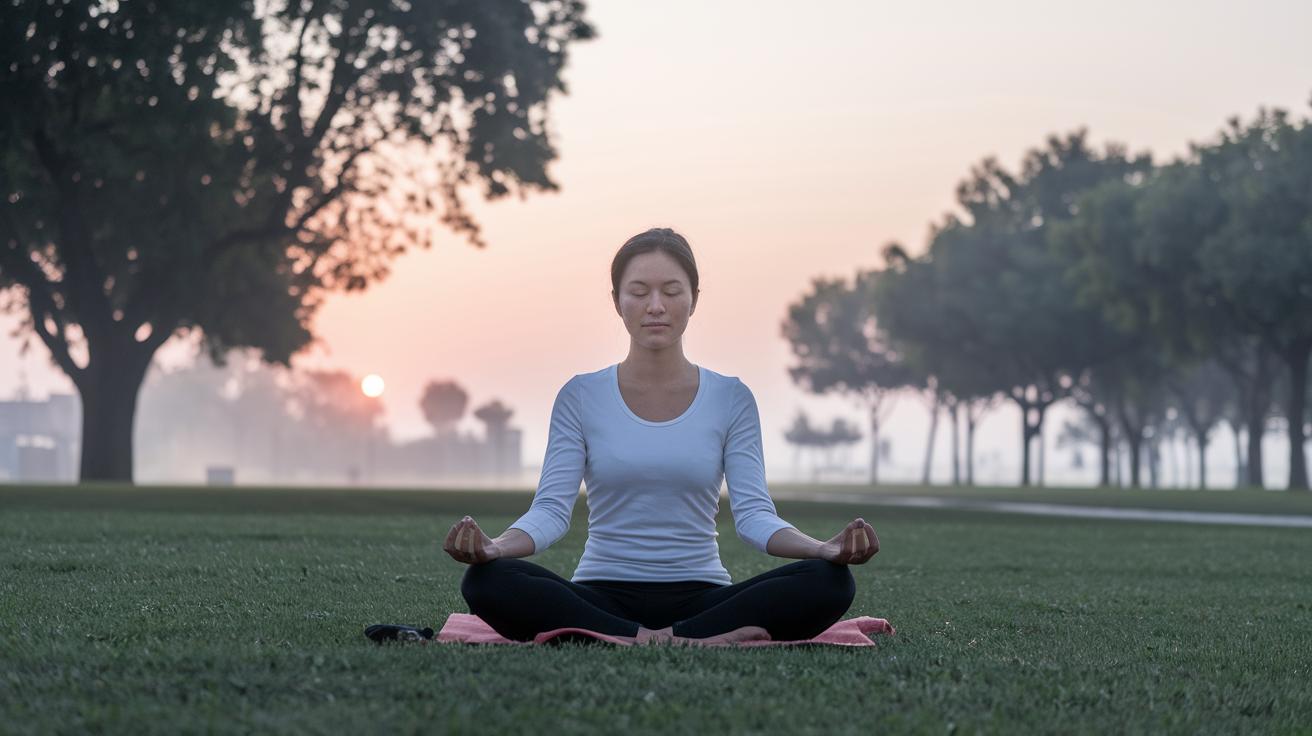
Research tells us that easing anxiety and stress comes from taking care of your body, mind, and eating habits all at once. A study with 185 university students over six weeks showed that doing two light aerobic workouts each week can help reduce overall stress and even stress from uncertainty. For instance, someone mentioned that after a brisk run, they felt like the weight of their worries lifted away. Exercise like this works to balance your body’s hormones and clear your head.
Your diet also plays a big part. A review in 2022 found that eating lots of ultra-processed foods and added sugars can make you feel more stressed. Cutting back on these foods and even a little caffeine can help calm your body. Small acts of self-care, such as writing down your thoughts or spending 10 minutes outdoors, have been linked to lower stress hormones and a better mood. Even playing with a pet can boost calming feelings thanks to a natural release of oxytocin.
There are also some simple mental strategies that support stress relief. Techniques like staying mindful, setting healthy personal boundaries, and writing out your thoughts can clear your mind and help build resilience. Imagine taking a moment to jot down your strengths, like being a great listener or managing your day well. These small habits combine with exercise and smart eating to form a well-rounded way to handle stress and anxiety.
Key methods include:
| Aerobic Exercise | Diet Choices |
|---|---|
| Helps balance hormones | Reduce processed foods and caffeine |
| Mindfulness & Journaling | Nature & Pet Time |
| Shifts your focus away from worry | Creates a calming effect |
Together, these methods create a practical guide to help manage anxiety and stress. By mixing a routine of physical activity, mindful eating, and gentle self-care, you can bring more calm and clarity into your everyday life.
Mindfulness and Meditation for Anxiety and Stress Reduction
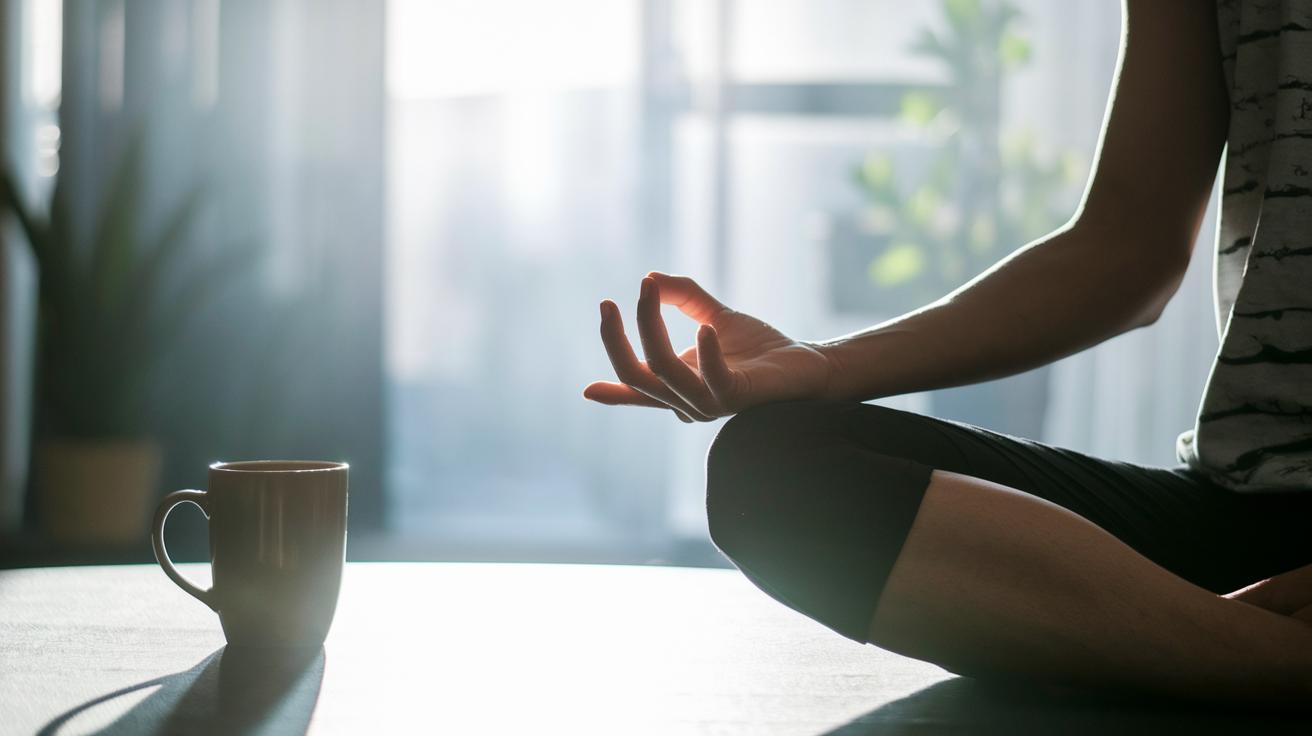
Find a quiet spot and take a minute to slow your breathing down. Breathe in slowly, then let a longer, gentle exhale follow. This simple exercise helps to clear your mind. Imagine yourself comfortably seated with your eyes closed, feeling each breath sweep away the day's stress. Think of it like watching gentle waves roll onto the shore.
Next, try recalling a happy memory. Picture flipping through a favorite vacation album and feel the warmth of those moments spark joy. This small act lifts your mood and helps the positive feelings linger longer.
Another tip is to take a moment each day to write down one thing you are grateful for. Studies even show that simple gratitude can add years to your life. And when negative thoughts creep in, remind yourself quietly, "It could have been much worse." This little mantra might change your perspective in just a heartbeat.
Be kind to yourself, too. Offer yourself a short break or even a gentle self-hug, just as you would comfort a dear friend. Take a moment to recognize your strengths, maybe you're a patient listener or someone who can solve problems with ease, and set yourself small, doable goals. Each tiny victory builds resilience and shapes a more positive mindset.
Integrate these mindfulness and meditation practices into your daily routine, and let calm and clarity become a natural part of your day.
Exercise Techniques for Anxiety and Stress Reduction
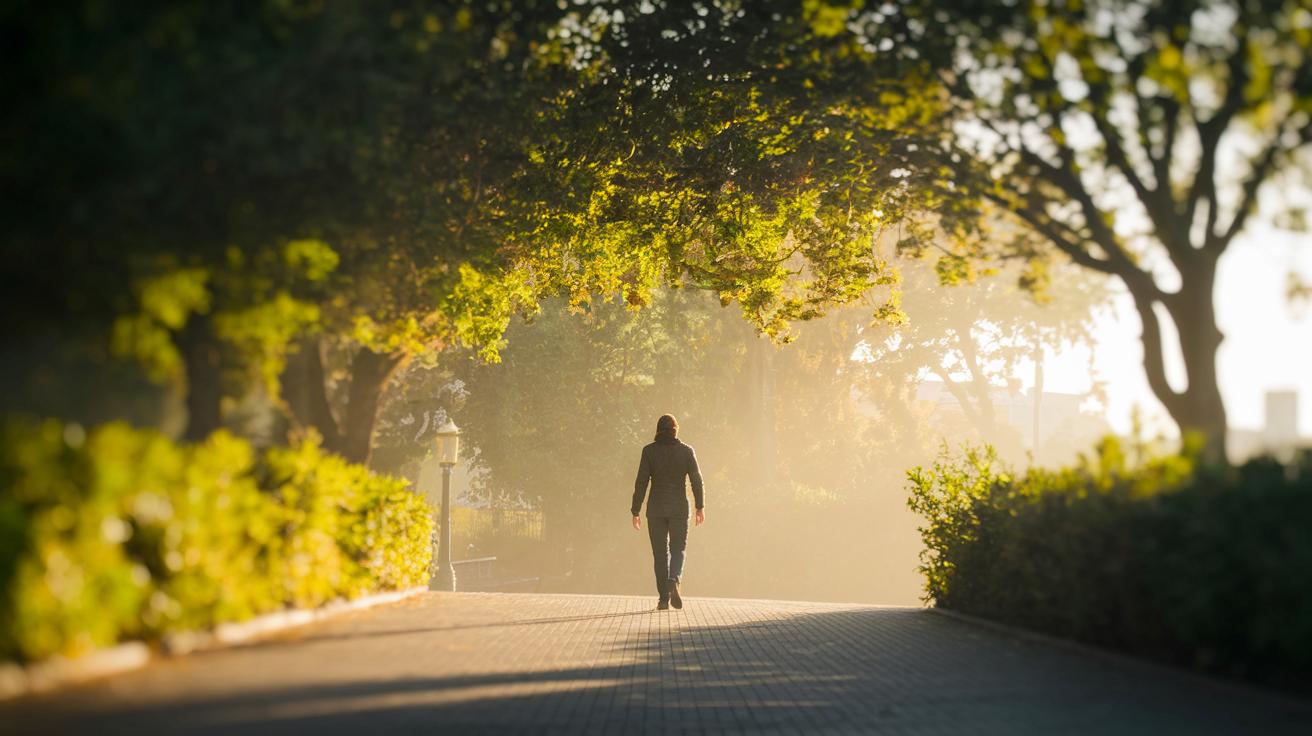
Research with 185 college students shows that just two light aerobic sessions a week, like a brisk walk, can help lower stress and anxiety from uncertain times. Imagine wrapping up a 20-minute walk and feeling the tension fade, as if a heavy weight is lifted off your shoulders. Regular exercise works by keeping your stress hormones in check and releasing natural mood boosters called endorphins.
Yoga is another gentle way to ease anxiety. When you perform a soft sun salutation, picture your mind clearing with every deep inhale and exhale. This mindful practice helps nudge your focus away from the everyday worries.
Try simple bodyweight exercises, such as a few squats or push-ups done with care. These moves not only build strength but also bring a burst of mental clarity. They help sustain healthy levels of cortisol, a hormone linked to stress, giving you a quick lift in mood.
Mindful walking is a simple yet effective trick too. While you walk, tune in to the sound of your footsteps and feel the ground beneath you. This attentive practice sparks endorphin release and keeps anxiety at bay.
Mix these easy routines into your day and notice how even a little movement can turn tension into a calm, balanced state of mind.
Anxiety and Stress Reduction: Embrace Calm and Clarity
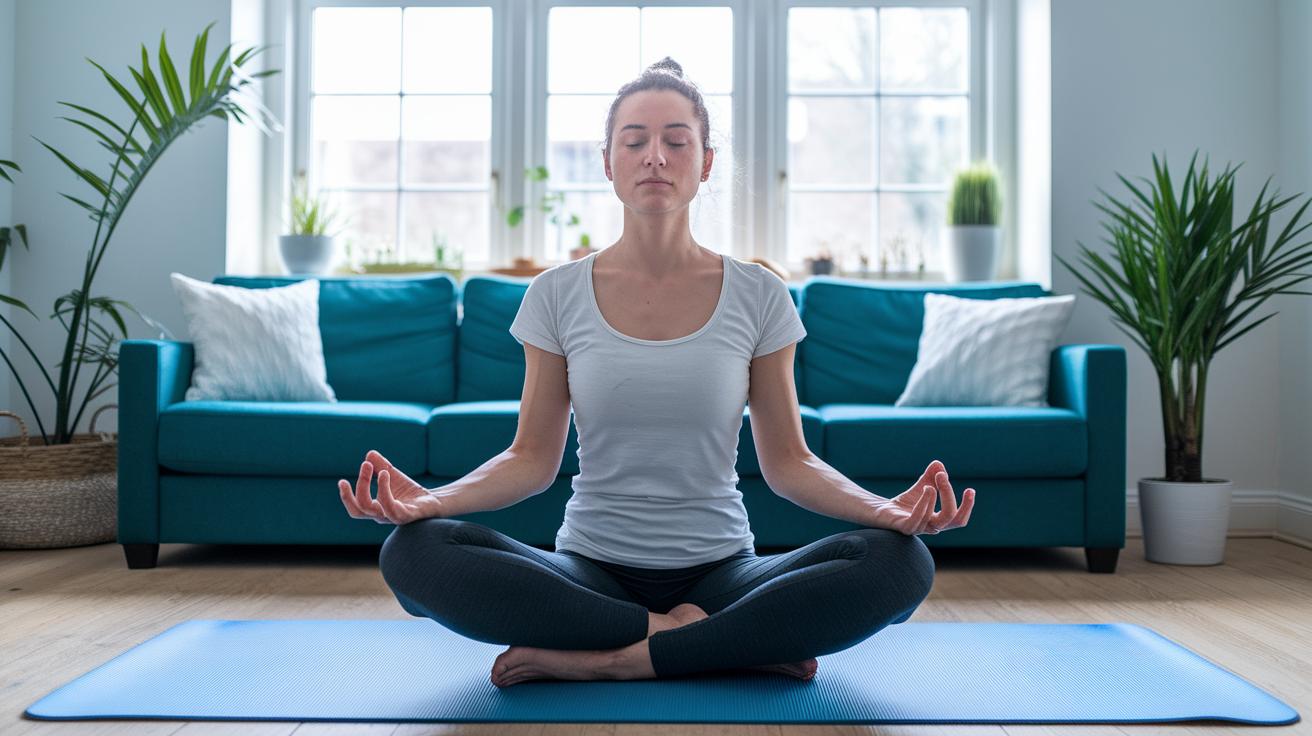
When stress builds up, try simple breathing exercises to help clear your mind and ease anxiety. One friendly method is the 4-7-8 technique. Breathe in slowly for 4 counts, hold for 7 counts, and then gently let your breath out for 8 counts. This little routine helps relax your body and calm your nerves.
Another way to lessen tension is by progressively tensing and then letting go of your muscles. Start with your feet and work upward, feeling the release as each muscle unwinds. It’s like giving your body a gentle reminder to relax.
Ever tried shifting your focus with your senses? The 5-4-3-2-1 checklist does just that. Notice 5 things you see, 4 textures you feel, 3 sounds you hear, 2 scents around you, and 1 lingering taste. This method gently pulls you away from racing thoughts and into the comforting here-and-now.
Here are some easy steps you can do at home:
- Breathe in slowly for 4 counts, hold for 7 counts, and exhale for 8 counts.
- Tense and then relax each muscle group from your feet upward.
- Find 5 objects you see, 4 textures you can feel, 3 sounds around you, 2 smells, and 1 taste.
- Place one hand on your chest and one on your belly to follow your natural breath rhythm.
- Sit quietly for a minute and count each breath to center your thoughts.
These simple, step-by-step practices can quickly bring you back to a state of calm and clarity. Enjoy the journey to feeling better, one breath at a time.
Nutrition and Natural Remedies in Anxiety and Stress Reduction

Good food and simple remedies can really help calm your mind when stress hits. Studies show that eating too many processed foods and sugary treats can make you feel even more wound up. Instead, a plate full of fresh fruits, veggies, whole grains, and lean proteins can help keep your mood steady and support your overall wellness. And yes, cutting back on caffeine might feel like a small change, but it can really help prevent sudden stress flares.
Herbal remedies are another helpful option when you're feeling overwhelmed. Even small studies suggest that natural ingredients like chamomile, lavender, and adaptogens such as ashwagandha can ease your worries and bring a gentle sense of calm. Aromatherapy is a favorite for many; a few drops of essential oils like lavender or bergamot in a diffuser might just lower those stress hormones, giving you a moment of peace when you need it most.
| Approach | Benefits | Recommended Dosage | Safety Notes |
|---|---|---|---|
| Balanced Diet | Helps stabilize mood and energy | N/A (focus on variety) | Adapt meals to personal needs |
| Caffeine Reduction | Minimizes stress spikes | Limit to one cup daily | Watch for withdrawal symptoms |
| Herbal Supplements | May ease anxiety with calming effects | Follow product guidelines | Consult a healthcare provider |
| Aromatherapy | Helps reduce cortisol levels | 2-3 drops in a diffuser | Use diluted oils; avoid direct skin contact |
Cognitive Behavioral Strategies for Anxiety and Stress Reduction
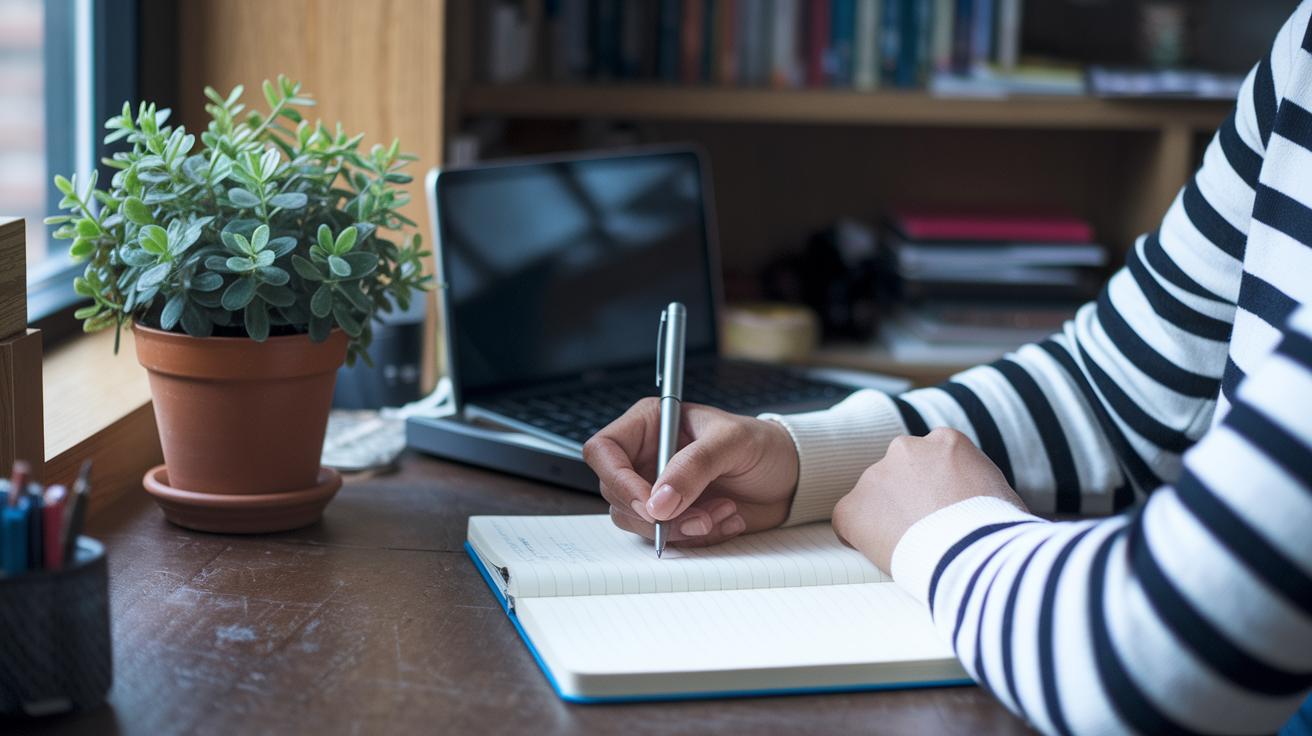
When stress hits, it can be really helpful to pause and write down how you feel. Grab a notebook and jot down your worries. Ask yourself simple questions like, "What proof do I have for feeling this way?" and list out any facts that might soften the intensity of those overwhelming thoughts. This simple habit helps you see things clearly.
Next, try testing your negative thoughts by asking, "Is this really true?" Write down that automatic negative idea and examine it closely. You might find that the reality isn't as harsh as it first appeared. This little exercise builds emotional strength and helps you see a more balanced picture.
Now, mix in a bit of calm with mindfulness. Sit quietly, focus on your breath, and watch your thoughts drift by, like leaves floating on a stream. If you notice strong feelings, quickly note them in a stress awareness log. This helps you catch stress early before it turns into something bigger.
Here are a few easy steps to guide you:
- Write down your worries and then challenge them.
- Look for real evidence that supports or contradicts your thoughts.
- Practice being mindful when tension builds.
Try incorporating these habits into your day. They can really help shift your focus from distress to clarity, leaving you with a more peaceful mind.
Lifestyle Changes for Anxiety and Stress Reduction
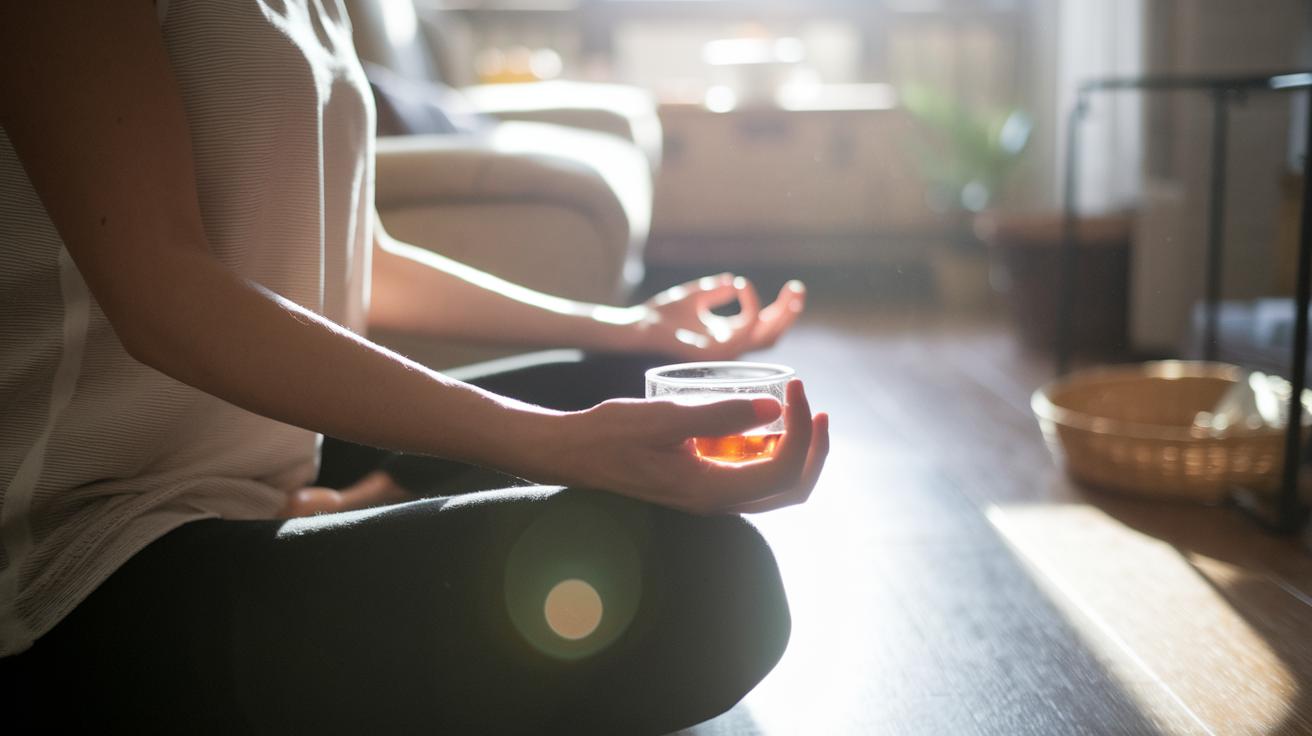
Begin your day with a few calm moments. Imagine sitting quietly with your favorite warm drink, just focusing on your breath like a gentle reset before the day unfolds. Later on, unwind with an evening body-scan meditation. Picture slowly relaxing every part of your body and watching any tension fade away with each calm breath.
Try setting clear work-life boundaries throughout your day. You might block out small breaks on your calendar, say, 15 minutes to stretch, breathe, or enjoy a brief moment of quiet. This way, you can keep your mind fresh and ready for both work and relaxation.
Here are a few ideas to help:
| Tip | How It Helps |
|---|---|
| Mindfulness reminders | Quick micro-breaks to ease tension |
| Post-work decompression | A brisk walk or sharing a laugh can lighten your mood |
| Tension management plan | Regular breaks and self-care keep stress at bay |
These simple lifestyle tweaks can turn a busy schedule into a balanced routine. When you carve out time for moments of mindfulness and clear boundaries, you invite more calm into your day. It’s amazing how even small changes in how you plan and relax can help ease anxiety and reduce everyday stress.
Final Words
In the action, we covered practical ways to ease anxiety and stress reduction. The article touched on mindful breathing, movement, balanced nutrition, and simple cognitive shifts. Each tip is designed to help you manage stress day by day. A healthy mix of exercise, relaxation, and smart food choices can create positive habits that feel natural over time. Keep experimenting with these methods until you find the ones that work best, and enjoy the calm and brightness that follow.
FAQ
How do I relieve stress quickly or at home?
The question on quick stress relief suggests that deep breathing, progressive muscle relaxation, or grounding techniques (like 5-4-3-2-1) can calm your mind and body within minutes.
How can a woman relieve stress effectively?
The question about stress relief for women highlights that practices such as journaling, mindfulness, and setting personal boundaries can help reduce stress and create a calmer daily environment.
What are some practical tips to reduce and cope with stress?
The question on coping with stress shows that combining exercise, mindful breathing, journaling, digital breaks, and dietary adjustments can lower tension and support overall well-being.
What are effective stress management techniques?
The question on stress management techniques indicates that integrating physical activity, mindful relaxation, and structured self-care routines can lessen anxiety and promote balance in daily life.
How can I reduce stress and anxiety naturally?
The question about natural ways to reduce stress and anxiety leads to methods like aerobic exercise, meditation, time in nature, and deep breathing practices, all backed by evidence for calming the nervous system.
What causes stress and anxiety, and how do they differ?
The question on the causes and differences explains that stress stems from external pressures, while anxiety is linked to internal worry; both can trigger similar physical responses such as tension and restlessness.