Have you ever noticed that simple breathing doesn’t always give you that deep calm? If quick relief isn’t enough and you’re after something more, these mindful breathing tips might be just what you need. They help you listen to your body’s quiet signals and create a steady cadence for your thoughts. This way of breathing works on both your body and your spirit, making you feel more balanced and clear. Stick with us to see how these easy practices can lead you to a richer, more peaceful state of mind.
Advanced mindful breathing techniques for deep calm
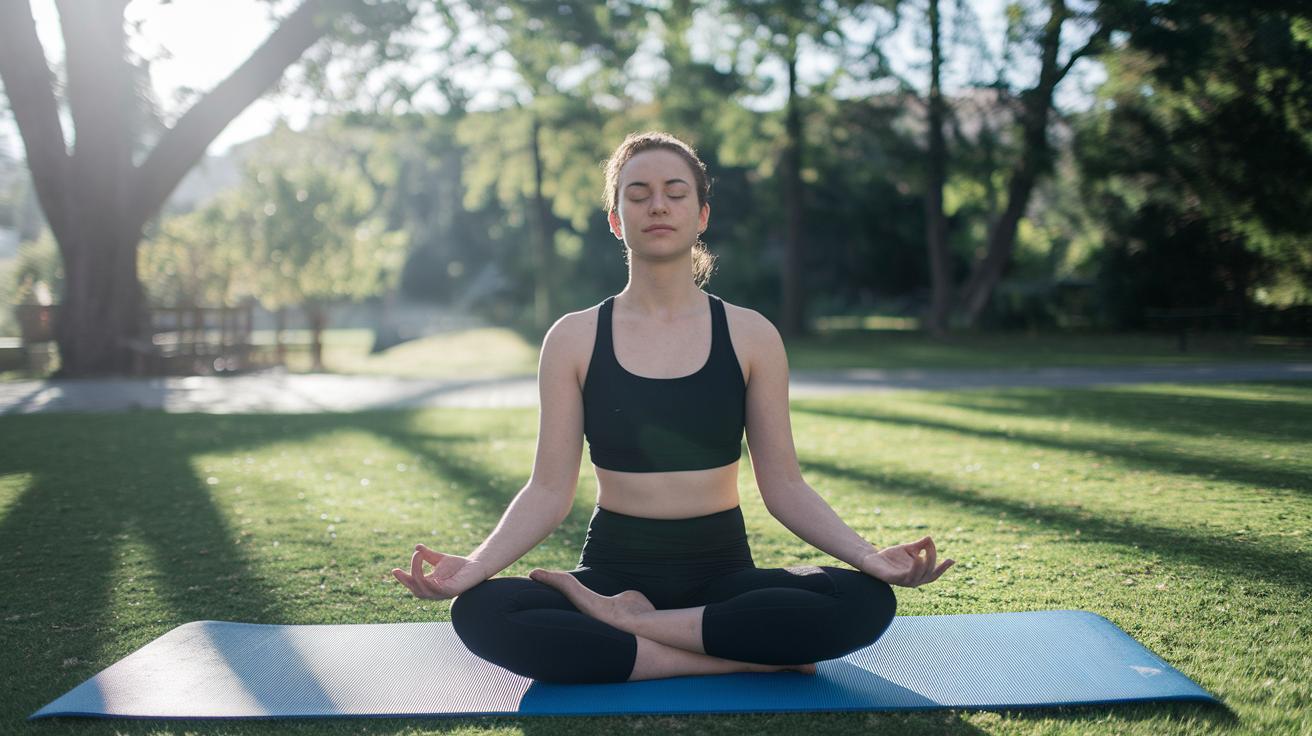
These advanced mindful breathing techniques take your practice to a whole new level. They help you breathe deeply and steadily with special routines for those who already have some experience. This process works on both your body and mind, so you feel truly calm while staying focused. When you work on your breath, you welcome gentle feelings and balance into your day, paving the way for deeper meditation and clearer thoughts.
| Technique | Steps or Ratio | Primary Focus |
|---|---|---|
| Breath Awareness | Tune in to the small sensations around your nostrils and chest | Staying in the moment |
| Three-phase Deep Breathing | Breathe steadily through your belly, chest, and upper lungs in order | Gradual lung expansion |
| Yogic Breathing | Focus on using your diaphragm for a slow, deep breath | Slowing down the breath |
| Alternate Nostril Breathing | Switch your breathing between each nostril | Balancing both sides of your mind |
| Triangle Breathing | Inhale for 4 seconds, hold for 4 seconds, then exhale for 4 seconds | Creating a steady rhythm |
| Square Breathing | Breathe in for 1 second, hold for 1 second, exhale for 1 second, and hold again for 1 second | Keeping the breath even |
| Progression Routine | Move from simple to more advanced breathing patterns | Deepening your meditation practice |
When you use these techniques, you invite your body to join a mindful rhythm of breathing in and out. With regular practice, you'll feel less tension and more calm, even during stressful moments. This calm brings clearer thinking and helps you feel balanced. As you become comfortable with each method, you'll experience a real change in how you connect with your inner peace, keeping you relaxed throughout the day.
Scientific Foundations of Advanced Mindful Breathing Techniques
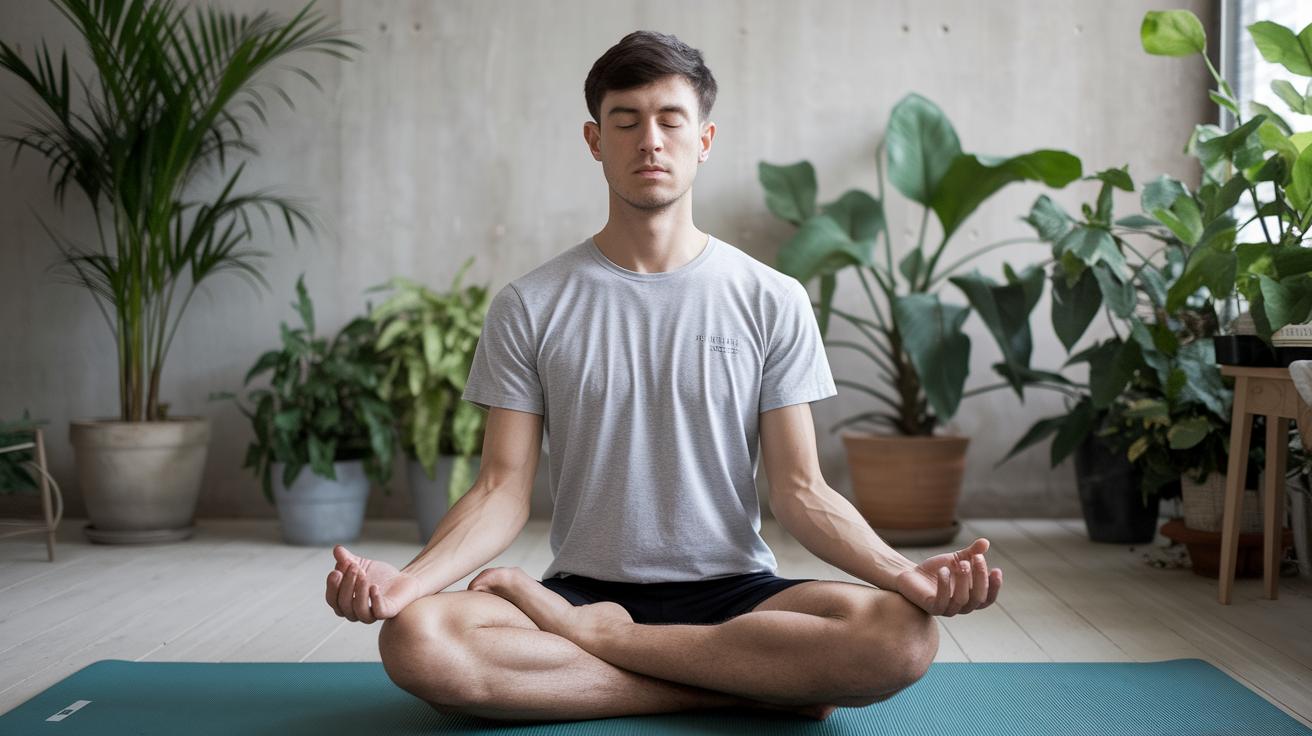
Have you ever noticed how a deep, slow breath can clear your mind? Advanced mindful breathing uses simple, controlled breaths to support your body's basic functions. Research from 2017 and 2019 shows that deep breathing activates the part of your nervous system that helps you relax, which can lower your blood pressure by about 10 mm Hg and reduce your heart rate by 5 to 8 beats per minute if you have high blood pressure.
These techniques work by focusing on the diaphragm, the muscle beneath your lungs, to make each breath more efficient. Over time, this gentle exercise can boost your heart health and help keep your blood flowing steadily. In many health settings, these breathing practices are used as part of a plan to ease symptoms in conditions that benefit from a calm and focused state.
On a mental level, deep breathing also seems to wake up your prefrontal cortex, the area of the brain linked to attention and emotion control. This extra boost can help improve your focus and steady your mood. It’s a simple way to support both your body and your feelings, turning a basic function into a powerful tool for wellness.
Safety and Precautions in Expert Respiration Training
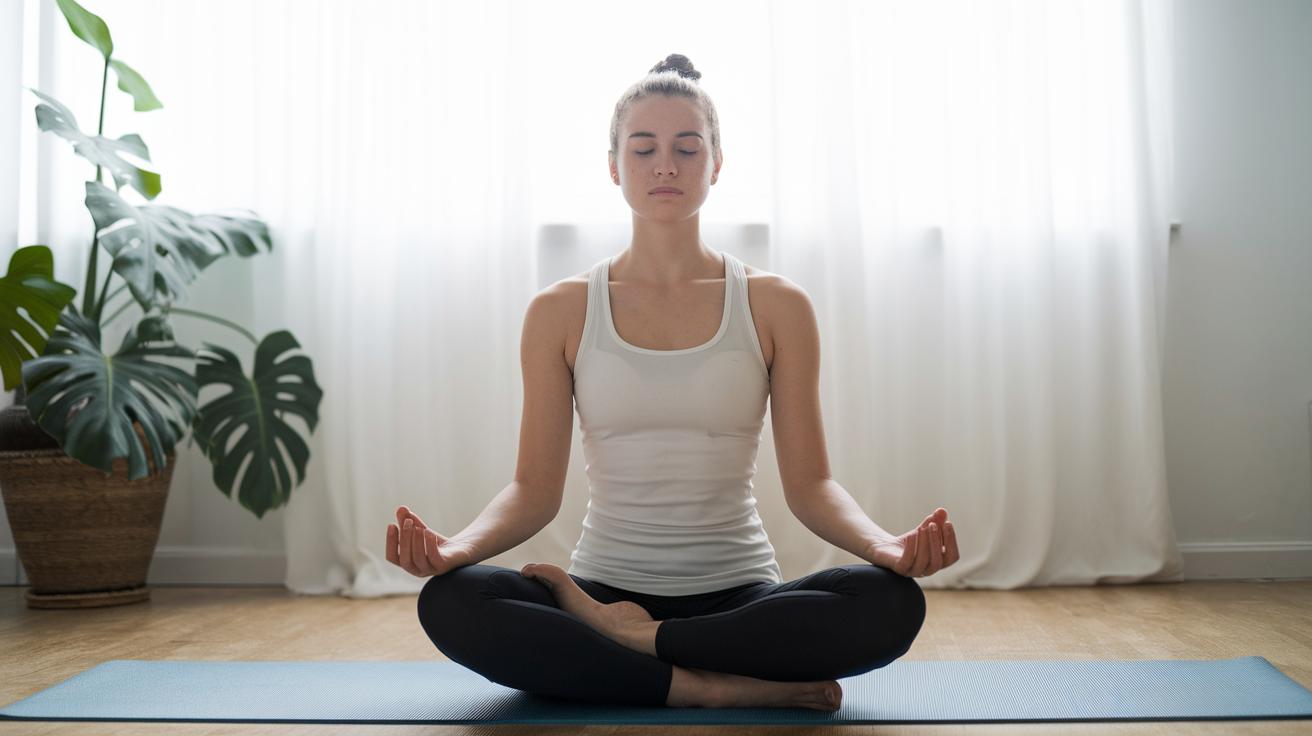
When you practice diaphragm breathing, take it easy and keep your technique safe. Start with a calm, short session so your body can adjust. This way, you protect your breathing and feel more comfortable.
Try to avoid intense breathing exercises within half an hour after eating or when you are feeling sick. Keep your sessions between 5 and 20 minutes. If you start feeling dizzy or notice tingling, slow down or take a break right away.
If you have ongoing heart or lung issues, check in with your doctor about these exercises. Think of these tips as little checkpoints that help make each controlled breath both safe and effective.
A simple trick is to keep a small journal where you jot down how you feel before and after each session. This can help you notice patterns and adjust your routine so that every session feels just right.
Integrating Advanced Mindful Breathing Techniques into Meditation Practice
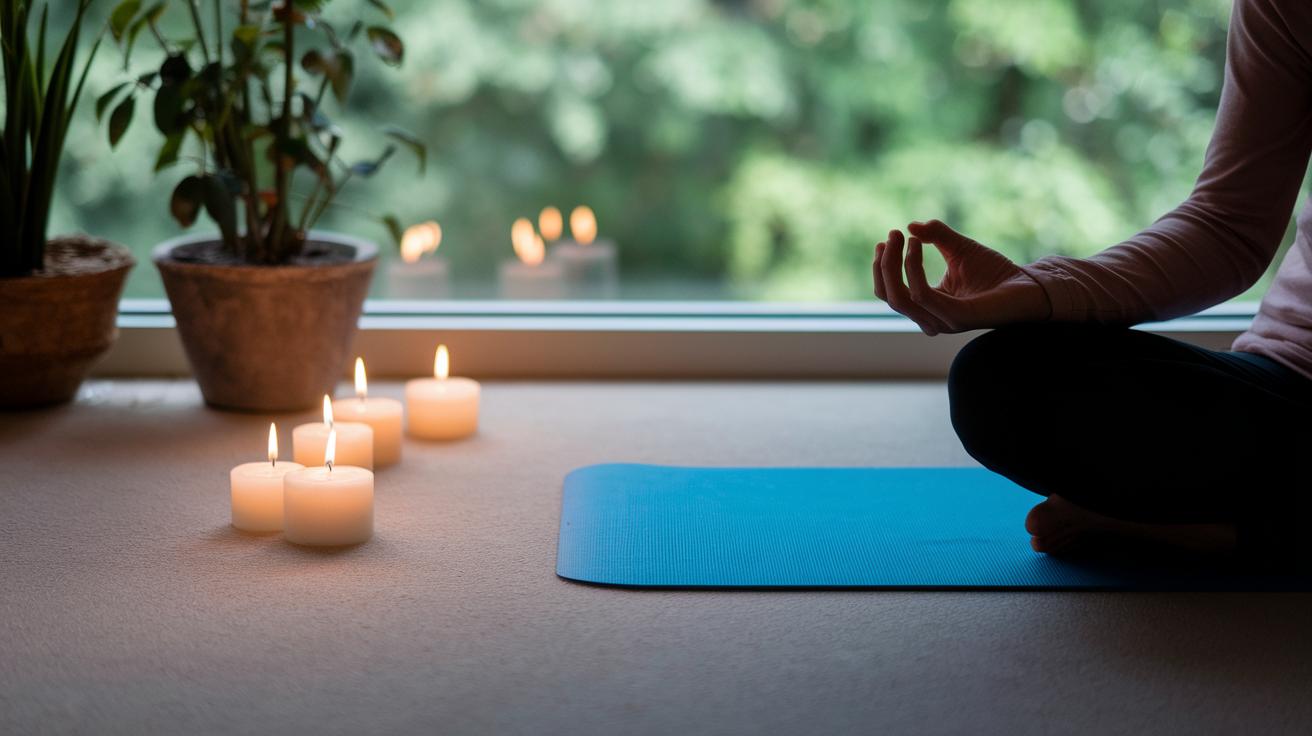
Mixing deliberate breathing with guided meditation can turn your routine into a soothing ritual. When you sync your breath with simple visuals or sounds, relaxing becomes easier, and you feel more connected to your body and emotions.
The SKY Breath method offers a clear step-by-step routine for your meditation. It guides you through several phases of breathing paired with easy-to-follow images. Interactive video demos show you what to do, and free global sessions let you ask questions and get live feedback. These resources gently carry you from ordinary meditation into a more engaging breathing practice that helps reset your body’s rhythm.
Combining mindful breathing cycles with a meditation focused on warmth and kindness can add even more calm to your day. For example, you might mix the breathing steps with a popular loving kindness meditation (https://fitandglossy.com?p=869) to feel more connected and caring. Every breath you take becomes a chance not only to relax but also to nurture a gentle, kind heart.
Tools, Case Studies, and Multimedia for Advanced Mindful Breathing Techniques
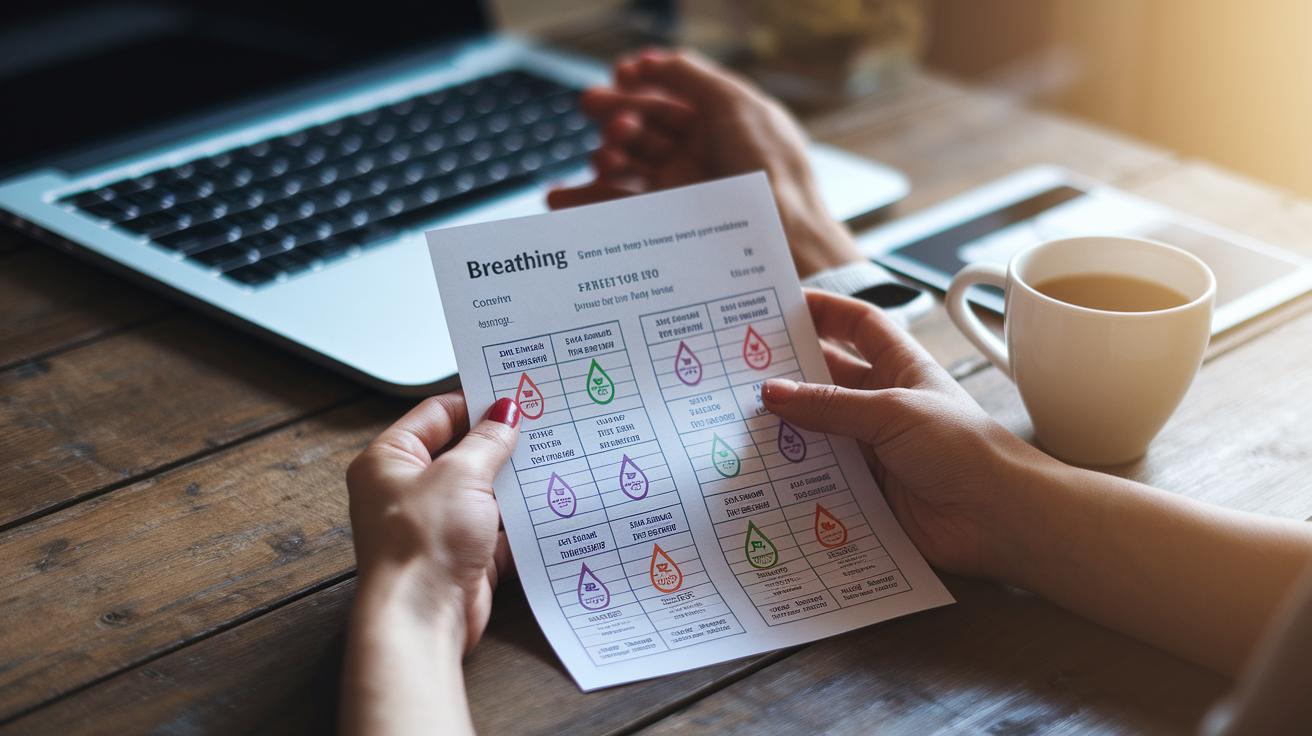
Extra resources and clear results can really boost how you breathe. Many folks like to use downloadable deep-breathing worksheets and a toolkit that offers over 500 science-backed exercises. These guides give you simple, step-by-step instructions that help you improve your breathing at your own pace.
Studies back up these tools too. For example, one report found that after an eight-week breathing program, stress levels dropped by about 30%. This shows that using modern breathing methods can ease tension and help your lungs get stronger. Helpful diagrams and detailed guides show each step clearly, so you can really understand how your body responds to every breath.
Mobile apps that give real-time feedback on your breathing are also great. They track your inhale and exhale timing and even show how your chest moves. This kind of instant feedback helps you see your progress and adjust your practice, making your daily breathing routine more fun and effective.
Final Words
In the action, we explored advanced mindful breathing techniques that help sharpen focus and lower stress. We walked through seven unique methods, explained the scientific effects, and shared ways to add these practices into your daily routine. Safe practices and handy tools were highlighted too. Every tip hopes to make your breathing routine more rewarding and stress-busting. Keep trying these refined techniques and celebrate each small win on your path to better living. Stay positive and breathe easy!