Have you ever felt overwhelmed by stress? Imagine a natural way to help keep your mind calm and your body balanced. There are herbs called adaptogens that might be the answer. You may have heard of Ashwagandha or Holy Basil. They work much like a gentle thermostat that helps your body manage stress by keeping cortisol levels in check.
Today, let’s chat about two adaptogens that could offer natural relief from everyday pressures. They do more than just ease anxiety. They help keep your energy steady, your thoughts clear, and your mood uplifted. Think of these simple herbs as little helpers to make life a bit easier.
Adaptogen Basics: How Adaptogens for Stress Work
Adaptogens are natural herbs and mushrooms that help your body handle everyday stress by working with your stress system. Think of this system as your body's own conductor, making sure everything plays in tune. Fun fact: long before modern supplements existed, traditional healers used these plants to help calm both the mind and body during tough times.
These natural helpers work by keeping your stress hormone, cortisol, at just the right level. They guide your body’s response so that stress doesn't build up, kind of like a thermostat that makes sure things don’t get too hot or too cold. This gentle balancing act helps protect your body from the wear and tear of everyday pressure.
The benefits of adaptogens reach far beyond just managing stress. They support both your physical and mental strength, whether you're powering through a busy day at work or a challenging workout. They help keep your energy steady, clear your mind, and even promote better sleep and mood stability. In short, adaptogens offer a natural way to stay calm and balanced in the hectic pace of modern life.
Top Adaptogens for Stress Relief: Herb Profiles and Dosages
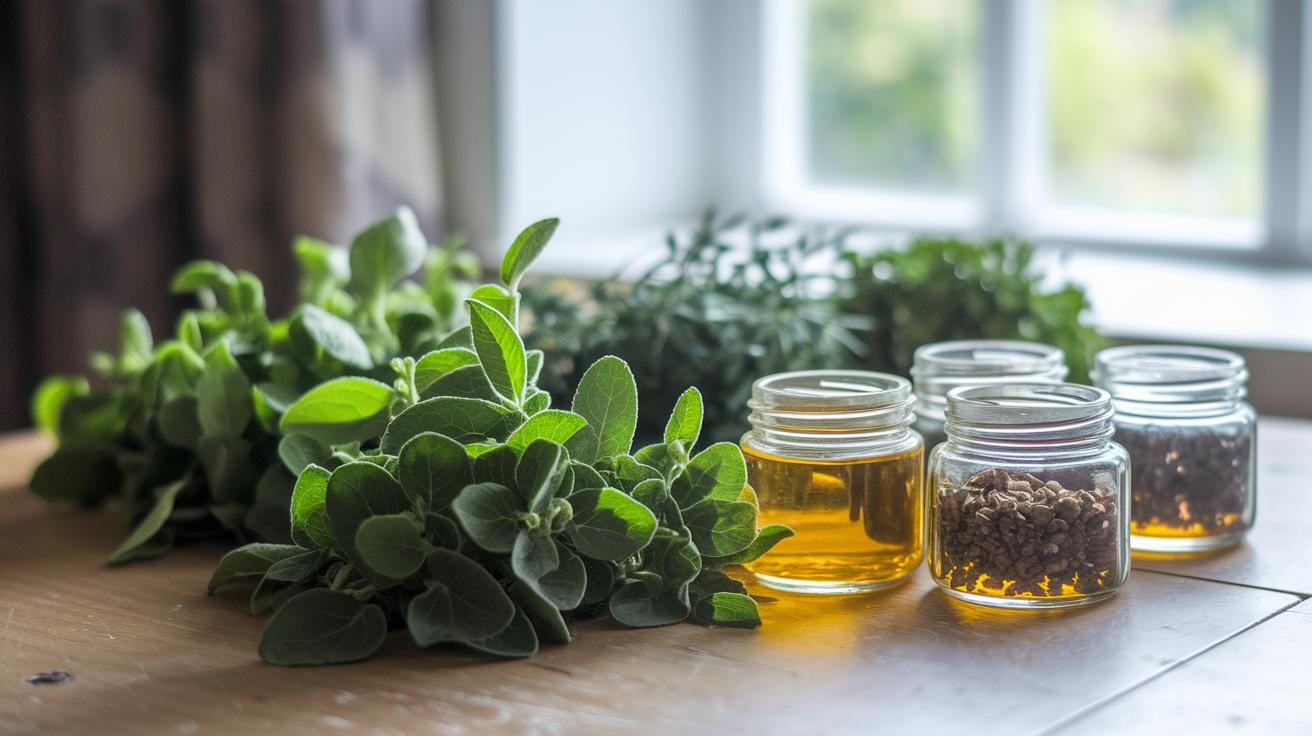
When you’re picking herbs to help manage stress, it’s good to consider both age-old traditions and modern science. These natural plants have a reputation for balancing stress hormones, easing anxiety, and even giving you a gentle boost of energy. Imagine them as friendly helpers working to support your immune system and clear your mind.
Below is a simple guide showing common dosages found in quality herbal products. For example, Ashwagandha is often used to help balance your body’s cortisol, and Holy Basil is known for smoothing out mood swings and keeping your heart in check. Think of it as your starting point to see which botanical friend might work best for you.
Keep in mind that everyone is unique, so the right dose might vary. Feel free to experiment a bit until you find what feels just right for your body.
| Herb | Typical Dose | Primary Benefit |
|---|---|---|
| Ashwagandha (Withania somnifera) | 300–600 mg/day extract | Cortisol regulation, anxiety reduction |
| Rhodiola rosea | 200–400 mg/day (standardized to 3% rosavins) | Fatigue reduction, improved performance |
| Holy Basil (Tulsi) | 500–1,000 mg/day | Mood support, blood sugar balance |
| Schisandra chinensis | 500–1,500 mg/day | Liver health, neurotransmitter regulation |
| Panax Ginseng | 200–400 mg/day extract | Energy boost, immune support |
| Reishi Mushroom | 1–2 g/day extract | Immune resilience, calming effects |
Adaptogen Dosage Guidelines: Timing and Usage Tips
When you try adaptogens, start with a small dose and slowly work your way up until you find what feels right. Most herbal supplements have some extra safety built in, so a slightly higher dose is usually okay. Still, it's best to stick with trusted guidelines and check with a health expert if you're worried about mixing them with other medicines.
- Ashwagandha: 300–600 mg per day of a standardized extract
- Rhodiola rosea: 200–400 mg per day (standardized to 3% rosavins)
- Holy Basil: 500–1,000 mg per day
- Schisandra: 500–1,500 mg per day
- Reishi: 1.5–9 g per day in dried form or 1–2 g per day as an extract
- Mind Lab Pro® nootropic stack:
Ingredient Amount per Serving Rhodiola 50 mg Bacopa 150 mg Lion’s Mane 500 mg Citicoline 250 mg Phosphatidylserine 100 mg B6 2.5 mg B9 100 mcg B12 7.5 mcg
It may help to take your adaptogens with meals or at times when your stress is lower. Eating food with them can make it easier for your body to absorb the benefits. Try aligning your doses with your natural low-energy moments, like a mid-morning or mid-afternoon boost, to help keep your body balanced and your focus steady.
Scientific Evidence: Clinical Research on Stress-Relief Adaptogens
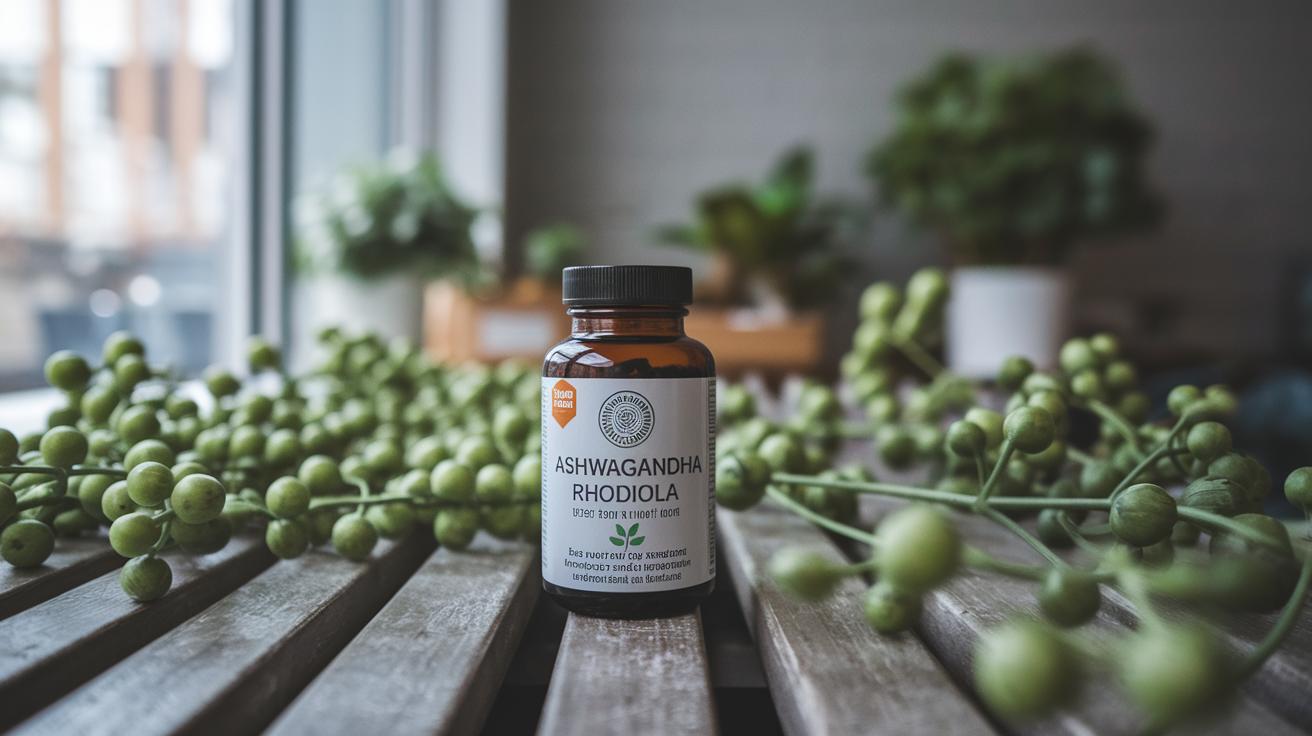
Have you ever felt nature gently take the edge off your stress? Research into herbal extracts has grown a lot lately, and scientists are finding that these plant helpers can support your fight against stress. This work shows that adaptogens are more than just traditional remedies. They can lower cortisol (the hormone linked to stress) and help your body cope better when things get tough.
Take Ashwagandha, for example. Studies suggest that it can lower stress scores and cut down cortisol, making it a trusty option for managing stress. In one study, people using a set dose of Ashwagandha felt better in mood and had more energy in just a few weeks. And then there’s Rhodiola rosea. Research on this herb shows it can ease both mental and physical tiredness. Data even indicates that it helps boost endurance and clear thinking during hard times. This mix of benefits helps the body manage stress more evenly.
Schisandra chinensis is another herb that shows promise. Clinical trials reveal that taking Schisandra regularly can help keep hormone levels steady during stressful periods, and even support better liver function and mental clarity. Similarly, studies on Panax Ginseng back up its role in supporting the immune system and balancing hormones. In fact, blends that include these ingredients have been shown to improve brain function and help the body adapt to stress better.
All these studies give us strong evidence that adaptogenic herbs and their carefully crafted blends lay a solid foundation for natural stress management.
Adaptogen Safety: Potential Side Effects and Precautions
Adaptogens are usually safe and well accepted by most people. Sometimes, you might notice a tiny upset stomach, a little trouble sleeping, or even a mild headache. These effects often go away quickly, especially once your body gets used to the herb or if you lower your dose. Think of it like starting a gentle workout; begin slowly and let your body adjust.
Some herbs can mix with certain medications or health issues. For example, Ashwagandha might not work well with thyroid medicines, and some forms of Ginseng could make blood pressure go up if you're sensitive. Also, herbal blends that combine several adaptogens call for extra care since they might interact with blood-thinners or drugs that affect the immune system. Always check these details to avoid mixing things that might counteract your well-being.
If you're pregnant, nursing, or have ongoing health concerns, it's a good idea to talk with your healthcare provider before starting any new supplement. This way, you can be sure these natural aids will work safely with your overall care.
Quality Adaptogen Products: Reviews and Sourcing Tips
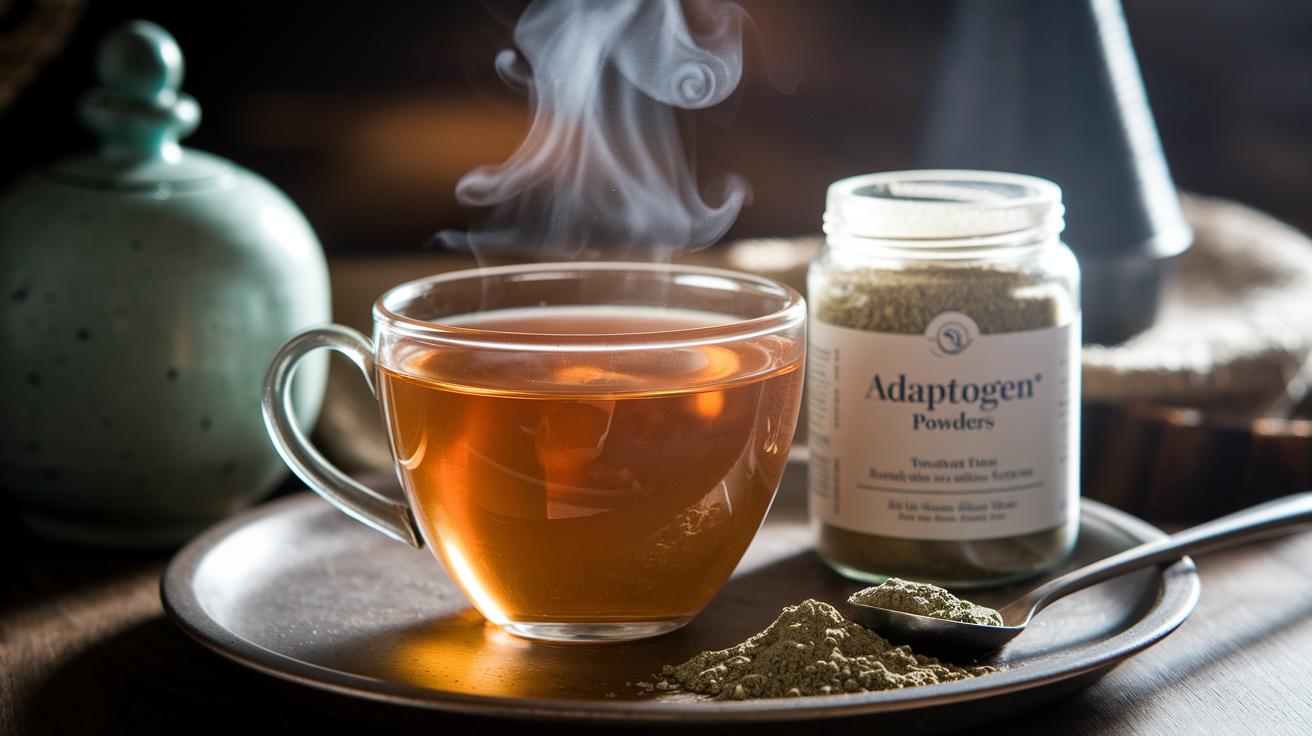
When you shop for adaptogens, start by reading the label closely. Look for details like standardized extracts and clear ingredient lists. Often, you’ll see notes on specific potencies, say, 5% withanolides for Ashwagandha, and a breakdown of active compounds. A label that explains the exact extract ratios and how much to take gives you a sense of security about what you’re consuming. Plus, spotting certification marks or notes about batch tests for heavy metals and pesticides can really boost your confidence in the product's quality.
Reputable brands tend to share extra details like third-party testing results or quality seals right on their packaging. This kind of transparency helps you feel sure that the herbal ingredients are pure and grown under strict quality checks. It tells you that the adaptogens were handled with care, from the very start of growing them to their final packaging. Reading these details not only ensures safety but also helps you compare products to find one that fits your own health needs.
Don’t forget to consider how the herbs are sourced. It’s best to choose brands that use organically grown herbs and eco-friendly methods. For instance, a trusted nootropic blend might show clear dosing details alongside its commitment to organic practices and thorough batch tests. Picking products that are both responsibly sourced and carefully tested can make you feel good about supporting companies that care about both your health and the planet.
Daily Adaptogen Rituals: Infusions, Recipes, and Lifestyle
Adaptogens aren’t simply pills or powders. They mix beautifully into your daily drinks and meals, turning an ordinary beverage into a soothing moment. Imagine enjoying a warm, herbal tea that feels like a gentle hug after a long, busy day. This simple twist lets you explore adaptogens in tasty, fun ways.
-
Morning Smoothie Recipe
- Start with one cup of almond milk in your blender.
- Toss in one banana, half a teaspoon of Ashwagandha powder (a herb that helps balance stress), and half a teaspoon of Lion’s Mane powder (a mushroom known for supporting brain function).
- Blend everything until it’s smooth.
- Sip and enjoy the burst of energy as you begin your day.
-
Evening Tulsi-Reishi Infusion Recipe
- Boil one cup of water.
- Add a handful of Tulsi leaves (an herb prized for its calming benefits) and a pinch of Reishi mushroom powder (which may support a sense of calm).
- Mix in a dash of cinnamon and a teaspoon of honey for extra warmth and flavor.
- Let the mixture steep for about eight minutes. Then, strain it and enjoy slowly.
Pair these delightful drinks with a few minutes of deep, mindful breathing. This simple habit can boost the soothing benefits, helping you feel both relaxed and centered.
Final Words
In the action, the piece explored how adaptogens help manage stress by balancing hormones and supporting both the body and mind. It highlighted key herbs like Ashwagandha and Rhodiola, provided clear dosing tips, and reviewed quality product standards. Each section shared insights on safety, clinical benefits, and even simple, tasty ways to incorporate these botanicals into daily routines.
Remember, using an adaptogen for stress can add a natural boost to your overall well-being. Enjoy feeling more balanced every day!
FAQ
What are adaptogens and what are their benefits?
The adaptogens listed improve stress response by working with your body’s natural systems. They support balanced cortisol levels and overall resilience, making them a helpful natural option for stress relief and well-being.
Which adaptogen supplements are considered effective for stress management?
The best adaptogen supplements for stress often include ashwagandha, Rhodiola rosea, and Holy Basil. They work by balancing stress hormones and promoting a calm state, though individual results may vary.
How do adaptogens support anxiety and depression?
The adaptogens for anxiety and depression help moderate your stress hormones, which can ease nervous tension and improve mood. Their natural properties support a more balanced approach to handling emotional ups and downs.
Do adaptogens offer benefits for weight loss?
The adaptogens for weight loss may play a role indirectly by reducing stress-related cravings and promoting balanced metabolism. They aren’t a quick fix, but they can support a healthy lifestyle when combined with good nutrition and exercise.
Can adaptogen drops be used as an alternative supplement format?
The adaptogen drops deliver a liquid format that absorbs quickly, making it an attractive option for those seeking a flexible dosing method to help manage daily stress and support overall balance.
Do stress adaptogens really work?
The stress adaptogen work by regulating the body’s cortisol production through the HPA axis, with research showing they may reduce stress levels over time. This natural method can help you feel more composed every day.
What side effects might occur from adaptogens?
The adaptogens side effects are typically mild, including minor digestive upset, slight headaches, or occasional trouble sleeping. Users should monitor for reactions, especially if taking other medications or having health concerns.