Have you ever felt like stress just stops your energy from flowing? Acupuncture might help. It uses very small, clean needles at specific spots on your body to ease tension and bring back a sense of calm. This gentle method has been trusted for many years to help ease anxious feelings and relax your entire body.
In this article, we'll chat about how acupuncture works to lower stress and help you feel balanced and peaceful again. Imagine feeling that lightness and calm sweep over you, like a cool, refreshing breeze on a warm day.
Acupuncture for Stress Relief Radiates Calm
Acupuncture works by carefully placing tiny, clean needles on special points of your body. This helps unblock Qi, which is your life energy, and brings your body back into balance. In Traditional Chinese Medicine, Qi flows through pathways called meridians. Sometimes these channels get blocked, much like a river held back by debris, which can build up stress and tension. By clearing these blockages, acupuncture lets your energy flow freely and helps ease your stress.
The process may seem simple but feels really meaningful. Many people notice a slight tingle when the needles are placed, and before long, a warm calm settles in. Did you know that acupuncture for anxiety relief has been used for over 2,000 years? It’s a tried and true way to reduce stress, blending ancient wisdom with what modern research tells us about our bodies.
This gentle approach doesn’t just tackle physical signs of stress like a racing heart or tight muscles, it also quiets a busy mind. By lowering blood pressure and easing muscle tension, acupuncture addresses the root causes of stress and helps restore your overall well-being.
The Mechanism Behind Acupuncture for Stress Relief
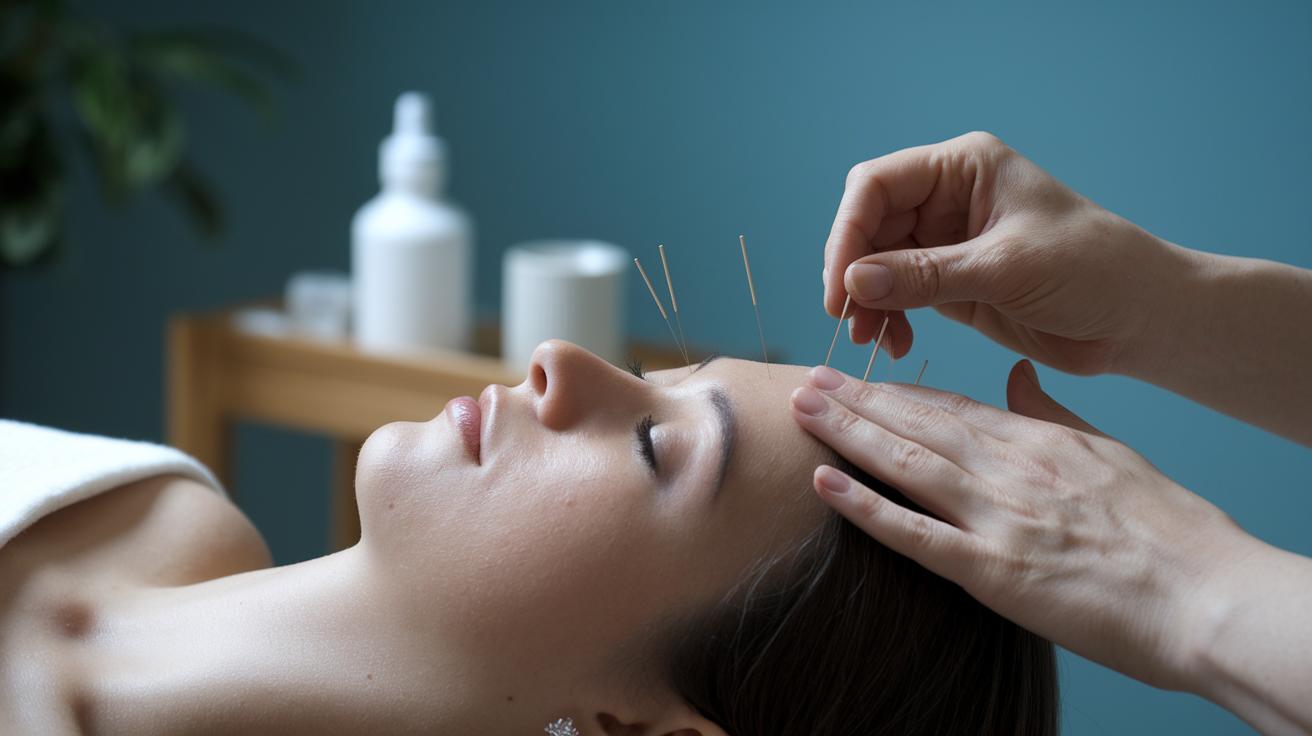
Acupuncture helps you feel calmer in more ways than one. When small, clean needles go into specific spots on your body, they spark the release of natural chemicals like endorphins. These feel-good chemicals help loosen tight muscles and ease anxiety. Think of it like a gentle nudge that boosts your blood flow, which in turn eases stiffness and creates a sense of calm.
Studies show that when these tiny needles work their magic, they light up parts of your brain that manage emotions. This means acupuncture doesn't just relax your body, it also helps your mind handle stress better. After a few sessions, many people notice that even their stress hormone levels drop, giving them a newfound sense of balance.
Some special techniques can enhance these benefits even more. For instance, electroacupuncture uses a light electric current between the needles to ramp up that natural release of endorphins. There’s also moxibustion, where a small amount of burning mugwort warms the skin to help your energy flow smoothly for deeper relief.
Here's what happens in simple terms:
- Needle insertion kicks off your body's natural relaxants.
- Blood circulation picks up, easing muscle tension.
- Brain scans reveal improved control over emotions.
Together, these effects make acupuncture a strong ally in easing stress. It works hand in hand on both your body and mind, helping you feel more relaxed and balanced day by day.
Stress Relief Acupuncture Points: Targeting Key Acupoints
Acupuncture offers a simple and natural way to melt away stress by gently tapping into specific points on your body. It’s like giving your busy mind a moment to take a breath and your muscles a chance to relax.
Think of Yintang, the spot tucked between your eyebrows. When you focus on Yintang, it helps slow down wild thoughts and eases anxiety, almost like pressing a little reset button. Imagine closing your eyes and feeling a soft wave of calm wash over you.
Then there’s Shenmen, found on the ear and often known as the Spirit Gate. This spot works wonders by lowering your heart rate and inviting a deep sense of peace. Many folks feel a renewed sense of balance after a little nudge on Shenmen, like taking a well-deserved break in the middle of a busy day.
Lastly, Hegu sits on your hand and is famous for helping ease headaches and release muscle tension. Stimulating Hegu can feel as refreshing as a gentle touch that washes away the heaviness of stress.
| Acupoint | Benefit |
|---|---|
| Yintang (between eyebrows) | Slows racing thoughts and eases anxiety |
| Shenmen (ear point) | Lowers heart rate and promotes deep peace |
| Hegu (hand point) | Relieves headaches and eases muscle tension |
What to Expect in an Acupuncture for Stress Relief Session
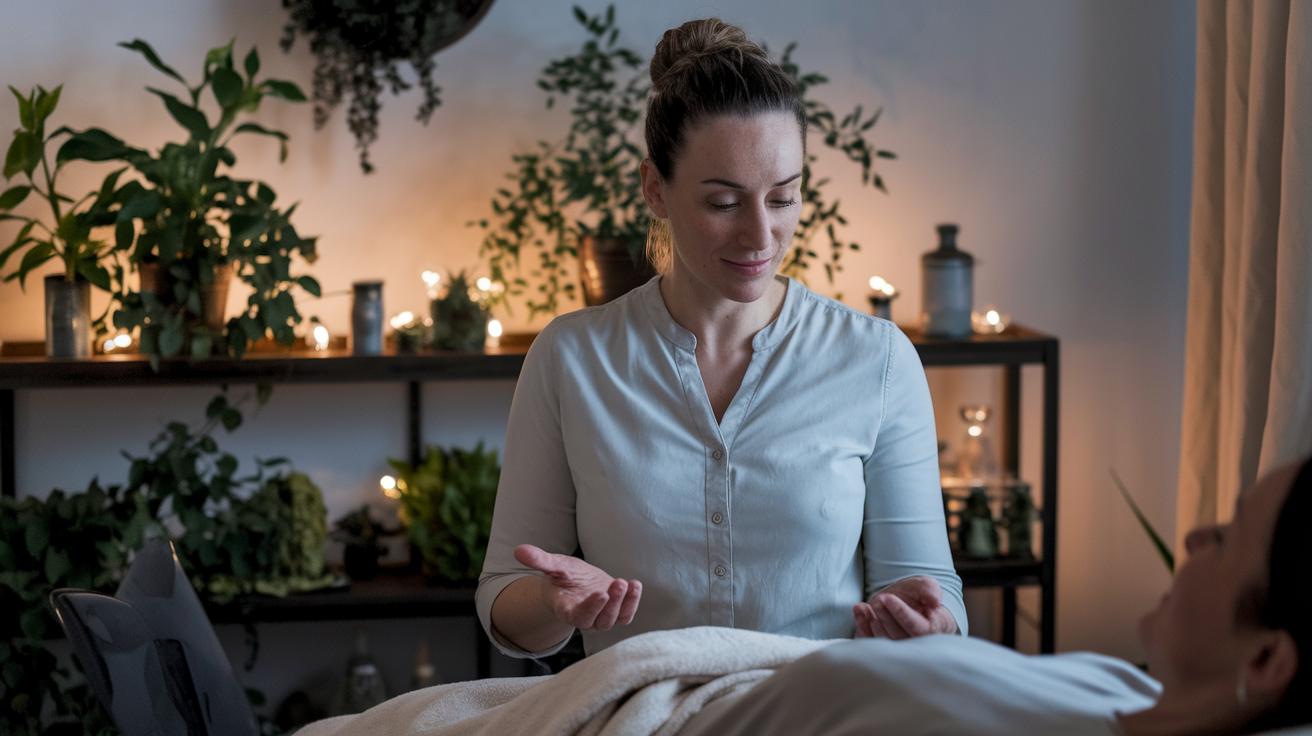
When you arrive for your first session, it feels just like having a warm chat about your well-being. The practitioner takes time to ask about your stress and health history, making sure they understand what you’re experiencing. It’s similar to sitting down with a caring friend over a cup of tea, where every detail matters.
Most sessions last about 30 to 45 minutes and are usually scheduled once a week at the start. As the practitioner gently places the needles, many people mention a soft tingle, followed by a wave of calm that lets your body unwind. Imagine that gentle signal saying, “It’s okay to let go,” helping you release built-up tension.
After a few sessions, you might notice changes in your treatment routine. Some people move to appointments every other week or even once a month as they feel better. In addition, the clinic might add other therapies like cupping, herbal suggestions, or massage to support your journey toward stress relief.
Here’s what you can typically expect:
| Step | What Happens |
|---|---|
| Your Story | You share details about your stress and symptoms. |
| Starting Plan | You begin with weekly sessions. |
| Sensation | You feel a gentle tingle when the needle is inserted. |
| Adjustments | Session frequency may change as you improve. |
Throughout the process, your practitioner explains every step and answers your questions so you always feel comfortable and informed. This friendly and open approach sets the perfect stage for managing stress and embracing a healthier, happier you.
Evidence-Based Benefits of Acupuncture for Stress Relief
Research shows that acupuncture can help both your body and mind. For instance, a 2017 study in the Journal of Acupuncture and Meridian Studies found that university students and staff felt a big drop in stress after a few acupuncture sessions. This finding has boosted confidence in acupuncture as a helpful tool for mental well-being.
Some studies even looked at stress hormones. Regular acupuncture seems to lower cortisol (a hormone often linked to stress), which can lead to better sleep and a calmer mood. In brain scans, acupuncture lights up areas that help manage emotions, showing that it eases physical tension and supports mental clarity.
Other reviews have compared real acupuncture with fake treatments and found that people who got genuine treatments enjoyed more stable moods and improved sleep. In truth, acupuncture may be a strong ally for anyone battling long-term stress or anxiety.
Health experts recognize these positive results. If you're curious to learn more, check out this health services research link: health services research.
In short, acupuncture blends ancient techniques with modern science. It helps reduce stress hormones, eases physical tension, and activates brain areas critical for keeping our emotions balanced. This research shows that acupuncture isn’t just a quick fix, it can be a practical way to manage everyday stress and help you feel more balanced.
Choosing a Qualified Acupuncturist for Stress Relief

When it comes to easing stress, choosing a licensed acupuncturist can make all the difference. Many clinics boast ratings of 4.9 stars from over 570 reviews, showing that countless patients have experienced real relief. You might find these clinics in spots like Asoke, Thonglor, or even near the Four Seasons Hotel in Bangkok. Some even offer home visits, making it super easy to fit sessions into your busy life.
Before starting your treatment, expect a thorough health check that guides a safe and personalized plan just for you. Often, your session will mix acupuncture with other natural methods like massage, cupping, or herbal remedies. Besides that, clear payment options and insurance details can boost your confidence in choosing the right practitioner.
Tips for choosing a practitioner:
- Make sure they have state certification and accept insurance.
- Check patient reviews; look for ratings of 4.8 or higher with detailed feedback.
- Confirm that they have solid experience with strategies for stress relief.
- Ask about how they begin the evaluation and tailor treatments for your needs.
Frequently Asked Questions about Acupuncture for Stress Relief
- How many sessions are needed before I start feeling less stressed?
- Does acupuncture for stress relief cause any discomfort?
- What is the average cost per session?
- Are there any risks or side effects?
Final Words
In the action, this article walked you through how acupuncture for stress relief works to calm the mind and body. We touched on key acupoints like Yintang, Shenmen, and Hegu, and explained what happens during sessions. You saw the science behind reducing cortisol and how natural techniques ease tension. We also offered tips on choosing a trusted specialist. It's all about finding balance and feeling better every day. Enjoy the path to a calmer, healthier you.
FAQ
How can I find acupuncture for stress relief near me?
Finding acupuncture for stress relief near you involves searching local listings, online reviews, and community recommendations. People often share their experiences with licensed practitioners in nearby clinics.
What do Reddit discussions reveal about acupuncture for stress relief?
Reddit discussions reveal that users generally report positive experiences with acupuncture. Many share that regular treatments help reduce stress, promote relaxation, and improve overall mental clarity.
How does acupuncture help with stress and anxiety?
Acupuncture helps manage stress and anxiety by stimulating acupoints to unblock energy flow. This process boosts endorphin release, improves blood circulation, and encourages a calm, balanced state.
Which acupuncture points relieve stress and where are they located?
Key acupuncture points like Yintang (between eyebrows), Shenmen (ear), and Hegu (hand) are selected to ease stress. These points help calm the mind, lower heart rate, and reduce muscle tension.
How often should I receive acupuncture for anxiety relief?
The typical recommendation is weekly sessions initially, with treatment frequency adjusted based on your improvement. Regular sessions work to steadily reduce anxiety and promote a relaxed state.
Can acupuncture effectively relieve stress and depression?
Acupuncture can effectively ease stress and support mood improvements by lowering cortisol and triggering endorphin release. Many patients experience better sleep and a lift in overall emotional well-being.
How does acupuncture help release stress from the body?
Acupuncture releases stress by stimulating nerve pathways and encouraging endorphin production, which improves circulation and gently reduces physical and mental tension.
Does acupuncture for stress relief cause discomfort?
Most patients experience very mild sensations during acupuncture, often feeling a gentle tingling. If any discomfort occurs, practitioners can adjust their technique to keep you comfortable.
What is the average cost per acupuncture session for stress relief?
The cost per session varies based on location and the clinic’s rates. While some treatments may be moderately priced, many clinics offer packages or discounts to help manage expenses.
Are there any risks or side effects with acupuncture for stress relief?
When performed by a licensed professional, acupuncture is safe. A few may experience temporary soreness or minor bruising, with serious side effects being extremely rare.