Ever wonder if taking a short break could help melt your stress away? Studies show that even a few seconds of mindful breathing can ease tension and lift your spirits. In our busy lives, every bit of calm matters, and the simple tips we share work wherever you are.
This post walks you through easy steps, like slow breathing and a brisk walk, to help clear your mind and smooth out your mood. Why not give these techniques a try and see how a little pause can bring you instant relief?
Quick Stress Relief Activities for Immediate Calm
Stress can sneak up on anyone. In fact, studies show that in the UK, stress, depression, and anxiety cost 17 million working days in one year! Simple activities you can do at home can swiftly ease your tension and clear your busy mind. Taking just a short break might be the gentle nudge you need to smooth out your day.
- Breath Awareness – Spend one minute focusing only on your breathing. Count each inhale and exhale slowly as you allow your mind to reset.
- Anchor Breathing – Inhale for 4 counts and exhale for 6 counts. This steady rhythm helps ground your thoughts and brings back a peaceful feeling.
- Five Senses Exercise – Look around and notice 5 things you see, listen for 4 sounds, feel 3 textures, catch 2 scents, and savor 1 taste. This quick check-up with your senses brings you right back to the present moment.
These activities are simple and can be done anywhere at home. They help stop any stress from building up, letting you regain clarity fast. Give one of these techniques a try next time you feel overwhelmed, and let a moment of focused breathing or sensory check lift your mood.
Physical Stress-Busting Exercises for Mood Enhancement
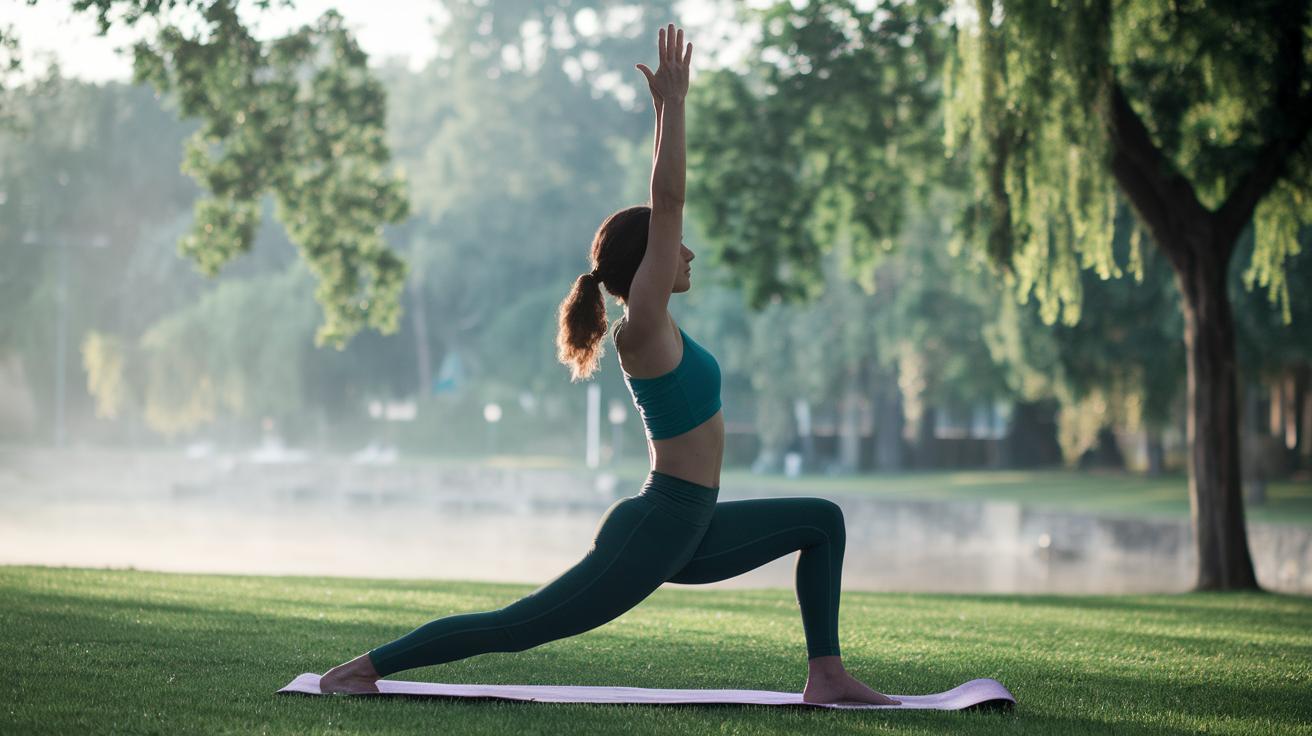
When you move your body, you not only get your blood pumping but also help lower stress chemicals and boost happy endorphins. A few minutes of mindful movement can melt away tension and clear your thoughts, giving you more energy and focus for the day ahead.
- Yoga Flow Sequence: Try a five-minute series of sun salutations. It gently stretches your muscles and helps you breathe slowly and deeply.
- Dynamic Stretching Routine: Do full-body stretches by repeating each move 10 times. This helps you move better and loosens up tight spots.
- Brisk Outdoor Walk: Take a 15- to 20-minute walk at a steady, comfortable pace. This simple activity naturally lifts your mood.
- Light Jog or Cycling: Spend 10 minutes jogging or cycling at a pace where you can easily chat. It’s a great way to ease built-up stress with light cardio.
Regularly doing these activities can really boost your mood. It may take a little time, but by practicing them often, your body can get better at handling stress. If you’re new to exercise or feel unsure because of health reasons, start slowly. Even short daily walks or a few minutes of stretching can do wonders. Listen to what your body needs, adjust the activity as you feel comfortable, and mix things up to find what feels best for you.
Mindfulness Meditation Practices for Stress Relief
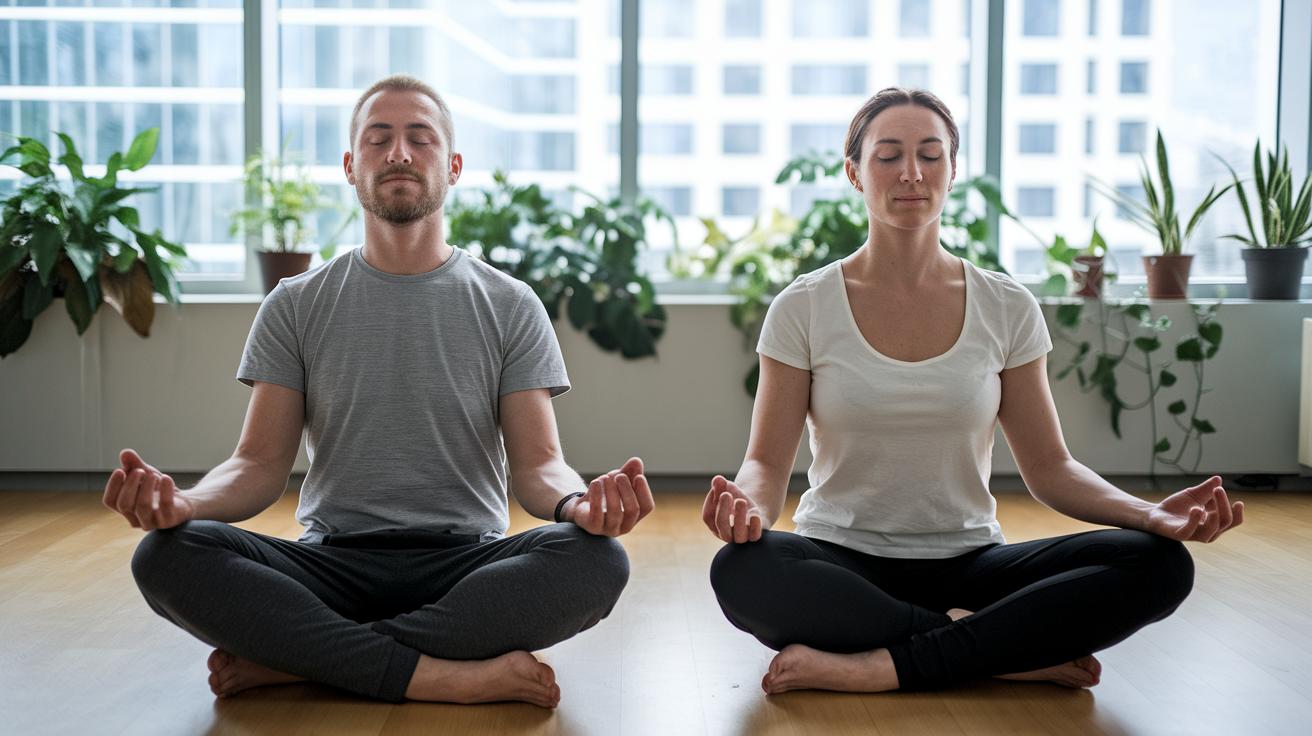
Taking just a few minutes to do a simple guided meditation can help you hit the reset button and ease your stress. It lets you notice your feelings and gently let go of built-up tension. This practice is easy to start and can quickly become a daily part of looking after yourself.
Urge Surfing
Try spending about 5 minutes just watching your stress build up like ocean waves without jumping in. Think of it like being a surfer who rides each wave without fighting it. Focus on your breathing and let the feelings come and go. The idea is to simply observe each emotion as it passes by, without getting stuck in it.
Meditation on the Soles of the Feet
Sit quietly for around 7 minutes and pay attention to how your feet feel. Slowly shift your focus from one part of your foot to another. Notice things like a cool breeze, the firm contact with the floor, or a little tingling sensation. This simple exercise helps bring your mind into the moment by grounding you in the physical sensations of your feet.
Leaves on a Stream
Picture a calm stream and imagine that the thoughts bothering you are leaves floating on the water. Spend 5 to 10 minutes watching each leaf gently drift downstream. As you picture the leaves moving away, you create a calm space in your mind that lets you feel more at ease.
Making these meditation practices a regular habit helps you gain awareness and control over your stress. You might want to jot down your thoughts in a journal or simply take a moment to appreciate the quiet. Even a few mindful minutes each day can make a big difference in how you handle your feelings.
Creative Art and Hobby Outlets for Stress Relief
Creative expression is a powerful way to shift your focus from everyday worries and clear out mental clutter. When you dive into art, you let your senses take over, swapping anxious thoughts for bursts of creativity. It can feel like taking a deep, refreshing breath when everything feels heavy. Trying something new in art reminds you that stress can slip away as your mind explores different, calming avenues.
There are plenty of hands-on art activities that offer a fun break from stress. For example, painting with acrylics lets you mix bright colors on a canvas, turning each stroke into a moment of calm. Adult coloring books provide a structured yet soothing escape with detailed patterns. DIY projects, whether it’s folding a paper origami or starting a simple knitting project, give your hands something to do and help ground your thoughts. Even working with clay can be a tactile experience that shapes your mood along with the material.
Journaling also offers a gentle way to release stress. Writing down your thoughts can help you see your emotions clearly and learn more about what makes you feel good. Have you ever tried answering a simple prompt like, "Describe a moment when a splash of color lifted your mood" or asking yourself, "Which scene in nature brings you peace?" These reflective moments can create a tiny oasis of calm in your busy day.
Group and Workplace Stress Relief Activities
When we work together to ease stress, everyone feels supported and connected. Team activities can lower tension and lift everyone's mood at work. Many groups now include simple exercises to ease anxiety and create a calm, shared vibe. These practices help colleagues feel closer and more balanced, quickly boosting the overall energy.
Guided Group Breathing
Sit comfortably in a circle and breathe together. For about five minutes, focus only on matching your breath with the group. This practice resets the team's energy and helps release built-up stress. The steady rhythm of breathing brings a gentle calm that lets everyone relax and let go.
Silent Connections
Try an exercise called Silent Connections. Team members use eye contact and simple gestures instead of words. In a short session, exchanging looks and movements builds focus and togetherness. It’s a unique way to tune into the group’s energy and get ready to face the day calmly.
Biofeedback Training
With easy devices like heart-rate monitors, team members can see how their body responds during activities. A brief in-office session helps everyone understand their own stress signals. This training builds self-awareness so that participants can adjust their breathing and movements to feel calmer and more balanced.
Regular sessions with these activities can improve morale and lower tension at work. When teams practice together, whether it’s synchronized breathing, silent cues, or biofeedback, they build sturdier relationships. Incorporate these exercises into your routine, and enjoy a more relaxed, cooperative, and efficient work environment.
Nature Immersion and Digital Detox Methods for De-Stressing

Imagine taking a slow, calming walk among trees where you let nature fill your senses. Forest bathing is just that, a gentle stroll in a park or wooded area lasting about 20 to 30 minutes. As you walk, observe the soft rustle of leaves and the cool air brushing your skin. Studies tell us that this simple act can lower stress hormones in your body and help you feel more at ease. Each deep breath feels fresh, drawing you into the present moment and easing the tension in your mind.
Now, think of setting aside a little time each day to step away from screens. A digital detox means putting your phone, computer, or tablet away for a brief period. Instead, enjoy an old-fashioned pleasure like reading a favorite book or drawing what you see around you. Taking a break from the constant buzz of information gives your mind a chance to rest and reset. Write down your thoughts or simply daydream of a peaceful retreat. These moments help clear your mental clutter and let you enjoy life’s simpler, natural joys.
Self-Assessment and Lifestyle Adjustments for Ongoing Stress Relief
It helps a lot to pay attention to how you're feeling each day. Try keeping a small journal or using a simple stress scale to note any little changes. You might catch hints of stress early, like trouble sleeping or feeling cranky, before they really pile up. Taking a few minutes daily to jot down your thoughts can guide you to see when stress starts rising.
Small changes in your daily habits can build a solid base for calm over time. Stick to a regular sleep schedule so your body gets the rest it needs. Enjoy balanced meals that give you steady energy. Remember to take brief breaks during work or study, which can clear your mind and even help you sleep better. Even tiny tweaks can bring a big sense of relief.
It also helps to set clear boundaries between work and home life. Try to carve out specific times when you disconnect from work. For instance, turning off work notifications in the evening or setting aside certain moments for relaxation can work wonders. By mixing in strategies from wellness programs, you can keep stress under control and nurture a healthier lifestyle.
Final Words
In the action, we explored quick ways to ease tension right at home, simple physical routines to boost your mood, and calming mindfulness practices to quiet the mind. We also looked at creative outlets and group ways to relax while embracing nature and self-care adjustments. Each section showed practical techniques to help lower the day's pressure. Starting with these activities for stress relief might just be your first small step toward a more balanced, happier life. Enjoy the benefits of these simple, effective strategies and keep moving forward with positivity.
FAQ
Q: What are some fun stress relief activities for adults and groups?
A: Fun stress relief activities for adults and groups include mindful breathing exercises, gentle yoga, creative art projects, and organized group breathing sessions that help lower stress and lift mood quickly.
Q: How does one relieve stress quickly, at home, or in just five minutes?
A: Relieving stress fast often starts with focused techniques like counting your inhales and exhales, a brief mindfulness meditation, or a five-minute sensory exercise to bring immediate calm at home.
Q: What stress relief methods work for women and students?
A: Stress relief for women and students can involve self-care practices such as simple breathing exercises, quick relaxation techniques, creative outlets, and other accessible methods that help soothe tension during busy times.
Q: How do stress relief activities reduce anxiety along with stress?
A: Stress relief activities reduce anxiety by calming the nervous system and redirecting focus, using strategies like mindful breathing, brief meditations, or creative expression to ease both stress and anxiety.
Q: What are the best activities to reduce stress?
A: The best stress-reducing activities combine quick breathing techniques, mild physical exercises, mindful meditation, creative art projects, and group relaxation efforts that work together to lower stress and boost overall well-being.
Q: What are the 4 A’s of stress management and common coping strategies?
A: The 4 A’s of stress management—Avoid, Alter, Accept, and Adapt—guide how to handle stress, while additional coping strategies include controlled breathing, mindful practices, physical exercise, and creative distraction methods.