Have you ever wondered if living with others can really change your everyday life? In our busy world, it might seem strange that some people choose to live mindfully in close-knit groups. These communities share ideas, everyday tasks, and even meals, turning simple routines into warm, supportive teamwork.
This article shares the stories of three unique living groups. They show us that by working together and practicing eco-friendly habits, caring for one another becomes a natural part of building a balanced home.
Core Characteristics of Intentional Living Communities
Intentional living communities bring people together based on shared values that guide their everyday lives. These communities are built on the idea of working as a team, caring for each other, and doing things in an eco-friendly way. Imagine a group coming together to create a community garden, where a simple project turns into a shared passion for nature and healthy living.
These groups believe in living mindfully and making decisions together. Members often help out with chores, cook meals as a group, and attend workshops that show easy ways to live a greener life. Picture a cozy community dinner where everyone shares ideas for future eco-projects, making every conversation feel warm and supportive.
One great example is Twin Oaks Community in central Virginia. Started in 1967, Twin Oaks has about 85 adults and 15 children. They work together, share their income (yes, there's even a funny joke like, "My other car isn't mine either!"), and base their daily lives on fairness, peace, and nature-friendly practices. The supportive spirit at Twin Oaks shows just how much a group focused on shared values can help create a caring and balanced home for everyone.
Models of Intentional Living Communities: Cohousing, Ecovillages, and Communes
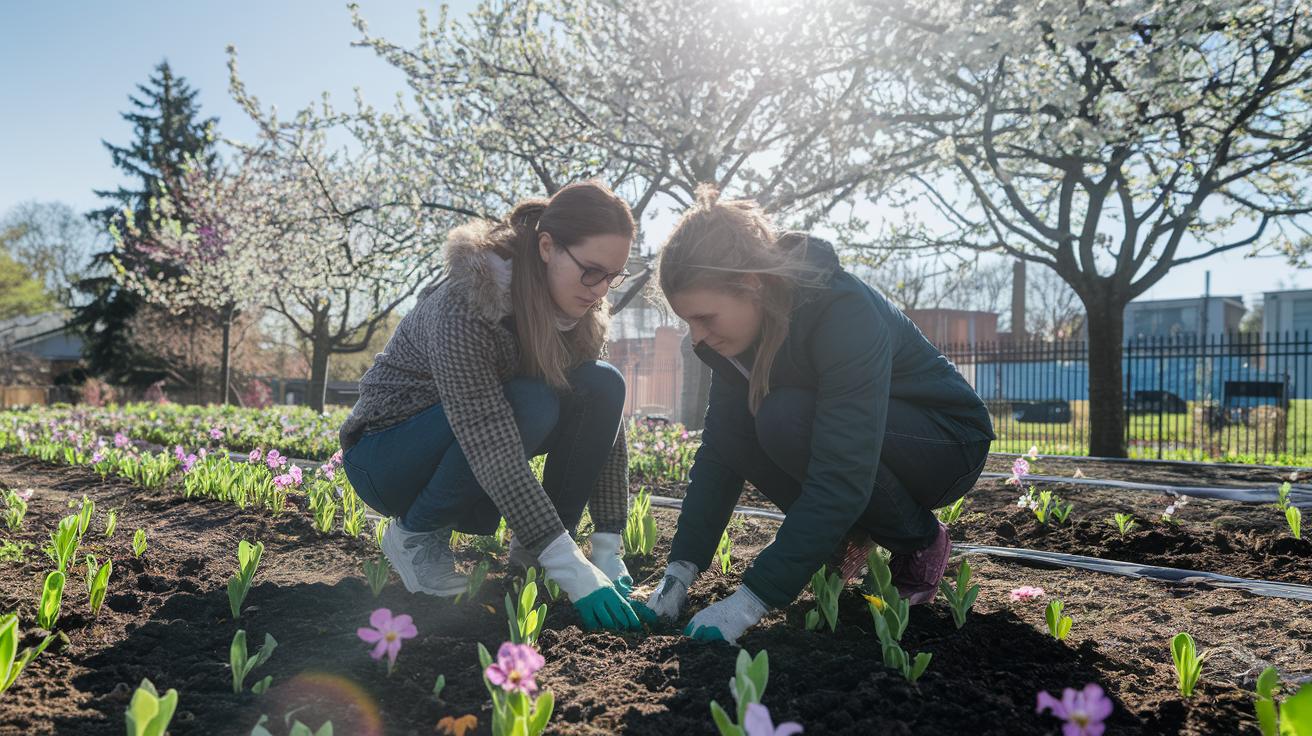
Intentional living communities offer different ways for people to live together with a clear purpose and work as a team. In these groups, you get your own private space along with shared common areas. They focus on eco-friendly practices and allow every member to pitch in. In other words, they bring together folks who want a life of shared responsibilities and personal growth.
Cohousing
Cohousing groups give you a private home along with a shared common house where everyone gathers for meals, daily tasks, and fun events. You enjoy your own space and also take part in shared kitchens, gardens, and play areas. And yes, regular get-togethers, like casual dinners or planned parties, help build a sense of closeness. Imagine everyone coming together for a weekly cookout where recipes are swapped and home improvement ideas flow. This setup perfectly balances privacy with community support.
Ecovillage
Ecovillages are all about living in a way that cares for our environment. In these communities, you might find thriving gardens, renewable energy systems (like solar panels), and efforts to reduce waste every day. People here work side by side to grow organic food and use natural resources wisely. Picture a day when everyone joins to tend a community garden, the air filled with the smell of fresh, tilled soil and blooming herbs. It’s a lifestyle that uses nature as a guide to create a healthier living space for all.
Cooperative Commune
Cooperative communes focus on sharing income and making decisions together. Here, everyone pulls their weight by contributing to everyday tasks like cooking and maintenance. All of this is done by consensus, which means every voice matters. For example, Twin Oaks Community, which started in 1967, shows how sharing money and responsibilities can create strong, family-like bonds. This style of living reminds you that when everyone chips in, both the rewards and the work are shared equally.
Benefits of Intentional Living Communities for Sustainable and Social Well-being
Intentional living communities are places where people join together to create a warm, supportive home that also cares for the environment. Everyone chips in, making daily life easier and reducing stress for all. It feels like being part of a friendly team where every voice is important.
These communities are designed with care, mixing everyday home life with shared spaces where planning and open talks happen naturally. The way they work makes routine tasks smoother and builds a close group that listens to one another.
• Breaking down old ideas brings in everyone
• Making decisions together builds trust
• Clear ways to talk help solve problems
• Sharing duties helps each of us grow
• Close bonds mean there's support when needed
• Steady effort from everyone makes the group strong
• The community shows what people can achieve together
In these homes, people thrive by living cooperatively and taking shared responsibility. Group activities, honest chats, and decisions made by all mean everyone has a role in shaping a space that feels safe and full of care. It’s this everyday teamwork that makes intentional living communities a practical choice for balanced, eco-friendly living.
Challenges Facing Intentional Living Communities and Mitigation Strategies
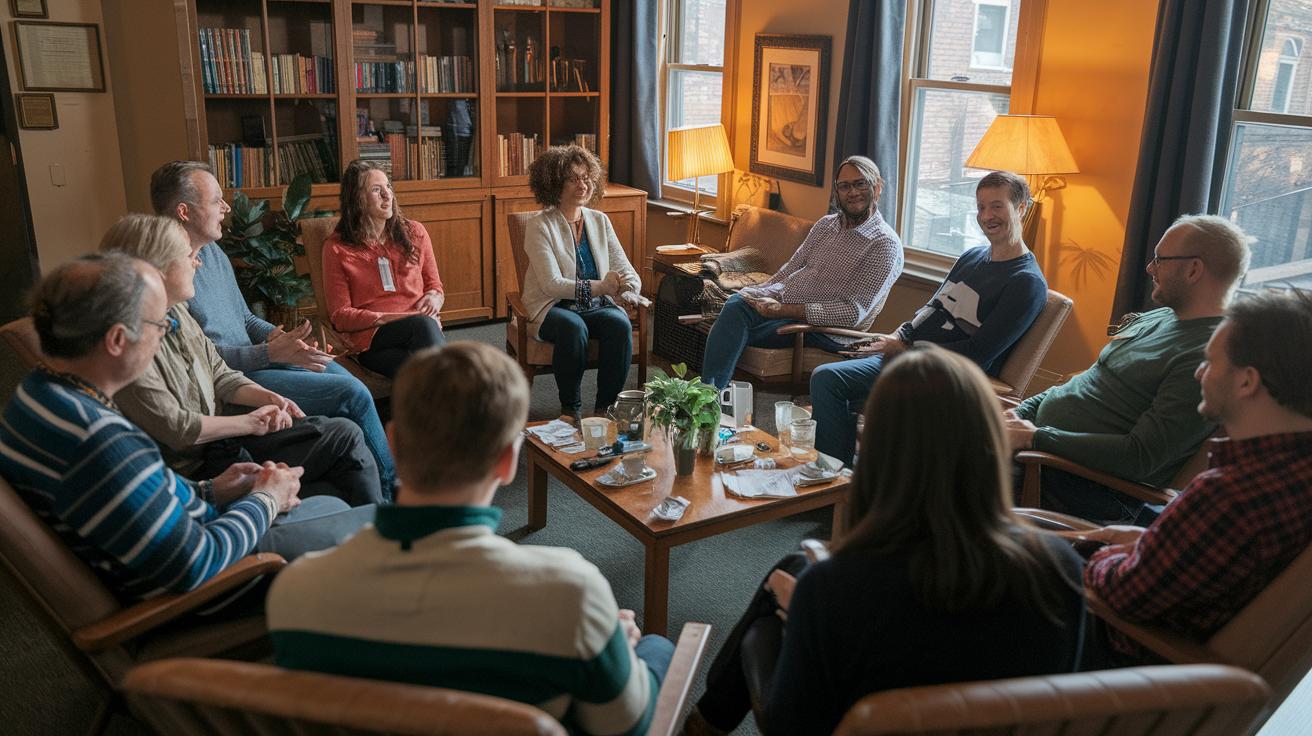
Intentional living communities often struggle with different ideas and expectations. It takes extra time for everyone to agree, and sometimes it feels like you'll never catch a break. Different values can spark tension during planning, and members sometimes feel stressed by always having to adjust to what others do.
Without a clear leader, good communication can break down. Balancing your own privacy while sharing common spaces is tricky. Trying to keep everyone dedicated for the long run can feel like managing both a business and a marriage at the same time. These issues can really throw off the daily vibe of communal life.
One easy fix is to create clear rules that spell out each person's role. Regular check-ins, like weekly group meetings, give everyone a chance to speak up before small problems get bigger. Plus, offering routine conflict resolution training can help everyone learn how to work through disagreements and keep respect flowing among the group.
Another smart idea is to set clear boundaries to balance personal space with community time. Simple rules, like designated quiet times and planned group activities, bring needed structure. This straightforward plan can cut down on mix-ups and help everyone feel safe, heard, and ready to work together.
How to Join or Create Intentional Living Communities: A Practical Guide
Are you interested in joining or building a community where everyone helps one another, shares the work, and enjoys open, honest conversations? This guide is like a friendly roadmap to help you connect with people who see life the same way, and together, create a home where everyone matters.
First, explore what the community stands for and how it is set up. Next, check out some public events or casual meetups in your area. Try spending a few days or simply joining in on their daily routines to see if it feels right. Also, get familiar with how the group makes decisions together, think of it like learning the rules of a fun game, where everyone has a say.
Don’t forget to talk about how everyone chips in, whether it’s time, money, or skills. Look for workshops that help you learn how to communicate better and work through conflicts; these can really make a big difference. It might help to put everything down in a simple, written agreement so everyone’s on the same page. And finally, set up regular check-ins to review how things are going and share feedback.
When each member understands the group’s values and their role within it, life in the community feels natural and easy. Following these steps lays a solid foundation, ensuring that decisions are made together and that everyone feels cared for. This shared understanding creates a balanced and creative space where cooperative living can truly flourish.
Real-Life Case Studies from Intentional Living Communities
Twin Oaks Community shows a creative way of living that really works. Started in 1967, this community welcomes about 100 people who share their income and help make decisions together. It reminds us how strong and caring a home can be when everyone has a say.
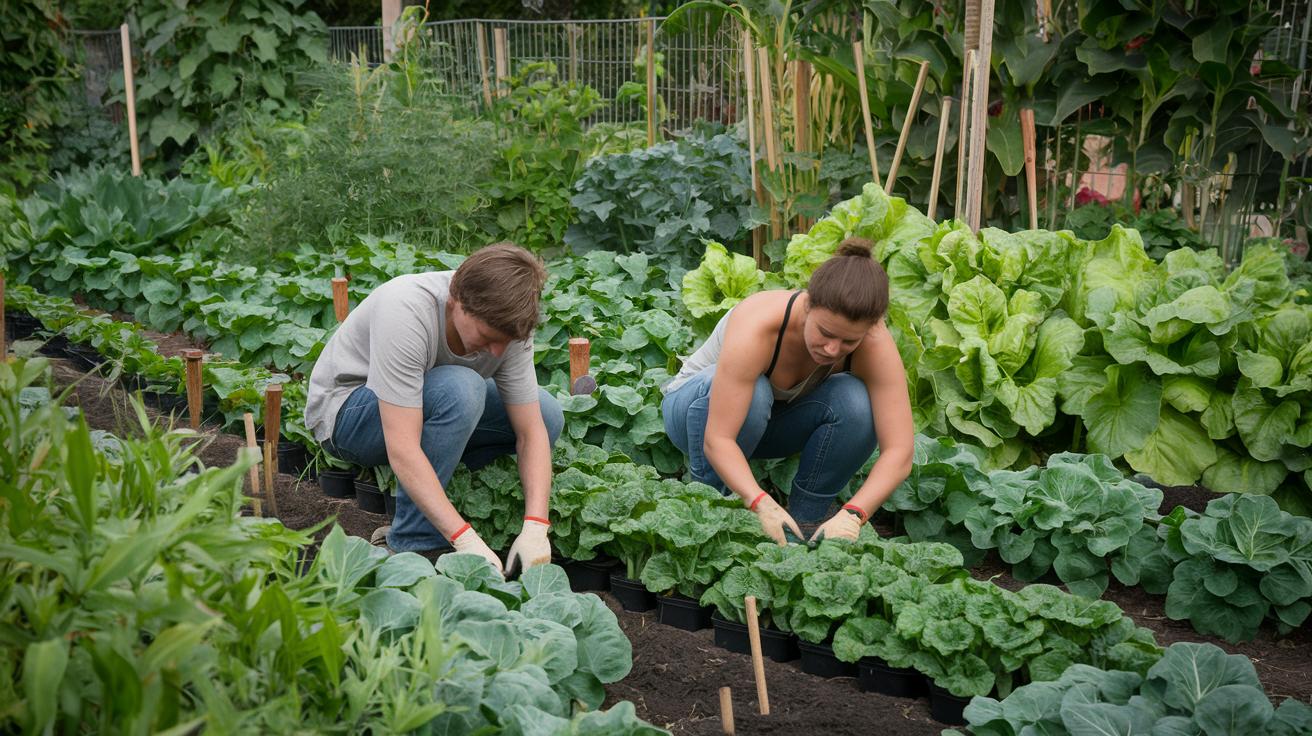
Another community is growing into a new way of life. They have lush permaculture gardens, shared studios, and take turns leading each other. Here, individual creativity blends with working as a team, proving that simple acts of cooperation and sustainable habits can make life much more enjoyable.
A fresh, tech-friendly commune is exploring life in a modern way. They use remote teamwork and smart cloud planning tools (think of it like coordinating from anywhere) to bring people together. This group mixes new ideas with time-honored values, showing us that modern techniques and a focus on community harmony can go hand in hand.
Final Words
In the action, we explored how intentional living communities thrive on shared values, sustainability, and cooperation. We touched on core characteristics, different models like cohousing and ecovillages, and the many benefits these communities offer for sustainable and social well-being.
We also examined common challenges and provided tips on joining or starting your own collective. The insights and real-life case studies remind us that with open communication and mutual support, building intentional living communities can be a truly rewarding experience.
FAQ
What does it mean to live in an intentional community?
Living in an intentional community means you become part of a group that shares common values like sustainability, cooperation, and mutual support. It centers on shared decision-making and collective living.
Can you just join a commune?
Joining a commune means you agree to share responsibilities and resources with others. Typically, you start with a trial period and work under shared guidelines before full membership.
What are the disadvantages of living in a commune?
The disadvantages of living in a commune include challenges such as slow consensus decision-making, reduced privacy, and balancing personal needs with collective goals, which sometimes leads to interpersonal issues.
What is the difference between a coop and a commune?
The difference between a coop and a commune is that a coop generally emphasizes shared economic ventures with defined roles, whereas a commune focuses on shared living spaces and equal, community-based decision-making.
Where can I find intentional living communities near specific locations?
Intentional living communities near specific locations, like California or Texas, can be found by searching online directories and community listings that highlight groups across the United States, making it easier to locate one near you.
How can I get a list of intentional living communities or see examples?
A list of intentional living communities is available through online resources that compile examples and highlight communal living locations, offering insights into various sustainable, cooperative models in the country.
How do I start or join an intentional community?
Starting or joining an intentional community involves researching groups, visiting open meetings, engaging in trial stays, and agreeing on shared values and commitments, which makes it easier to be part of a supportive collective.
Are there intentional living communities for sale or actively seeking new members?
Intentional living communities for sale or looking for new members indicate opportunities where communities either offer property transactions or welcome newcomers, all clearly detailed on community platforms for interested individuals.