Ever feel like your head is begging for a break? Stress headaches can hit quickly and leave you feeling wiped out. In this article, we'll share simple, calming remedies to help ease the pain. Imagine a cool cloth gently reducing the pressure while a warm cup of tea softens your body and mind. With these easy self-care tips, you can turn an annoying headache into a chance to pause, relax, and recharge.
Immediate Stress Headache Relief Methods
Begin with easy self-care routines. Getting a good night's sleep, eating regularly, and pacing your day can really help ward off a stress headache. If you skip out on sleep, you might feel pressure in your head signaling it’s time to rest and recharge.
Next, try placing a cold compress on your forehead and temples for about 10 to 15 minutes. The cool touch eases the discomfort quickly. Imagine draping a chilled cloth over your face and feeling the relief spread in minutes.
Within half an hour of noticing your headache, consider a small sip of tea or coffee. Caffeine works by tightening blood vessels, which can help ease that knotty head pain.
Also, use a heating pad on your neck and shoulders to ease the tight muscles that often kick off tension. The soft warmth calms and relaxes your muscles, melting away strain. Picture the gentle heat working like a soothing balm, letting the aches slip away.
These simple steps offer quick relief when stress headaches strike, empowering you to take charge and feel better at home.
Natural Stress Headache Relief Remedies

Chamomile tea has soft, natural compounds that ease swelling. Picture yourself enjoying a warm cup and feeling the gentle release of tension in your head.
Turmeric gives you curcumin, which acts like a friendly guard with antioxidants and helps lower swelling. Imagine mixing a pinch of turmeric into warm milk for a bit of headache relief.
Butterbur extract has shown in studies that taking a small dose every day can help you experience fewer headache days. Even a little, taken regularly, might make stressful days feel a bit lighter.
Ginger is known for its natural pain-relieving power that eases muscle tightness and swelling. When you feel a headache coming, try grating a little fresh ginger into your herbal tea and let its spicy warmth calm your pain.
Coenzyme Q10 supports nerve function with its antioxidant benefits. A daily dose, usually between 100 and 300 mg, may help give your nerves a little boost and lead to fewer headaches.
B-complex vitamins, especially riboflavin (B2) at about 400 mg a day, help your body create important chemicals and energy. Adding these vitamins to your routine might be a simple way to reduce your headache days.
All these natural choices work to lessen swelling and muscle tightness while supporting your overall nerve health. Consider trying one or a mix of these gentle remedies when stress makes your head feel heavy.
At-Home Stress Headache Relief Techniques
Let's explore three simple, hands-on methods you can try at home to help ease muscle tension and lower head pressure without needing any special gear or prescription. These tips feel like chatting with a friend who cares about your well-being.
Targeted Pressure Point Therapy
Imagine soothing your headache with your own hand. Use firm, circular pressure on spots like LI4 (located between your thumb and index finger) and GB20 (found at the base of your skull). Hold each spot for about 30 seconds. Picture this: placing your thumb on LI4 and gently rotating it in circles can help your body relax and improve blood flow. It may feel like a mini self-massage that tells your body to ease up.
Gentle Head and Neck Massage
Another great way to ease headache tension is with a gentle massage. Use your fingertips to softly rub the base of your skull, around your temples, and over your shoulders. Spend roughly 5 minutes massaging these spots. Think of the comfort you get when you rub your neck after a long day. This steady, caring movement boosts blood flow and helps release the tight muscles that cause head pressure.
Biofeedback Practices
If you like to keep an eye on how your body feels, biofeedback is a neat option. With simple sensors or a smartphone app, you can track muscle tension as it builds. When you see it rising, take a moment to relax with guided exercises. It’s like having a little coach by your side reminding you to chill out when things get too tense. Even just a quick pause can make a big difference in reducing stress-induced headache pain.
| Technique | How It Works | Recommended Duration |
|---|---|---|
| Pressure Point Therapy | Applying firm, circular pressure on key spots helps relax muscles and boost blood flow | 30 seconds per point |
| Massage | Gently kneading with fingertips increases blood circulation and eases tension | About 5 minutes |
| Biofeedback | Monitoring muscle tension to guide when to take a break and relax | As needed |
Over-the-Counter Options for Stress Headache Relief
When a stress headache hits, reaching for a simple over-the-counter option might help calm things down fast. Acetaminophen, which is a basic pain reliever, is a go-to for mild to moderate pain. You can usually take between 325 and 1000 mg every 4 to 6 hours, but don't go over 3000 mg in a day. It’s an easy way to quiet that ache without putting too much strain on your body.
Ibuprofen is another popular choice. This medicine is an NSAID (that stands for non-steroidal anti-inflammatory drug, meaning it helps reduce swelling) and can work both on easing pain and reducing muscle tension. A dose of 200 to 400 mg every 4 to 6 hours typically helps to relieve that heavy head pressure. It works by addressing both the discomfort and some of the underlying tension.
If you find you need help that lasts a bit longer, naproxen sodium might be worth a try. Taking about 220 mg every 8 to 12 hours can offer extended relief. Sometimes, though, it might upset your stomach a bit, so it’s good to keep an eye on how you feel. And if you’re on other medications or just unsure, checking with your pharmacist can be a smart move.
Choosing the right option can help control sudden discomfort while keeping safety in mind. It’s all about finding what works best for you and staying mindful of proper dosing.
Preventive Stress Headache Relief Strategies
Getting enough sleep each night can work wonders for your well-being. Aim for 7 to 9 hours of sleep, and try to hit the sack at the same time every night. Picture your body recharging like your phone plugged in overnight.
Eating a balanced meal every 3 to 4 hours is also key. A steady flow of healthy food, think a plate of fruit or a handful of nuts, helps keep your blood sugar stable and stops headache triggers in their tracks.
Sometimes, all you need is a quick break outside. After long hours at the computer or heavy thinking, step out for about 10 minutes and enjoy a breath of fresh air. Imagine sitting on a park bench, feeling the cool breeze on your face as it breaks the stress cycle.
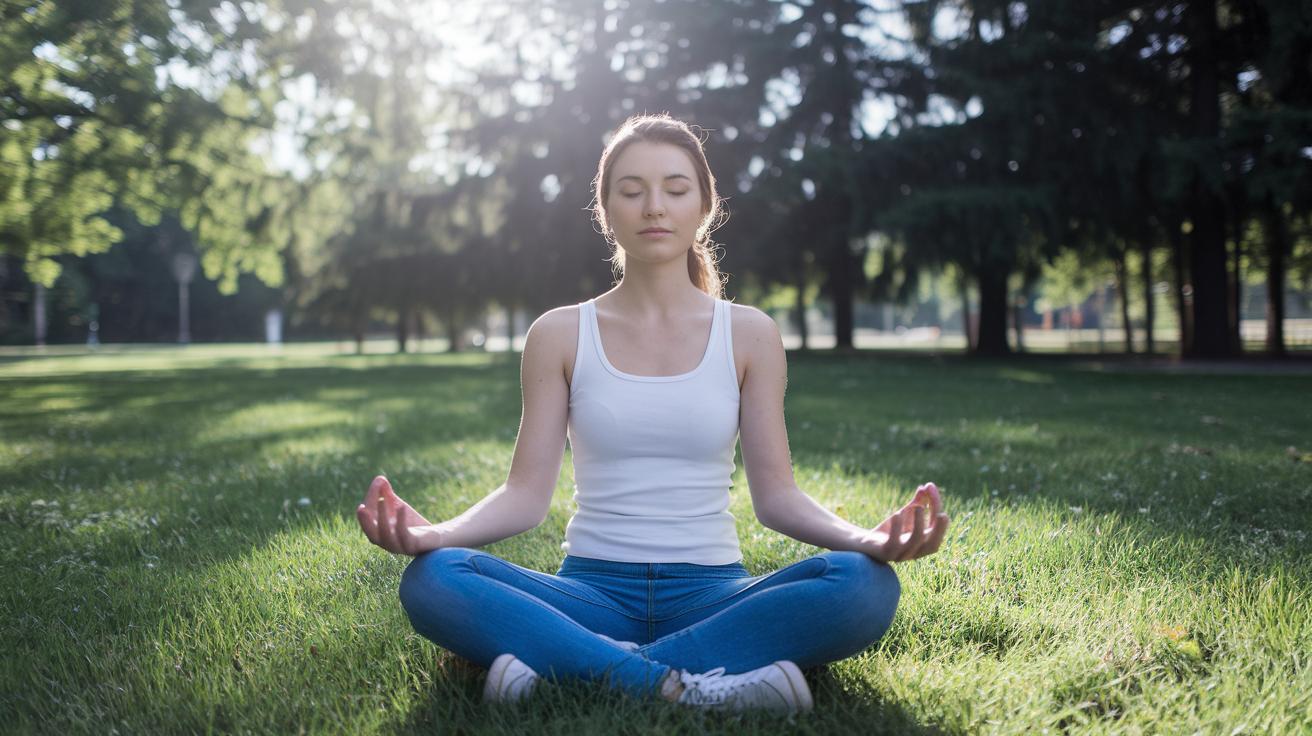
Taking 5 to 10 minutes each day for meditation or deep breathing can ease the pressure building up in your head. Visualize yourself sitting quietly, taking slow, deep breaths that wash away tension.
Finally, consider a gentle yoga or stretching routine a few times a week. These light movements can relax the muscles in your neck and shoulders. Picture the gentle stretch of a morning yoga flow that makes you feel lighter and more at ease.
By weaving these habits into your daily routine, you create a simple plan to lessen both the frequency and strength of stress headaches, helping you enjoy a calmer day-to-day life.
Lifestyle and Dietary Adjustments for Stress Headache Relief

Drinking lots of water is a really simple way to keep stress headaches away. Try to have at least 8 cups every day so your body stays well hydrated and you can lower the chance of pain from being dehydrated. As you sip throughout your day, picture a cool stream flowing inside you, easing away the built-up tension.
Watch your alcohol intake too. Cutting back on drinks can help reduce headaches that come from your blood vessels expanding or your body reacting with histamines (chemicals that can cause allergic reactions). Think of it as turning down the pressure a bit, less alcohol means your body feels less stressed.
Also, be careful with what you eat. Avoid foods high in nitrates and nitrites, like processed meats, because they might trigger stress headaches. You could even try removing some foods from your diet for a short time to see if one of them is causing trouble. Instead, enjoy meals rich in whole foods, omega-3s (the fats that help keep your heart and brain healthy), and fresh produce. Imagine a bright, colorful plate full of fruits, vegetables, and lean proteins that not only nourishes you but helps ease head strain.
Every now and then, try a cup of herbal tea like chamomile or ginger tea. A warm cup of ginger tea can feel as comforting as a gentle hug on a stressful day.
Tracking for Improved Stress Headache Relief
Have you ever thought that keeping track of your day might help you beat those pesky stress headaches? Try writing a simple journal entry or use an easy tracking app to note down moments when you skip a meal, have a rough night, or face a jam-packed day at work. For instance, you might write, "I skipped breakfast and later felt a tight headache," which helps you see clear patterns over time.
Take a moment each week to review your notes. You might discover that small actions, like using a cold compress, taking your medicine, or enjoying a brief meditation, can make a difference in easing your head pain. Some folks even use digital tools to log their symptoms every day, making it simpler to see what works best for them.
Find a method that feels comfortable and stick with it. Over time, these notes become a practical guide to help you manage your mental stress and fine-tune your own headache relief techniques.
Final Words
In the action, we explored steps from immediate self-care and natural remedies to at-home techniques, over-the-counter options, preventive habits, and lifestyle adjustments. Each section offered simple actions to reduce head pain and offer fast relief. Small changes like mindful tracking and proper rest can make a big difference. This practical advice is here to support your everyday efforts toward stress headache relief and overall wellness, leaving you feeling empowered and ready for a healthier, more balanced life.
FAQ
How to relieve stress headache immediately?
The immediate relief for a stress headache involves using a cold compress on your forehead for 10–15 minutes, sipping a caffeinated tea early on, and trying a gentle warm pad on your neck and shoulders.
What is an emotional stress headache and where is it located?
The emotional stress headache is the type that feels like tightness mainly around the forehead and temples, often reaching into the neck, showing up when stress builds up.
What is the best medicine for a tension headache?
The best medicine for a tension headache often includes over-the-counter options like acetaminophen or ibuprofen, which can relieve pain and reduce muscle tension when used according to directions.
How do tension headache relief pressure points help with neck tension?
The technique of using pressure points works by applying firm, circular pressure on spots between your thumb and index finger or at the base of your skull, easing tight muscles on your head and neck.
What causes tension headaches on an everyday basis?
The everyday tension headache may be caused by stress from lack of sleep, skipped meals, or sitting for long periods that strain your neck and shoulders, all of which can lead to muscle tension.
How do I stop a headache caused by overthinking?
The headache from overthinking can be eased by taking short breaks, practicing mindful breathing, and gently massaging your head and neck, which helps relax your mind and ease the pain.
How to sleep with a tension headache?
The way to sleep with a tension headache involves creating a cool, quiet sleep space, using a supportive pillow, and perhaps doing a brief neck massage before bed to calm muscle tightness.
How do I know if my headache is from stress?
The headache from stress is usually paired with muscle tightness in your neck and temples, and it tends to appear when you’re under pressure or after missing sleep or meals.