Ever wonder if your meal plan could be the secret to a healthier, happier pregnancy? A bright and balanced plate can lift your energy and help your baby grow strong. Think of organizing your meals like setting up a friendly reminder to include key nutrients such as iron (which helps build strong blood), folic acid (important for your baby's early growth), and omega-3 fats (which support brain development). In this guide, we’ll share easy tips to add nourishing foods to every meal, making healthy eating both simple and enjoyable.
Core Nutrition Principles in Pregnancy Meal Planning
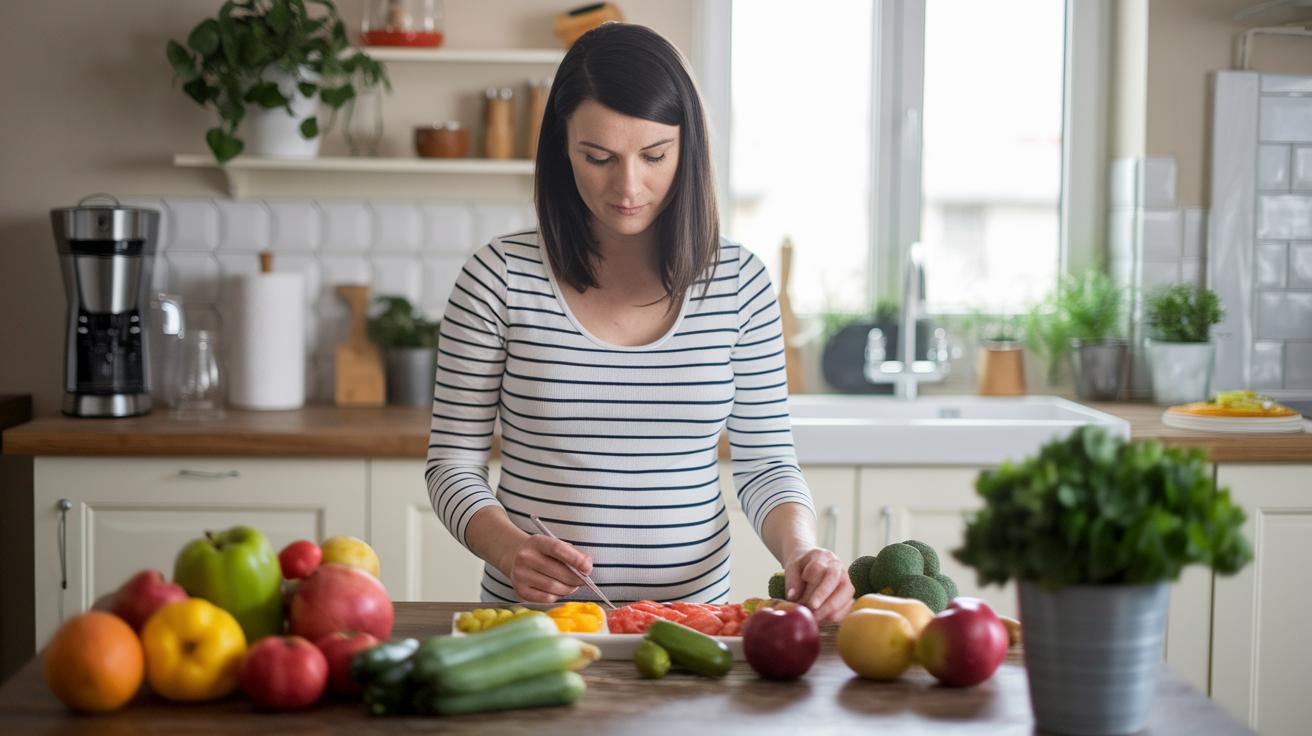
Meal planning helps you gather a mix of high-quality foods. Research from a well-known journal shows that planning meals can lower the chances of gestational diabetes and preterm birth. Think of your weekly meal plan as a friendly guide that nudges you toward a balanced mix of nutrients every day.
Expecting mothers should keep an eye on key vitamins and minerals. For instance, aim for 27 mg of iron daily to boost your extra blood volume. Also, try to get 600 micrograms of folic acid (a vitamin that helps your baby’s neural tube form) and 200–300 mg of DHA-rich omega-3 fats (fats that support your baby’s brain growth). A quick way to remember: "Iron, folic acid, omega-3 , build your plate strong every day!"
It also helps to balance the main parts of your meals. A good meal plan should have 45–65% carbohydrates for energy, 20–35% fats to help absorb vitamins, and 15–25% protein for muscle development. Imagine splitting your plate into parts: half for fruits and vegetables, one quarter for lean protein, and one quarter for whole grains. This simple view makes healthy eating easier to picture.
Taking one day to map out your meals for the week can clear away the stress of daily choices. Here’s a simple plan:
| Step | What to Do |
|---|---|
| 1 | Set your nutrient goals |
| 2 | Pick a variety of foods |
| 3 | Divide portions to keep a balanced meal |
Using these friendly tips, you can create a meal plan that is both tasty and nourishing, making healthy eating feel achievable and even fun.
Trimester-Specific Meal Planning Guidelines
First Trimester Focus
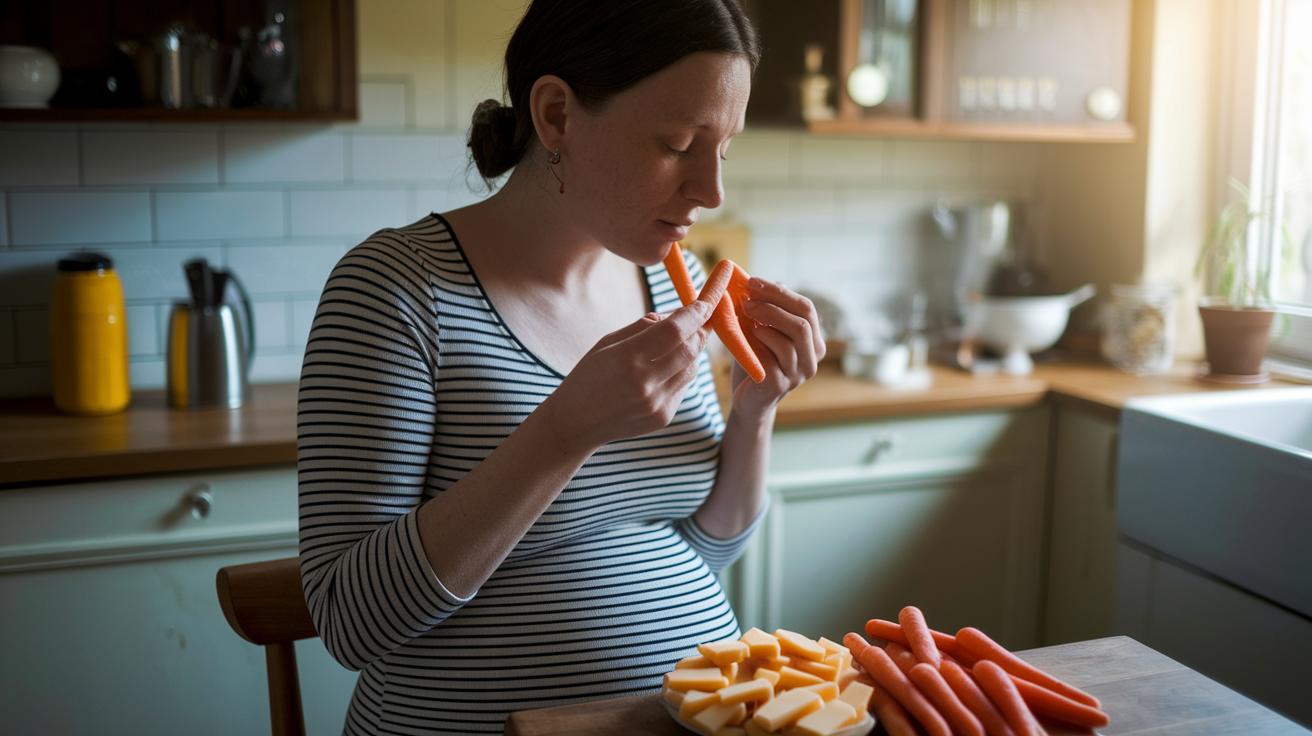
In your first trimester, try to include foods rich in folate, like spinach and beans, to help your baby’s neural tube develop. If you're feeling queasy, small, frequent meals can really help. For example, have a few baby carrots or a small piece of fruit between meals. You might also enjoy a little snack of whole grain crackers with some cheese or a mini smoothie made with leafy greens. It’s a good idea to spread your meals throughout the day so your body has time to digest without feeling overloaded. One simple tip is to snack lightly every two to three hours, maybe a few whole-grain cereal squares with low-fat milk, to keep nausea at bay.
Second Trimester Boost
During your second trimester, your body can use about 300 extra calories each day to keep up with growing needs. Adding lean proteins like chicken or beans into your meals is a great move. You can also include iron-rich foods, such as red meat or fortified cereals, for extra support. Pair your proteins with complex carbs like brown rice or whole wheat pasta to help maintain steady energy. Imagine enjoying a meal with a palm-sized piece of grilled chicken, a cup of mixed veggies, and half a cup of quinoa. Another tasty option might be a hearty bowl of bean soup served with whole grain bread, which keeps your meals balanced and satisfying.
Third Trimester Support
Once you reach the third trimester, focus on calcium-rich foods like low-fat dairy and leafy greens to help your baby’s bones develop strong and healthy. Staying well-hydrated is key, aim for eight to ten cups of fluids throughout the day. When nighttime hunger strikes, try a small bowl of yogurt with some sliced fruit for a boost of calcium and a little comfort. Other snack ideas include a slice of whole grain toast with light cream cheese or a mini smoothie with kale and almond milk. A quick tip to remember: keep a water bottle close by at all times, and if you need a little flavor, add a splash of fresh lemon.
Designing Your Weekly Pregnancy Meal Plan
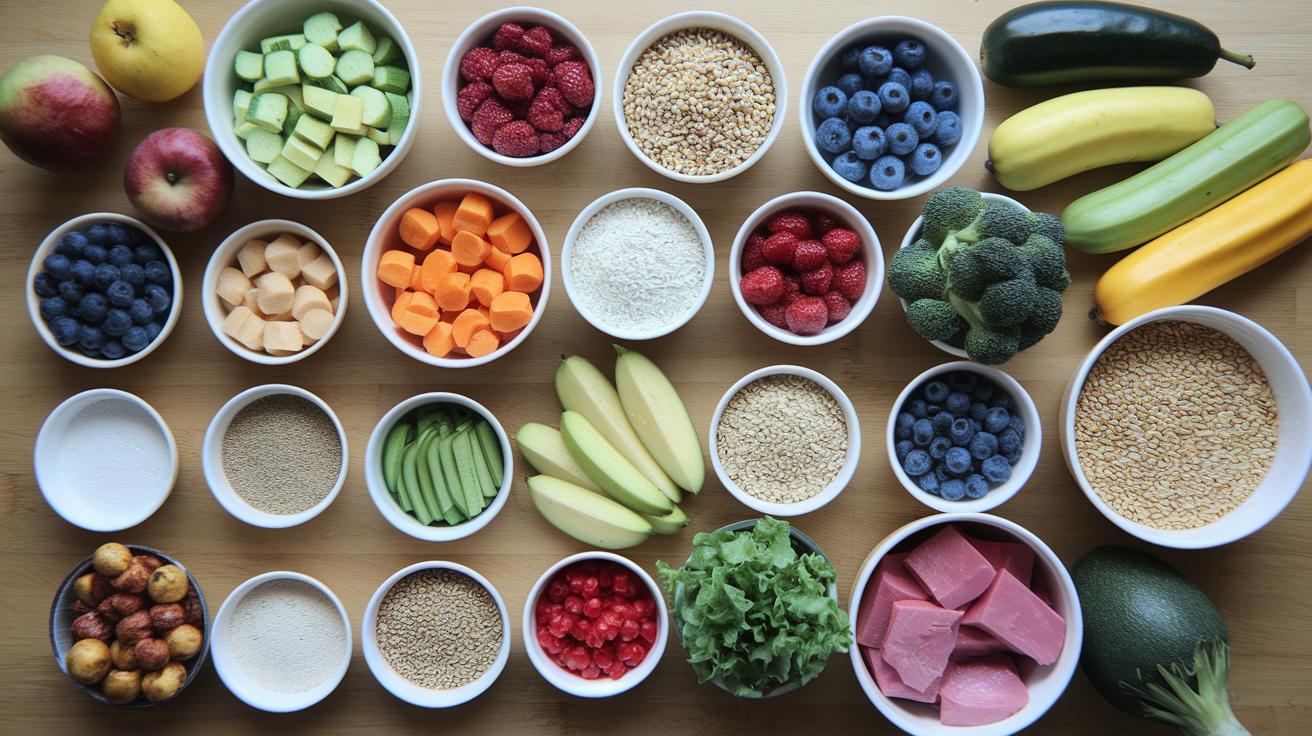
Planning your meals for the week can make eating well feel simple and fun. Try setting aside time on a relaxed day like Sunday to plan out your breakfasts, lunches, dinners, and even two snacks for each day. Use an easy guide like MyPlate for Pregnancy, fill half your plate with fruits and veggies, one quarter with lean protein, and one quarter with whole grains, and don’t forget a little healthy fat. Imagine a week where every meal gives you and your baby the right nutrients.
You might also want to follow ideas from the Harvard Healthy Eating Plate, which highlights whole grains and plant-based proteins. Adding snacks rich in probiotics, such as yogurt, kefir, or even some fermented veggies, can help keep your digestive system happy. This method helps distribute healthy choices evenly through your week. Here’s a quick five-step guide to get you started:
- Set aside a planning day (say, Sunday) to decide your meals.
- Write down breakfast, lunch, dinner, and two snacks for each day.
- Follow a MyPlate plan: half your plate is fruits and veggies, one quarter is protein, and one quarter is grains.
- Remember to include whole grains and lean proteins as suggested by the Harvard Healthy Eating Plate.
- Add snacks such as yogurt or kefir to support a healthy gut.
| Day | Breakfast | Lunch | Dinner | Snacks |
|---|---|---|---|---|
| Monday | Overnight oats with berries | Spinach-chickpea salad | Grilled chicken with quinoa | Yogurt and apple slices |
| Tuesday | Whole grain toast with avocado | Mixed greens with beans | Baked salmon and steamed broccoli | Kefir with fresh fruit |
| Wednesday | Smoothie with spinach | Quinoa salad with vegetables | Turkey stir-fry with brown rice | Fermented veggies and nuts |
| Thursday | Oatmeal with banana slices | Lentil soup and whole grain bread | Grilled tofu with mixed vegetables | Greek yogurt with honey |
| Friday | Scrambled eggs with whole grain toast | Chicken salad with veggies | Stir-fried shrimp with brown rice | Sliced bell peppers with hummus |
| Saturday | Smoothie bowl with fruits | Whole grain pita with falafel | Beef stew with vegetables | Mixed berries with yogurt |
| Sunday | Whole wheat pancakes with fruit | Veggie wrap with lean protein | Baked cod with sweet potatoes | Kefir and granola |
Pregnancy Meal Planning: Preparation Tips for Your Weekly Meal Plan
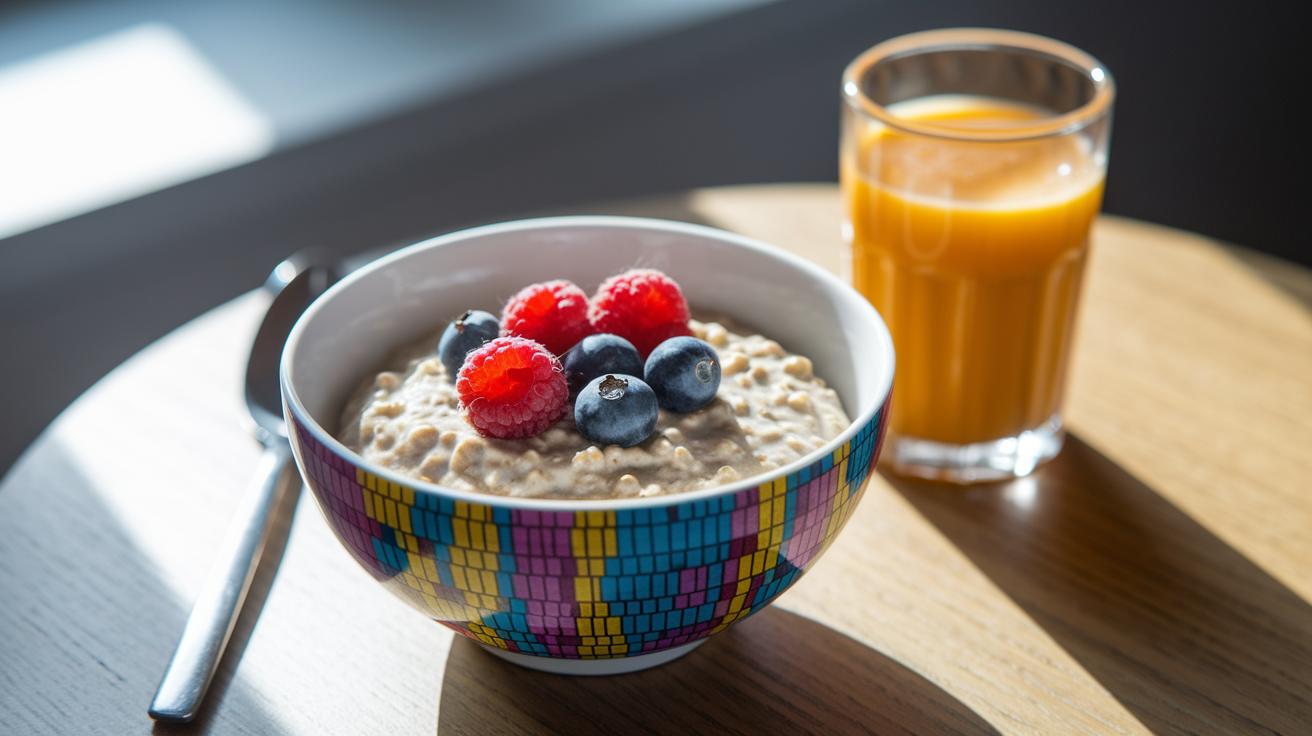
Blend the detailed steps right into your weekly meal plan, but try not to use the same meal ideas over and over. For instance, if you're making overnight oats, mix rolled oats, chia seeds, low‐fat yogurt, and berries before bed. You might say, "Mix one cup of oats with one tablespoon of chia seeds, stir in half a cup of yogurt, and top with a handful of berries" to set you up for a balanced, quick breakfast.
Next, when you're preparing a fresh salad, take a moment to wash your spinach, drain a cup of chickpeas, and chop up a cucumber and some red bell pepper. Then, whisk together lemon juice and tahini to create a tangy dressing. Imagine saying, "Combine your greens and veggies in a bowl and drizzle over a homemade dressing made by mixing the juice of half a lemon with a tablespoon of tahini" as you get your meal ready.
For a comforting dinner, season a 200 g piece of salmon with your favorite herbs and bake it until it's just right. While that's in the oven, pre-cook half a cup of quinoa and steam a cup of broccoli to complete your plate. A good tip is, "Season salmon with your favorite dried herbs, bake at 375°F for 15-20 minutes, and serve with pre-cooked quinoa and lightly steamed broccoli."
When you need a quick snack, try slicing an apple to enjoy with some almond butter or pre-portion a serving of Greek yogurt with fruit. For example, you might say, "Cut an apple into slices and serve with a tablespoon of almond butter to keep your energy up."
| Meal | Main Ingredients | Prep Time | Nutrient Highlights |
|---|---|---|---|
| Breakfast | Overnight oats, berries, chia seeds, low-fat yogurt | Prep night before; 5 minutes active prep | Fiber, protein, antioxidants |
| Lunch | Spinach, chickpeas, diced vegetables, lemon-tahini dressing | 10 minutes | Iron, fiber |
| Dinner | Baked salmon, quinoa, steamed broccoli | 20 minutes cooking | Omega-3 fats, DHA, calcium |
| Snack | Apple slices with almond butter or Greek yogurt with fruit | 5 minutes | Protein, probiotics |
pregnancy meal planning: Happy, Healthy Meals
When planning your meals, it’s important to pick foods that are safe and nutritious for you and your baby. Avoid options like unpasteurized dairy, raw fish, and deli meats because they can harbor germs such as listeria, which can be harmful. For instance, if you enjoy cheese, choose the kind made with pasteurized milk to help keep you both safe. Also, steer clear of high-mercury fish like shark or swordfish since mercury can affect your baby’s growing system.
Good food handling is just as essential as choosing the right foods. Be sure to wash your fruits and vegetables thoroughly under running water. When cooking meats, aim for the right temperature, for poultry, that means cooking until it reaches 165°F (this temperature helps kill any harmful bacteria). And if you’re looking for a dairy alternative, fortified plant milks like almond or soy offer extra calcium without the same risks.
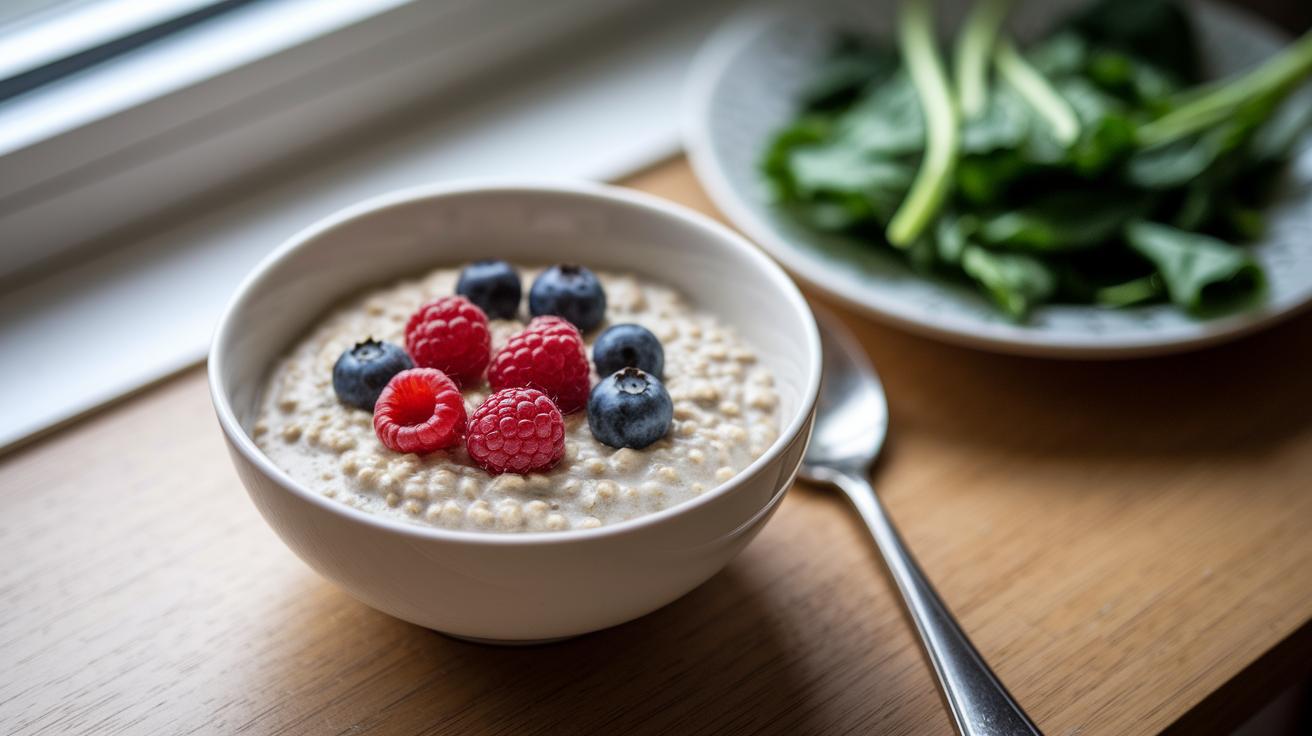
If you’re managing gestational diabetes, focus on foods with a low glycemic index, these help to keep your blood sugar steady. Try building a meal with steel-cut oats or sweet potatoes, along with lean protein or fiber-rich vegetables. Imagine a warm bowl of steel-cut oats topped with berries and served with a side of leafy greens; it’s both comforting and balanced.
By making these thoughtful choices and following safe food practices, you’re creating meals that nourish and protect you and your little one. Embracing these habits can make meal planning during pregnancy both secure and satisfying, supporting a healthy journey for you both.
Digital Tools and Resources for Streamlined Pregnancy Meal Planning

Have you ever wished that planning healthy meals during pregnancy could be easier? Well, online resources today can really help you out. For example, MyPlate for Pregnancy & Breastfeeding lets you register for free. Once you sign up, you receive a meal plan that's just right for you. It gives you simple portion targets to balance fruits, vegetables, proteins (the building blocks of your body), and whole grains. This kind of tool puts you in control, making it simpler to figure out what to eat day by day.
Then there's the Harvard Healthy Eating Plate, which offers another way to balance your meals. This model highlights plant foods and good oils and can help mix things up when you’re planning your dishes. Many moms enjoy this fresh take as they explore different meal ideas.
There are also apps made just for expectant moms. These apps let you easily track your daily nutrients, log your meals, and even keep an eye on weight gain trends. Imagine an app that reminds you to drink water too, it’s like having a friendly nudge throughout your day. These pregnancy tracker apps can help you record your food, manage your macros (the proteins, fats, and carbohydrates you need for energy), and set reminders so you stay well-hydrated.
In short, these digital tools simplify meal planning by offering pre-set prenatal recipe libraries and smart features that keep everything organized. Enjoy the freedom of planning a balanced diet with these interactive tools and see how easy healthy eating can be during your pregnancy journey.
Final Words
In the action of creating a mindful eating plan, we covered core nutrition principles, trimester-specific guidelines, and practical recipes that keep meals balanced and safe. We highlighted how a weekly roadmap and digital tools simplify pregnancy meal planning. Small, thoughtful steps, from choosing iron-rich foods to setting up a daily menu, build a stronger foundation for wellness during pregnancy. These tips empower healthier habits while keeping the process straightforward and enjoyable. Keep experimenting with your plan, and enjoy every nourishing bite along the way.
FAQ
Where can I download a free pregnancy meal plan PDF?
A free pregnancy meal plan PDF is available on trusted health websites that offer detailed daily menus and trimester-specific nutrition tips in a simple, printable format.
What is a good meal plan for a pregnant woman?
A good meal plan for a pregnant woman focuses on balanced meals with fruits, vegetables, lean proteins, whole grains, and healthy fats, all designed to support both mom and baby.
What should I eat during pregnancy planning?
What you eat during pregnancy planning should include nutrient-rich foods such as leafy greens, lean proteins, and whole grains that help lay the foundation for a healthy maternal diet.
What are the best meal prep meals for pregnancy?
The best meal prep meals for pregnancy incorporate lean proteins, complex carbohydrates, vibrant vegetables, and dairy or dairy alternatives, all prepared ahead of time for convenience and steady energy.
What should a pregnant woman eat every day?
A pregnant woman should eat everyday balanced meals that include a variety of fruits, vegetables, whole grains, lean proteins, and healthy fats, ensuring consistent intake of key prenatal nutrients.
How can week-by-week meal planning benefit pregnant women?
Week-by-week meal planning benefits pregnant women by offering a structured menu that targets trimester-specific needs and ensures a consistent intake of essential nutrients and balanced calories.