Have you ever wondered which meditation method can help you feel truly calm? Two popular techniques to try are TM and mindfulness meditation. Both guide you toward peace, but each does it in a simple yet powerful way.
TM uses a personal word or phrase to take you to a deep, quiet place inside. Mindfulness, on the other hand, helps you stay grounded by focusing on your breath and the world around you.
This post takes a look at these two practices and shows how each can ease stress and clear your mind. So, if you’re looking for a way to feel more balanced and at peace, keep reading and find the method that best fits you.
TM vs Mindfulness Meditation: Key Principles and Objectives
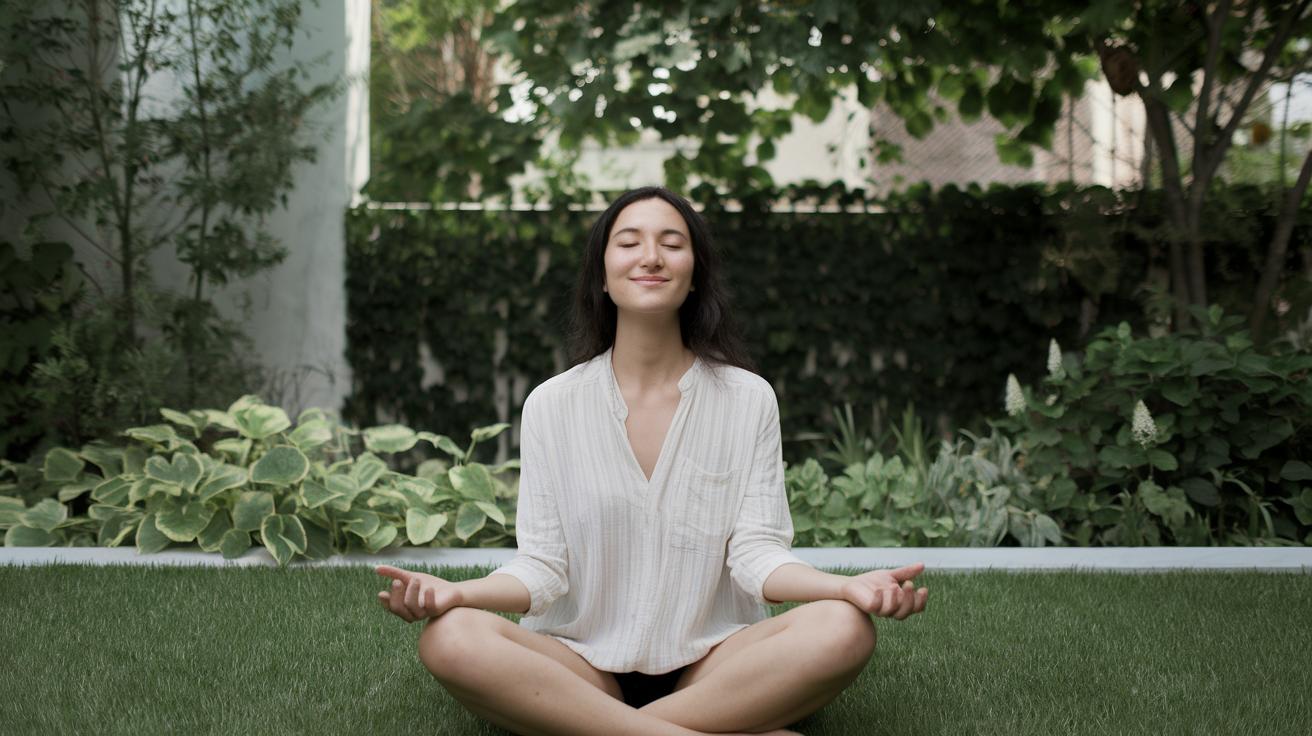
TM is a simple practice that uses a personal mantra. It comes from ancient Indian Vedic traditions and was introduced by Maharishi Mahesh Yogi in the 1950s. Picture yourself quietly repeating your special mantra for about 20 minutes twice a day. This gentle practice helps you slip into a peaceful state where you feel pure awareness, bliss, and even a burst of creativity.
Mindfulness meditation, on the other hand, got popular in the 1970s thanks to Jon Kabat-Zinn. This method comes from a Buddhist idea called Sati, which means being fully aware of the moment. Think about tuning in to the rhythm of your breath or simply listening to the sounds around you. It is a way to stay grounded, even when your day feels busy.
The key methods behind these practices show their differences clearly. With TM, you softly and effortlessly repeat a personal mantra learned during one-on-one sessions with a certified teacher. This guided approach helps you avoid focusing on everyday thoughts while you slowly reach that calm state. In contrast, mindfulness meditation uses simple anchors like your breath, body sensations, or ambient sounds. It works through both organized sessions, usually lasting between 10 and 30 minutes, and informal moments when you take a little break during your day.
Both TM and mindfulness share the goal of easing stress and boosting well-being. While TM offers a more guided, mantra-based path to deep relaxation, mindfulness encourages you to stay aware of the present moment, creating mental clarity and emotional balance along the way.
tm vs mindfulness meditation: Uplifting Insights
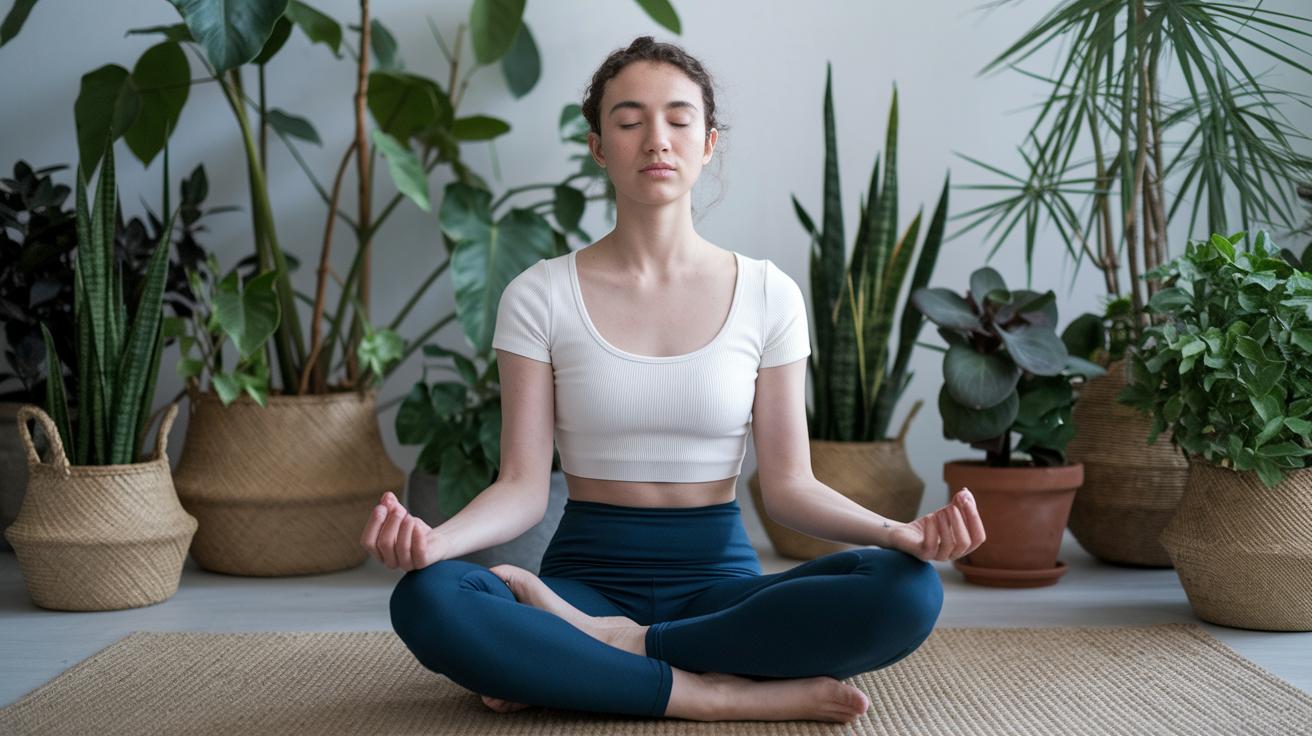
Recent research shows that TM and mindfulness meditation both come from old Eastern traditions, but they work in different ways over time. TM uses a mantra-based approach with a set structure that helps lower stress gradually. One study even found that regular TM practice led to noticeable stress relief after a few months of daily sessions.
Mindfulness meditation, on the other hand, is now part of many public health programs. This makes it easy for anyone to try. People say they feel more in control of their emotions and more aware of the present. One participant mentioned that adding small mindfulness breaks to the day turned chaos into calm, manageable moments.
When you look closer, you'll see that each method brings its own cultural background to life. TM stays true to its ancient roots with personalized instruction, while mindfulness meditation adapts a modern, everyday feel.
| Aspect | TM | Mindfulness Meditation |
|---|---|---|
| Method | Mantra-based and structured | Focus on being present |
| Cultural Influence | Ancient Vedic traditions | Roots in Buddhist practices, used in modern settings |
| Long-term Outcomes | Steady stress relief | Better emotional control and daily awareness |
Practice Techniques in TM vs Mindfulness Meditation
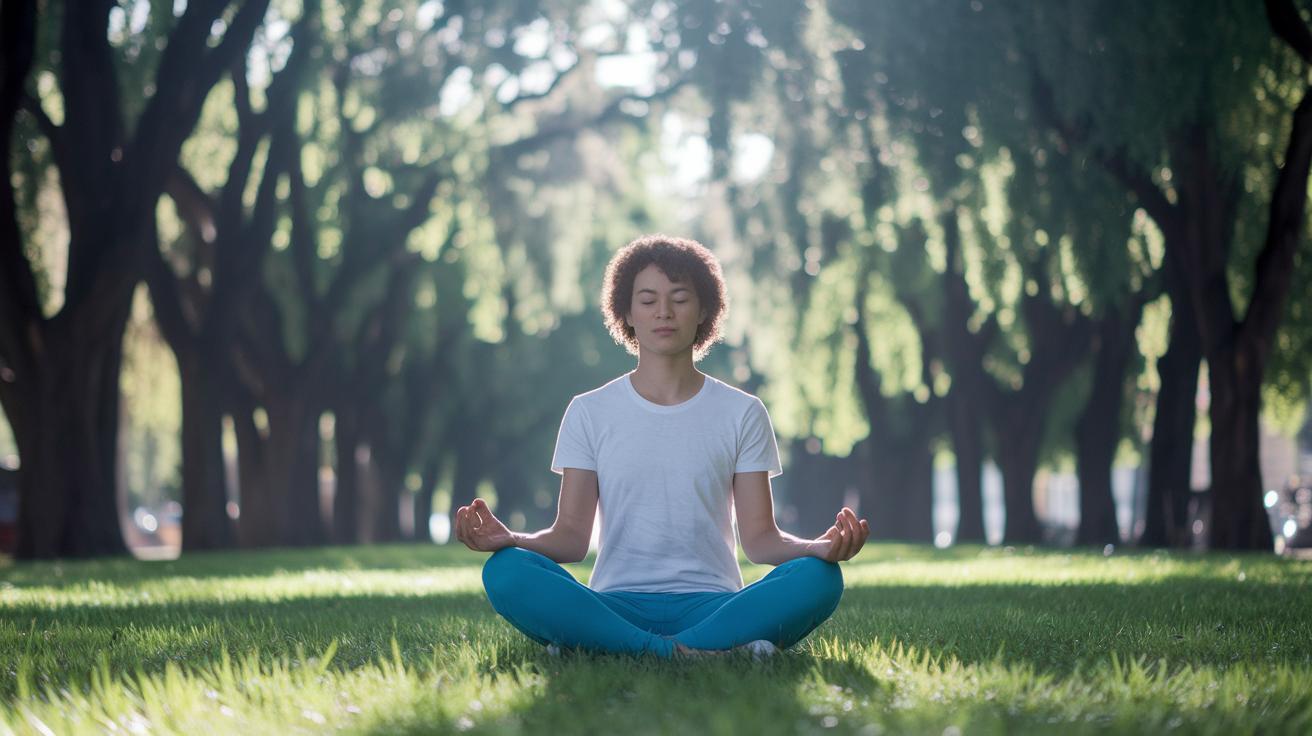
TM starts with four personal sessions with a certified teacher. In each one-hour meeting, you get a unique mantra and simple directions. After that, you practice using your mantra in silence for about 20 minutes twice a day. This method is trademark-protected and helps you ease into a deep state of calm.
In contrast, mindfulness meditation is all about flexibility. You might focus on your breathing, do a quick body scan, or just notice the sounds and sights around you. Sometimes you set aside 10 to 30 minutes for a formal session, and other times you weave in short practices throughout your day. Unlike TM, you can learn mindfulness from apps, books, or group sessions. This approach trains you to stay in the moment and keep your thoughts balanced.
| Aspect | TM Approach | Mindfulness Approach |
|---|---|---|
| Initial Instruction | Four personalized sessions with a certified teacher | Self-guided or group sessions from public resources |
| Practice Frequency & Duration | Two 20-minute sessions daily | Sessions last 10-30 minutes, plus informal mini-practices |
| Technique | Silently repeating a personal mantra | Focusing on breath, body scans, or noticing sensory details |
| Training Guidance | Structured and trademark-protected instructions | Accessible via apps, books, and group workshops |
| Accessibility | Requires a certified teacher and specific sessions | Available to everyone without special requirements |
| Outcome Focus | Helps you shift smoothly into deep relaxation | Helps you stay present and balance your thoughts |
Both techniques guide you towards inner calm, each in its own friendly way.
Scientific Research and Health Benefits in TM vs Mindfulness Meditation
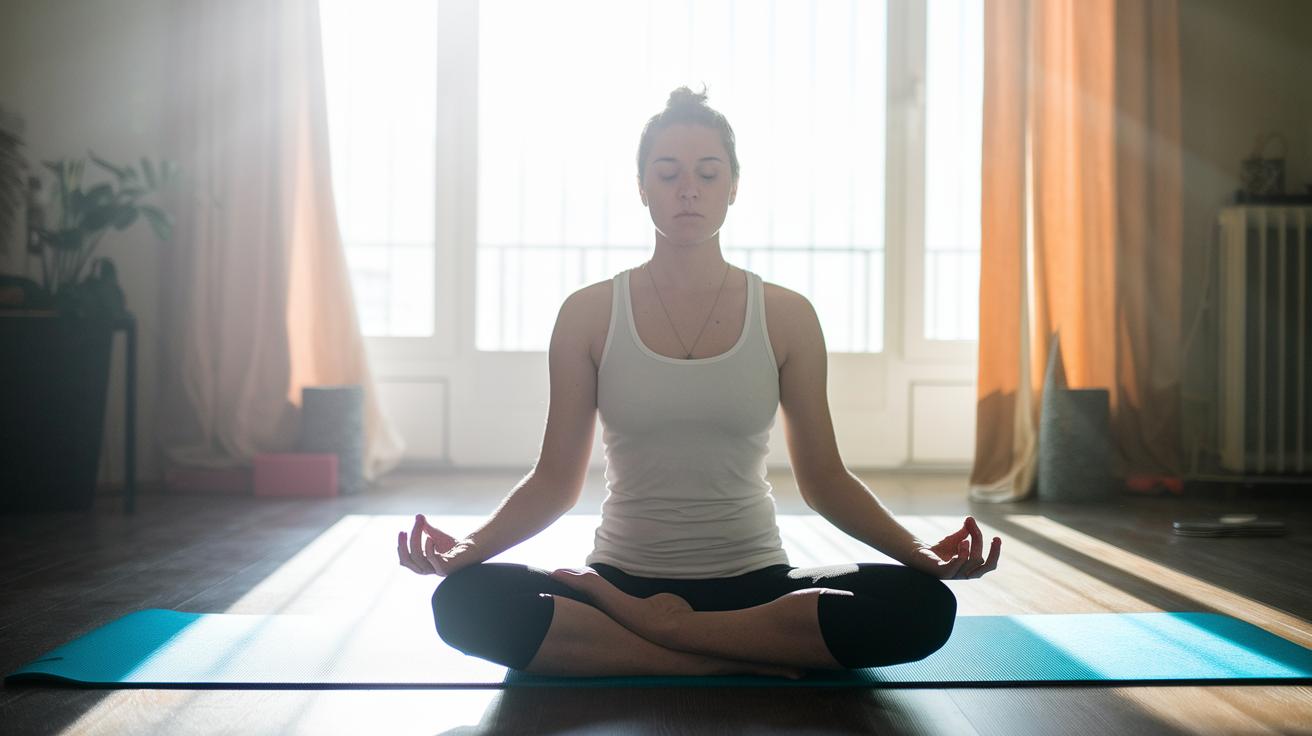
Clinical trials show that people who practice TM often have lower stress hormones and less pressure on their hearts. When you repeat a personal mantra, basically a special word or sound, it can help your body relax deeply, almost like turning down the noise of daily stress. One study described the effect as a natural calm, much like a gentle wave smoothing away tension.
Mindfulness meditation, on the other hand, helps many folks clear away swirling, stressful thoughts and focus better. By paying attention to your breathing or even doing a simple body scan, you can step away from anxiety and ease symptoms of depression. Imagine chaotic thoughts slowly settling into something more manageable, one participant said it made everything seem less overwhelming.
Overall, both TM and mindfulness bring unique benefits, and research backs up their ability to cut down on stress. TM taps into the body’s natural rhythms while mindfulness teaches you to be aware without judging your thoughts. Institutions like Harvard have found that both methods can boost mental clarity and overall well-being. Whether you choose a mantra or simply focus on the present moment, you get tools to help balance both your body and mind.
Time, Cost, and Learning Commitment in TM vs Mindfulness Meditation
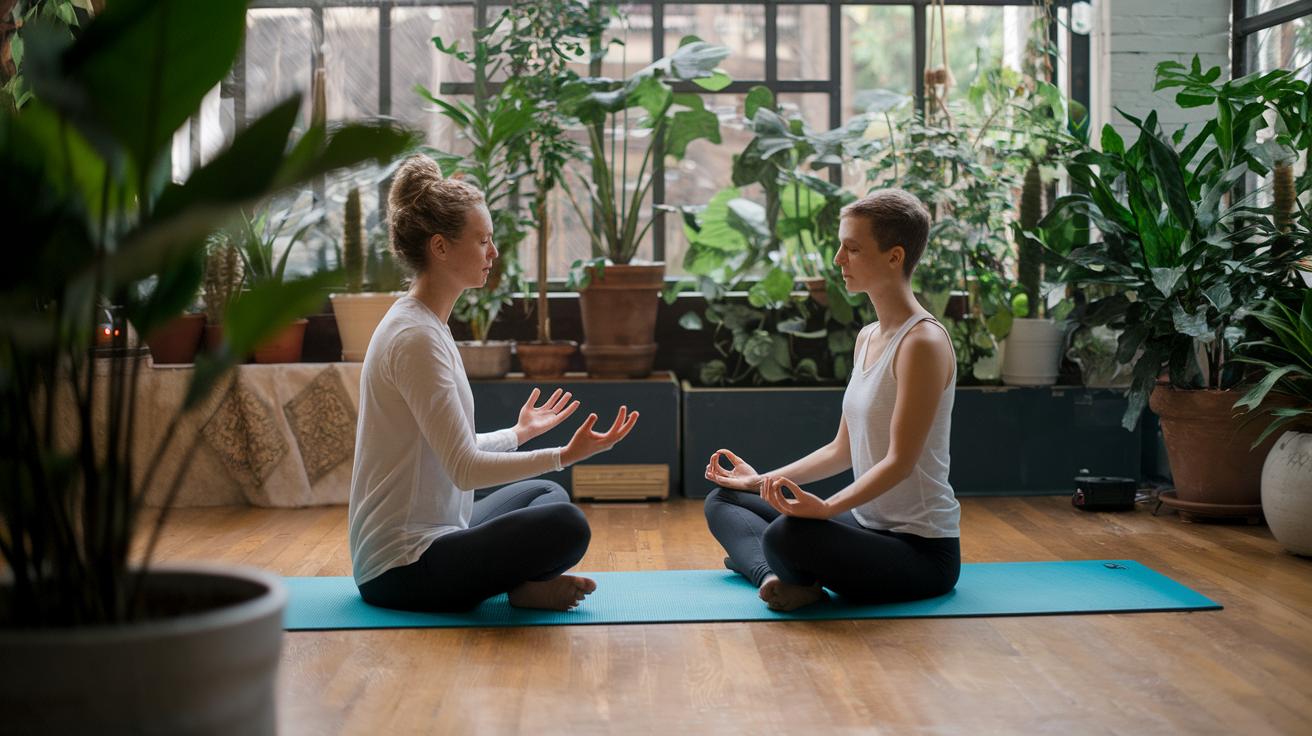
TM has a pretty set schedule. You begin with four one-hour sessions with a certified teacher to get your personalized training and a specific mantra. These sessions come with a fee that depends on your region and instructor. After these lessons, you practice twice daily for 20 minutes, much like booking regular appointments that require planning and focus.
Mindfulness meditation works in a different way. Many folks start with just one session that can last anywhere from 10 to 30 minutes, and then sprinkle in brief mindful moments throughout the day. You can find free apps and local community classes that make getting started easy without spending a lot. Plus, there are digital courses and workshops at gyms or clinics so that you can fit the practice into your daily routine.
Both practices offer retreats and special workshops. TM centers hold focused retreats while mindfulness programs pop up in many settings. This means you have plenty of options that can match your lifestyle and time needs.
Choosing TM vs Mindfulness Meditation: User Testimonials and Insights
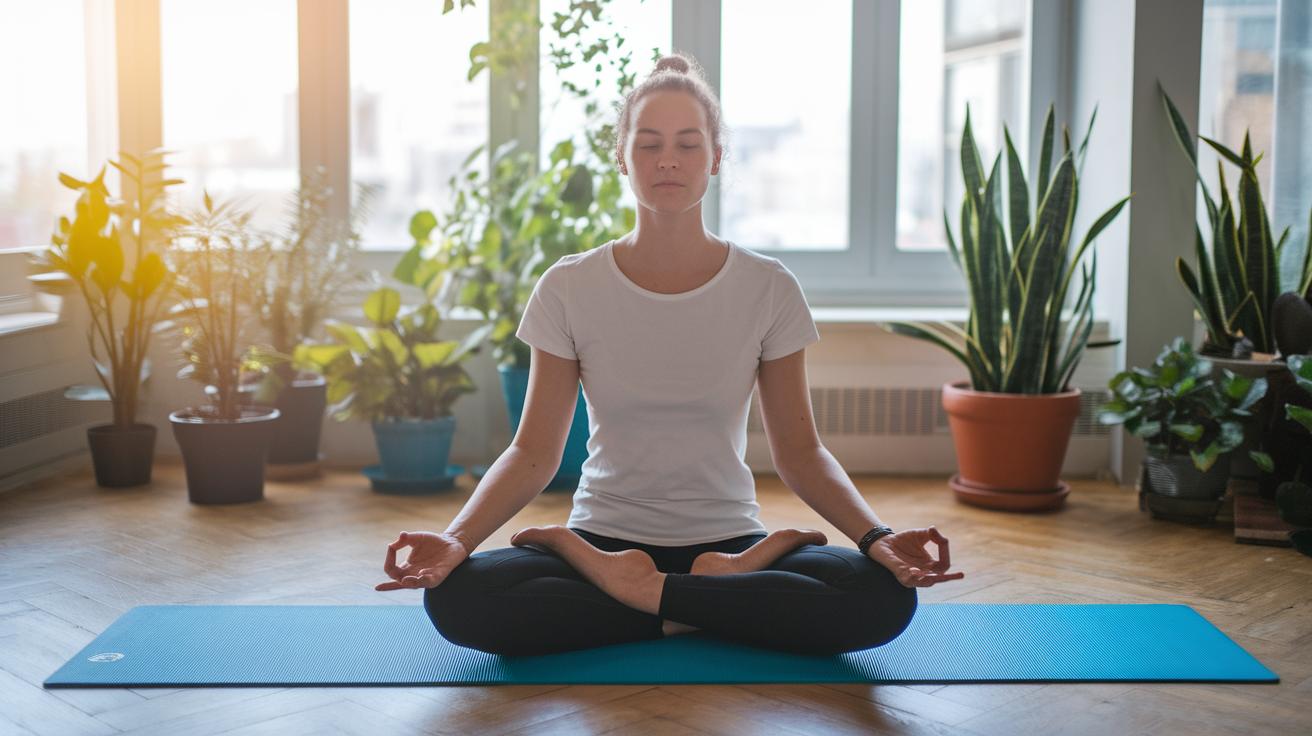
Many people love TM because its clear, step-by-step approach and even famous folks like Oprah Winfrey and Ellen DeGeneres mention how it helps them unwind. One person shared that repeating their mantra felt like hitting a reset button, a little time-out in the middle of a busy day.
Mindfulness meditation is also a big hit. Celebrities like Emma Watson and LeBron James talk about how it fits smoothly into daily life. One user said that taking just a few moments to focus on their breath during a hectic day changed stress into a sense of calm. Lots of folks in online talks say they enjoy mixing a quiet mantra session with a few mindful breaths.
Community reviews keep pointing out that the best practice is the one that matches your own goals. It really depends on what works best for you, your schedule, your habits, and what makes you feel balanced. They suggest you try both methods to see which one feels like a natural part of your day.
Getting Started with TM vs Mindfulness Meditation: A Beginner’s Guide
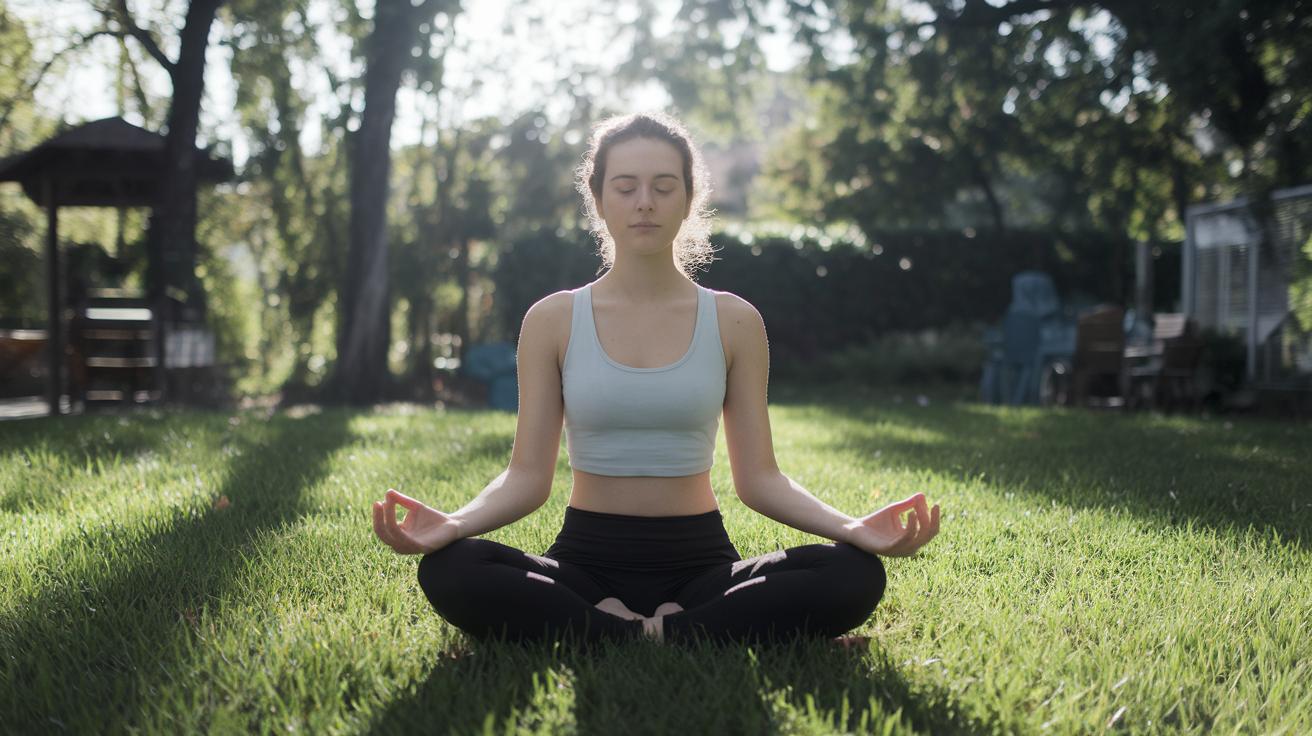
If you're curious about trying out meditation, there are two friendly paths you can take: TM and mindfulness meditation. Both have their own vibe and tools, so you can pick one that feels just right for your life.
For TM, start by finding a trusted teacher. Attend sessions designed just for you. Soon you'll receive your own special mantra. Then, try practicing in silence for 20 minutes twice each day. It might feel a bit new at first, but you'll get the hang of it as you go.
If you lean more towards noticing the here and now, mindfulness meditation could be your pick. Find a quiet spot where you can relax uninterrupted. Pick something simple to focus on, like noticing your breath or a gentle feeling in your body. Set a timer for about 10 minutes. As you sit, watch your thoughts and feelings come and go without any judgment.
To keep your journey going, explore guided audio meditations, digital courses, or even local community groups. There are lots of free apps and online communities where you can get ideas and support. This way, your meditation practice can grow naturally and help you feel even better every day.
Final Words
In the action, this article explored the differences between TM vs mindfulness meditation. We looked at their historical roots, distinctive techniques, and unique benefits. The post compared mantra repetition and breath awareness, discussed scientific findings, and broke down cost and time considerations. We also shared real user insights and provided clear steps to start your practice. The information aims to help you choose the method that feels right, bringing clarity and hope for a healthier lifestyle. Here's to taking small steps toward a positive change!
FAQ
What is the difference between Transcendental Meditation (TM) and mindfulness meditation?
The comparison shows TM uses personalized mantras to help you reach a state of deep relaxation, while mindfulness focuses on staying aware of your breath and present sensations. Both methods reduce stress in their own ways.
How do Transcendental Meditation mantras work and what can be found in a TM mantra list?
The explanation is that TM mantras are personalized sounds used during meditation to gently guide your mind into a state of calm awareness, with each mantra designed to support your unique practice.
Can someone combine TM with mindfulness practice?
The response is that you can mix both techniques if you like, though traditional TM focuses solely on mantra repetition while mindfulness emphasizes present-moment awareness. Trying both may offer varied benefits.
What are the dangers associated with Transcendental Meditation?
The summary indicates that TM is generally safe, but a few individuals might experience emotional discomfort or other mild side effects. It’s wise to consult a teacher if any issues arise.
Is there a difference between mindfulness and general meditation?
The comparison reveals that mindfulness is a type of meditation focused on observing your thoughts and breath in the present moment, while general meditation can include various methods like mantra repetition and guided practices.