Ever feel like anxiety swoops in out of nowhere? Embrace Calm offers easy, everyday steps that help you feel steady again. Imagine taking slow, deep breaths that calm your mind and relax your body. With these simple tips, you can slowly turn chaos into comfort. By focusing on mindful breathing, gentle movement, and clear thinking, you'll notice less tension and worry. This guide shows you how to welcome calm into your daily routine.
Overview of Stress Management Techniques for Anxiety
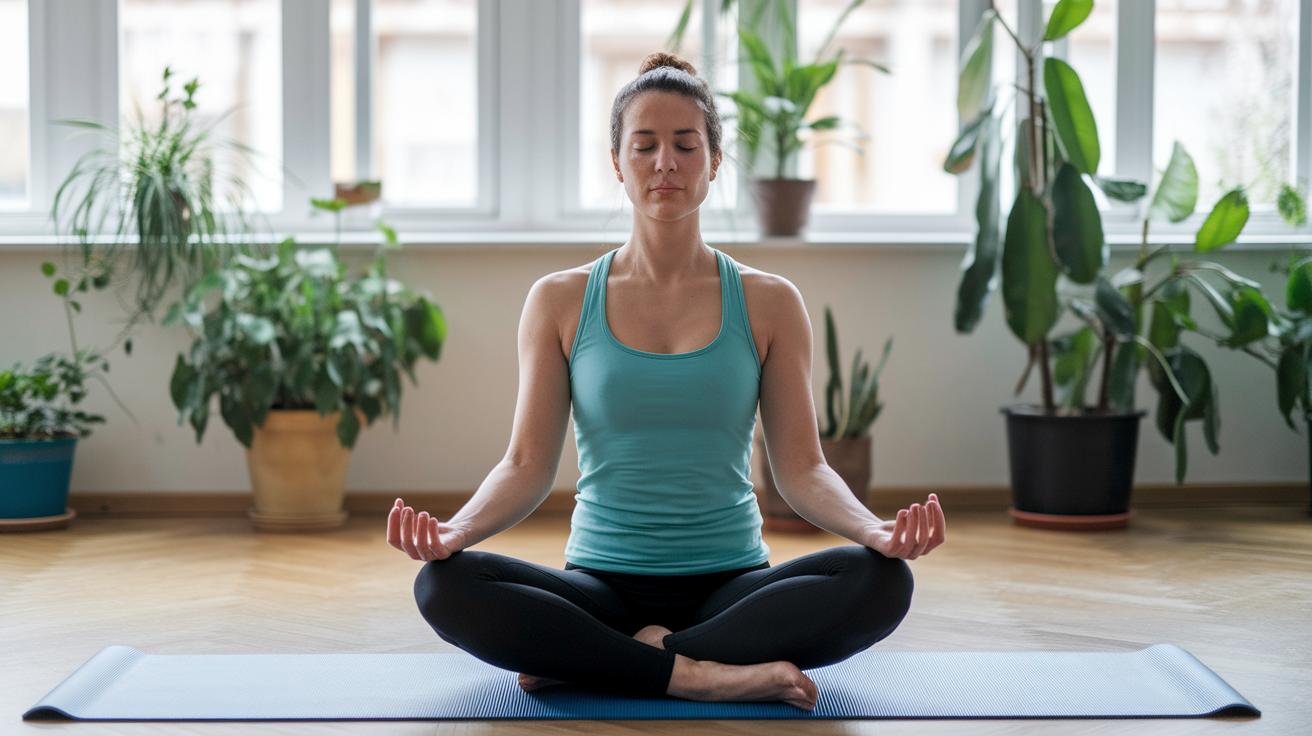
Personalized techniques can really make a difference because they work with the unique ways anxiety affects you. When stress repeatedly kicks your body into high gear, it may lead to both physical and mental hurdles. Choosing the right method helps you set the stage for a calm and steady day.
Using simple, proven steps can give you more control over your anxiety. Regular practice of these methods can cut down on those overwhelming feelings. This plan brings together evidence-based activities like self-care, exercise, mindfulness (noticing your thoughts and feelings), and lifestyle changes into one smooth routine.
- Mindfulness practices
- Breathing exercises
- Physical activity
- Cognitive strategies
- Relaxation routines
- Lifestyle habits
Combining these six areas builds a solid base for long-term relief from anxiety. Each tip supports the other, creating a team of tools that work together to ease your stress response. With regular practice, these natural strategies not only lessen everyday tension but also shield you from sudden stress spikes. Embracing a balanced routine based on these proven ideas can make your daily life more peaceful and resilient.
Deep Breathing Techniques for Anxiety Relief
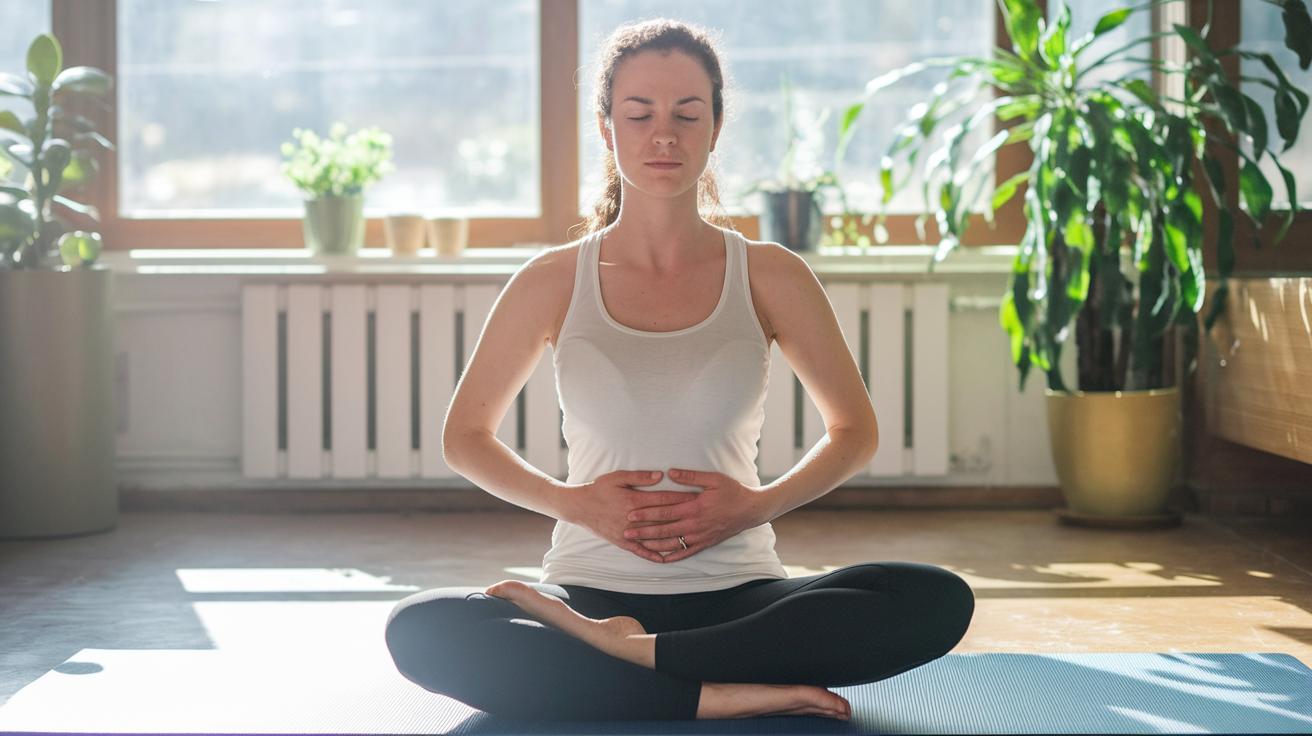
Learning to control your breath can help calm your nerves and ease anxiety. When you focus on each breath, your body sends soothing signals to your brain, lowering stress and making you feel more relaxed.
Imagine trying one of these simple techniques:
- Diaphragmatic breathing: Lie down or sit in a comfy spot. Put one hand on your belly and slowly breathe in through your nose. Feel your stomach gently rise. Then, exhale slowly and watch your belly fall.
- Box breathing: Breathe in for 4 seconds, hold that breath for 4 seconds, breathe out for another 4 seconds, and pause again for 4 seconds. This routine helps you settle into a steady, calming pace.
- 4-7-8 method: Take a deep breath in through your nose for 4 seconds, hold it for 7 seconds, and then slowly exhale through your mouth for 8 seconds. This sequence quickly brings on a wave of calm.
Try picking one technique to use each day. Even just a few minutes of mindful breathing, maybe first thing in the morning or before you hit the hay, can really help lower your stress and keep you centered throughout your day.
Mindfulness Meditation Strategies to Reduce Anxiety-Driven Stress
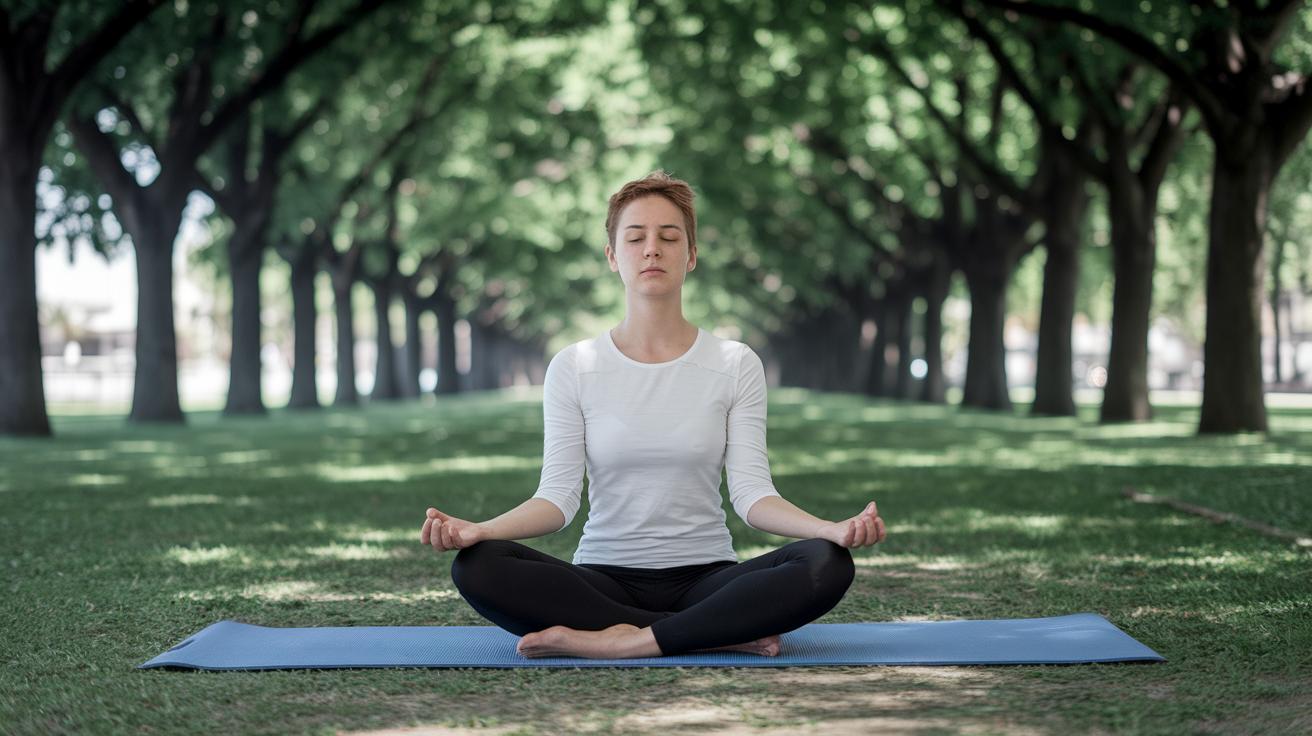
Mindful Breathing
Mindful breathing is a simple way to feel more relaxed and manage your stress. Sit in a comfy spot and just focus on your breathing. Breathe in slowly, then out slowly. As you do this, let go of any distracting thoughts. Try spending 5 to 10 minutes each day with this practice, and you'll start to feel calmer and more in control, almost like listening to the gentle lapping of water on a quiet shore.
Body Scan Meditation
Body scan meditation is like taking a quiet tour of your own body. Lie down or sit in a peaceful place. Start by noticing the top of your head and slowly move your focus down to your toes. When you come across any areas that feel tense, gently let that tension melt away. This method helps your muscles relax and makes you more aware of your body’s signals. Spend about 10 to 15 minutes on this, and you'll soon find it easier to spot stress before it builds up too much.
Adding these short, regular sessions into your day can really change how you handle stress and anxiety. With a little time every day, focusing on your breath or releasing tension, you’re building a stronger, more balanced way to face everyday challenges.
Progressive Muscle Relaxation and Other Relaxation Exercises
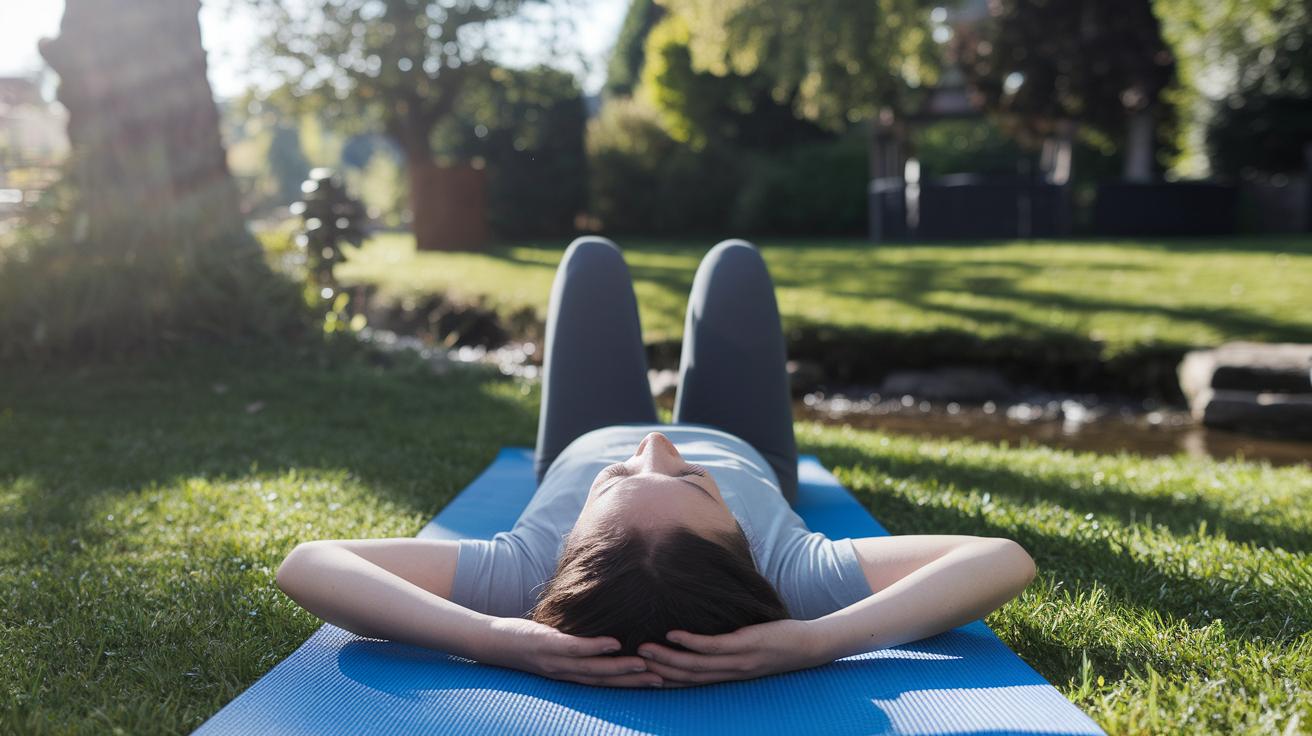
Progressive muscle relaxation, or PMR, guides you step by step to tighten and then let go of different muscle groups. It gently tells your body that it’s time to relax. Even a few minutes of practice every day can help you feel calmer and more in control.
Begin by choosing a quiet place where you feel safe and comfortable. Sit or lie down in a position that feels right. Start with your feet. Tighten the muscles in your feet for about 5 seconds, then slowly release the tension over 10 seconds while noticing the difference in how your muscles feel. Next, move up through your calves, thighs, stomach, hands, arms, shoulders, and neck. Each time you tense, take a moment to really sense the relaxation that follows, like letting go of built-up stress.
Sometimes, adding a little imagination can boost the calming effect of PMR. Picture yourself in a peaceful spot, maybe sitting by a gentle stream with water softly flowing by. As you picture this scene, you might rub your hands together or rest them on your chest for a comforting, grounding touch. These simple steps can help deepen your sense of calm and make the exercise even more soothing.
Physical Activity and Yoga Practices for Stress Reduction
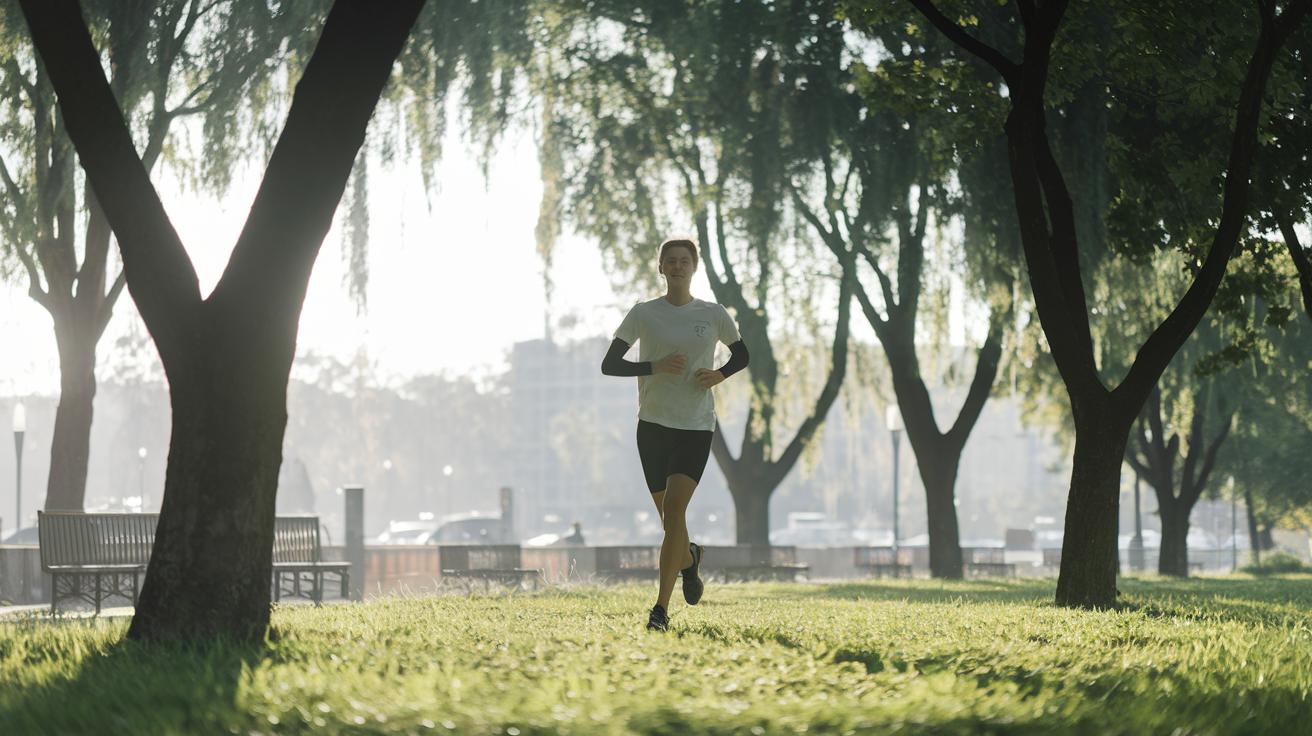
Aerobic exercise is a great way to calm your mind and lift your mood. Studies show that just two sessions a week can help ease everyday stress. Imagine taking a brisk walk or a light jog, your body releases feel-good chemicals that brighten your day. Even a gentle bike ride or a fun dance at home can help melt away tension. One study with college students found that regular aerobic workouts really help manage stress and uncertainty.
Yoga is another wonderful way to find calm. In a yoga class, you stretch your muscles and clear your head at the same time. Try a gentle yoga session and notice how the soft, mindful movements help you feel connected to your body. And don’t forget to get outside! Picture spending ten minutes in a sunny park with the soft rustle of trees around you. This mix of indoor relaxation and outdoor air really balances both body and mind.
| Exercise Type | Frequency | Primary Benefit |
|---|---|---|
| Aerobic Exercise | 2×/week | Less stress |
| Yoga Classes | 2–3×/week | Better well-being |
| Tai Chi | 1–2×/week | Calm mind and body |
Mixing different activities can boost your stress relief even more. Try switching between aerobic workouts, yoga, and time outdoors. This balanced routine keeps you feeling good and helps keep anxiety away.
Cognitive-Behavioral Strategies to Manage Anxiety and Stress
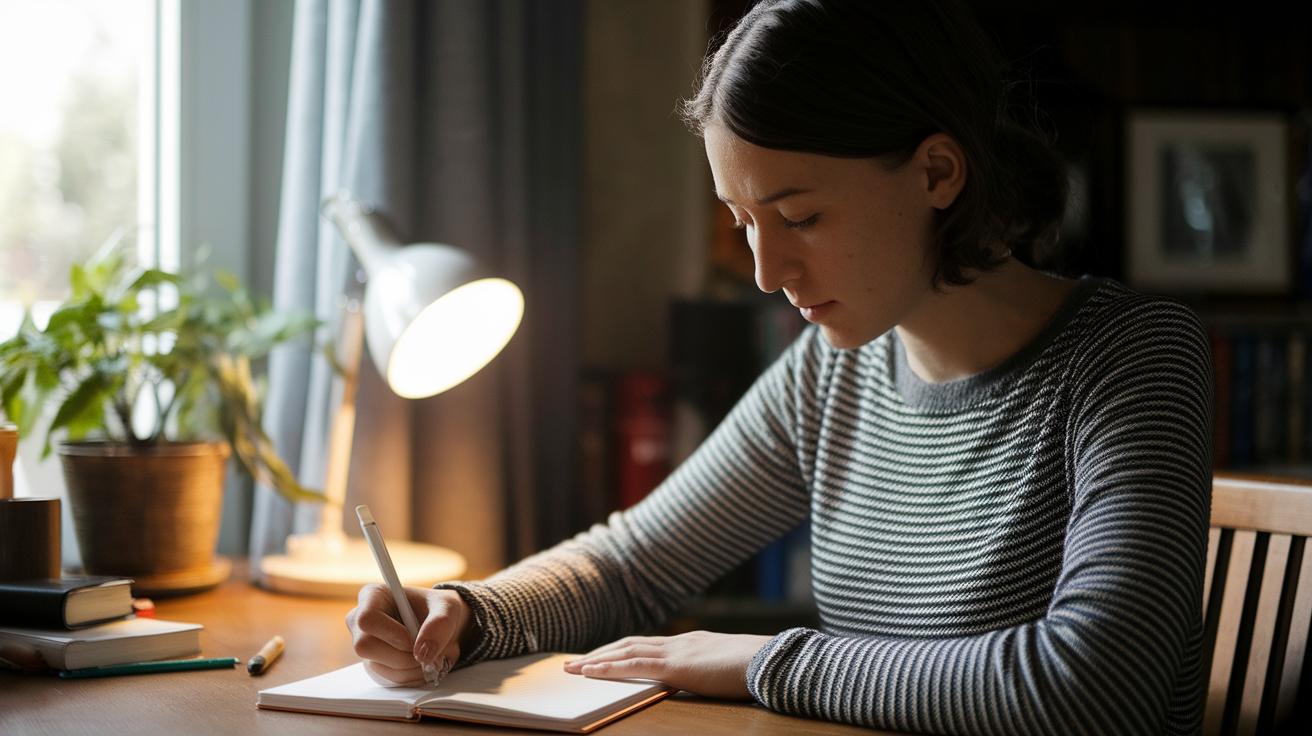
Cognitive-Behavioral strategies help you break free from the cycle of anxious thoughts. They work by catching negative ideas when they pop up and gently turning them around. This simple change can ease your stress and make everyday challenges feel a bit lighter.
Identifying Negative Thought Patterns
When anxious thoughts start to creep in, notice them. Grab a notebook or use your phone to jot down what you're feeling. For instance, if you're uneasy about a meeting, write that down along with any worries you have about it. Note the time, where you are, and even any signals your body sends, like a racing heart or sweaty palms. This step-by-step habit makes it easier to see the patterns in your thoughts.
Reframing with Evidence
After you spot these patterns, challenge them with facts. Ask yourself which parts of your worry are real and which parts might be blown out of proportion. For example, if you did well in your last meeting, reminding yourself of that can balance out a recurring thought of failure. This helps replace your negative beliefs with a more balanced view. Keeping a daily log of your thoughts not only builds awareness but also lets you catch signs of stress early. Over time, this practice makes it easier to apply these strategies and feel more in control.
Lifestyle Habits for Long-Term Anxiety Relief
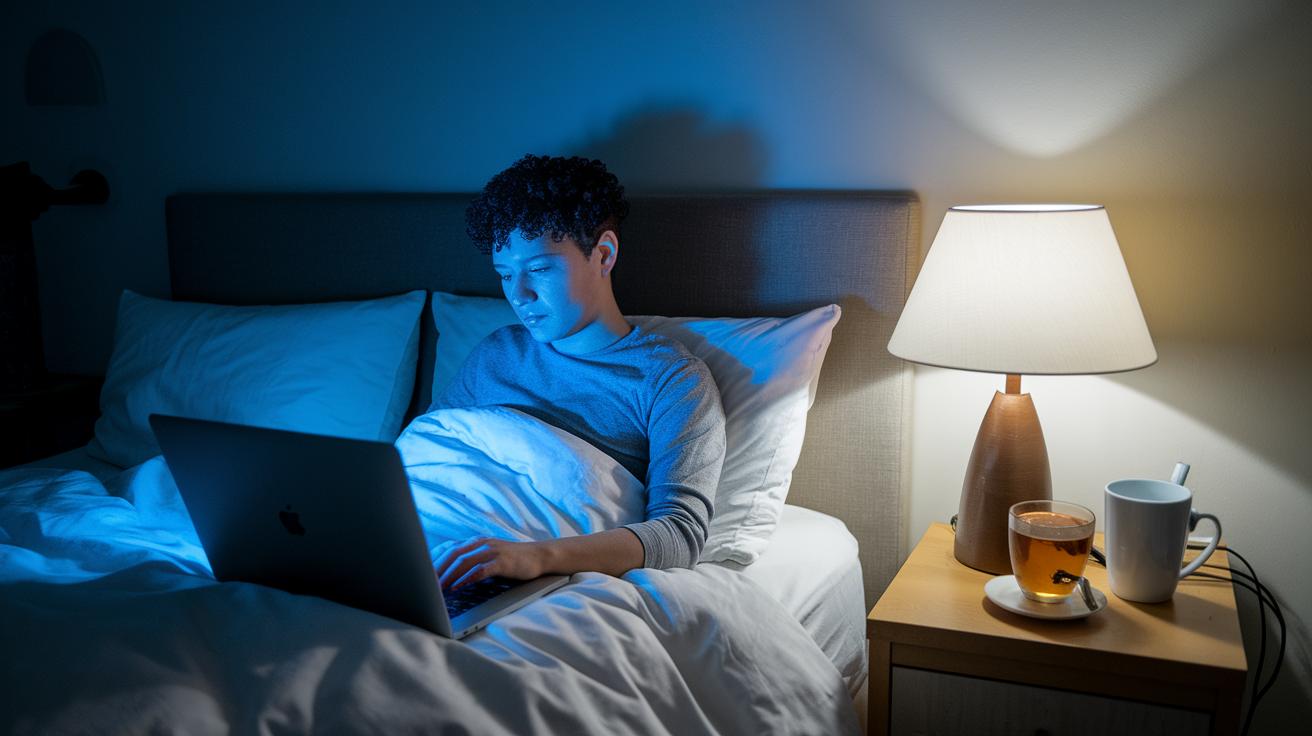
Spending too much time on screens can make it hard for you to sleep well at night. When you're glued to your laptop or phone, especially late in the evening, the blue light can throw off the natural rhythm of your sleep. Imagine finishing up work on your computer and then scrolling through social media, even if you're really tired. It might take a while before you finally drift off.
Cutting back on coffee and choosing healthier foods can also help ease anxiety. Too much caffeine can make you feel jittery and keep you awake at night. If you try drinking a little less coffee, you might notice better sleep. Eating foods that have omega-3 fatty acids, like fish and walnuts, can help your body handle stress more smoothly, keeping you balanced throughout the day.
Setting clear work hours is another friendly tip for managing anxiety. When you decide on a set schedule and remember to take short breaks, you’re less likely to get overwhelmed with tasks. This simple habit can save you from a mountain of stress and give you more time to relax after a busy day.
Even small changes in your routine can make a big difference. Think of creating a steady bedtime routine in a quiet, dark room or planning your meals with intention. Over time, these little habits add up to help lower your stress and bring lasting relief from anxiety.
Quick Anxiety Relief Tips for Immediate Stress Reduction

When life gets busy, it’s easy to feel overwhelmed and anxious. Taking a moment for yourself can make all the difference. These simple tricks help you find calm and refocus your energy before the worry takes over.
Hug a pet or snuggle with a cozy blanket. Even a few minutes with a furry friend can boost those feel-good hormones and give you a much-needed break from stress.
Try a Pomodoro break. Work for about 25 minutes and then give yourself a 5-minute pause. This short break can clear your head and ward off burnout.
A quick burst of movement, like a short walk or some light stretching, can lift your mood and ease tension. Even a brief walk around the room can make you feel lighter and more relaxed.
Spend just a minute or two writing down your thoughts. Jotting down your feelings can help you see things in a new light and calm any anxious feelings.
Keep these tips in mind for those high-pressure moments.
Final Words
In the action, this post covered a variety of stress relief methods that help calm anxiety. We touched on guided deep breathing techniques, mindfulness meditation practices, and muscle relaxation steps to ease tension. It also explored mixing physical activities like yoga with cognitive strategies to shift negative thought patterns. Plus, quick stress relief tips offer practical steps when time is short. Each method builds a pathway to long-term relief. Keep consistent with your favorite stress management techniques for anxiety and see the positive shifts in your daily life.
FAQ
Q: What are the five stress management techniques?
A: The five common techniques include mindfulness practices, breathing exercises, physical activity, cognitive strategies, and lifestyle habits. They help reduce stress both immediately and over time.
Q: How can I relieve stress quickly?
A: Relieving stress quickly can be achieved by practicing deep breathing, taking a brisk short walk, or engaging in micro-exercises. These fast techniques help calm both body and mind fast.
Q: What are some ways to cope with stress?
A: Coping with stress includes self-care routines, mindfulness, deep breathing, physical activity, cognitive reframing, and lifestyle adjustments. These methods offer flexible options for managing everyday pressure.
Q: How can stress be relieved specifically for a woman?
A: Relieving stress for a woman may involve gentle exercise, mindfulness meditation, and deep breathing, along with routines that promote self-care and balance to support overall well-being.
Q: How can I relieve stress quickly at home?
A: To relieve stress quickly at home, try deep-breathing exercises, a brief walk within your space, or a quiet moment with guided meditation. These methods provide rapid calm wherever you are.
Q: How can I deal with stress and depression?
A: Dealing with stress and depression involves blending mindfulness, physical activity, and cognitive strategies to shift negative thoughts and ease emotional weight, paving the way for better mood.
Q: What are quick relaxation techniques for anxiety?
A: Quick relaxation techniques for anxiety include deep-breathing methods, mindfulness exercises, and progressive muscle relaxation. These approaches help activate the body’s natural calm in moments of need.
Q: How can I cope with stress and anxiety?
A: Coping with stress and anxiety relies on integrating habits like mindful breathing, regular physical activity, cognitive restructuring, and a solid sleep routine to promote overall balance.
Q: What is the 5 5 5 method for anxiety?
A: The 5 5 5 method for anxiety requires you to identify five things you see, five things you can touch, and five things you hear. This practice grounds your awareness in the present moment.
Q: What are the 5 R’s of stress management?
A: The 5 R’s of stress management are recognize, relax, reflect, redistribute, and respond. They serve as a mental checklist to identify stress triggers and address them effectively.