Have you ever thought that just a few minutes of slow, deep breathing could brighten your day? Picture yourself sitting quietly, noticing the gentle flow of your breath, and feeling a calm center in the middle of a busy day. Mindful breathing helps you shift your mind away from stress and brings in a gentle sense of peace. Each slow, careful breath is like opening a door to a quiet, inner calm. In this post, you'll find simple steps to start and keep this practice, so you can enjoy little moments of clear, welcome relief even when life gets hectic.
Fundamental Mindfulness Meditation Practices
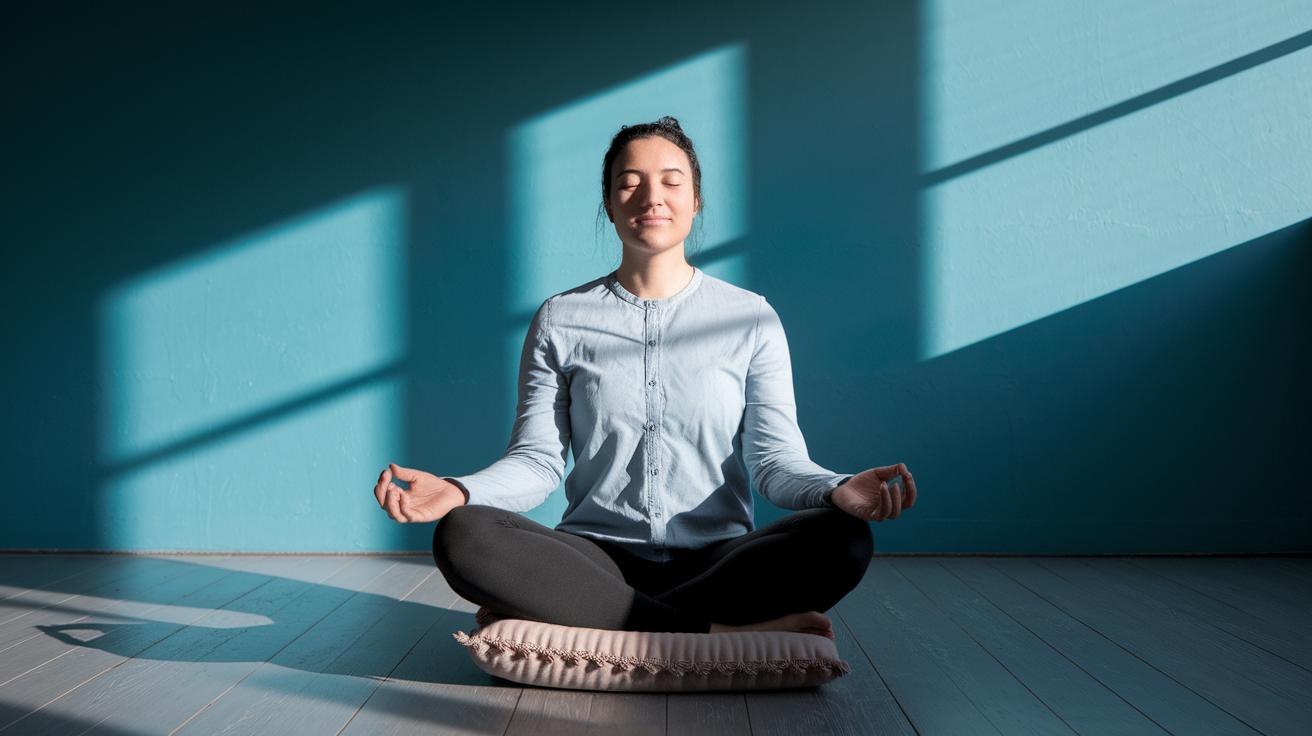
Mindfulness means paying full attention to the moment without judging it. It’s about letting go of distractions and gently focusing on your breath. This way, you start to notice the little details around you and inside you, which can help bring calm and clear thinking.
When you try mindfulness, you invite a clearer mind that can ease tension, lower stress, and help you deal with everyday challenges. Just five to ten minutes of breathing focus can turn into a powerful habit for overall well-being. It’s a simple way to slow down and reconnect with yourself, making each day a bit easier to handle.
- Find a quiet place where you can sit without being disturbed.
- Choose a steady seat such as a chair, cushion, or bench so that your body feels supported.
- Close your eyes or soften your gaze and listen to your natural breathing rhythm.
- When your mind wanders, kindly bring your attention back to the feeling of your breath.
- Set a timer for five to ten minutes to keep your practice on track, and slowly extend the time as you feel comfortable.
A good posture is key in this practice. Sit on a sturdy seat to keep your back straight yet relaxed. You might use a phone or kitchen timer to know when your session is over. This way, you won’t worry about going over time and can slowly build up your sessions, from five minutes at the start to perhaps 45 or 60 minutes later. Even simple guided meditations can help you learn to focus and stay calm. Stick with these simple steps and enjoy the calm and clear feeling that comes with each mindful breath.
Breath-Centered Mindfulness Meditation Techniques
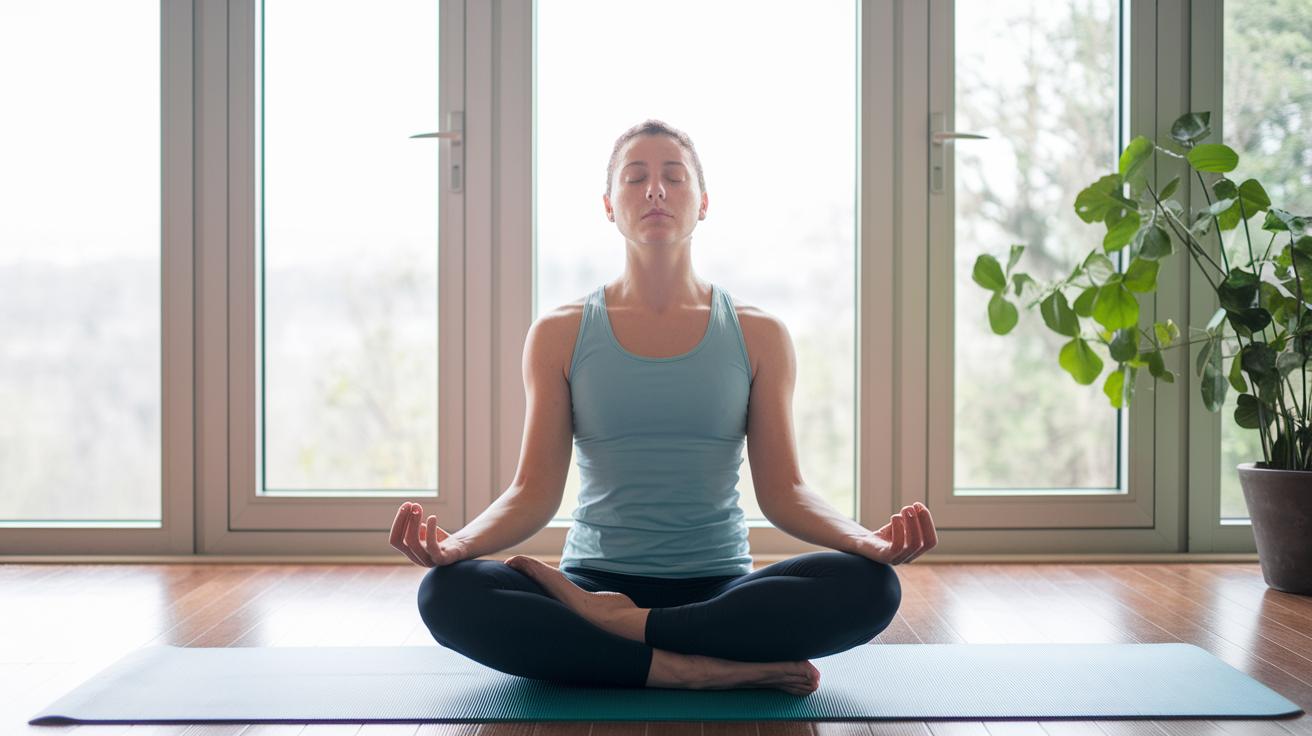
Sit comfortably with your back straight and let yourself relax. Focus on your every breath, each inhale and each exhale. Notice the gentle flow of air as it goes in and out of your body. As you do, count your breaths, one for the inhale and one for the exhale. If your mind drifts to daily worries or memories, simply guide it back, like returning to a calm pond after a small ripple. A simple mantra to try is: "Breathe in calm, breathe out tension," as if a soft wave is soothing your thoughts.
For a quick reset, try a 3-Minute Breathing Space. First, take a moment to notice what you're feeling, your thoughts, your emotions, and any physical sensations. Next, focus on your breath and feel your chest rise and fall. Then, widen your awareness to include your whole body and the room around you, observing any sounds or sensations without judging them.
Counting your breaths helps you stay in the moment and shows you when your thoughts wander. Every time you lose count, see it as a friendly reminder to return to your natural breathing rhythm. With practice, this simple technique becomes a gentle way to manage stress and find inner calm, turning everyday breathing into a powerful tool for peace.
Body Scan and Muscle Relaxation Mindfulness Techniques
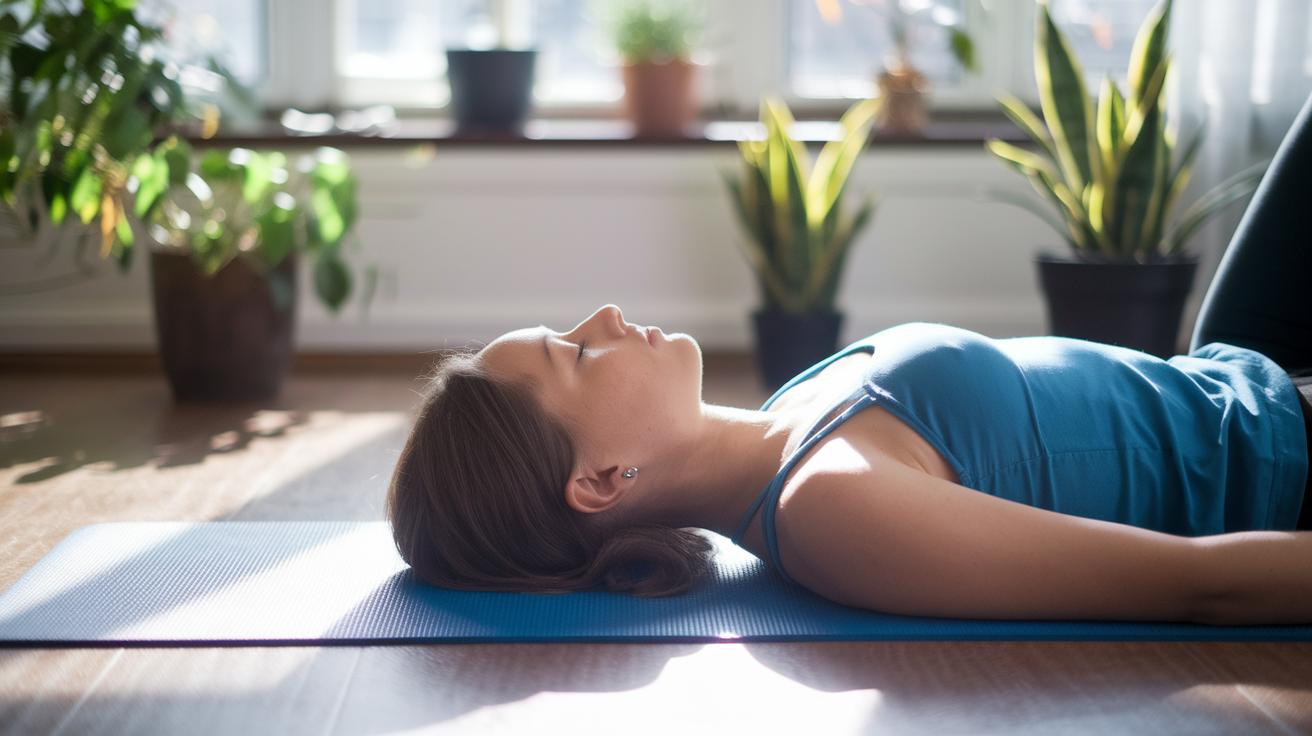
Start by settling down comfortably on your back or in a supportive chair. Close your eyes and gently bring your focus to your toes. Notice if they feel a slight tingle, warmth, or a cool sensation. Slowly let that awareness move up through your feet, calves, and thighs.
Then, shift your attention further up your body, moving to your belly, chest, shoulders, arms, and finally your neck, face, and head. As you do this, simply observe what you feel. You might think, "My legs feel light, and any tightness is easing away." There is no need to change anything; just notice each feeling as it comes.
Next, try a muscle relaxation exercise. Begin with your feet and calves by gently tensing these muscles for a few seconds before letting them relax slowly. Notice how this small burst of effort followed by calm feels soothing. Continue this pattern with your thighs and hips, then your stomach and chest. Finally, tighten and relax your arms, hands, neck, and shoulders.
Each step in this exercise helps highlight the difference between muscle tension and relaxation. Embrace this moment as a chance to reconnect with your body and invite a sense of peace.
Mindful Movement and Walking Meditation Techniques

Walking meditation changes an ordinary stroll into a gentle way of staying present. Start by choosing a peaceful path or a quiet hallway where you can relax and not be interrupted. Walk slowly and mindfully, paying close attention to how each foot lands and the smooth rhythm of your body. Every step invites you to feel the ground underfoot and notice how your body moves, much like feeling the steady beat of a favorite song.
This practice is about watching your thoughts without getting swept away by them. When feelings or thoughts drift in, let them pass by like leaves floating on a stream. Here are some simple ideas for a mindful walk:
- Walk slowly so that every step is intentional.
- Feel the pressure and contact of your feet with the ground.
- Notice how your body shifts gently with every move.
- Stay aware of the sights and sounds around you, without judging them.
Adding mindful walking to your daily routine can turn each step into a small moment of calm and awareness.
mindfulness meditation techniques for inner serenity

Using exercises that focus on your senses can help you feel truly present. They invite you to explore the world with your eyes, ears, hands, and nose. When you notice even the smallest details, life feels a bit more connected and calm.
Try the Raisin Exercise:
Pick a tiny food like a raisin or another snack that feels interesting. Look at its color, shape, and surface. Gently touch it, noticing if it’s smooth or rough and if it feels cool or warm. Hold it near your nose to enjoy its scent before slowly tasting it. Enjoy every moment and let your senses guide you.
Now, consider the Five Senses Exercise:
Sit comfortably and take a deep, slow breath. Look around and notice the colors and shapes in your space. Listen closely to all the sounds you hear, whether they are soft or loud. Feel different textures with your fingertips, maybe the fabric on your clothes or the surface of a table. Finally, notice any smells or tastes you experience. Let each sense naturally bring your attention back to the present.
Give Mindful Listening a try:
Close your eyes and breathe deeply. Listen to the sounds around you without trying to label them. Feel the softness, tone, and volume of each sound as they come and go. Allow yourself the freedom to simply be with the sounds, fully present in the moment.
Each of these exercises is a gentle reminder to embrace the now. Experiment with different practices and see which one helps you feel the most at ease. Enjoy the journey to feeling more alive and connected, one sensory moment at a time.
Quick and Time-Efficient Mindfulness Techniques
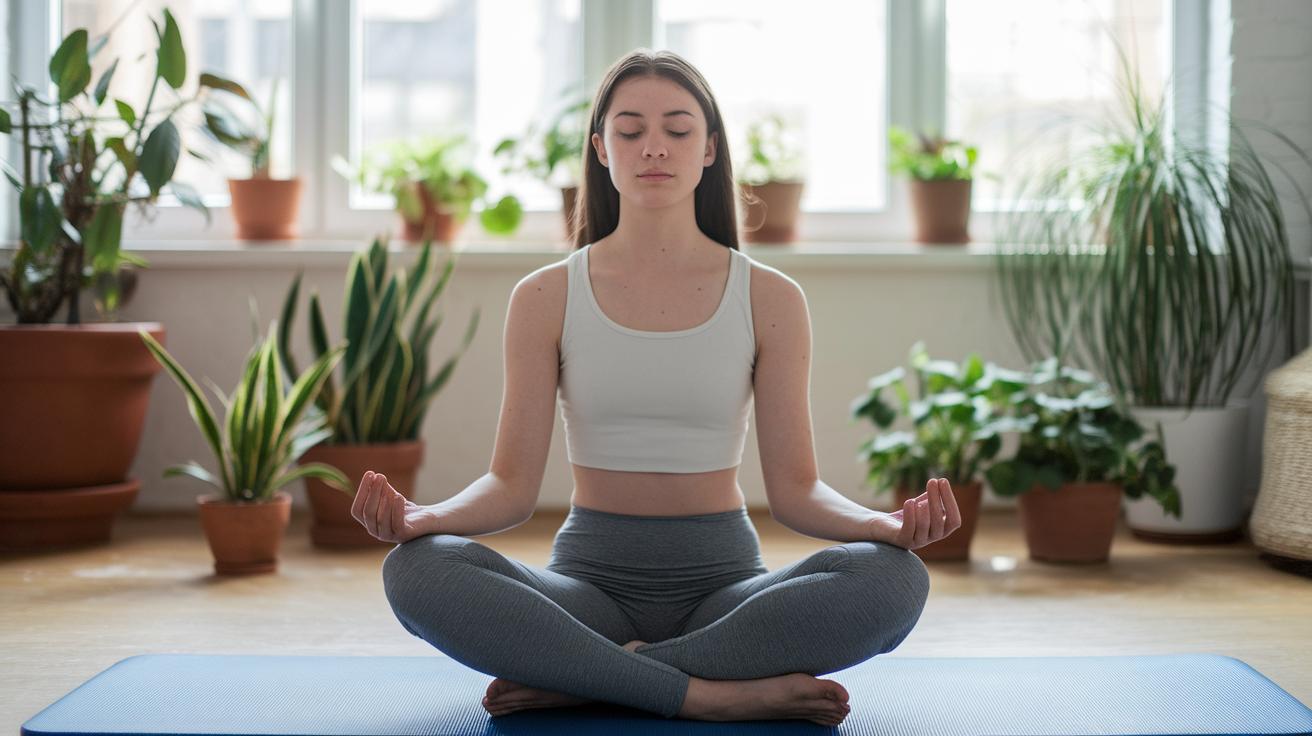
Even a few minutes of mindful practice can help you relax when things get hectic. Think of it like taking a short break to breathe and reset your thoughts. Combining a quick breathing exercise with a simple mindfulness checklist can make all the difference. You might set a timer for a brief pause and adjust your approach depending on how busy you feel.
Try these easy steps for a mini mindfulness break:
- Pick a 3- to 5-minute slot using your phone or even a kitchen timer.
- Begin by taking a deep breath and noticing how you feel, similar to a quick breathing space. For instance, say to yourself, "Breathe in, pause, and feel the moment."
- Then, quietly observe what sensations you’re experiencing and take a mental note of any thoughts that appear.
- Finally, let those thoughts drift away, allowing your mind to clear and prepare for the next task.
If you're pressed for time, simply focus on your breathing to give your mind a fast, calming reset.
| Step | Action |
|---|---|
| 1 | Set a timer for 3-5 minutes. |
| 2 | Take a deep breath and notice your feelings. |
| 3 | Quietly list out your sensations and thoughts. |
| 4 | Imagine your thoughts fading away as you recenter. |
Incorporating Mindfulness Meditation Techniques into Your Daily Routine

Have you ever tried adding tiny mindfulness breaks into your busy day? One friendly way is to take a short pause right after finishing a task, like sending an email or wrapping up a meeting. Just take one minute to breathe slowly and deeply. It might surprise you how even a minute of calm can help ease stress and clear your mind.
These quick breaks slip naturally into your day. Instead of setting aside a special time for meditation or journaling, try updating your routine with a brief mindful moment whenever you finish something. It’s an easy way to recenter without needing an extra block of time.
Here are some simple ideas:
| Tip | What to Do |
|---|---|
| Set an Alarm | Let your phone remind you at a natural break, like 3:00 p.m., to pause and notice your breath. |
| Reflect Briefly | After finishing a task, take a quick moment to think of one positive thought. |
| Feel the Transition | When switching activities, tune into how your feet feel on the ground and the air around you. |
By pairing these mini-breaks with your regular tasks, you add a fresh, simple way to practice mindfulness that fits right into your everyday life.
Final Words
In the action, we explored fundamental mindfulness meditation practices that offer a calm, clear presence. We covered breath-centered focus, body scans, mindful movement, sensory exercises, and quick sessions that fit busy schedules. Each section provided simple steps to build mindfulness meditation techniques into everyday life.
These easy practices help calm your mind and body. Enjoy the process of trying out new methods and notice small shifts in your focus and well-being. Stay positive and keep experimenting.
FAQ
What is mindfulness meditation for beginners?
The mindfulness meditation for beginners is a practice of sitting quietly and focusing on your breath. This method builds awareness by gently bringing your attention back when your mind wanders.
What are some mindfulness meditation techniques?
The mindfulness meditation techniques include focusing on your breath, scanning your body for sensations, and engaging in mindful walking. Each technique helps you experience calm and present awareness.
What does mindfulness meditation offer in benefits?
The mindfulness meditation benefits feature stress reduction, boosted focus, and a clearer sense of the present. This practice supports managing emotions and making daily stress easier to handle.
How can mindfulness help with anxiety?
The mindfulness for anxiety practice relies on deep, calm breathing and noticing your body sensations. This approach helps ease anxious thoughts by gently returning your focus to the breath.
What are the five basics or ways to practice mindfulness?
The five basics of mindfulness include breath awareness, body scanning, muscle relaxation, sensory exercises, and walking meditation. Each way builds present-moment focus and reduces stress in everyday life.
What are the 5 R’s of mindfulness?
The 5 R’s of mindfulness are Recognize, Reflect, Respond, Release, and Renew. This method guides you to notice your thoughts, assess feelings, let go, and bring your attention back to the present.
How do you do mindfulness meditation step by step?
The step-by-step mindfulness meditation involves sitting comfortably, focusing on your breath, noticing distracting thoughts without judgment, and gently returning your focus. This routine helps develop consistent calm.
Are there mindfulness exercises available in PDF format for adults?
The mindfulness exercises for adults often come in PDF guides, offering clear instructions for practices like breath focus, body scanning, and mindful walking to support a steady mindfulness routine.