Have you ever wondered if doing a few extra reps could improve your swing? New routines can help you build power and hit with more accuracy. By mixing practice with smart workouts, you keep your muscles strong and your swing precise. If your aim is to play for longer and hit harder, these exercises might just be what you need. In this post, we share simple techniques that any golfer can try to build strength and lower their score on the green.
Golf Workout Practices to Enhance Performance

Every day, mixing your time on the golf course with a structured workout can boost both your strength and your swing accuracy. This routine sets simple goals, like hitting the ball harder or playing longer. Many pros follow similar plans, working on their skills and building physical strength. You might even tell yourself, "Today, I'm adding more power to my swing," which can really help keep you focused.
Strength training is a big part of this plan. Working on muscles like your chest, back, core (the middle of your body), and legs can improve your swing mechanics and help you hit farther. Exercises such as weighted squats or rotations with a resistance band build a strong foundation for your game. Slowly increasing your weights or reps, step by step, helps your body grow stronger. As you might say, "Every extra rep builds my swing's power." This steady approach is much like what pros do, working hard to see real improvements.
Balanced workouts should also include stretching, endurance, and recovery exercises. Doing warm-up drills before practice and cool-down stretches afterwards can lower your risk of injury and give you a smoother swing. Adding some steady cardio or brief bursts of energy can keep you lively throughout a round. Tailor your training to fit your own goals and fitness level, even down to the equipment you use. Sometimes, just a few minutes of focused stretching can really change your game. This well-rounded routine lays the groundwork for lasting progress on the course.
Warm-Up Drills and Dynamic Stretching for Golfers

Starting your round with a proper warm-up can really make a difference. A few minutes of moving stretches gets your blood flowing and wakes up your muscles so you can swing better and reduce the chance of injury. Think of it as getting your car ready before a long drive. Your body needs to be in motion to work at its peak.
A good warm-up not only works the muscles you use during your swing but also helps your joints move more freely and makes you feel quicker. Imagine each stretch as a small step toward a smoother and more controlled swing. Picture a golfer saying, "I can feel my muscles coming to life, getting ready for the perfect shot!"
To begin your routine, try these dynamic stretches:
- Leg swings (front to back)
- Side leg swings (moving side to side)
- Trunk rotations (while standing)
- Arm circles (from small to large)
- Hip openers (deep lunges)
- Band-resisted shoulder rotations
Strength Training for Golf Power
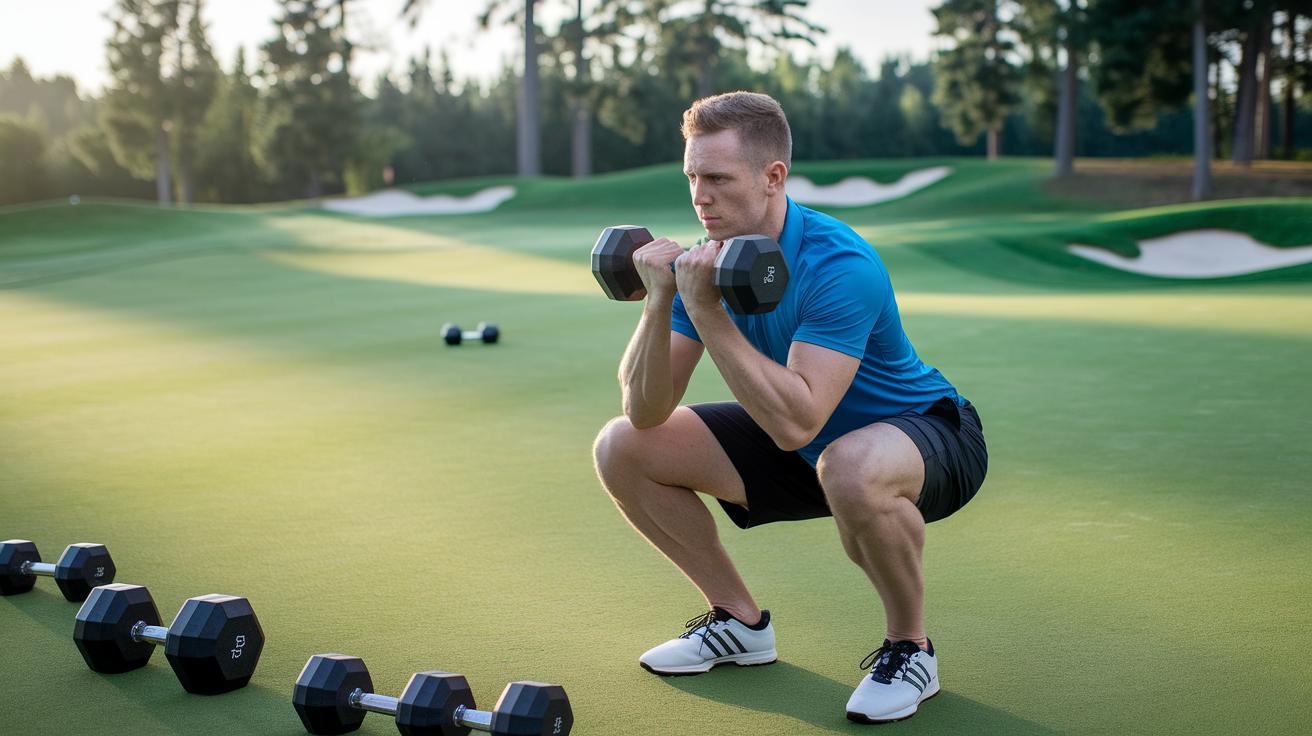
To boost your golf power, you need to work on the key muscles in your chest, back, core, and legs. Start by mixing up your routine instead of sticking with the same basic moves every time. Begin with dumbbell squats. Stand with your feet shoulder-width apart to build strong legs for those long drives while improving your posture.
Next, try some lat pulldowns. They work your upper back and help you turn more smoothly during your swing. Adding resistance band rotations is another great idea. These exercises mimic your swing motion and strengthen both your core and shoulders.
As you get more comfortable, slowly increase the weight, reps, or time under tension. This method, called progressive overload, challenges your muscles so they grow stronger. Remember to focus on good form with every move; it helps build strength and makes your swing more precise.
Picture yourself saying, "Every rep makes my swing more powerful and consistent." With each added challenge, you'll feel your control improve and your distance grow.
Flexibility and Mobility Drills to Improve Your Swing
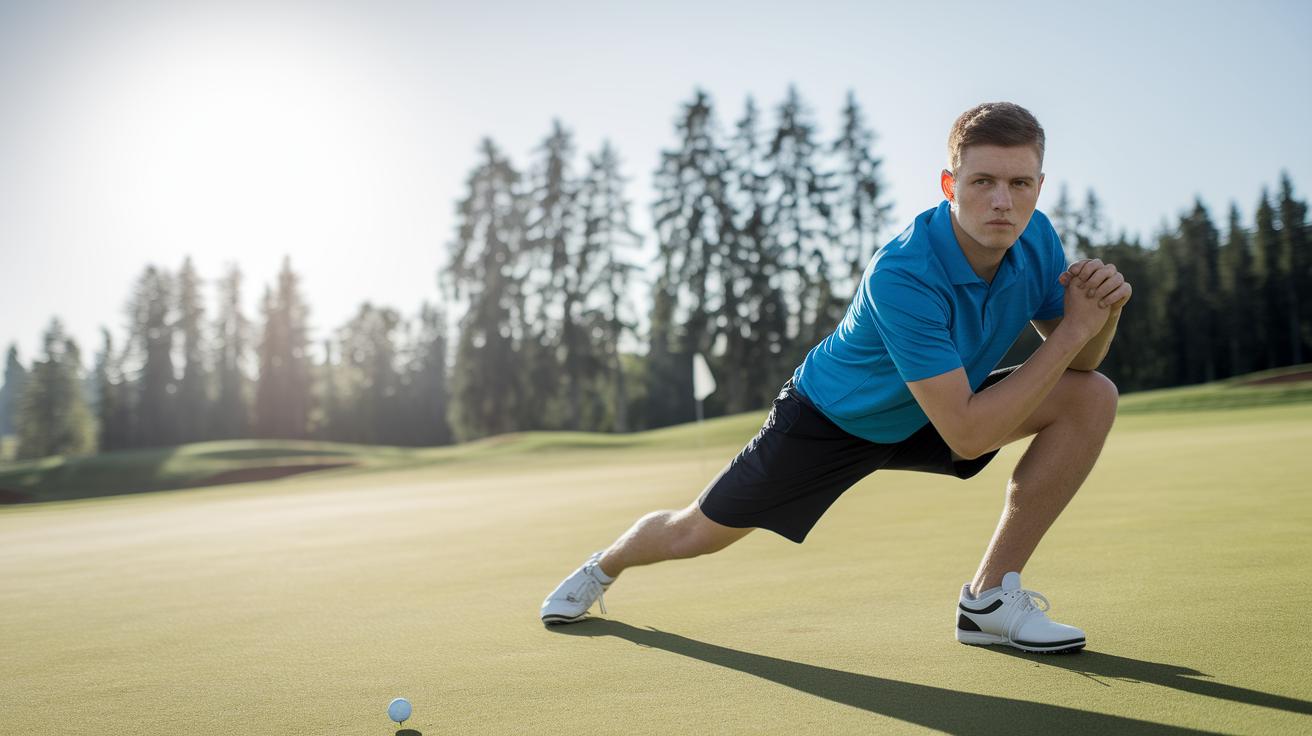
Before you head out to play, get your muscles moving with some dynamic warm-ups that open up your joints and boost your control. Start with easy movements like hamstring stretches done in motion, active lunges that move your hips, gentle twists for your upper back, simple shoulder drills, and soft twists for your lower back. Imagine doing a hip-flexor lunge where your muscles smoothly come to life, readying your swing for power.
After your round, take a few moments to ease any tight muscles by switching to calmer, static stretches. Instead of quick motions, use slow, steady movements to keep the benefits of your warm-up going. Try holding a hamstring stretch for about 30 seconds, sit down for a hip opener, add a few soft twists for your upper back, and finish with a relaxed twist for your lower back. Picture slowly breathing while you hold a stretch, feeling a gentle release of tension after a busy game.
Core Stability and Balance Work for a Consistent Swing

Building a strong core is a great way to keep your swing steady and controlled on the course. A solid core means working the muscles in your middle, like the sides of your waist, the deep tummy muscles that help you move, and your lower back, to form a strong base for each swing. When these muscles are tough, every twist and turn becomes smoother, letting you send power effortlessly from your body to the ball.
Think of it like laying a solid foundation for a house. If the bottom is secure, everything built on top works better too. Working on balance holds also trains your body to stay steady even when you move quickly or forcefully. This means you can swing powerfully over and over again. A workout that mixes core strength with balance not only helps your natural rotation but also builds your confidence, so every shot feels just right. When you start feeling that energy in your core, you know you are on track to a more consistent game.
- Rotational medicine-ball throws
- Side plank with hip dip
- Single-leg Romanian deadlift
- Bird-dog with reach
- Stability-ball plank
Endurance Workouts for Sustained Golf Performance
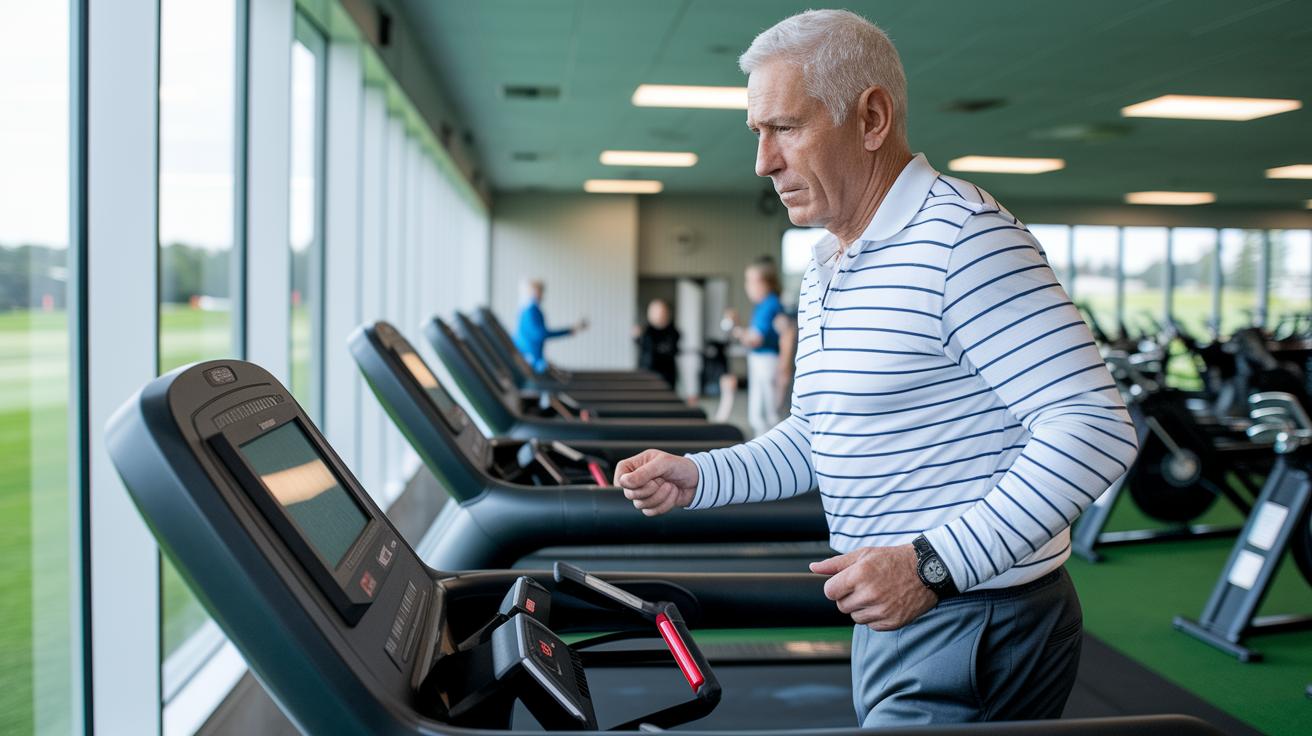
Good heart health keeps you alert and energized all through your round of golf. Mixing quick bursts of intense exercise with a steadier pace builds up your stamina and helps sharpen your focus. For example, try a twenty-minute session with short, hard efforts followed by brief rests. This kind of workout boosts your heart’s strength and helps you stay powerful across long rounds.
A regular 45-minute walk on a treadmill or a cycle ride can really set your pace. Over time, gradually increasing the time or intensity helps your fitness improve alongside your golf game. Stick to a routine, and let your body adjust by slowly adding a bit more challenge each week. This simple method makes it easier to face every round with fresh energy, keeping you ready to nail each swing on the course.
Golf Exercise Modifications for Beginners and Seniors
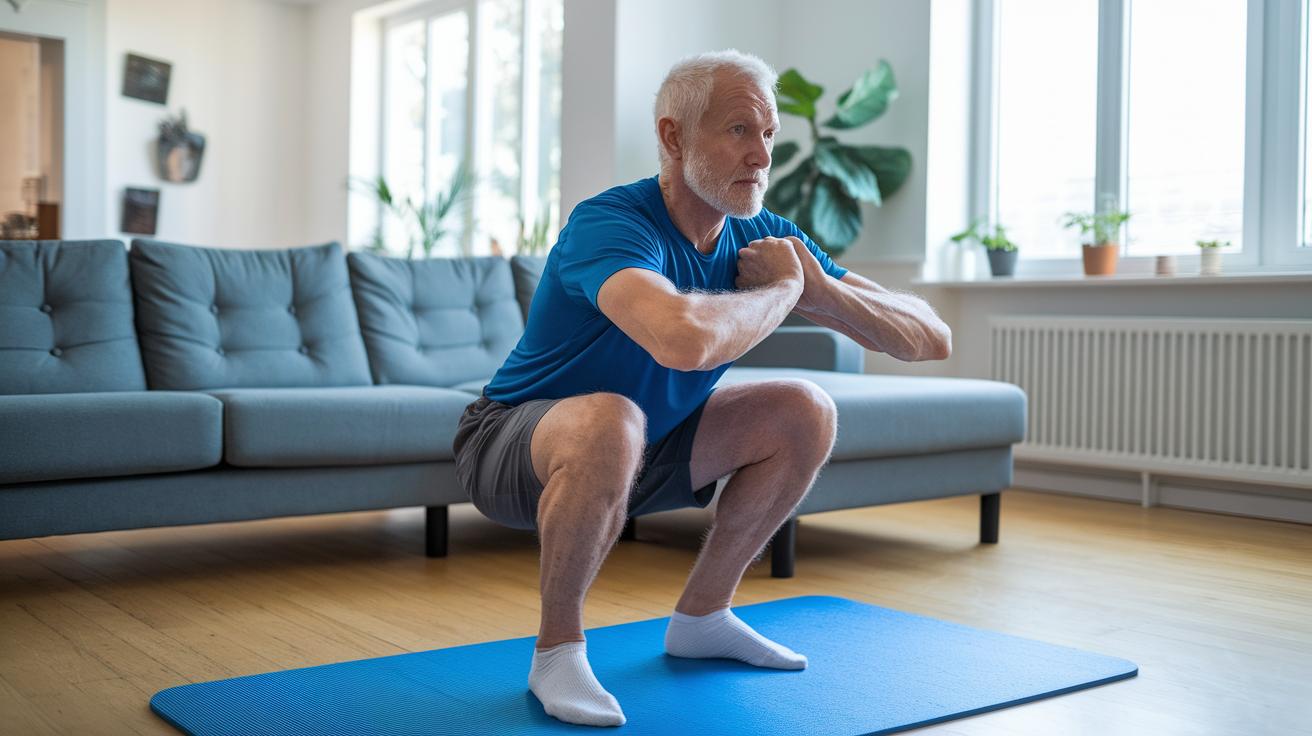
If you're just starting out or enjoying golf as a senior, it's smart to shape your workout to fit your current fitness, age, and the gear you have. Begin with simple bodyweight exercises you can do at home without any fancy equipment. For example, try bodyweight squats to build leg strength, wall push-ups to gently work your upper body, seated torso twists for a light core workout, and standing hip hinges to help keep your lower back flexible. Even doing these moves slowly can boost your balance and control, making your everyday strength work for a smoother golf swing without overloading your joints.
For those focusing on senior fitness, think about exercises that reduce impact and put safety first. You might use light resistance bands or opt for gentle mobility drills and short sessions. Instead of jumping into many repetitions at once, add a few extra reps gradually as you feel ready. Over time, this steady approach can help you build strength and confidence on the course. Imagine finishing a session feeling steadier and more energized, knowing every small improvement leads to a more balanced and confident swing.
Final Words
In the action, we explored a range of methods that boost your performance. You learned about warm-up drills, strength training, flexibility, heart-healthy endurance workouts, and balancing core stability. The overview also touched on safe modifications for beginners and seniors. Each section offered practical advice to help you elevate your game and improve your swing mechanics. With these exercise routines for golfers, you're well set to enjoy every swing and feel more confident on the course. Keep moving forward and have fun perfecting your routine.
FAQ
Q: What is a golf workout program PDF?
A: A golf workout program PDF typically presents a clear guide with exercises to build strength, flexibility, and balance for an improved swing. It details routines and drills suitable for various skill levels.
Q: How can I access free exercise routines for golfers at home, including programs with weights?
A: Free exercise routines for golfers at home combine bodyweight and weighted workouts designed to boost strength, mobility, and endurance. They offer clear instructions, so you can exercise effectively without expensive equipment.
Q: What is the best workout routine for golf and how many days a week should a golfer workout?
A: The best golf workout routine blends strength, flexibility, and endurance drills. Most golfers find that exercising three to four days a week fits well with practice, recovery, and on-course play.
Q: What kind of workouts do pro golfers do to improve their swing?
A: Pro golfers use a mix of strength exercises, dynamic stretches, and cardio drills that target the core, back, and legs to boost swing mechanics, power, and stability on the course.
Q: What exercise improves a golf swing?
A: Exercises improving a golf swing focus on core stability and rotational strength, such as rotational medicine-ball throws and dynamic stretches, which support smoother swings and better ball control.