Ever feel like your stress is getting the best of you? It happens to all of us. This easy approach shows you simple ways to bring calm into your day when things get hectic.
Stress management is really about taking small, proven steps to clear your head and ease tension. Try swapping that constant pressure for moments of calm, like taking a deep, slow breath or going for a brisk walk. These little actions can make your mind and body feel a lot healthier.
In this article, you'll find easy tips to help you take control of stress. You'll learn how to turn everyday challenges into chances for finding clarity and peace.
what is stress management: Easy Calm Methods

Stress management is about using simple, proven ways to ease the pressure you feel every day. It helps lower tension, improve your reactions to daily challenges, and build up a healthier body and mind. Think of it like taking a hectic moment and turning it into a time of calm clarity, much like an artist who finds peace in every brushstroke. This approach keeps you steady even when things get overwhelming.
When you feel stressed, your body kicks into a fight-or-flight mode by releasing hormones like adrenaline and cortisol. These hormones boost your heart rate and sharpen your senses so you’re ready to handle what comes next. Stress pops up in two ways: acute stress is a quick burst of tension, while chronic stress builds slowly and can make it harder for your body to digest food or fight off germs.
Everyone handles stress in their own way. What feels like a huge challenge to one person might be just a small bump for someone else. For instance, one person might feel really anxious about a tight deadline, while another becomes calm and focused. By noticing these personal differences, you can choose the easy calm methods that work best for you.
Importance and Benefits of Effective Stress Management

Stress that isn't managed can really cloud your thinking and make everyday tasks seem harder. When your mind is overloaded, even simple choices can feel overwhelming, and your body pays the price. High stress can mess with your sleep, slow down digestion, and even weaken your immune system. Imagine feeling so tense that even small setbacks seem huge. It's your mind and body giving you a hint to slow down and take a breather.
Taking time to manage stress can bring clear benefits. Regular exercise, like a brisk walk or a bike ride, helps release chemicals in your brain that boost your mood. Spending time with friends or simply making time for yourself also helps balance your stress response. Small changes like eating well, getting plenty of rest, and finding moments to relax can make daily challenges easier to handle and lift your overall well-being.
Identifying and Measuring Stress for Better Management

Understanding what causes stress is the first step to feeling better. Many folks face stress from big changes or everyday pressures without even knowing it. You can start by keeping a simple stress journal or trying a stress tracker app. Write down when you feel tense, what happened, and how you reacted. This simple habit can help reveal hidden stress triggers. Some people like to discuss these feelings with a trusted friend or a professional, but starting with some honest self-reflection is a strong move.
Using a journal or app makes it easier to see patterns in your mood and habits. Once you notice these patterns, you can take small actions to calm down, maybe take a short break, adjust your day, or ask for a little help. This self-check helps you learn how your body responds and guides you to the best ways to relax.
| Tool | Method | Purpose |
|---|---|---|
| Stress Journal | Daily written reflections | Record stress triggers and feelings |
| Stress Tracker App | Digital logging | Monitor patterns and set reminders |
| Self-Report Questionnaire | Answering guided questions | Assess stress levels over time |
| Biometric Monitoring | Tracking sleep, heart rate, etc. | Identify physical responses to stress |
Taking just a few minutes each day to note stressful events can give you a clearer picture of what needs to change. When you start to see the early signs, you have a chance to adjust your routine or take a break before stress builds up. This simple self-assessment not only points out areas that need care but also opens the door to practical tips for a calmer, more balanced life.
Core Stress Relief Techniques: Mindfulness, Exercise, and Relaxation

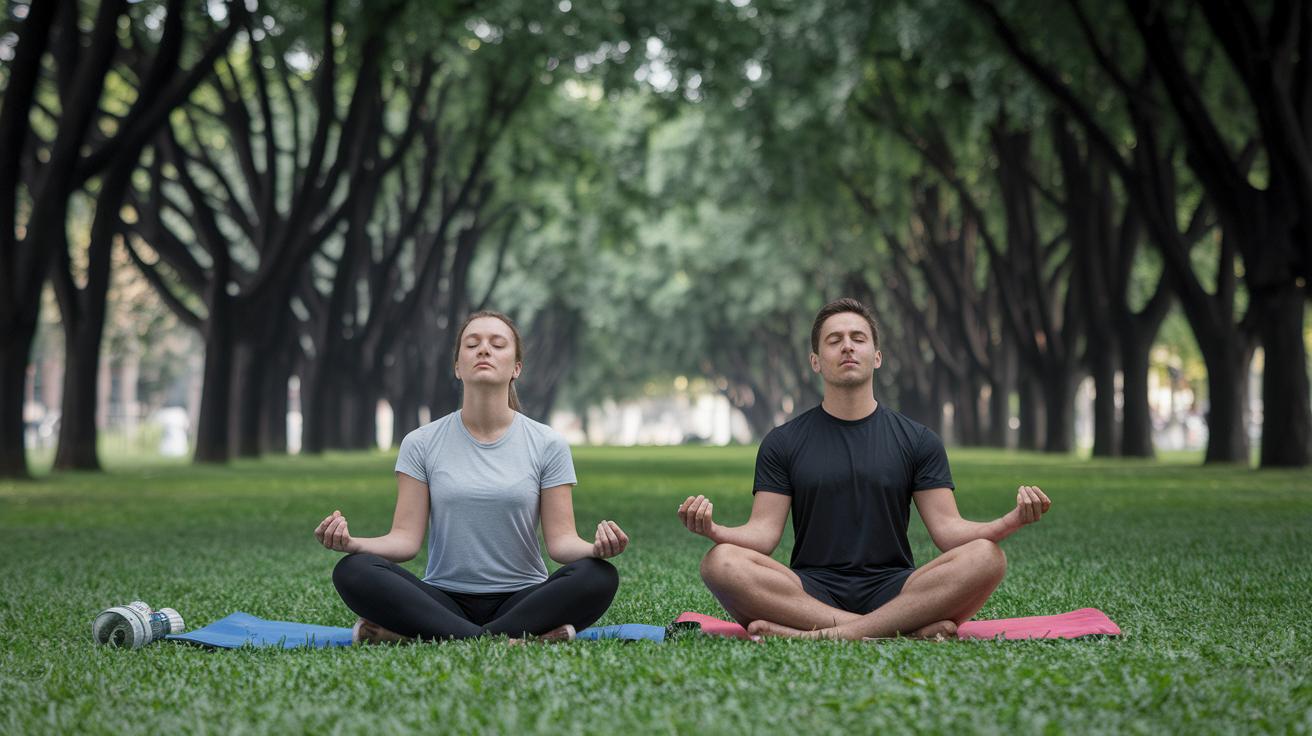
When stress builds up, simple ways can help you feel calm and in control. Stress relief usually comes in three flavors: mind care, moving your body, and taking a moment to relax. These methods work to ease both your mind and body by triggering natural feel-good chemicals. They can be as soft as taking a few deep breaths or as lively as a cheerful walk outside. For example, pausing for mindful breathing during a busy day can give you a quick reset.
Here are seven easy techniques to try:
- Try deep, mindful breathing
- Relax your muscles step by step
- Listen to a guided meditation or mindfulness session
- Get moving with exercise like walking, running, or biking
- Enjoy gentle practices like tai chi or yoga
- Plan your time so you know what needs doing first
- Spend time face-to-face with friends
Each of these tips helps lower stress using simple, everyday actions that clear your mind and boost your energy. A little change, a few minutes of focused breathing or a planned workout, can turn a small pause into lasting calm.
Give these techniques a try and see which ones fit best into your day. Even a tiny, regular change, like setting aside a moment for a walk or a few deep breaths, can really change how you feel. Over time, these small habits work together to keep you relaxed and ready for life’s ups and downs.
Building Stress Resilience Through Skills and Daily Routines
Stress management is more than a quick fix. It's about building skills that help you for the long run. The four steps are simple: avoid, alter, adapt, and accept. Try to steer clear of situations that stress you out. Change what you can in your routine, shift your mindset when problems pop up, and simply accept what you cannot change. For example, if you're reaching for junk food, grab a crisp, juicy apple instead. This small change shows how tweaking your habits can boost both your mood and your well-being.
Daily routines are key to handling stress better. Keeping a regular sleep schedule, eating balanced meals, and taking mindful breaks gives your body a well-deserved chance to recharge. Even setting aside time for a hobby or fun activity can work wonders as an anti-stress tip. Picture this: a quick five-minute walk or a little deep breathing session can feel like a mini-break from a busy day. Over time, these steady habits create a balanced lifestyle that not only lowers stress at the moment but also builds a strong base for managing life's twists and turns.
Adapting Stress Management Strategies for Work, School, and Home

At work, it helps to break your day into small, manageable chunks. When deadlines seem to pile up, try planning your day in simple time blocks so tasks feel less overwhelming. Even a few minutes of deep breathing or a quick series of desk stretches, like gentle shoulder rolls, can clear your mind and ease the tension. These little pauses give both your body and mind a refreshing break.
In school and at home, keeping a steady routine can really lower stress. If you are a student, mixing focused study times with short rests can ease exam worries. And at home, enjoying family activities or a quiet moment for yourself can bring relief. Whether it's a short walk outside or just pausing to take a deep breath, adding these breaks can make daily challenges feel easier to handle.
Final Words
In the action, this article laid out clear steps for managing stress by defining its impact, exploring physical and mental techniques, and pinpointing daily routines that build resilience. We looked at simple practices like mindful breathing, regular exercise, and tracking feelings to catch stress early. By applying these methods at work, school, and home, you can feel more balanced and calm. Remember, when you ask "what is stress management?" you're opening a door to simple strategies for a healthier life. Stay positive and keep moving forward.
FAQ
Stress management PDF
The term stress management PDF refers to a document that details techniques and strategies for reducing stress, offering readers a helpful guide to manage daily pressures.
What are the five stress management techniques?
The five stress management techniques include mindful breathing, progressive muscle relaxation, regular exercise, effective time management, and engaging in social activities for support.
Importance of stress management
The importance of stress management lies in its ability to improve mental and physical well-being, reduce burnout, and help maintain a balanced emotional state for clearer thinking.
Causes of stress management
The causes prompting the need for stress management often include work pressure, relationship challenges, health concerns, and unexpected life changes that trigger the body’s stress response.
Types of stress
Types of stress vary and include acute stress from sudden events, chronic stress due to prolonged pressures, and episodic stress seen in individuals frequently facing multiple stress triggers.
10 advantages of stress management
Ten advantages of stress management are better mood, improved sleep, enhanced immune function, clearer thinking, effective decision-making, reduced anxiety, increased energy, healthier relationships, balanced emotions, and overall well-being.
Stress management ppt
A stress management PPT is a PowerPoint presentation that outlines key strategies and techniques to help individuals reduce stress and build resilience, serving as a visual guide for practical tips.
Stress management definition by authors
Stress management, as defined by various authors, is the practice of using coping strategies like mindfulness, exercise, and effective planning to reduce stress levels and promote a healthier lifestyle.
What is meant by stress management?
Stress management means using specific techniques to lower stress, improve reactions to challenges, and build resilience, ultimately helping individuals lead healthier, more balanced lives.
How to manage stress effectively?
Managing stress effectively involves integrating mindfulness practices, regular exercise, proper time management, and healthy lifestyle adjustments that together reduce the impact of stress on daily activities.
What are the three main strategies to manage stress?
The three main strategies to manage stress typically involve prevention through healthy habits, reduction using coping techniques, and properly addressing challenges with practical solutions.
What are the 5 A’s of stress management?
The 5 A’s of stress management refer to avoid, alter, adapt, accept, and ask for help, offering a clear framework for handling stress and maintaining well-being.