Have you ever thought that a few simple moves could really change your workout? Compound exercises work several joints and muscle groups at once, making your routine more efficient. They help you lift heavier weights and build strength all over your body.
Picture each move as a key piece that forms a balanced and powerful frame. Now is a great time to refresh your workout with compound routines that add both strength and mobility to every rep.
Core Compound Exercise Routines for Total Body Strength
Compound exercises work several joints and muscle groups at once. They let you lift heavier and build overall strength while improving mobility. Moves like squats, deadlifts, bench presses, and pull-ups work your legs, core, back, chest, shoulders, and arms all at the same time. For example, when you do a deadlift, it strengthens your back, engages your abs, and eases lower back discomfort by training your whole body.
These exercises are the building blocks of a strong workout routine. Since each move targets more than one muscle group, your workout feels efficient and well-rounded. Think of it like constructing a sturdy framework, each exercise, whether it’s a solid squat or an energetic pull-up, adds an important piece. Imagine starting your session with a push-up; it’s not just about one arm warming up but about setting the stage for balanced upper-body strength.
Another great thing about compound moves is how they make your workout time count. By choosing routines that combine intensity with time-saving benefits, you can achieve much more in every session. Focus on mastering proper form, for instance, squat until your thighs are parallel to the floor before increasing weight, and then gradually add more reps or weight to keep challenging your muscles. This progressive approach fits perfectly into an efficient strength-building plan.
Key Compound Lifts and Muscle Engagement

The Barbell Back Squat is a strong move that works multiple muscles. It targets your quads (the muscles on the front of your thighs), glutes (your butt muscles), hamstrings (at the back of your thighs), and your core (the muscles in your middle). When you squat, you build a firm lower body and a stable center. Imagine lowering into a squat as if you were sitting in an invisible chair, that solid base helps you get stronger overall.
Next, the deadlift is one of the heaviest lifts you can do. It focuses on the muscles in your back, including your hamstrings, glutes, the erector spinae (muscles along your spine), and your traps (upper back muscles). Try to keep your back straight and bend at your hips just right. It feels a bit like a cool splash after a warm run, waking up your back and leg muscles.
The bench press is another important move for upper-body strength. This exercise works your chest, shoulders, and triceps (the muscles on the back of your arms). It builds the power needed for any push movement. And if you add the military press, you'll target your deltoids (shoulder muscles), triceps, and upper traps, boosting shoulder strength even more.
Pull-ups or chin-ups are great for building pull strength. They work your lats (the large muscles across your back), biceps, and mid-back. They add a solid piece to your upper-body routine. You can also try the bent-over row, which hones in on your lats, rhomboids (the muscles between your shoulder blades), and rear delts, giving you a balanced, full-back workout.
Consider adding Barbell Hip Thrusts to your routine. This move zeroes in on your glutes and hamstrings, building the power you need from your hips for everyday activities. And don’t forget planks. They might seem simple, but this core exercise strengthens your abs, back muscles, and even your shoulders, keeping your body steady.
Remember: Think of the plank like a bridge. Keeping your middle strong sets the stage for all the lifts ahead.
Sample Weekly Compound Exercise Routine Schedule
These plans give you a simple guide for a balanced week of workouts. Each schedule uses compound lifts that work several muscles at the same time, saving you time while boosting your overall strength. For example, the 3-day push/pull/legs split lets you focus on different movement patterns every session. On push day, you work with exercises like bench press, overhead press, and dips. On pull day, you target exercises such as deadlifts, pull-ups, and bent‑over rows to strengthen your back and arms. And on leg day, moves like squats, hip thrusts, and lunges help build lower-body power.
If you like keeping your workouts frequent, try the 5-day upper/lower variation. This plan alternates between upper-body and lower-body workouts, and then wraps up with a full-body session. It makes sure every muscle group gets a workout while keeping the routine simple and steady.
For those looking to speed up their progress, the 6-day push/pull/legs schedule offers two full cycles each week. With more exercise volume and frequent sessions, you get plenty of practice to strengthen your muscles and refine your technique.
| Weekly Schedule | Day Breakdown | Sample Compound Exercises |
|---|---|---|
| 3-Day Push/Pull/Legs |
|
|
| 5-Day Upper/Lower Variation |
|
|
| 6-Day PPL Split |
|
|
Proper Form and Progressive Overload in Compound Exercise Routines
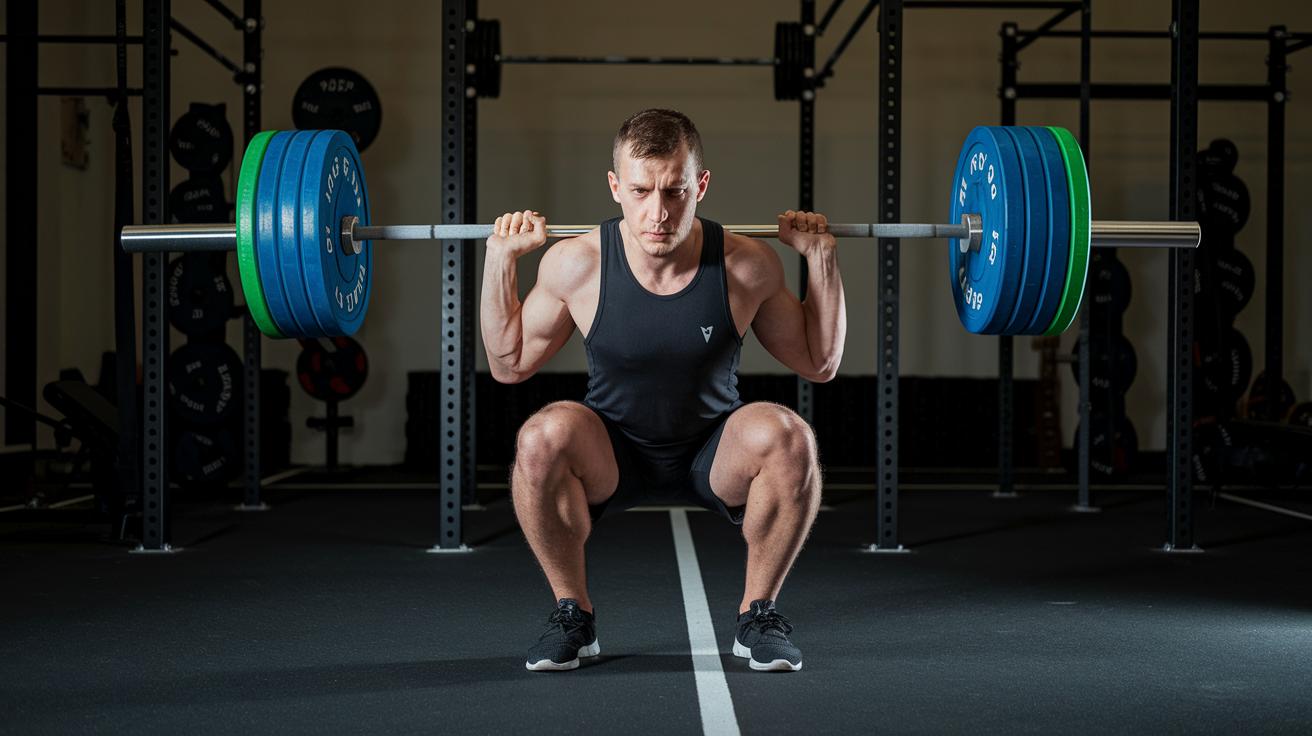
When you lift weights, keeping good form makes a huge difference. Try to squat until your thighs are parallel to the ground or even lower, as if you're slowly sitting into an invisible chair. For bench presses, gently lower the bar until it just hovers above your chest. And when you do deadlifts, focus on a neutral spine and use your hips to lift. When you push an overhead press, keep your core tight and make sure your wrists are aligned, so every movement works with your body.
Start by perfecting your technique with a full range of motion. This builds a strong base for safe and smooth exercises. Once you feel comfortable, move to increasing your reps in the 6 to 10 range. When you near the limit of your strength, add a little extra weight. This steady, gradual process helps your muscles grow and become stronger over time.
It also helps to mix up your routine every 4 to 6 weeks. Changing the number of reps and the amount of weight you use can keep workouts fresh and lower your chance of injury. Think of it like updating your workout settings to prevent plateaus.
- Imagine sitting in an invisible chair as you squat.
- Picture gently lowering the bar in a bench press, almost like placing it just above your chest.
- See your deadlift as a controlled move, with your hips leading and your back straight.
Modifying Compound Exercise Routines for Different Fitness Levels
If you're just starting out, try perfecting your moves using just your bodyweight first. Once you feel comfortable, slowly add helper exercises like the Romanian deadlift or close-grip bench press using moderate weights for 8 to 12 reps. These exercises help your muscles work together better. Sometimes, it might even feel like your muscles are moving in perfect sync with each rep.
Tailor your workout plan to match your experience. Newcomers can switch up their moves every 4 to 6 weeks to keep things fresh and challenging. Meanwhile, those who have been training a while might stick to a routine for 8 to 12 weeks, steadily building strength over time.
- Start by practicing proper form with bodyweight moves.
- Add helper lifts to improve muscle coordination.
- Try changing exercises every 4 to 6 weeks when you're new, and every 8 to 12 weeks if you've got more experience.
Final Words
In the action, you’ve learned how compound exercise routines can boost total-body strength while saving time. We've seen how heavy lifts like squats, deadlifts, and bench presses work together with recovery and form cues. The tips on progressive overload and adapting routines for every fitness level add practical value. Each section aimed to spark fresh inspiration for workouts that cover all key muscle groups. Keep pushing forward with your total-body strength and enjoy the energy these workouts bring.
FAQ
What is a compound exercise workout plan PDF?
The compound exercise workout plan PDF is a downloadable guide outlining multi-joint workouts to build strength quickly. It usually includes exercise lists, sample routines, and form tips for effective training.
What are compound exercise routines for beginners?
The compound exercise routines for beginners introduce step-by-step plans with simple, bodyweight-based movements. They focus on basic multi-joint lifts to help you build strength safely and build confidence in your workout skills.
What is a compound exercises list?
The compound exercises list highlights key movements like squats, deadlifts, bench presses, rows, and lunges. These exercises work several muscle groups simultaneously, making strength training efficient and balanced.
What is a full-body compound workout?
The full-body compound workout targets multiple muscle groups with movements that involve several joints at once. It commonly includes exercises such as squats, deadlifts, and presses to maximize overall strength and coordination.
Can compound exercise routines build muscle mass?
The compound exercise routines for mass use heavy, multi-joint movements to build muscle size and strength. By engaging many muscle groups at once, these routines make your training time effective and productive.
How can I do compound exercise routines at home?
The compound exercise routines at home are designed with minimal equipment in mind. They use exercises like push-ups, bodyweight squats, and free-weight moves to provide a full-body workout without the need for a gym.
What does a 3 day compound workout routine involve?
The 3 day compound workout routine splits training into push, pull, and leg days. Each session features multi-joint movements such as bench press, deadlift, and squats for balanced and focused strength development.
What are the big five compound workout routines and top five compound exercises?
The big five compound exercises typically include squats, deadlifts, bench press, overhead press, and rows. These movements target several key muscle groups, making them essential for building overall strength and size.
What is the 6 12 25 rule?
The 6 12 25 rule offers guidelines for your workout reps and weight increases. It suggests doing between 6 to 12 reps per set and moving to a heavier load when you can perform 25 quality reps in a row.
How do exercises like deadlift, bent‑over row, overhead press, one‑arm dumbbell row, and lunge benefit my training?
These compound exercises work multiple muscle groups at the same time. They build strength, coordination, and balance by engaging the back, shoulders, arms, and legs in a single, dynamic movement.