Have you ever thought about swimming faster even when you're out of the pool? Strength training might be the trick. Adding exercises that copy your swim movements can build the muscle power you need. When your body grows stronger, your strokes become smoother, almost like you're practicing in the water during a gym session. In this post, we'll share how certain gym workouts can boost your swimming skills and make each lap more fun.
How Strength Training for Swimming Boosts Performance
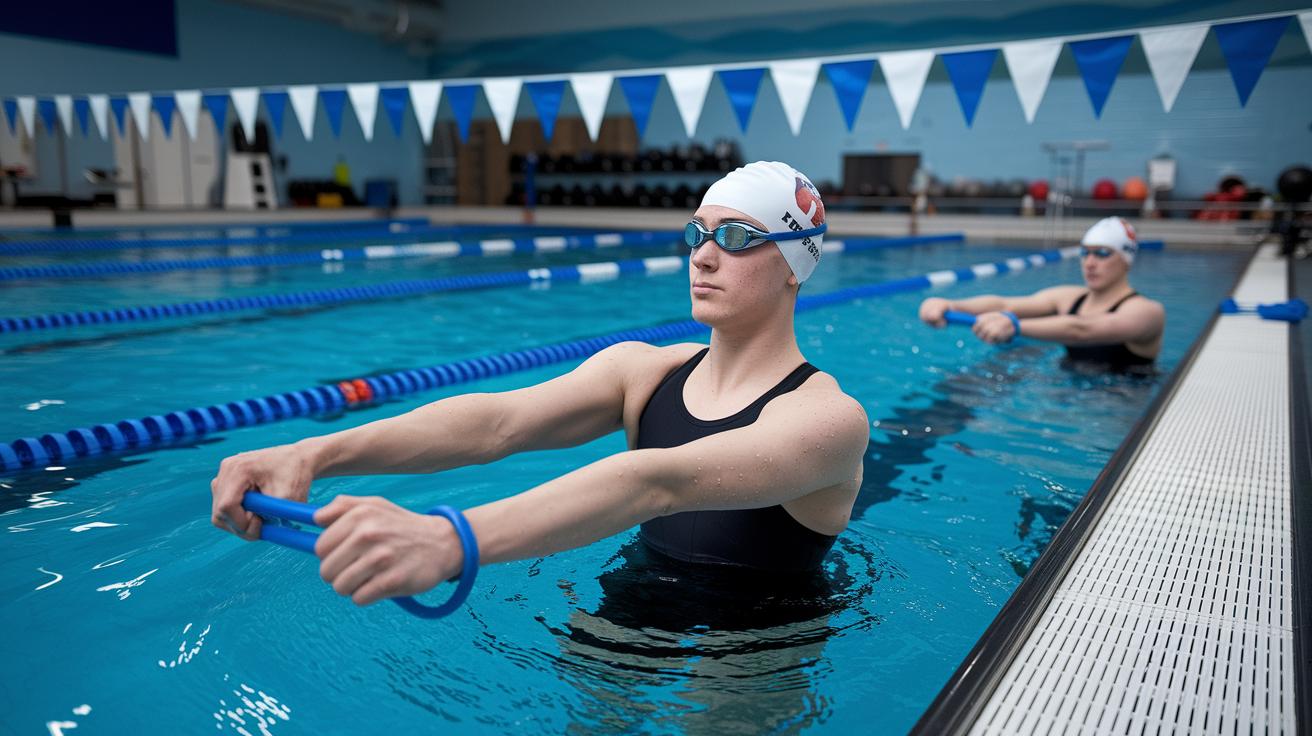
Adding strength training to your swimming routine can really make a difference. It helps boost your energy and endurance and gives you that extra power you need for every stroke. When you work on exercises that mirror your swim movements, your muscles grow stronger, which means longer strokes and quicker laps. Think of it as tuning up your body, each exercise helps you pull more water and glide through the pool more easily.
Training that focuses on the specific moves you use in the water makes your gym sessions feel like practice in the pool. You work on the same rhythms and motions, so your body learns to move smoothly and efficiently. Over time, your technique improves, and you feel more confident during every swim. Plus, by getting your muscles ready for the unique demands of swimming, you can finish long distances with less fatigue and more energy.
Core Muscle Groups Engaged in Swim Strength Training
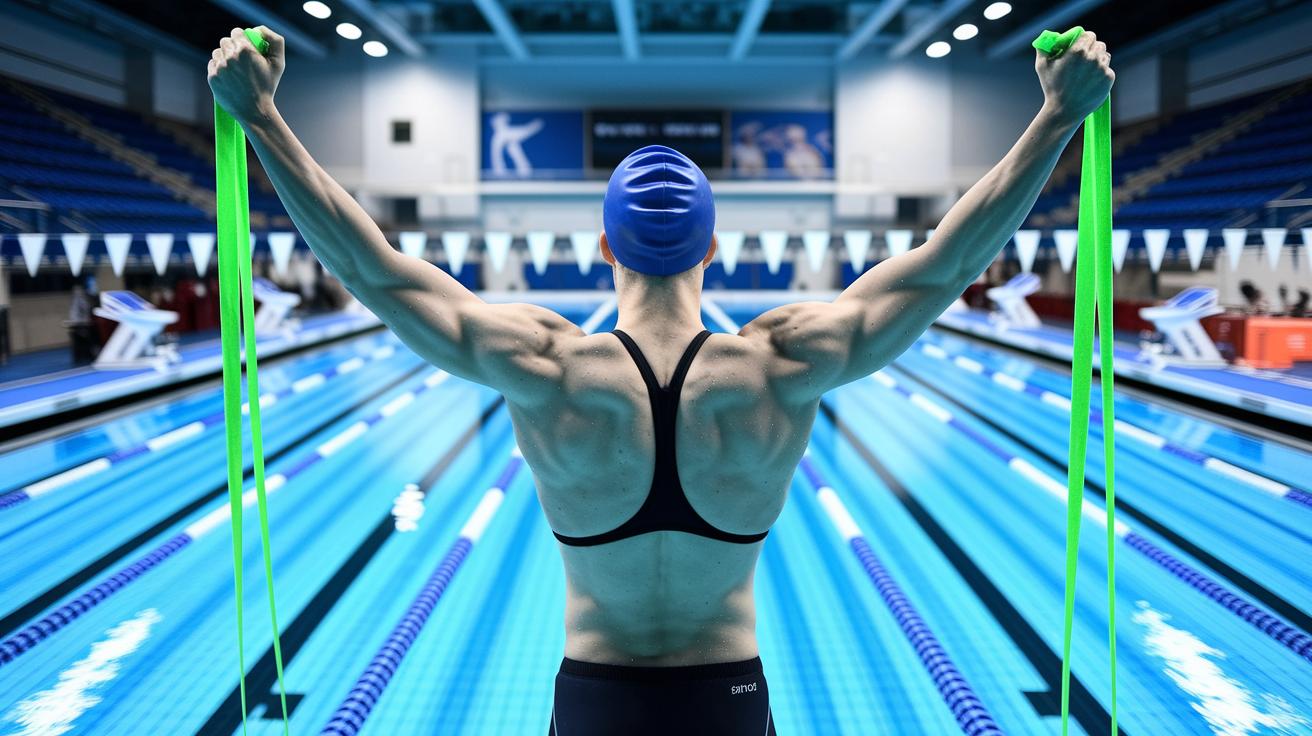
When swimmers strengthen key areas like their shoulders, back, arms, and legs, every stroke feels smoother and more powerful. Focusing on your upper body, such as the shoulder muscles and back muscles (which help pull through the water), can really boost your stroke and energy in the pool.
At the same time, working on your lower body muscles, like the quadriceps (front thigh muscles), glutes (butt muscles), and hamstrings (back thigh muscles), builds a strong kick. When these muscles work together, you feel more confident and energetic with each stroke.
Don't forget your core, which keeps your body stable and helps transfer energy between your arms and legs. Simple exercises like planks or gentle rotations keep your midsection strong and balanced. With a strong core, every movement becomes smoother and more coordinated.
Always focus on good form and gradually increase your strength training. This steady progress lets you build power without losing the proper technique that makes your swimming more efficient.
Sample Dryland Training Schedule for Swimmers
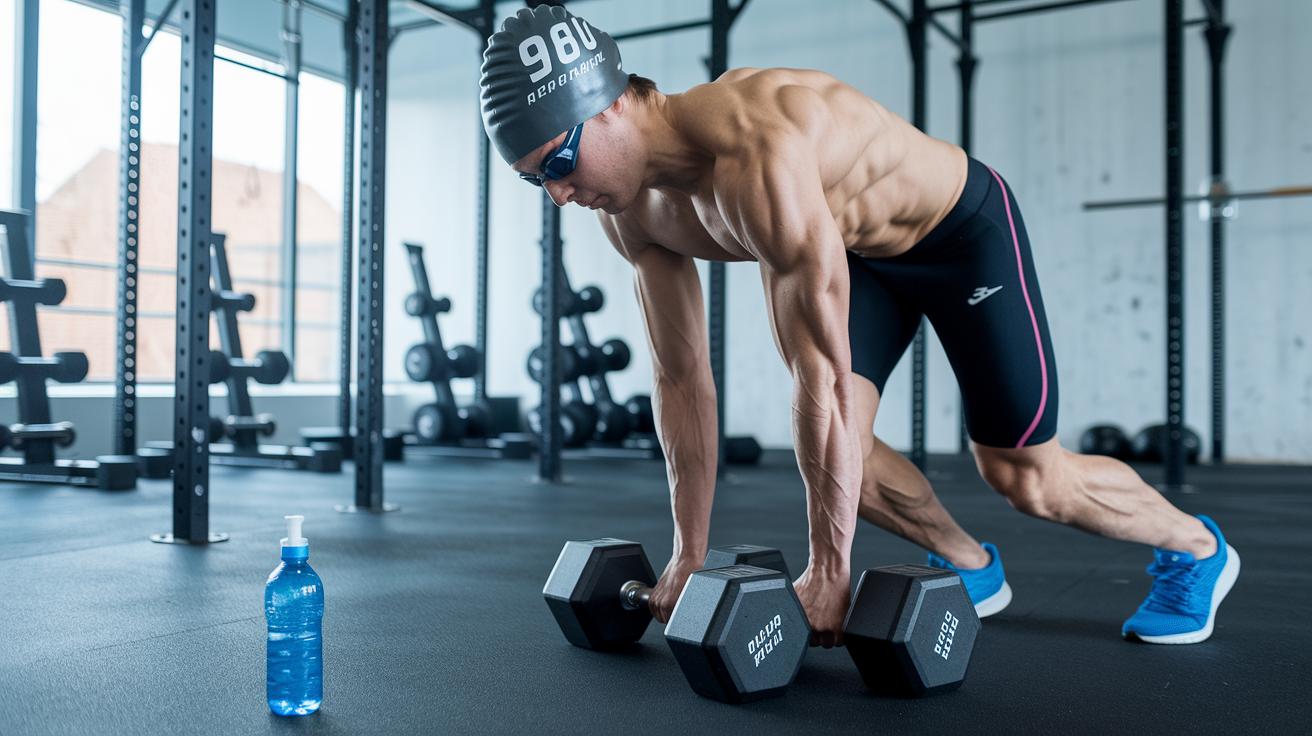
This dryland workout plan is made to work well with your swim sessions. It helps you get stronger, boost your power, and improve your endurance even when you’re not in the pool. Each workout starts with a 10-minute light cardio warm-up and some dynamic stretches to get your muscles ready. On Monday, you focus on your upper body to build a strong pull for your strokes. Wednesday is set for lower-body exercises to strengthen the muscles that power your kick. Then on Friday, you mix full-body moves with explosive exercises to enhance overall strength. As you progress, you can add more weight or extra reps each week to keep building on your gains and stay in sync with your pool training. Think of this plan as a way to energize every stroke in the water by making your off-pool workout count.
| Day | Focus Area | Warm-Up and Exercises |
|---|---|---|
| Monday | Upper Body | 10-minute light cardio, dynamic stretches, bench press, pull-ups, dumbbell rows |
| Wednesday | Lower Body | 10-minute light cardio, dynamic stretches, squats, lunges, deadlifts |
| Friday | Full Body + Explosive | 10-minute light cardio, dynamic stretches, full-body circuit, squat jumps, military press |
Essential Strength Exercises for Swimming Performance
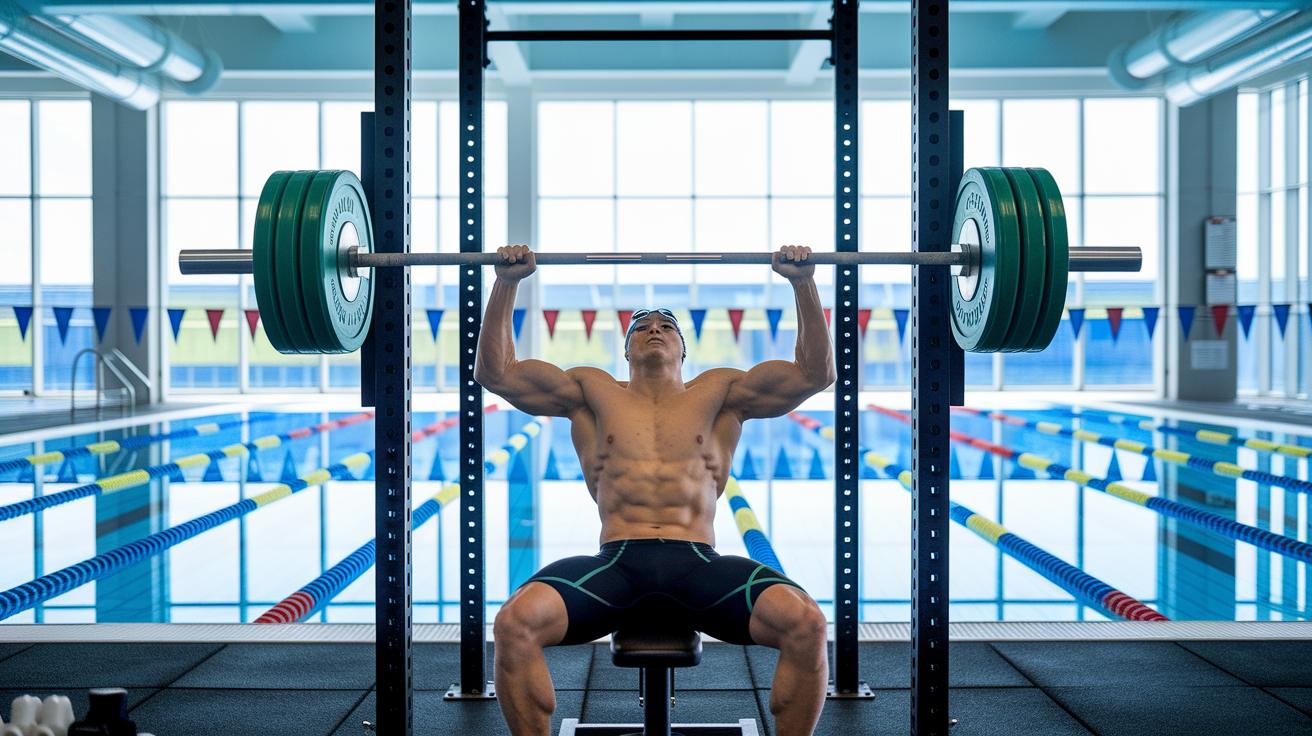
Strength training for swimming is all about developing power for every single stroke. These seven exercises offer a strong base if you’re looking to boost your swimming skills with effective resistance training. They work on the main muscles you need to make each stroke more powerful and help build the stamina to push you through the water.
- Bench press – This exercise builds upper-body strength, which is key for a strong catch and pull in the water.
- Squats – These work your quads, hamstrings, and glutes to give you a powerful kick.
- Pull-ups – They strengthen your lats, helping you drive your strokes and improve your back strength.
- Bench pulls – This move simulates the pull phase of your swim stroke to make your technique smoother.
- Broad jumps – They boost your explosive power, which is helpful for quick starts and sharp turns.
- Squat jumps – This exercise combines strength and quick, powerful jumps to increase your burst speed in the pool.
- Planks – Planks build core strength so you can keep steady, proper form through every stroke.
Remember, focusing on good technique is very important when you do these exercises. Always warm up first and move with control to reduce the risk of injury. It’s better to do fewer repetitions with proper form than more repetitions done quickly or carelessly. Start with lighter weights and build up as you feel stronger and more confident. With time and steady practice, you’ll see your stroke efficiency and overall swim performance improve, making your time at the gym a beneficial complement to your swimming routine.
Advanced Strength and Power Drills for Competitive Swimmers

For swimmers who want to push their limits and get stronger, high-intensity circuits mixed with jump exercises can really change your game. Try moves like squat jumps and broad jumps to give your push-offs an extra burst of energy. Medicine-ball slams and clap push-ups work wonders for building power in your upper body. These drills help develop the quick muscle fibers that kick in when you speed off the wall or race through your strokes. It’s like training with moves that mirror the quick shifts you feel during a race. For example, you might end your workout with 10 clap push-ups to charge up for that crucial start.
A typical session might mix bodyweight exercises with ones using weights, all in timed sets to keep your anaerobic strength high (this means your muscles learn to work hard even without much oxygen). Start with a steady warm-up, then dive into rounds lasting 30 to 45 seconds of high-intensity moves, each followed by a brief rest. With each round, you can adjust the weights or reps to keep your muscles on their toes. This kind of training not only builds power but also gives you the confidence to power every stroke in the pool.
Injury Prevention and Recovery in Swim Strength Training
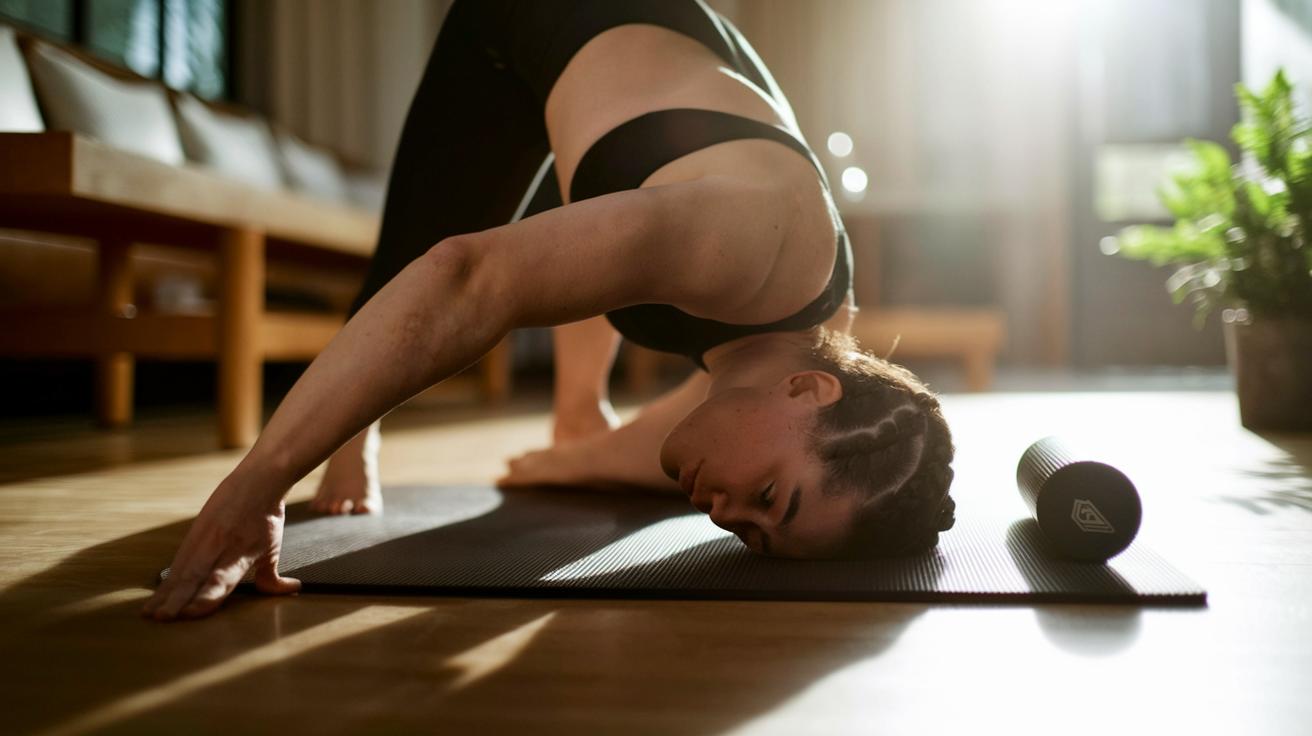
Start your workout with a simple, safe routine that helps you avoid injuries. Begin by warming up and cooling down every day with stretches that move your muscles and then hold them to protect your joints. It’s a bit like gently waking up your body in the morning and then slowly settling it down at night. Also, add shoulder exercises that help your arms get ready for dryland training when you swim.
Keep an eye on how tired you feel and give yourself time to rest. Make sure you schedule days off between workouts and try foam rolling to soothe those tight muscles after a swim strength session. This habit not only helps your muscles heal faster but also stops you from overworking them and risking an injury. And if you ever feel unusual pain or constant tiredness, think about asking a coach to review your technique and make small changes that might protect you even more.
When you're at home practicing swim drills on dryland, mix in some stretching, light resistance moves, and slowly increase how much you do. By really listening to your body and adjusting how hard you push yourself, you'll keep a steady routine that supports your strength training without any setbacks. Taking a look at your progress and rest days regularly will help ensure your muscles stay strong and ready for each swim session.
At-Home Dryland Drill Options Without Equipment for Swimmers
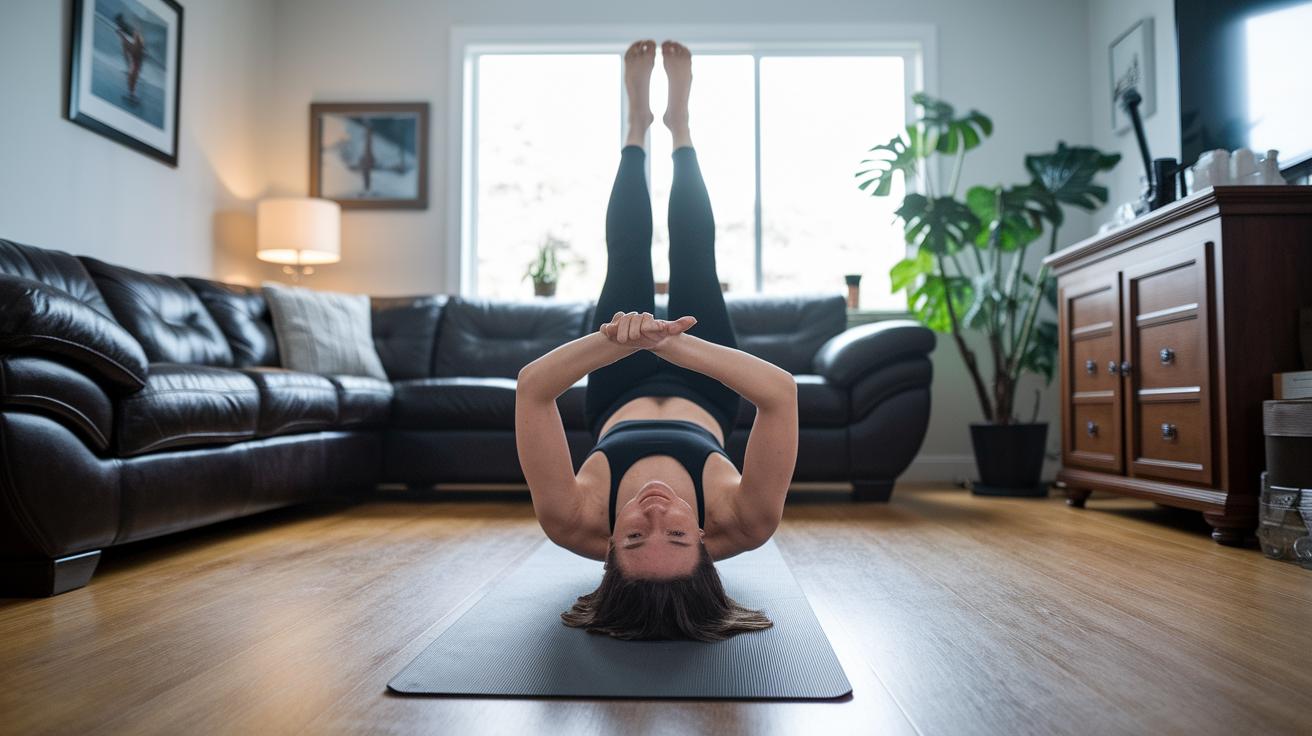
When you can't make it to the pool or gym, there are still plenty of ways to keep your swim muscles strong using just your body weight. Try doing push-ups, air squats, lunges, supermans, and planks to work the muscles that help power your strokes. And if you feel like mixing it up, add single-leg squats or side planks for a little extra challenge. These exercises not only build muscle strength but also help you develop stability and control in the water. For more ideas, check out bodyweight training and calisthenics.
As you get more comfortable with these moves, play around with the number of reps and timing. Start with two sets of 10 to 15 reps for each exercise and slowly build up as you improve. Short bursts of each drill can boost your endurance and keep your muscles ready for action. Keep challenging yourself at home, and you'll maintain the swim-specific power that every stroke needs.
Final Words
In the action, we reviewed key ways to boost swim performance through targeted strength work. We covered everything from core muscle focus and sample dryland schedules to essential moves and advanced drills.
Our discussion emphasized practical tips for preventing injuries and even introduced easy at-home routines. Keep in mind that consistent strength training for swimming can boost your power, endurance, and stroke efficiency. Stay motivated and keep building your healthy habits for a stronger, faster, and more enjoyable swim.
FAQ
How can swimmers do strength training at home and in gyms?
Strength training for swimmers at home and at the gym boosts performance. Bodyweight exercises at home and gym routines that mimic swim-specific moves help build overall strength and improve stroke efficiency.
Where can swimmers find free PDF downloads for weight training and gym workout plans?
Free PDF downloads provide clear guidelines for weight training and gym workouts, offering detailed plans for both male and female swimmers who want structured, effective routines.
What type of strength training works best for freestyle and triathlon swimming events?
Strength training for freestyle and triathlon events builds power and endurance. Focus on functional moves like squats, pull-ups, and plyometric drills that mirror swim strokes and explosive starts.
What gym workout helps enhance swimming performance?
A solid gym workout for swimmers blends resistance training, plyometric exercises, and sport-specific circuits, all designed to boost stroke power and overall swim performance.
What strength training is effective for swimmers overall?
Effective strength training targets the core, upper, and lower body with movements that match swim motions. This builds power, stamina, and improves the efficiency of every stroke.
What is the 80 20 rule in swimming?
The 80 20 rule splits swim training into 80% technique and aerobic work and 20% high-intensity efforts, promoting a balanced mix of skill, endurance, and strength.
How often should swimmers incorporate strength training into their routines?
Swimmers should strength train two to three times a week, providing ample recovery between sessions to build strength safely and maintain overall performance.