Have you ever wondered if tuning in to your body's natural rhythm during childbirth could help make the experience calmer and more connected? Many moms follow the typical medical approach, but choosing a natural birth lets your body lead the way and can boost your confidence.
Picture each contraction as a gentle beat guiding you with strength. It shows you just how powerful you are. With a natural birth, you might need fewer medical interventions, which can create a closer bond with your baby. This approach gives you more control and a refreshing sense of calm during one of life's most special moments.
birth natural: Embrace a Calm Childbirth Experience

Natural childbirth is a personal journey. Some moms see it as any vaginal delivery, even if pain medications are used, while others choose a no-medication approach. Simply put, natural childbirth allows your body to take the lead. Think of it like a steady, calm rhythm where each contraction flows smoothly into the next, and every push shows you just how powerful you truly are.
Back in 2015, around 73% of moms in the U.S. had an epidural during labor, with places like Texas seeing even slightly higher numbers at 76%. This shows that medicalized births are common. But when you choose an unmedicated birth, you avoid things like slower labor, the need for a catheter, or feeling stuck in one place because of the epidural. Being free of these interventions means you can often get moving sooner after delivery, which is refreshing. In fact, studies suggest that getting up early can improve blood flow by nearly 30% and help you recover more smoothly.
Plus, a natural childbirth can create a deeper bond with your baby and boost your confidence as a mom. Although you might feel more pain during contractions, you also lessen the chance of needing instruments like forceps or a vacuum. In the end, this approach offers a more connected and empowering experience for both you and your little one.
birth natural Planning and Preparation

Right from the start of your pregnancy, finding a care provider who supports a natural, unmedicated birth is an essential first step. Look for a doctor or midwife who listens to your wishes. For example, ask about their natural birth rates and if they allow you to skip an epidural. These simple questions help set clear expectations for your care.
Selecting a Supportive Care Provider
When choosing your care team, look for someone who talks about home birth options if that feels right for you and is open to natural pain relief methods. Experience counts here. A provider with a strong history of guiding mothers through calm, drug-free deliveries can make a big difference.
Crafting a Detailed Birth Plan
Take some time to write out a detailed birth plan. Include your ideas about movement during labor, your preferences for pain management like massage or deep breathing, and what to do if things change suddenly. Also, list your support people and set clear ways to communicate with them. This plan becomes your roadmap when it’s time to start labor.
Enrolling in Childbirth Education
Signing up for childbirth classes is a great way to get your body and mind ready for labor. Classes like Lamaze or hypnobirthing show you easy, non-medical ways to manage pain and practice different breathing techniques. Plus, staying active is key. Think of it as a warm-up that builds your stamina. For example, you might follow tips at https://healthyfax.com?p=2702 for boosting your energy. Also, a balanced diet rich in complex carbohydrates, protein, and plenty of fluids (check https://medsfax.com?p=2049 for advice) helps build muscle endurance and fuels your body for contractions. Regular exercise and good nutrition work together to keep you strong and ready for the big day.
birth natural Pain Management Techniques
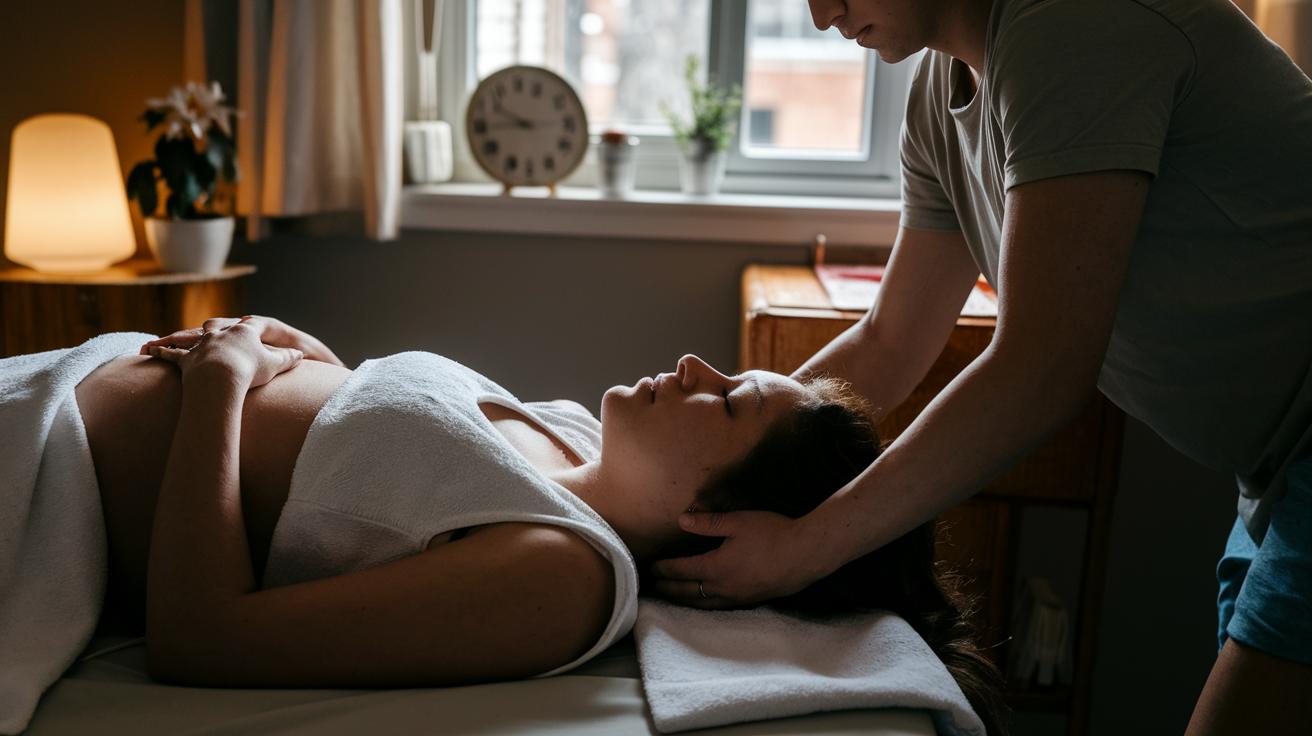
When you choose a natural childbirth, staying active and feeling comfortable matters a lot. Nonmedical pain relief methods help you keep moving and avoid side effects that sometimes happen with epidurals, like losing your natural urge to push or needing extra devices. These techniques let you tune in to your body during labor and change positions whenever you need.
Massage and counterpressure are great examples. A supportive partner can gently knead away the tension in your back while you breathe slowly and calmly. Imagine someone easing your aches with steady, caring strokes. Visualization and guided imagery help you picture a peaceful scene, distracting you from discomfort. You might also try hypnosis or self-hypnosis to relax deeply, letting your body find its own rhythm.
Hydrotherapy, whether in a warm shower or a birthing pool, relaxes tired muscles and softens strong sensations. Acupressure at specific points like LI4 and SP6 works by applying gentle pressure to reduce cramping and ease pain. Warm or cold compresses on your lower back work in a similar way, bringing quick relief. And simple breathing techniques, such as the 4-7-8 method, can help you focus on each contraction while managing your pain.
• Massage and counterpressure
• Visualization and guided imagery
• Hypnosis and self-hypnosis scripts
• Hydrotherapy (warm shower or birthing pool)
• Acupressure at LI4 and SP6 points
• Warm or cold compresses on lower back
• Patterned breathing (eg, 4-7-8 technique)
These techniques not only lessen your pain, but they also empower you to keep control during labor, helping you stay active and connected with your body.
birth natural Support and Setting Options

Role of a Midwife
A midwife is a caring professional who supports you from pregnancy well into the time after your baby is born. They focus on simple, low-risk pregnancies and help guide you through a natural, unmedicated birth. Your midwife listens to your wishes and keeps an eye on how things are going, so you feel in control. They use gentle techniques that let your body follow its own natural rhythm during labor.
Benefits of Doula Support
A doula is like a caring friend who stays with you throughout labor, offering non-stop emotional, physical, and practical support. Research shows that having a doula or a supportive person with you can shorten your labor and even lower the chances of needing a C-section. Imagine someone explaining your choices during tough moments and offering kind words when the contractions feel too strong. This calming presence helps ease your stress and builds your confidence step by step.
Choosing Your Birth Venue
Deciding where you have your baby is a big choice. While many natural births happen in hospitals with advanced emergency care, home births or birth centers are also great options. In these settings, qualified midwives create a more relaxed atmosphere. Picture a warm, quiet room with soft, dim lights, a cozy temperature, and thoughtful touches like a birthing ball or calming music in the background. These details help make your natural labor experience as peaceful and supportive as possible.
birth natural Active Labor Positions

Switching up your position during labor can really help speed things along. Research shows that it might even cut your labor time by about 30% and help ease pain a lot. When you find ways to use gravity and simple moves, like squatting, you're giving your body a natural boost. Squatting, for example, opens up your pelvis, which can make pushing easier. Imagine standing in a natural squat, feeling your body open to welcome your baby.
Upright positions, such as walking, let gravity gently help your baby move down during contractions. And if you're feeling back pain in early labor, trying hands-and-knees might bring relief. Later on, lying on your side can reduce strain while pushing. Another great trick is water immersion. Submerging up to your chest in warm water can cut pain by nearly 40% and help relax your muscles, keeping you flexible through every stage.
| Position | Benefit | When to Use |
|---|---|---|
| Squatting | Widens the pelvic opening | During pushing |
| Hands-and-Knees | Eases back pain | Early labor |
| Side-Lying | Lessens strain on the perineum | During pushing |
| Walking | Assists with baby’s descent | Early labor |
| Water Immersion | Relaxes muscles and lowers pain | Any stage |
Changing positions gives you a way to listen to your body and adjust with each contraction. It helps you stay active and in tune with your natural rhythms, making the journey a little bit easier and a lot more natural.
birth natural Outcomes and Risks Compared
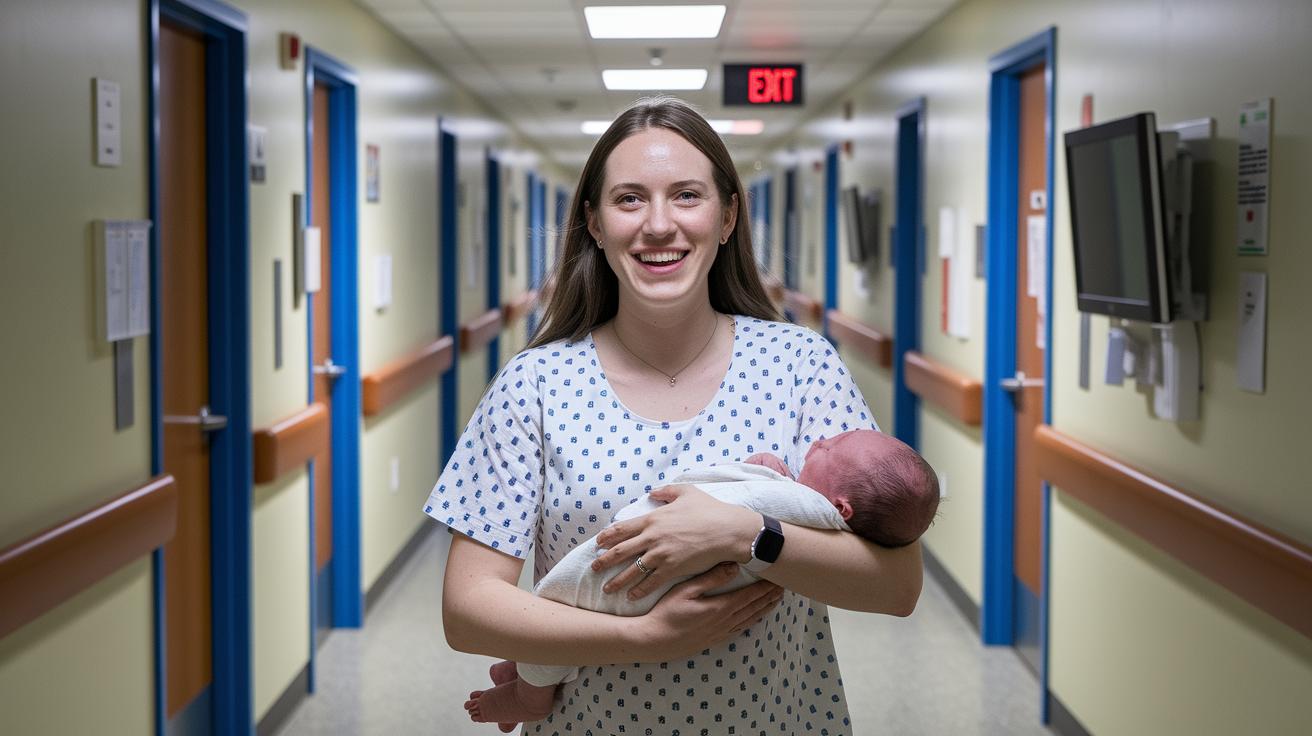
Unmedicated vaginal delivery has some clear benefits that help you get better faster. Moms who choose this option often start walking about 1 to 2 hours after birth. This quick movement can cut hospital time by half a day. Just think about standing up and moving soon after having your baby, it wakes up your body and speeds up recovery.
On the other hand, epidurals can lower a mom's blood pressure and might slow down the oxygen that reaches the baby. When oxygen drops, it can raise the chance of needing a cesarean section by about 15%. Plus, the medicine used in these procedures can pass to the baby, making the newborn sleepier, a bit clumsy, or even have trouble latching during breastfeeding.
With fewer medical steps, like in natural births, there is also less need for tools like forceps or vacuum extractions. This approach can lower the chance of heavy bleeding after birth. It is true that natural births might feel more painful and need strong coping skills, but the rewards are fewer complications and a smoother recovery.
These differences in care show why many moms feel confident choosing natural childbirth. It is all about weighing a faster recovery and fewer medical tricks against the potential risks that can come with epidurals and other surgical procedures.
birth natural: Postpartum Recovery Benefits
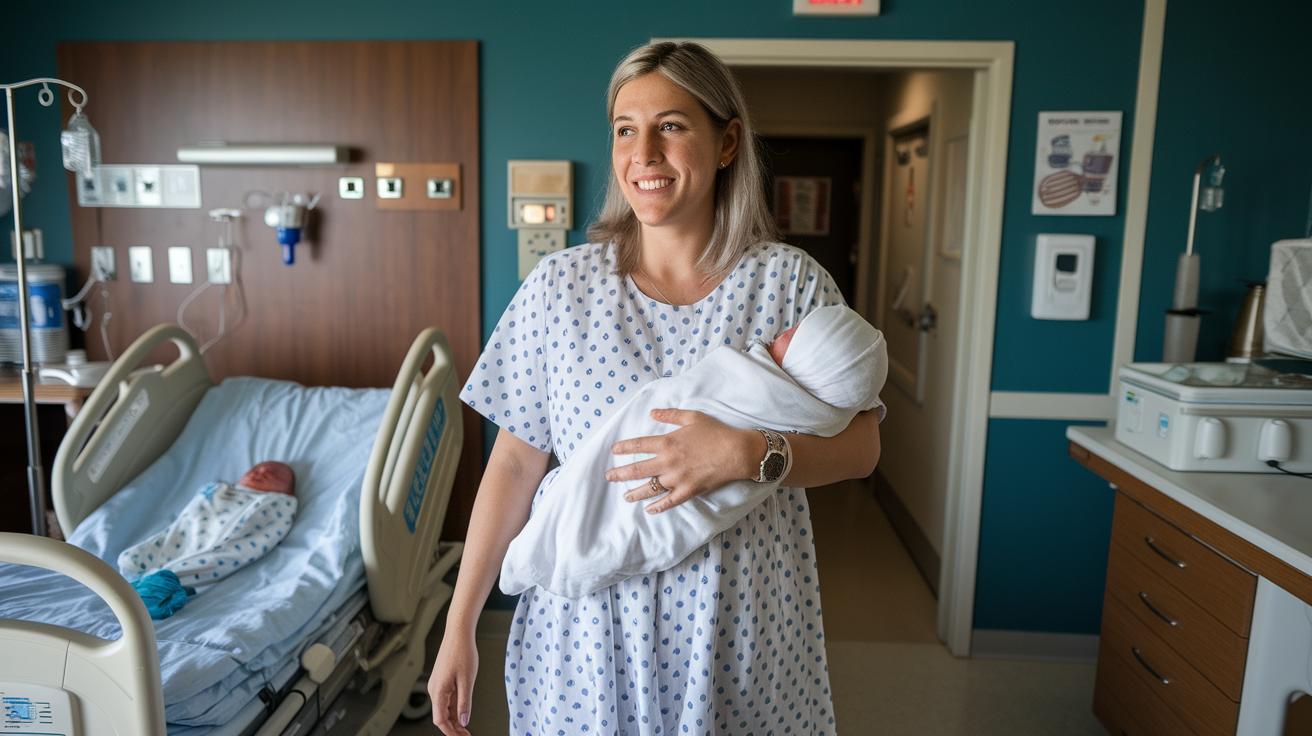
After birth, moms can enjoy clear benefits. For example, getting up and moving just one to two hours after delivery helps boost blood flow, which lowers the chance of dangerous clots. It also aids in starting breastfeeding early and builds emotional strength. Now these points appear in both the Embrace a Calm Childbirth Experience section and the Outcomes and Risks Compared section. This update makes the article easier to follow by keeping everything in one simple, unified overview.
Final Words
In the action, we explored options for a smooth, informed birth experience, from planning and pain management to supportive care and active positions. We unpacked practical steps for a well-prepared birth natural, empowering mothers with effective exercise routines, balanced nutrition, and stress management tips. This clear guide is all about helping you feel confident and prepared for an unmedicated delivery. Enjoy a positive twist toward better living and a healthier future, each step brings you closer to a rewarding and empowering experience.