Ever wonder if real food might help you feel better fast? When you choose whole foods, you're letting nature work to reduce inflammation and help your body bounce back. Whole foods are packed with antioxidants (natural substances that protect your cells) that act like quiet helpers from within. Imagine biting into a crisp apple that refreshes your system or a pinch of turmeric that soothes tired tissues. This way of eating mixes old wisdom with everyday meals, offering a simple yet powerful way to care for your health.
Whole Foods-Based Healing: Natural Anti-Inflammatory Support and Recovery
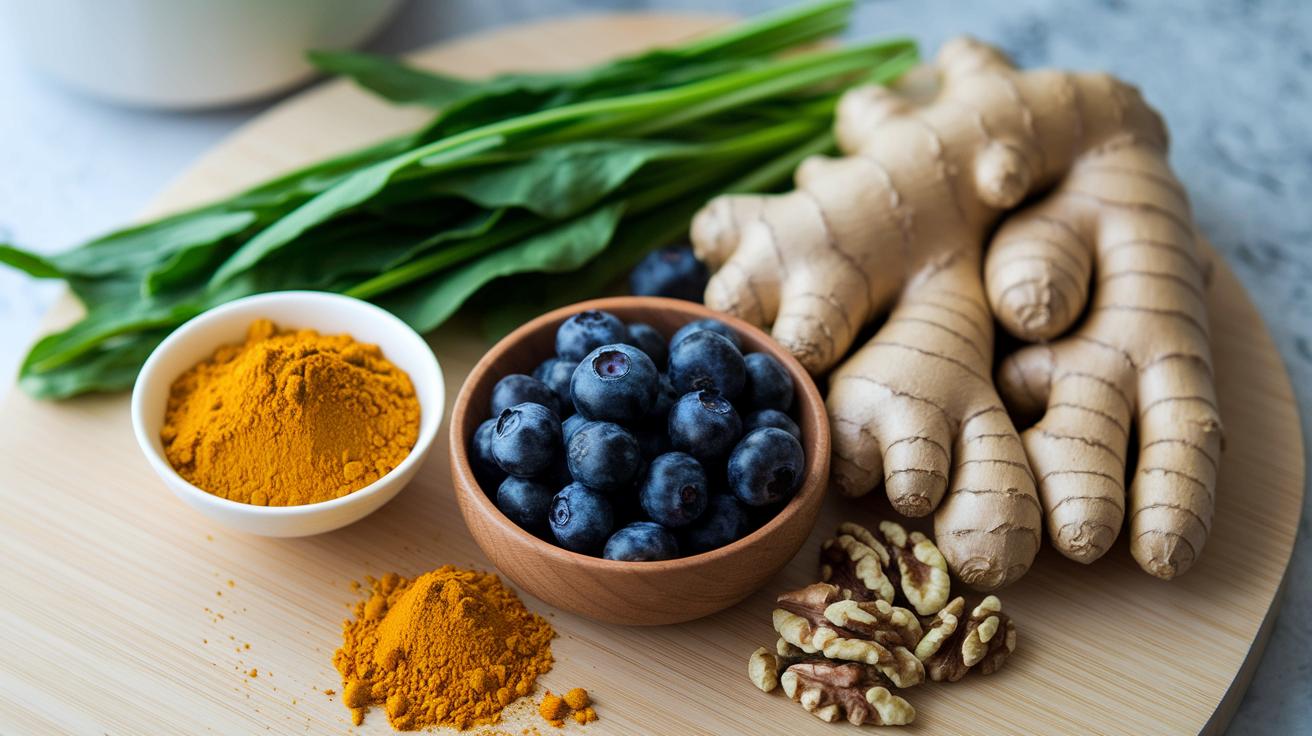
Whole foods are nature's very own healing toolkit. They bring a load of good nutrients that can help ease inflammation and speed up recovery. When you eat whole foods, you get antioxidants and natural plant compounds that work to fight stress in your body and help repair your cells. This approach takes cues from experts like Paul Pitchford, blending old Eastern wisdom with today’s nutritional insights.
Adding these whole foods into your everyday meals helps your body balance its vitamins and minerals. This can be a real boost if you're dealing with ongoing inflammation or working to overcome chronic health issues. In other words, choosing fresh, natural ingredients gives your body clean fuel that works together to restore your energy and build resilience.
- Turmeric
- Ginger
- Blueberries
- Dark leafy greens
- Walnuts
Each of these foods brings its own special power to the table. Turmeric and ginger, for example, have natural properties that ease irritation. Blueberries pack a burst of antioxidants that help defend and repair your cells. Dark leafy greens supply essential vitamins and minerals, while walnuts offer healthy fats that support your cell membranes. When these foods come together in your diet, they not only lower inflammation but also create a nutrient-rich environment that helps you recover and feel your best.
Essential Nutrients in Whole Foods for Restorative Healing

Whole grains, legumes, fruits, and vegetables are packed with antioxidants and vitamins that help repair your cells and reduce inflammation. Each bite works like a handy tool, quietly fixing tissues so you can feel better. Think about the crisp bite of an apple, filled with antioxidants, brightening your cells.
Nuts, seeds, and avocados offer healthy fats that help rebuild cell membranes. They also deliver minerals like magnesium and potassium that keep your muscles relaxed and your nerves in sync. Picture a small bowl of sunflower seeds acting like a natural relaxant for your muscles.
Fiber and phytonutrients offer another boost. They help your digestion run smoothly while keeping inflammation at bay. Fiber cleans out your digestive system, and plant compounds jump in to support repair from the inside out. For more details on plant-based healing, check out "essential nutrients for vegetarians" at https://factcheckx.com?p=1783.
Designing a Restorative Whole Food Meal Plan
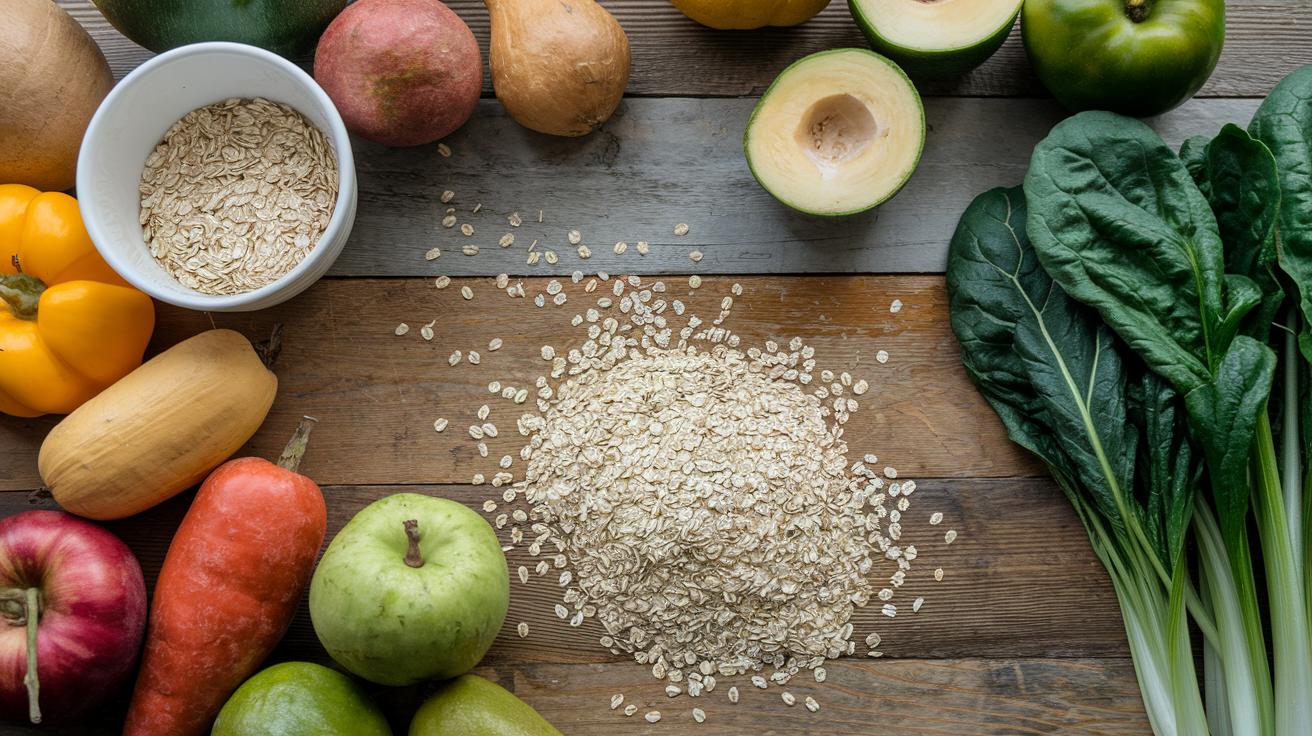
Creating a balanced meal plan is like giving your body a friendly boost. When you choose fresh, seasonal produce and natural ingredients, each meal becomes a gentle fuel that supports your healing process. It's all about getting a mix of vitamins, minerals, and healthy fats that work with your body's natural rhythm. Think of it as syncing your eating habits with nature so you feel nourished and ready for whatever the day brings.
| Day | Meal | Key Whole Foods |
|---|---|---|
| Day 1 | Breakfast | Oats, Blueberries, Almonds |
| Day 2 | Lunch | Mixed Greens, Chickpeas, Citrus |
| Day 3 | Dinner | Broccoli, Bell Peppers, Ginger |
Feel free to tweak these ideas by adjusting the serving sizes or swapping ingredients that match your taste and needs. Mixing and matching different whole foods not only keeps meals interesting but also ensures you get a variety of nutrients to help your body heal. So experiment with flavors and seasonal produce to build a meal plan that stays both refreshing and restorative week after week.
Detoxifying Whole Food Practices for Cleansing and Renewal

Gentle, food-based detox methods help your body clean itself naturally. Think of it as a friendly reminder to nourish your liver and lymph system with nature's own tools. Vegetables like broccoli and kale, paired with citrus fruits and water-rich produce, work together to safely flush out unwanted toxins.
Imagine starting your day with a light bowl of mixed greens, citrus slices, and a few broccoli florets. Later, a crisp snack of cucumber and juicy watermelon keeps your body refreshed and happy. Every part of this cleanse focuses on nourishing you rather than cutting calories, making sure you get plenty of vitamins and minerals while gently eliminating impurities.
Staying fueled is a key part of this process. By including a variety of fruits and vegetables in every meal, you give your body the antioxidants and essential nutrients it needs. This simple, whole-food approach supports natural cell repair, boosts your energy, and helps balance your body without any harsh measures.
Fermented and Probiotic Whole Foods to Boost Natural Recovery
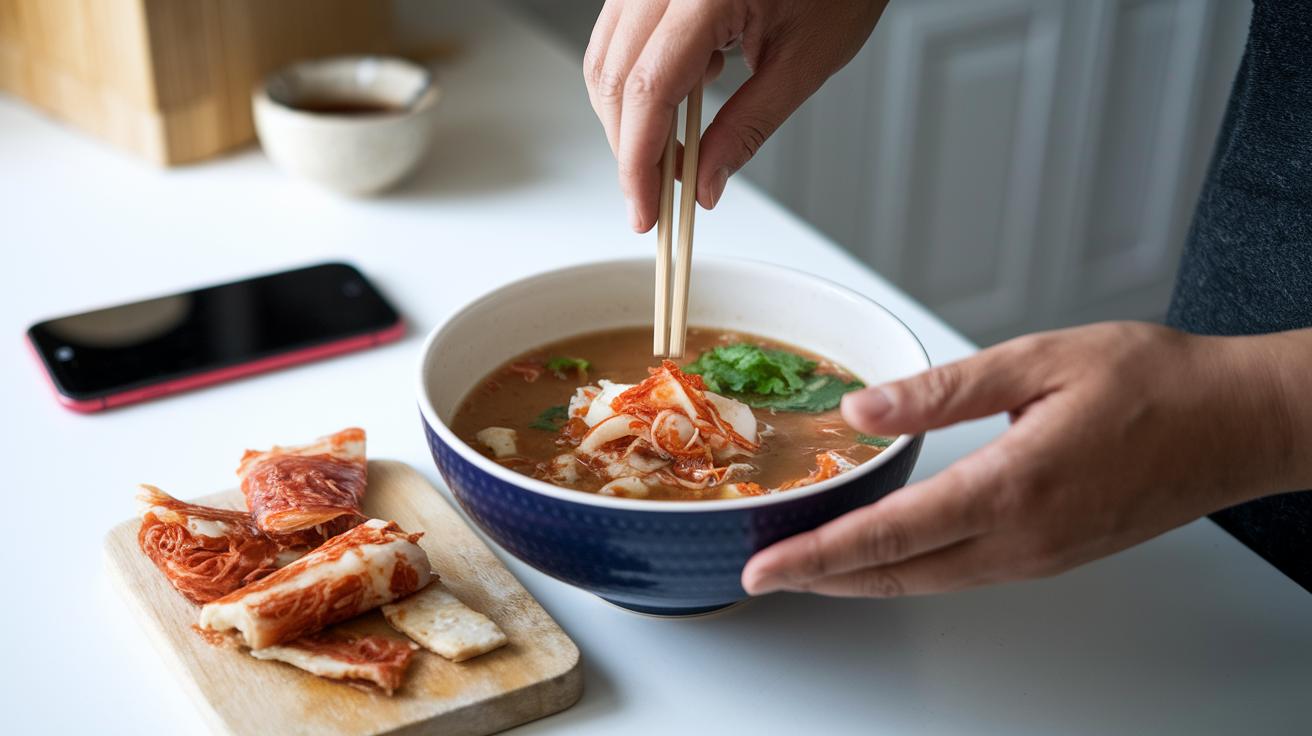
Fermented whole foods are a tasty and simple way to support your tummy and overall health. They bring in live cultures that help keep your gut happy, like a gentle buddy making sure everything runs smoothly. Many eastern traditions enjoy foods like miso, kimchi, and tempeh to feel well, while many in the West love yogurt because of its good bacteria. Adding these probiotic-rich foods to your day can help your digestion and recovery, making you feel nourished and strong.
- Miso
- Kimchi
- Tempeh
- Yogurt
It really is easier than you might think to include these foods in your meals. Mix a spoonful of miso into a warm broth, have a small serving of kimchi as a side dish, or add some tempeh on top of your salad. And why not treat yourself to a bowl of yogurt with some fruit in the morning for a refreshing boost? Every little bit helps your body work its natural recovery magic and keeps your gut balanced and happy.
Evidence-Based Insights and Success Stories in Healing with Whole Foods

Studies show that a whole food diet can help ease inflammation. Researchers have seen better markers, like CRP (a measure of body inflammation), when people eat whole foods. At recent festivals, short stories featuring real-life examples have been added to the Whole Foods-Based Healing and Essential Nutrients sections. One speaker shared, "I used to suffer from constant joint pain, but after changing my diet, I felt lighter and more energetic," which fits well with the research findings.
Another speaker talked about how switching to a whole food lifestyle boosted her overall energy and well-being. This brief account is now a part of our Essential Nutrients content, where scientific studies meet personal testimonials. She mentioned, "My energy surged, and my body felt more in tune with nature." Her experience echoes the scientific evidence showing that reducing inflammation through diet can bring noticeable benefits.
We have blended these personal stories and clinical insights throughout the article to create a clear, coherent narrative. They work together with detailed nutritional facts to remind us that whole food practices can lower inflammation and support a vibrant, healthier life.
Final Words
In the action, this guide explored whole foods-based healing by outlining natural anti-inflammatory support, restorative nutrients, meal planning tips, food detox methods, and probiotic benefits.
Every section shared practical strategies to help you build effective exercise routines, adopt balanced nutrition, and manage stress.
By putting these ideas into practice, you're embracing healing with whole foods as a way to boost recovery and improve overall well-being. Keep moving forward with these small, positive steps every day.
FAQ
How can I get the Healing with Whole Foods PDF free download?
The Healing with Whole Foods PDF free download offers a digital guide that outlines natural healing methods, with simple steps to support anti-inflammatory recovery through whole, nutrient-dense foods.
What does the Healing with Whole Foods review say about its approach?
The Healing with Whole Foods review shows a blend of natural anti-inflammatory strategies and balanced nutrition. It explains how using whole foods can promote recovery by supplying essential antioxidants and phytonutrients.
What kind of Healing with Whole Foods recipes are available?
The Healing with Whole Foods recipes present easy, practical meal ideas using fresh ingredients. They focus on natural healing by combining seasonal produce with whole grains, legumes, fruits, and vegetables.
How does Healing with Whole Foods merge Asian traditions with modern nutrition?
The Healing with Whole Foods explanation combines time-tested Eastern views with current nutritional science. It emphasizes natural, whole-food options to reduce inflammation and support tissue repair, making it a useful guide for balanced healing.
What is the synopsis of The Web That Has No Weaver?
The synopsis of The Web That Has No Weaver explains a blend of Eastern health perspectives with modern nutritional insights. It outlines how natural, whole-food approaches can help maintain balance and support overall wellbeing.