Have you ever wondered which store gives you the best bang for your buck? One store is known for its exceptional quality from around the world and offers USDA certified organic produce that you can really trust. The other focuses on locally grown fruits and vegetables picked at their peak, served with a warm smile that makes you feel welcome. Both markets have great value and quality, so choosing just one can be a tough call. Stick with me as we explore what makes each option a smart choice for your budget and your taste buds.
Whole Foods vs Fresh Market: Quality & Value
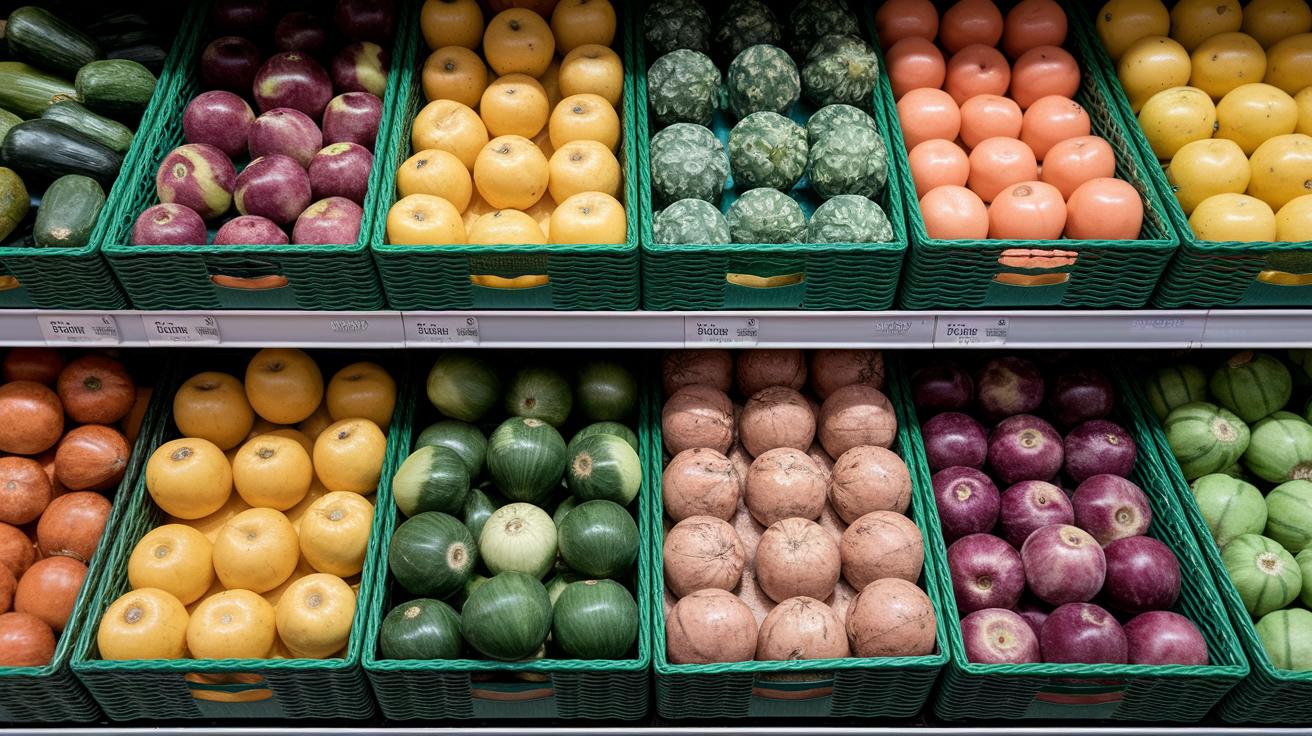
At Whole Foods, you can find lots of USDA-certified organic produce picked using their Responsibly Grown rating system. This means each item is checked for soil health, water use, pest control, and how workers are treated. They have staples like kale, bananas, berries, avocados, and leafy greens from suppliers around the globe. It’s all about offering steady, trusted quality year-round.
Fresh Market takes a different route by focusing on local sources. Their produce is picked right at peak ripeness and quickly flown in, keeping that fresh-from-the-farm taste you love. They even display about three times the variety of produce you’d normally see in a grocery store. In their small, thoughtfully arranged bins, each item feels like a little surprise. This approach not only makes the food taste better, but also helps local growers thrive.
When it comes to pricing, each store has its own style. Fresh Market often uses promotions and smart buying tactics to lower the cost per unit on items like corn, making it a good pick for value. Whole Foods, on the other hand, keeps steady prices that match the high standards of their global supply and certification process. Plus, while Whole Foods gives you self-service options like interactive demos, Fresh Market offers friendly advice from their expert staff, making shopping a more personal experience.
| Feature | Whole Foods | Fresh Market |
|---|---|---|
| Organic Range | Lots of USDA-certified options with Responsibly Grown ratings | Local, seasonal produce picked at peak ripeness |
| Sourcing Distance | Supplied from around the world for all-year availability | Local supply lines for quicker transit and fresher quality |
| Display Style | Organized, category-based setups | Small, curated bins that invite you to explore |
| Pricing Approach | Steady pricing reflecting global standards | Frequent promotions that lower the per-unit cost |
| Customer Service | Self-service with interactive demos | Personal advice from knowledgeable staff |
Organic Produce Quality at Whole Foods vs Fresh Market
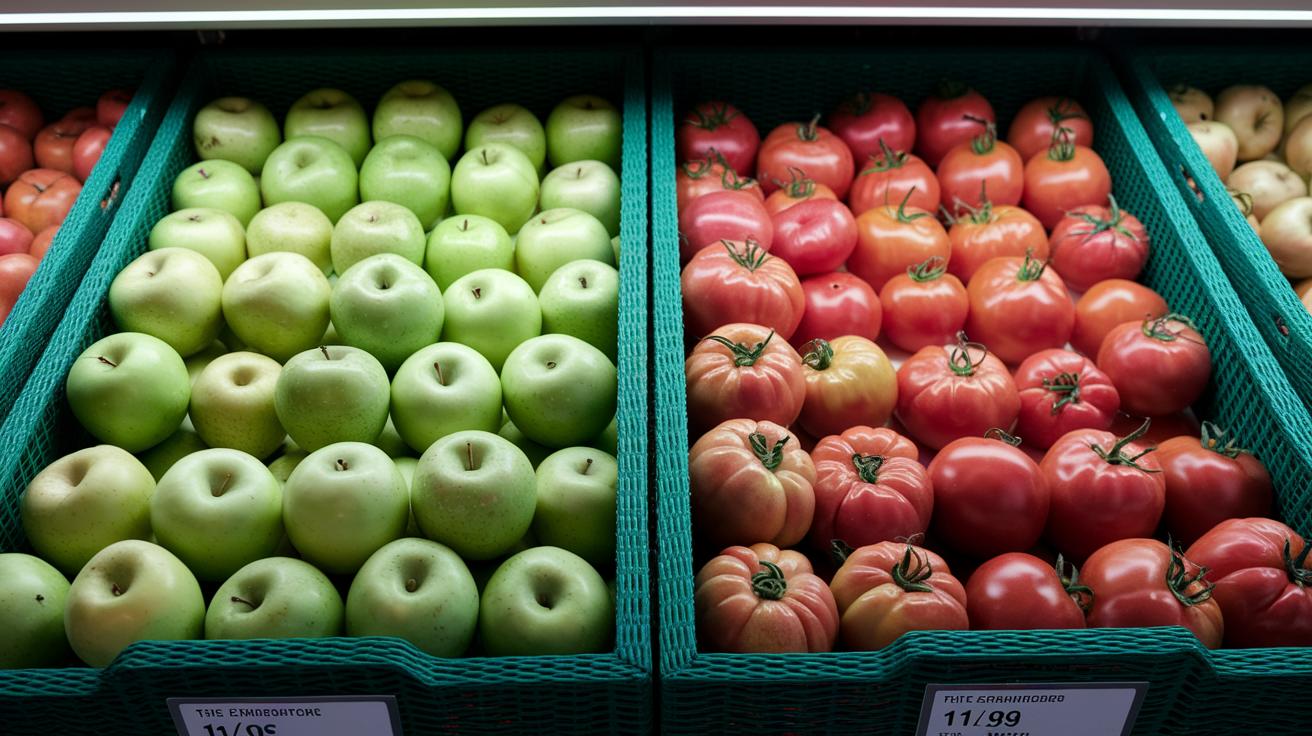
Whole Foods makes sure every product follows strict USDA organic standards. Their Responsibly Grown program checks important things like soil health, water conservation, pest control, and fair treatment of workers. Think of it like caring for a garden where rich soil and smart water use help every plant thrive. You might even see a label that explains how these methods helped grow that crisp apple.
Fresh Market, on the other hand, puts a spotlight on local produce that is picked at its peak. They choose fruits and vegetables grown near you, ensuring each one gets the care it needs from the soil all the way to harvest. Picture a tomato picked when it's perfectly ripe, its flavor boosted by the natural benefits of your local area.
Both stores build trust in different ways. Whole Foods uses nationwide standards to track factors like water use and soil care, while Fresh Market celebrates the charm of local farming and nature’s timing. In both cases, you get a look into how careful practices behind the scenes help maintain high quality and care.
Produce Sourcing Strategies for Whole Foods and Fresh Market
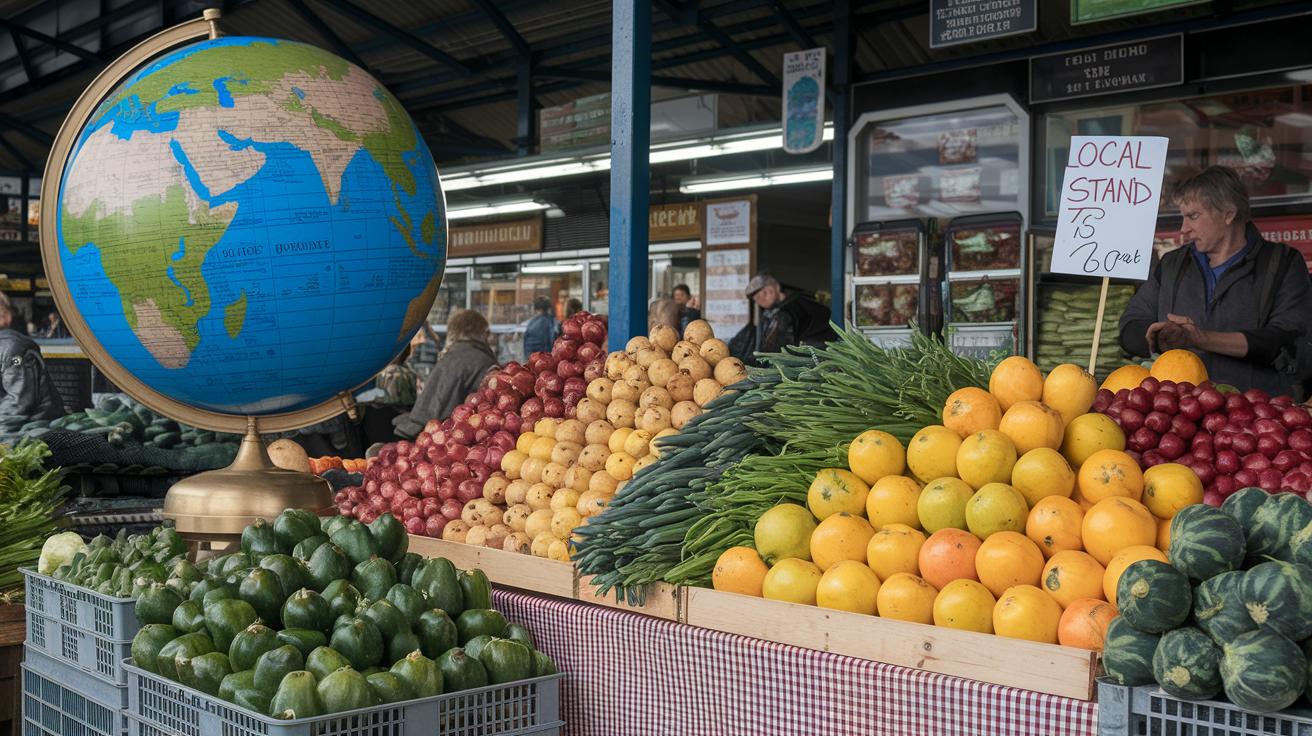
Whole Foods goes global when it comes to finding the best produce. They partner with suppliers from many parts of the world so that seasonal limits don't stop you from getting your favorite crisp greens or sweet berries. Even when local crops fall short, you can still count on a steady supply of quality items all year long. It's like having your favorite market right at your fingertips, no matter the season.
Fresh Market takes a different route by keeping things closer to home. Inspired by Paris’s famous Saint-Quentin Market, they work mostly with nearby farms to bring in fruits and vegetables. This means produce spends less time traveling, so it stays fresher and packs more flavor and nutrients. Experts in each department, like an olive oil specialist guiding the picks, make sure every product meets high standards. Plus, a shorter journey from farm to table not only keeps the food tasting natural but also helps reduce fuel use and supports local farming. Imagine biting into produce that carries a burst of local, seasonal freshness in every mouthful.
Pricing Breakdown: Whole Foods vs Fresh Market Value
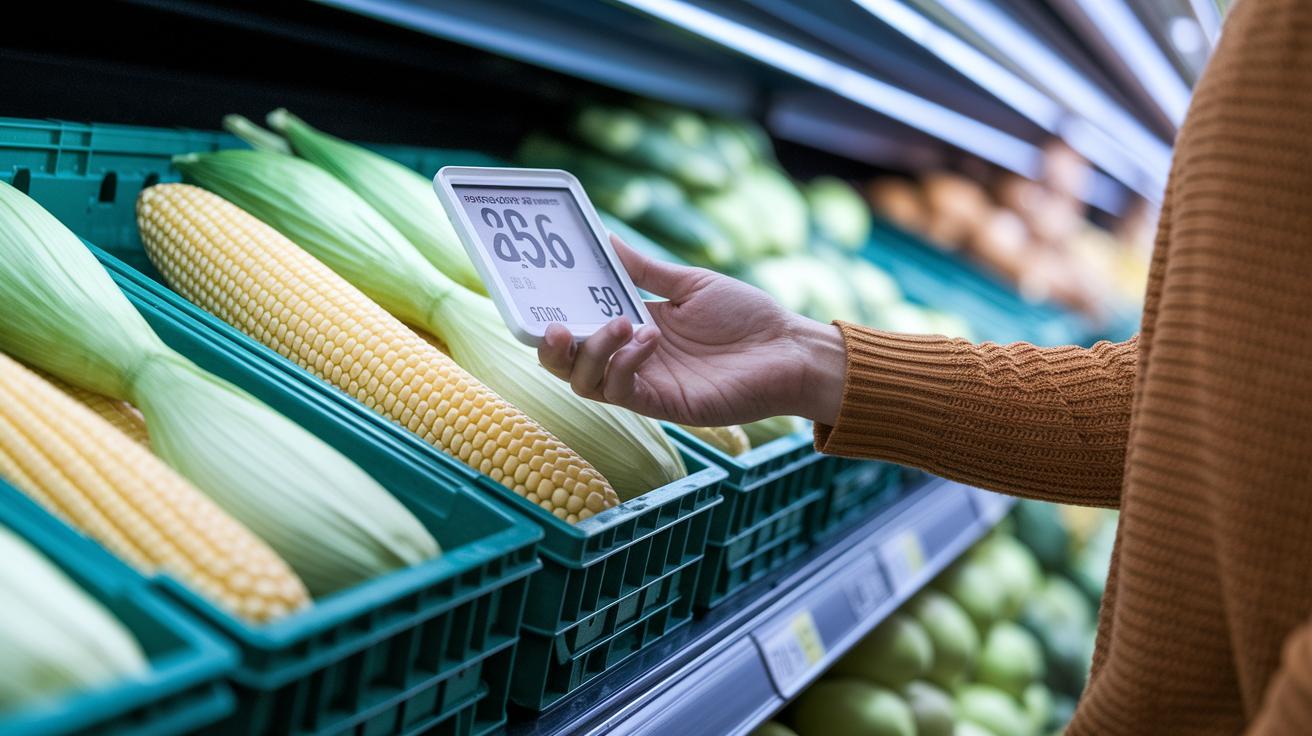
Whole Foods often carries a higher price tag because of its certified organic labels and global sourcing. The extra cost covers strict quality checks and certification fees, which help keep USDA-certified items available all year long. In contrast, Fresh Market uses smart buying strategies and seasonal deals to lower costs. For example, during the busy season, items like corn are sold at more competitive prices while still offering great quality.
If you’re after affordable organic options, Fresh Market might be just what you need. Its regional sourcing cuts out extra fees, so you save money without losing flavor or nutrition.
Below are some simple pricing tips for shoppers who care about both their health and budget:
- Fresh Market seasonal promos versus Whole Foods everyday pricing
- Price per unit comparisons (like corn)
- How certification fees add to the cost
- Savings through regional sourcing
- Budget strategies for organic shopping
These tips can help you pick the store that best fits your financial and health goals, whether you’re looking for reliable quality or value-driven promotions.
In-Store Experience and Specialty Curators in Whole Foods and Fresh Market

Whole Foods is set up like a friendly map where you can wander at your own pace. They use clear sections with interactive demos, self-service bars, and hot food counters that invite you to explore. Imagine a station where bright, fresh ingredients let you mix your very own salad. It gives you a hands-on feel that makes shopping fun and personal.
Fresh Market feels cozier, like a neighbor's kitchen where everyone knows your name. Their bins, filled with both imported items and local favorites, are arranged with care. In each section, experts such as an olive oil guide or a meat advisor are there to offer quick, friendly tips. Think of asking a specialist for advice on picking the perfect cheese to go with your meal.
Both stores create their special vibe to boost your shopping joy. Whole Foods welcomes you with a spacious setup and lots of interactive spots, while Fresh Market offers warm, direct advice with carefully chosen displays. No matter which you visit, each store works to make your day a little brighter and a lot more enjoyable.
Specialty Products and Meal Kits: Whole Foods vs Fresh Market Offerings
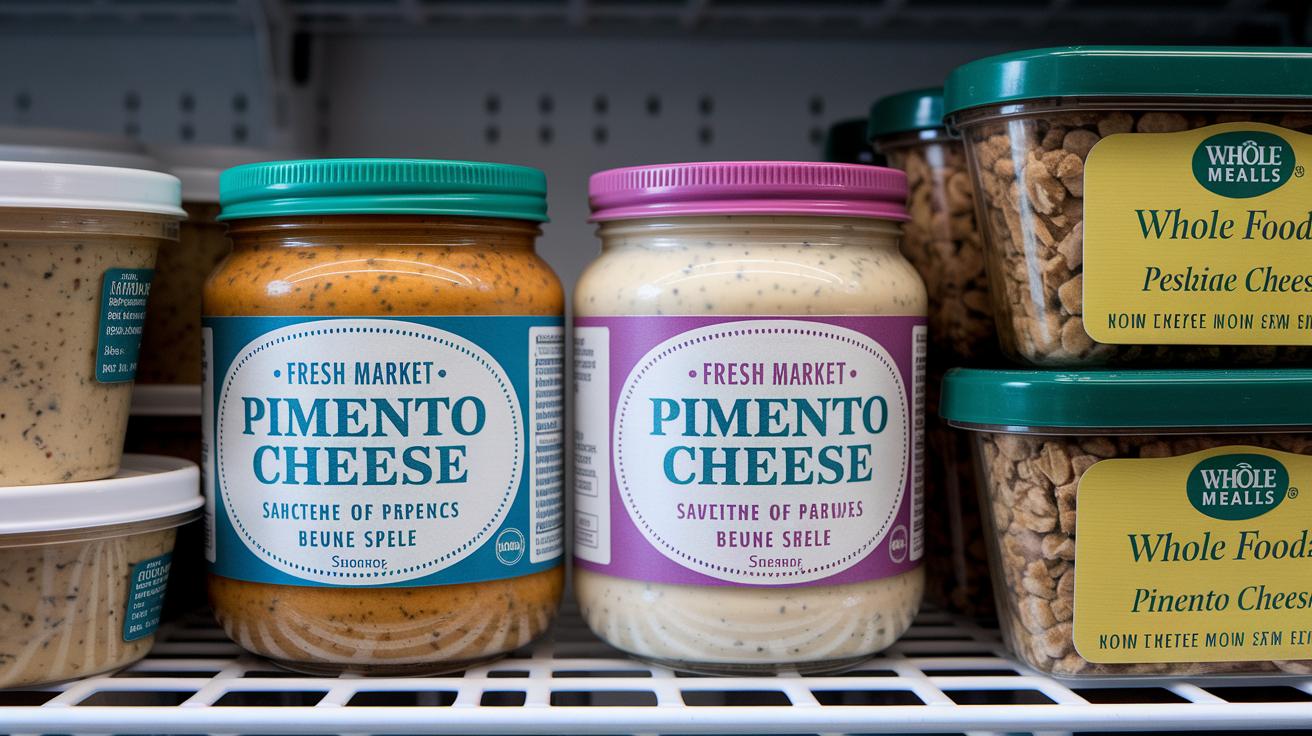
Fresh Market stands apart by offering unique private-label products that have become local favorites. Their very first pimento cheese, launched in 1983, quickly won hearts and sold 11 million pounds by 2016. That's why they even celebrate National Pimento Cheese Day on April 9, it’s like having a secret recipe that everyone in the neighborhood loves.
Alongside that star product, Fresh Market also offers Market Meal Kits. These kits come with everything you need to whip up a home-cooked meal, like Beef Fajitas, in about 20 minutes. Imagine pulling out a kit that makes dinner simple and stress-free.
Whole Foods takes a different approach by focusing on grab-and-go meals. They serve up ready meals and hot bars for those super busy days. With help from Amazon, shoppers can easily pick up a variety of prepared dishes without any fuss. Picture a neat counter where quality meals are ready when you need them.
Both stores combine clever ideas with quality options, making it easy for anyone with a busy lifestyle to enjoy a great meal.
Brand History and Market Position of Whole Foods vs Fresh Market

Fresh Market started in 1980 when Ray and Beverly Berry opened a store in Greensboro, North Carolina. They were inspired by the lively feel of European bazaars and aimed to offer unique specialty foods sourced from local growers. The chain grew to 186 stores in 26 states by 2016, but after Apollo Global Management bought it for $1.36 billion, the company shifted its focus. They scaled back to 161 stores in 22 states while keeping that fun, treasure-hunt feel that made them special.
Whole Foods also started in 1980, quickly becoming a trusted name in organic groceries. Its steady growth and commitment to quality soon attracted big names, and in 2017, Amazon purchased the brand for $13.7 billion. Some Whole Foods stores even rebranded as Amazon Fresh, merging smart technology with sustainable practices while expanding their market influence.
Both retailers have adapted to changing customer needs and economic shifts, showing us how adapting and innovating can keep a brand strong over time.
Choosing Between Whole Foods and Fresh Market for Your Shopping Needs
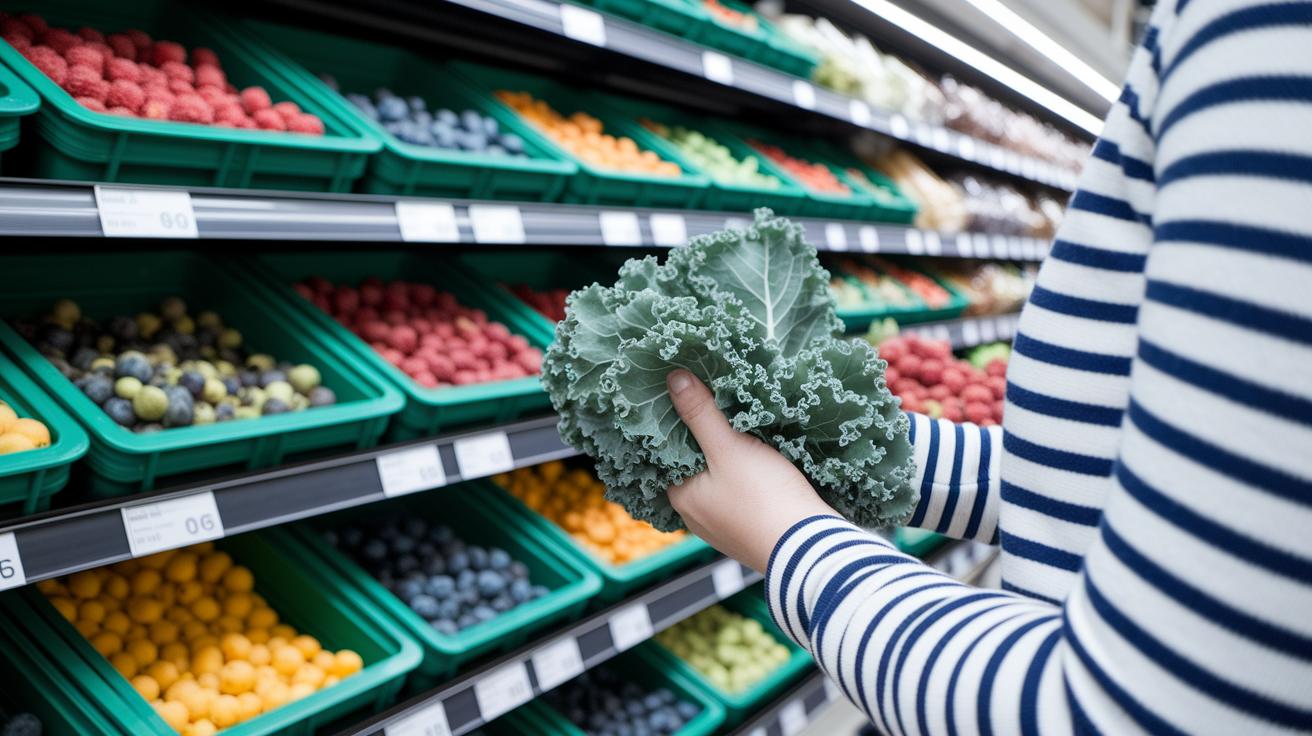
When you pick a store, think about what matters most to you. Whole Foods is perfect if you love having a wide range of certified organic produce and reliable quality standards. Imagine grabbing a crisp bunch of organic kale whenever you need it. They work hard every day to keep your favorites in stock and trusted.
On the other hand, Fresh Market appeals to shoppers who enjoy local and fresh picks along with a few surprises. Their fruits and veggies often come straight from nearby farms, picked when they are at their best. Have you ever found yourself excited by a new, unique find in a cozy shop? With regular deals and promotions, Fresh Market offers a fun treasure hunt for your grocery needs.
By thinking about what you value most, you can choose the store that fits your life perfectly. Do you prefer the dependability of a global selection with certified organic options, or are you drawn to the charm of locally sourced treats and special offers? Either way, you’re making a choice that supports your health and budget.
Final Words
In the action, we compared key elements like organic range, sourcing distance, and service levels in a clear whole foods vs fresh market analysis. We reviewed produce quality, pricing methods, and in-store experiences side by side. Each section showed distinct strengths that add up to meaningful insights for health-minded shoppers. It’s all about choosing the option that fits your lifestyle best. Embrace the unique benefits from each store and find satisfaction in every healthy choice you make.
FAQ
How do Whole Foods and Fresh Market compare according to Reddit?
Insights from Reddit reveal that Whole Foods offers a vast USDA-certified organic selection and global sourcing, while Fresh Market focuses on local produce, personalized service, and frequent promotions.
What are the pros and cons of Whole Foods versus Fresh Market?
The pros of Whole Foods include consistent organic quality and a broad selection, while Fresh Market shines with local offerings, curated displays, and regular price promotions. Each has distinct tradeoffs.
How do Whole Foods and Fresh Market differ in cost?
When comparing costs, Whole Foods often has higher prices due to its certified organic standards, whereas Fresh Market leverages regional sourcing and promotions to offer lower per-unit prices on many products.
Does Whole Foods own Fresh Market?
The question regarding ownership clarifies that Whole Foods and Fresh Market are separate companies with distinct operating models and management structures, maintaining their own brand identities.
Who supplies the meat at Fresh Market?
Fresh Market sources its meat from regional suppliers that emphasize quality and local freshness, ensuring that its meat offerings meet high standards for flavor and customer satisfaction.
How does Fresh Market’s meat compare to Whole Foods’ meat?
In comparing meat, Fresh Market emphasizes locally sourced, fresh cuts and personalized service, while Whole Foods offers organic-certified meat selections with consistent quality checks.
Are Sprouts and Fresh Market the same company?
The inquiry into Sprouts and Fresh Market confirms that they are completely separate entities, each with its own brand style, store layout, and product focus.
What do reviews say about Fresh Market meat quality?
Reviews indicate that Fresh Market meat is praised for its emphasis on quality and local sourcing, with customers enjoying a higher level of personalized service, even though product taste can vary by supplier.
Is the Whole Foods grocery store actually healthier?
Claims about healthiness are supported by Whole Foods’ focus on certified organic products and strict sourcing standards, making it a preferred choice for those emphasizing nutrition and food quality.
What’s the main difference between Whole Foods and regular grocery stores?
The key difference is that Whole Foods maintains rigorous organic standards, offers a broader range of specialty products, and emphasizes quality and ethical sourcing compared to standard grocery chains.
Who offers better fish, Whole Foods or Fresh Market?
When comparing fish selections, Whole Foods typically provides a wider range of sustainably certified options, while Fresh Market highlights local, fresher choices, leaving the best option to personal taste.
Who is the target audience for Whole Foods?
Whole Foods primarily caters to health-conscious shoppers who value certified organic produce and consistent year-round products, drawing consumers looking for high-quality food with global sourcing.