Ever get caught up in those anxious moments? Sometimes, anxiety sneaks up on you, leaving your heart pounding and your hands feeling sweaty. In this post, we'll share some easy, everyday tips to help calm those jitters. These ideas come from solid research and real-life experiences that many have found useful. Picture taking a few simple steps that bring a steady sense of calm and quiet confidence to your day. Let's dive in and discover ways to invite more peace into your routine.
Evidence-Based Anxiety Reduction Strategies You Can Trust

Have you ever noticed your body giving you little hints when anxiety is on the way? You might feel your heart race or your hands get damp. I once noticed my palms turning sweaty each time I stepped into a busy room. That made me start keeping track of these moments so I could better understand my triggers.
Getting some exercise can really lift your mood. Even a brisk walk can help boost feel-good chemicals like serotonin, dopamine, and endorphins in your body. Many people say that just 10 minutes of movement leaves them feeling more balanced. Imagine a short stroll clearing your mind and lightening your spirit.
When negative thoughts pop up, try to pause and ask yourself if they're really true. I used to catch myself saying, "I can't handle this." But then I reminded myself that I had overcome challenges before, and I knew I could do it again. This little shift in my thinking helped ease the burden of worry.
It also helps to talk to someone. Chatting with a friend or family member can break the feeling of being alone with your anxiety. And if things ever feel too heavy, reaching out for professional help or exploring online therapy might make a big difference on your journey to calm.
Fast Anxiety Reduction Strategies for Immediate Relief
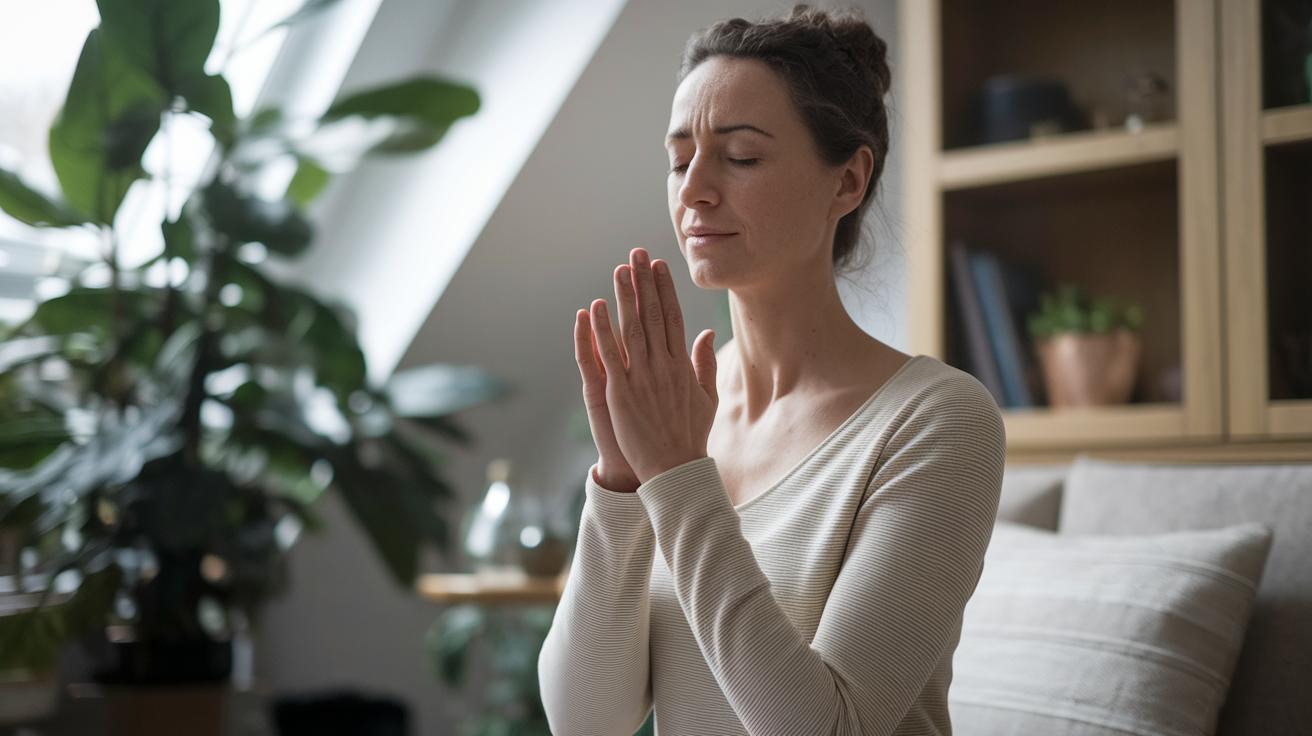
Take a deep breath and let yourself pause for a moment of calm. One handy trick is the 4-4-8 breathing exercise: breathe in slowly for 4 seconds, hold that breath for 4 seconds, then exhale gently over 8 seconds. It’s simple, but many have found that just one round of this can help ease a racing mind. For a little extra help, check out the “Anxiety Attack Remedy” at https://fitandglossy.com?p=1522.
Another friendly tip is cyclic sighing. A 2023 study showed that letting out a few deep, controlled sighs can quickly lower your stress levels.
Sometimes, focusing on your senses makes all the difference. Try the 5-4-3-2-1 grounding method:
- Look around and name 5 things you can see.
- Feel 4 different textures around you.
- Listen for 3 different sounds.
- Smell 2 distinct scents.
- Savor 1 taste.
And remember, sometimes a small mental reminder goes a long way. Pause for a moment and tell yourself, “I am calm and in control.” A quick call or text to a friend can also serve as a nice reminder that you’re never truly alone on this journey.
Nutrition-Focused Anxiety Reduction Strategies: Embrace Inner Calm
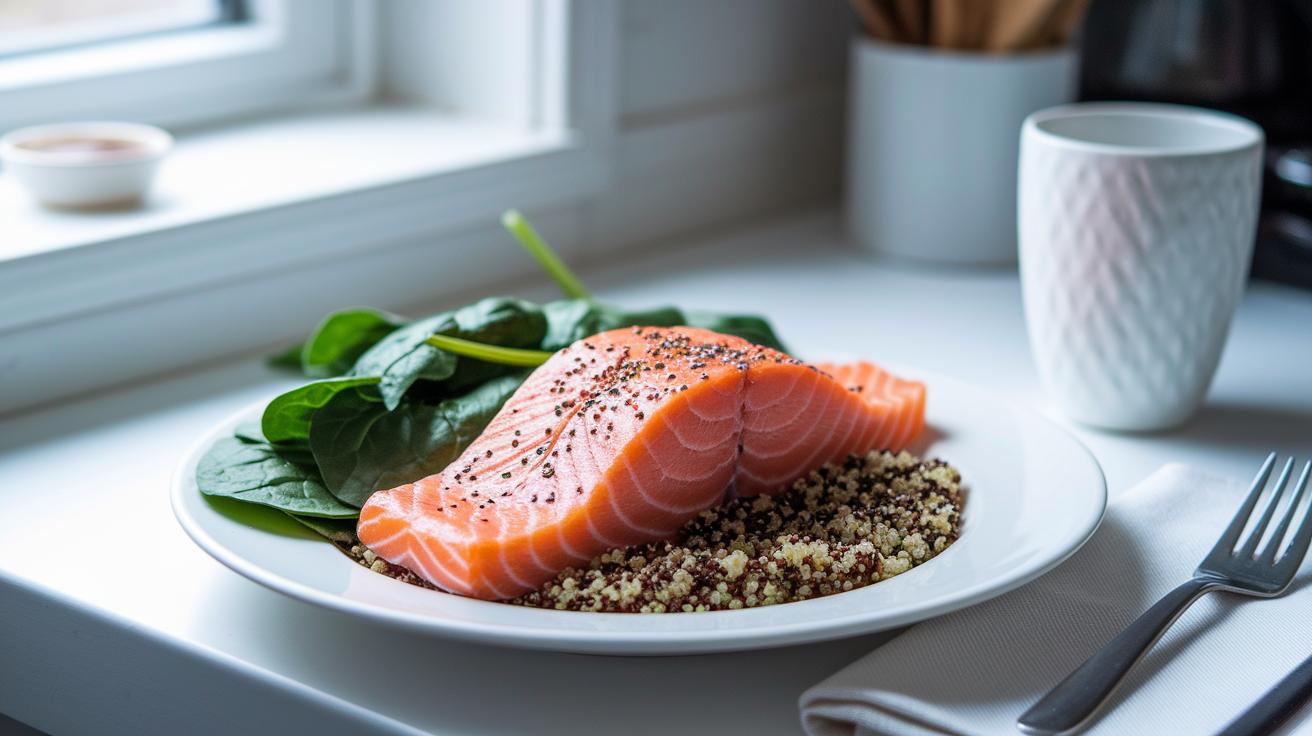
A 2010 study looked at over 3,100 foods, herbs, and drinks to see which ones have powerful antioxidants that help ease anxiety. It showed that choosing whole, colorful fruits and leafy greens can boost your body’s defenses against stress. On the flip side, a 2022 review linked too many processed foods and added sugars to higher stress, so cutting back on these can really lift your mood.
Eating meals rich in nutrients is a smart way to build long-term calm. Think of it like building a strong foundation for your mind. Foods packed with magnesium (a mineral that helps relax muscles), omega-3 fatty acids (fats that support your brain), and vitamin B (which helps your body turn food into energy) can work wonders. For example, spinach, almonds, and quinoa offer a good dose of magnesium to help keep you relaxed. Meanwhile, fatty fish and walnuts give you that brain-boosting omega-3, and whole grains provide a steady supply of vitamin B.
Herbal teas and cold-pressed juices are not only tasty but can be very soothing. A warm cup of chamomile or peppermint tea might gently quiet your nerves. These changes can nicely complement other treatments, though they aren’t a substitute for professional help.
| Nutrient | Food Examples |
|---|---|
| Magnesium-rich | Spinach, almonds, quinoa |
| Omega-3 sources | Salmon, walnuts |
| Vitamin B providers | Whole grains, lean proteins |
Small tweaks on your plate can lead to big changes in how calm you feel every day. Have you ever noticed how a few healthy choices can lighten your mood?
Mindfulness and Meditation Anxiety Reduction Strategies
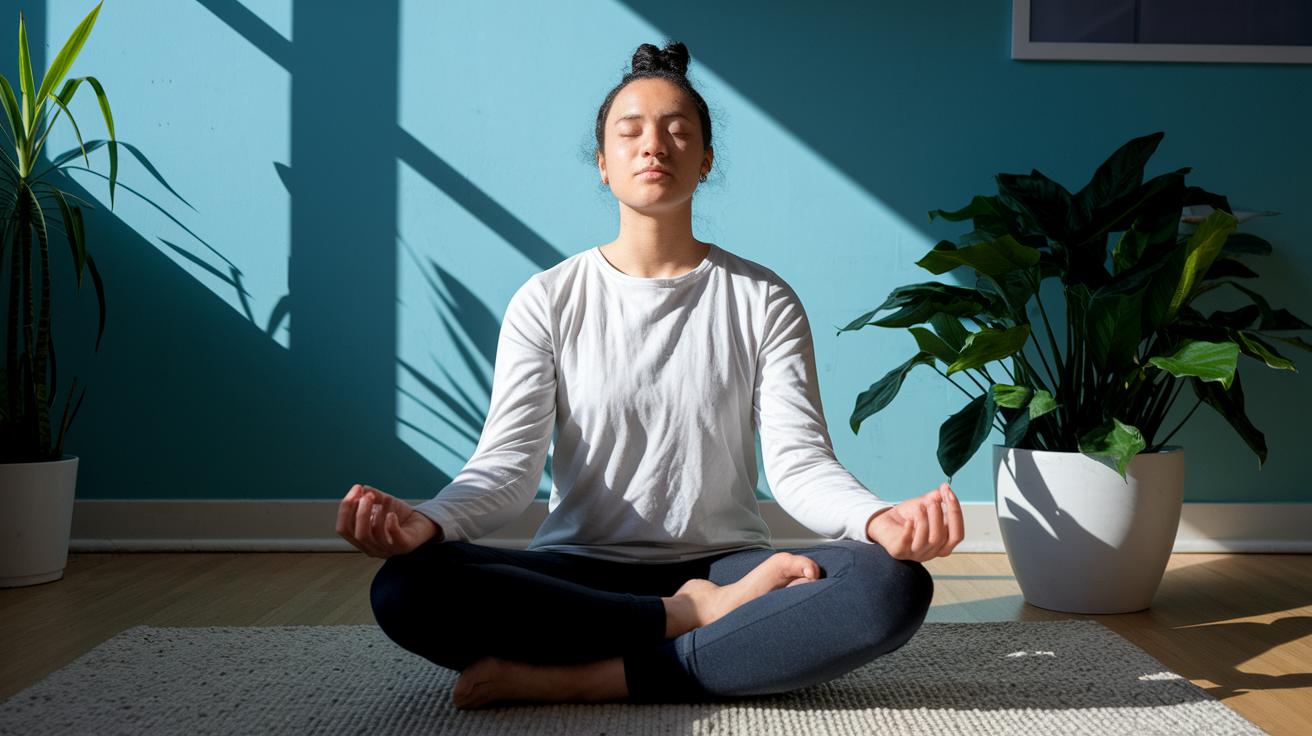
Let's start by understanding what meditation really is. You can check out more details here: Meditation Definition Psychology. Meditation is just taking a few moments to sit quietly and let your day fade away, leaving behind any distracting thoughts. On the other hand, mindfulness is all about staying tuned in to the here and now, like really noticing the taste of your food, the warmth of the sun on your skin, or the joyful sound of laughter around you.
Mindfulness-based cognitive therapy, or MBCT, helps lower stress by teaching you to watch your thoughts without judging them. Try this simple exercise: close your eyes and picture a calm place, maybe a gentle stream or a peaceful park. Say to yourself, "I am here, and I feel safe." This little exercise can actually help melt away tension and shift your focus from worry to relaxation.
Throughout your day, try to sneak in small moments of mindfulness. Whether you're strolling outside, cooking a meal, or even waiting in line, take a short break to listen to your senses and bring yourself back to the present moment.
If you ever feel overwhelmed by stress, consider using guided relaxation or visualization exercises. These can be quick and soothing tools to help bring back a sense of calm.
Cognitive Behavioral Anxiety Reduction Strategies

Cognitive restructuring is a handy way to calm your mind when anxiety starts to creep in. When you catch a worrisome thought, take a moment to question if it’s really true. Many folks even write down these thoughts, like when you think, "I must always get things right," to see if there's another, kinder way to view it.
Try jotting your anxious thoughts on paper and ask yourself if every word is accurate. Swap out words like "always" or "never" for something more balanced. It might help to pause and ask, "Could I see this situation differently?" This simple act of self-questioning can ease your fears and show that a new perspective might help you feel calmer. Over time, writing these thoughts down will help you notice patterns and change how you react.
Try these steps:
- Note the anxious thought.
- Look at the evidence both for and against it.
- Come up with a healthier alternative thought.
By practicing cognitive restructuring regularly, you can break the loop of anxious thinking and find a bit more peace. Each small step can lead you to clearer, calmer moments every day.
Physical Activity Anxiety Reduction Strategies
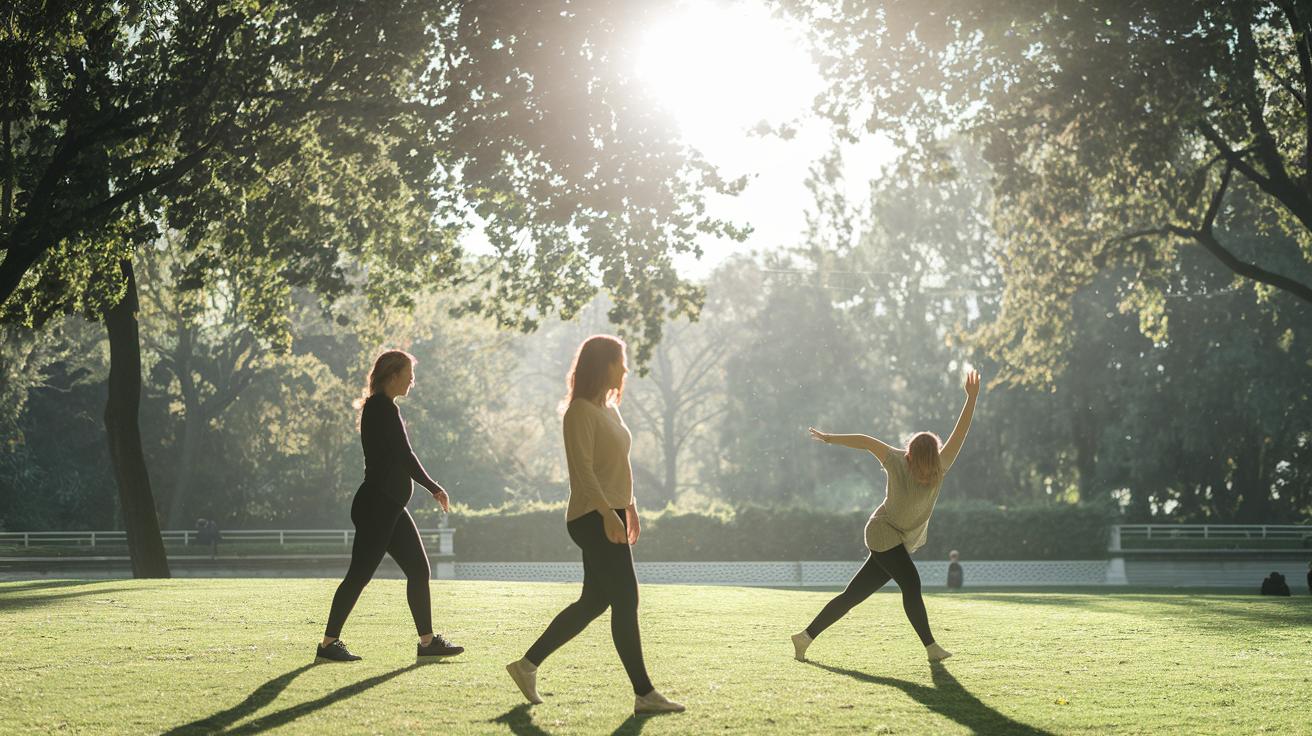
A six-week study with 185 students showed that doing aerobic exercise twice a week can really cut down stress from uncertainty. When you move regularly, your mood gets a boost from natural chemicals like endorphins that help you feel calm. Simple heart-pumping activities can reset your stress response and give your mind a nice break from worry.
Yoga and mindful movement are great too. They pair gentle stretching with deep breathing, helping lower stress hormones while giving you a soothing workout. Imagine starting your day with a quick 20-minute walk mixed with a short yoga flow, it might just ease your anxiety and build up your inner strength.
Here are a few ideas you can try:
- A brisk walk or a light jog for 30 minutes
- A simple yoga routine with moves like downward dog and child's pose for 20 minutes
- Mindful stretching that uses slow, steady movements for 15 minutes
Even short periods of physical activity each week can make a big difference in how you feel. Exercise not only makes your body stronger but also helps calm your mind. Try fitting in a little movement whenever you can, and you might find it easier to manage daily stress.
Lifestyle and Habit Anxiety Reduction Strategies
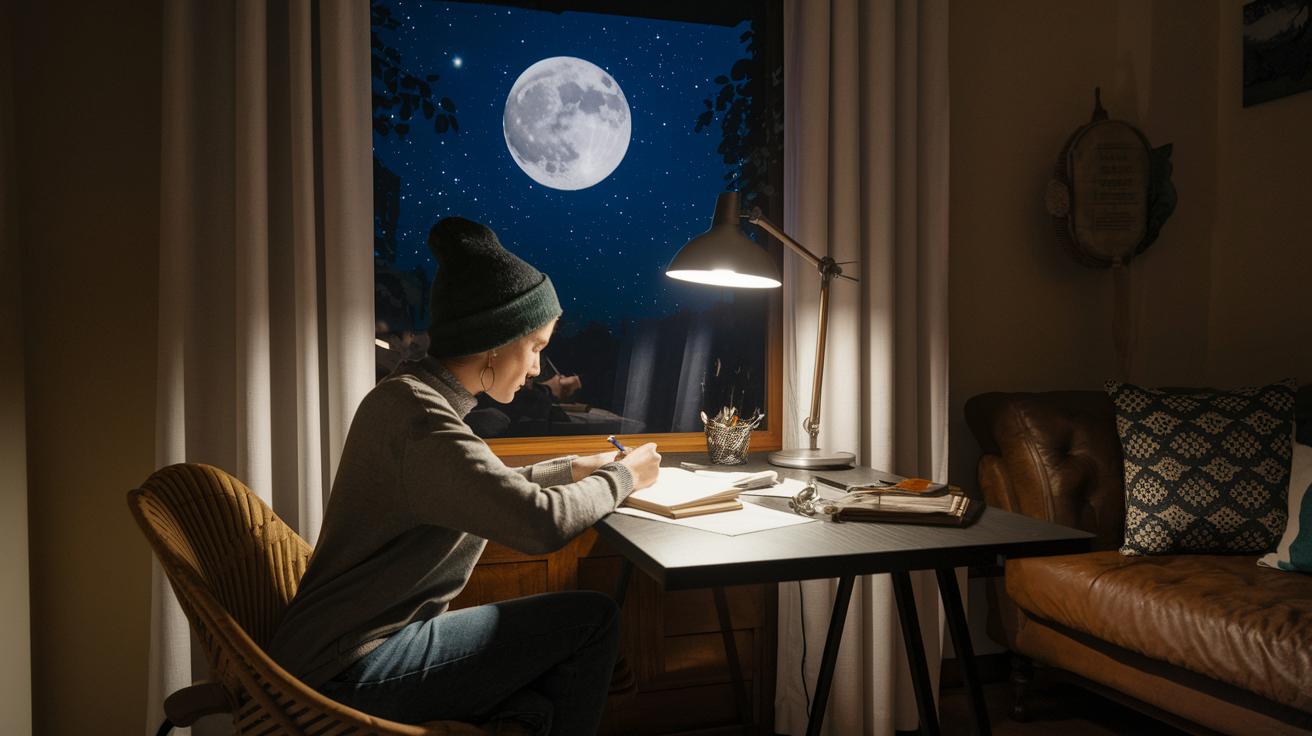
Everyday habits can really make a difference when it comes to easing anxiety. Have you ever tried setting aside a quiet moment just for jotting down your thoughts? When you write how you feel, your mind gets a little clearer and you might even spot what triggers your worries. Imagine starting your day by noting how you feel, it turns heavy, tangled thoughts into simple, manageable reflections.
Another great tip is to ease up on screen time in the evenings. Cutting back on blue light before bed can help you sleep better and wake up feeling refreshed. Try switching off your devices about half an hour before you plan to sleep; it might just give your mind the break it needs.
It also helps to set some healthy limits for yourself. When you learn to say no, you’re showing care for yourself and keeping overload at bay. Even a brief break to enjoy nature can do wonders. Picture a quick 10-minute stroll in a nearby park, feeling the cool breeze and soaking in the fresh air, a little reset for your senses.
You might also consider cutting down on caffeine, which can sometimes make you feel all jittery, and spending time with friends or joining a local group to boost your mood. A quick call with someone you care about could be just the pick-me-up you need.
By making these simple habits part of your day, you can gradually keep anxiety in check and build a calmer, more balanced life. Isn't it amazing how small changes can lead to big improvements over time?
Nighttime Anxiety Reduction Strategies for Better Sleep
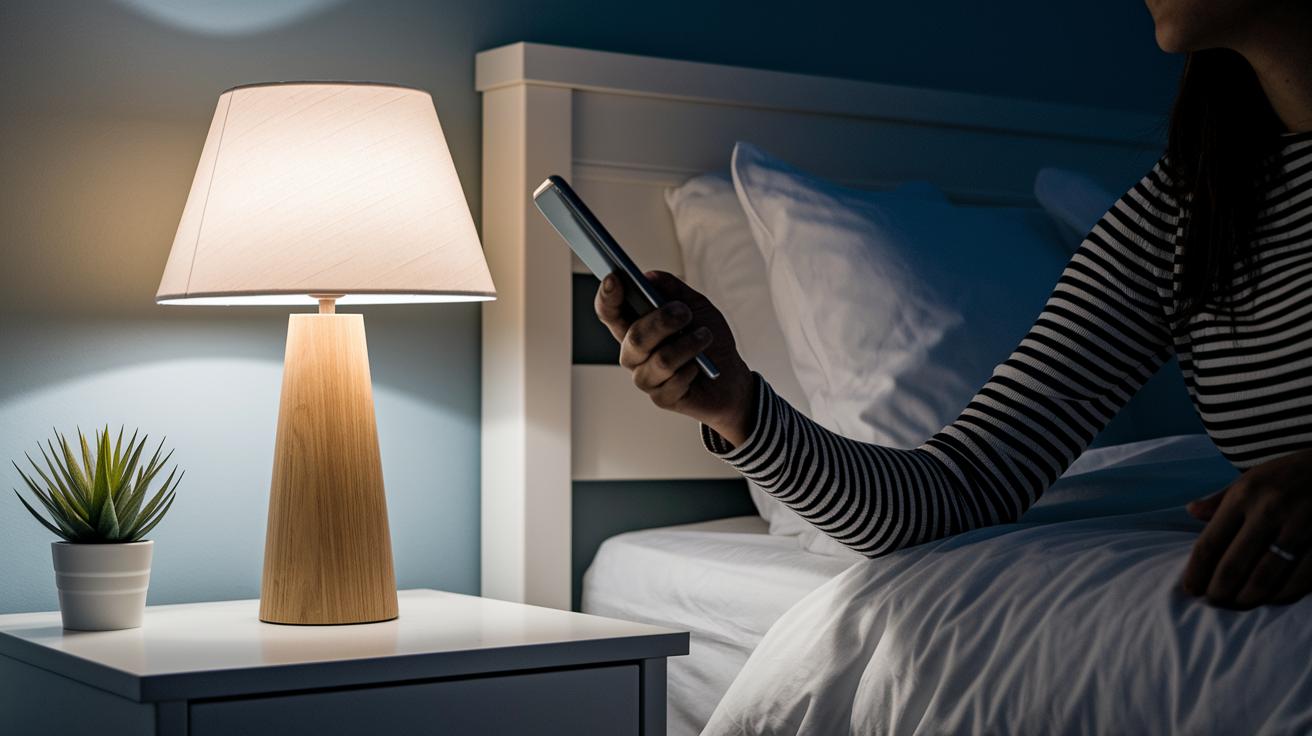
Poor sleep often ramps up stress, making it hard to quiet your mind. One easy tip is to reduce screen time before bed. Try turning off your devices about 30 minutes before you sleep. Imagine setting your phone aside, dimming the lights, and simply soaking in the gentle sounds of the evening. That small change can help your body wind down naturally.
Another great approach is guided relaxation, like progressive muscle relaxation. Start by gently tensing and then relaxing each muscle group, one at a time. This exercise not only soothes your body but also helps break the loop of anxious thoughts, shifting your focus into a calm state.
Keeping a regular sleep schedule can really make a difference too. Going to bed and waking up at the same time every day helps steady your body's clock, which in turn can ease nighttime tension and anxiety. A consistent routine makes it easier to let go of daily stress, paving the way for a peaceful night's sleep.
Solo Anxiety Reduction Strategies for Self-Help
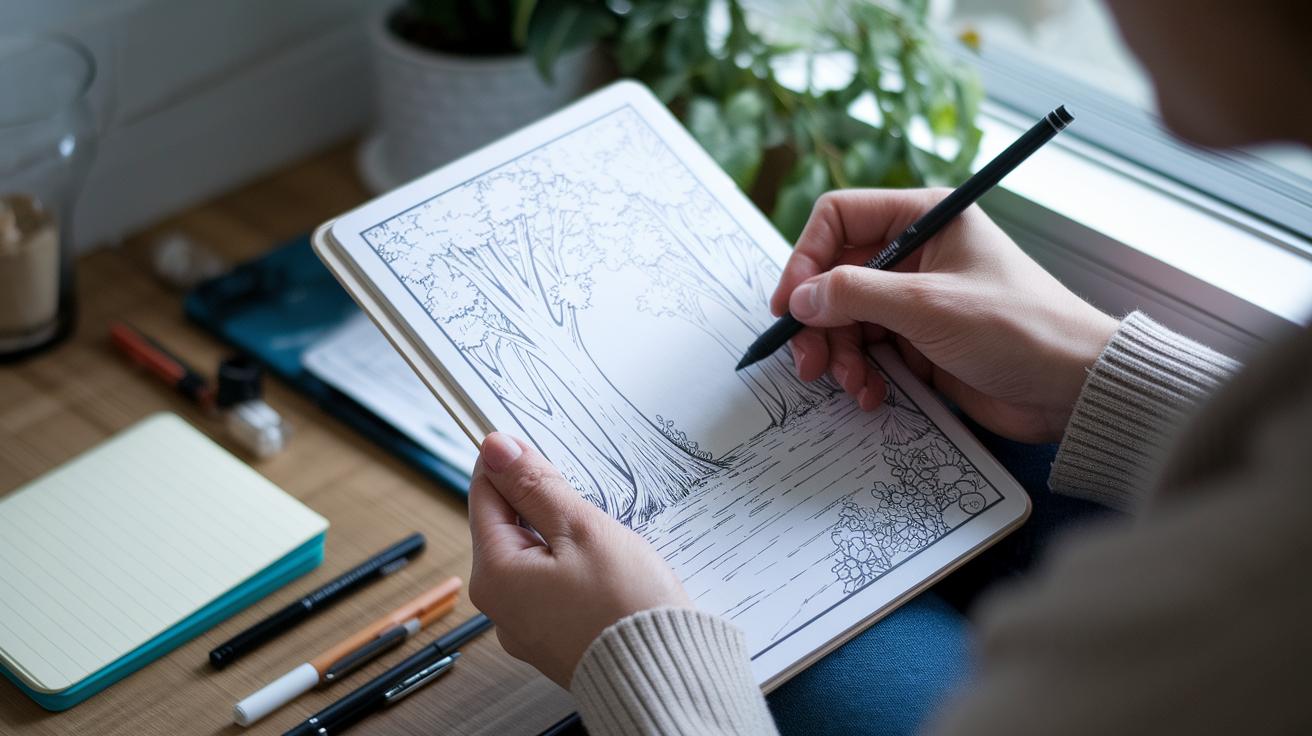
Art and music therapy give you a fun way to ease your anxiety. Try sketching a calming scene or playing your favorite tune. Even a simple hum can help release tension. Picture yourself doodling in a quiet corner, letting your thoughts turn into gentle colors and shapes.
Journaling is another great way to understand your feelings. You might ask yourself, "What made me smile today?" or "What small act brought me peace?" These little questions can help you notice how your mood shifts over time.
Aromatherapy adds an extra layer of calm. A few drops of lavender or chamomile oil in a diffuser fill your space with a soothing scent that quiets your mind. Take a deep breath and enjoy a few peaceful moments.
Self-help books and apps can also guide you with structured exercises and reflections. They often include creative projects and mindfulness practices that help you feel more in control during challenging times.
Recognizing Panic vs Anxiety Reduction Strategies
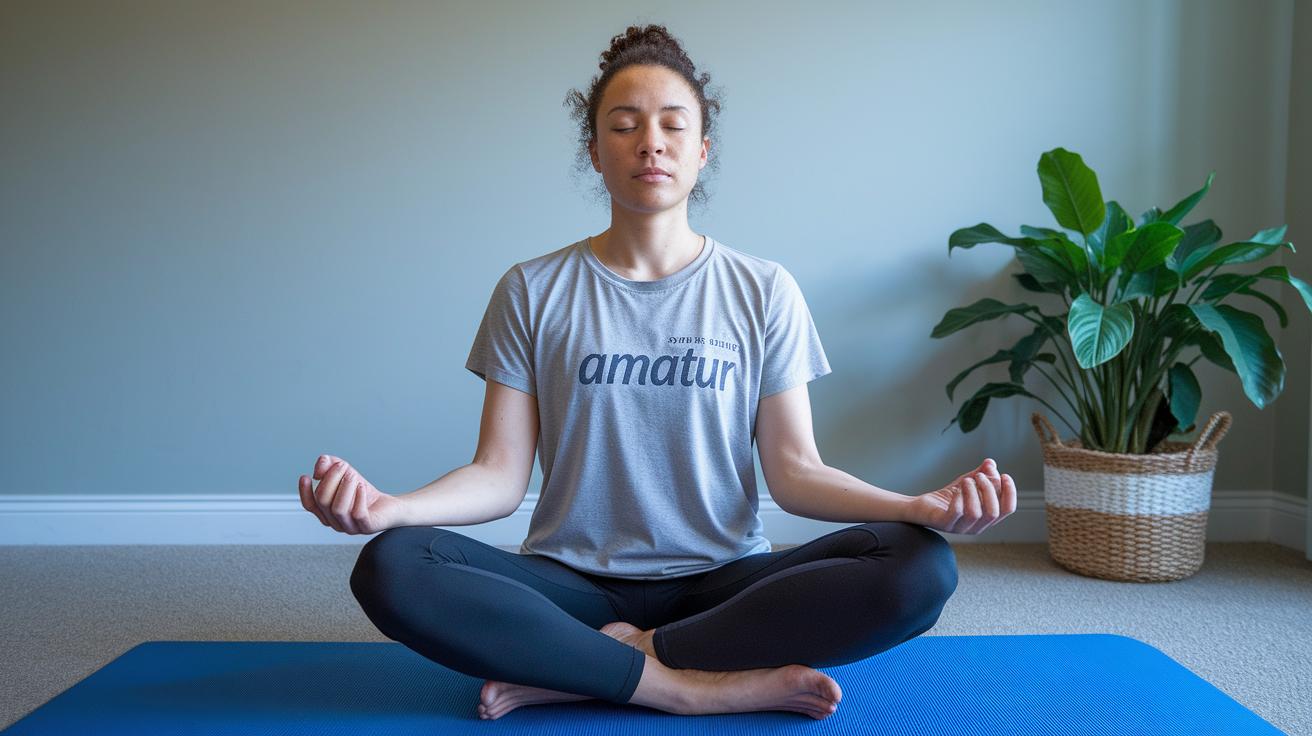
Often, panic and ongoing anxiety seem very similar, but they show different signs. Panic can hit you all of a sudden and reach its peak in just a few minutes. You might feel your heart pounding, notice sweat, experience trembling, or struggle to breathe. It is usually accompanied by an overwhelming fear. In contrast, general anxiety builds up slowly and sticks around as a constant worry without the sudden rush of physical symptoms.
When a panic attack strikes, try to ground yourself with some simple techniques. Deep, slow breathing can help calm your racing heart. Focus on what you feel, maybe the texture of a small object, the feel of your clothes, or even the sound of your breath. Asking a gentle question like, "Is this fear really based on what is happening?" might open the door to more calming thoughts.
If these panic symptoms happen often or feel too much to handle, remember that getting emergency help is important. Understanding the differences between panic and ongoing anxiety, and using these calming strategies, can give you a stronger grip to manage both sudden panic and everyday worry.
- Deep breathing
- Grounding techniques
- Cognitive reframing
Take charge of these moments as they come.
Final Words
In the action, we explored research-backed ways to ease anxiety. We broke down fast fixes like controlled breathing and grounding exercises and built on long-term practices such as mindful eats, daily movement, and self-reflective techniques. Short routines and balanced habits came together to help you step back from overwhelming thoughts. Embracing these anxiety reduction strategies can clear the path for a calmer mind and a healthier life. Enjoy putting these simple tips into practice and feel optimistic about small changes that make a big difference.
FAQ
Q: How can I quickly reduce anxiety?
A: The technique of deep breathing, like the 4-4-8 method, combined with sensory grounding techniques such as the 5-4-3-2-1 method, offers fast and effective relief from anxiety by slowing your heart and quieting your mind.
Q: How do I deal with anxiety when I’m alone?
A: Dealing with anxiety alone involves using self-soothing practices such as mindfulness, journaling, or art and music therapy, along with short breaks for self-care that help you feel supported and calm.
Q: How can I stop racing anxiety thoughts?
A: Stopping racing anxiety thoughts means using cognitive self-talk and reframing methods to challenge negative ideas, helping you shift focus and gain control over spiraling worries.
Q: Which foods help reduce anxiety quickly?
A: Certain foods high in antioxidants, magnesium, omega-3s, and vitamin B, along with calming herbal teas, can help soothe your body and mind, easing anxiety naturally and quickly.
Q: What are five useful ways to deal with anxiety?
A: Five useful methods include deep breathing, regular physical exercise, practicing mindfulness, challenging negative thoughts with reframing, and using grounding exercises to help calm your mind.
Q: Where can I find an anxiety management strategies guide in PDF?
A: Many trusted health sites and community organizations offer downloadable PDF guides that provide step-by-step anxiety management techniques, allowing you to access evidence-based advice whenever needed.
Q: How can I manage both anxiety and depression?
A: Managing both anxiety and depression involves blending self-care practices like proper nutrition, regular exercise, mindfulness, and supportive social interactions, while sometimes seeking professional guidance for tailored help.
Q: What does the 3 3 3 rule for anxiety mean?
A: The 3 3 3 rule means naming three things you see, hear, and feel to help shift your focus from anxious thoughts to the present moment, reducing stress quickly and effectively.
Q: What does the 555 rule do for anxiety?
A: The 555 rule suggests listing five things you can see, five sounds you can hear, and five objects you can touch, grounding your senses and helping to interrupt the cycle of anxious thoughts.