Have you ever wondered what happens when you really listen to your inner voice? In our busy days, it's so easy to overlook the soft signals our bodies send us. Mindfulness gives you a short pause, a moment to notice the steady beat of your heart and the smooth flow of your breath. This simple practice gently clears away old worries and helps you see who you truly are. Let's chat about how taking these small pauses can bring calm and a new way to look at everyday life.
Enhancing Self-Awareness with Mindfulness Techniques
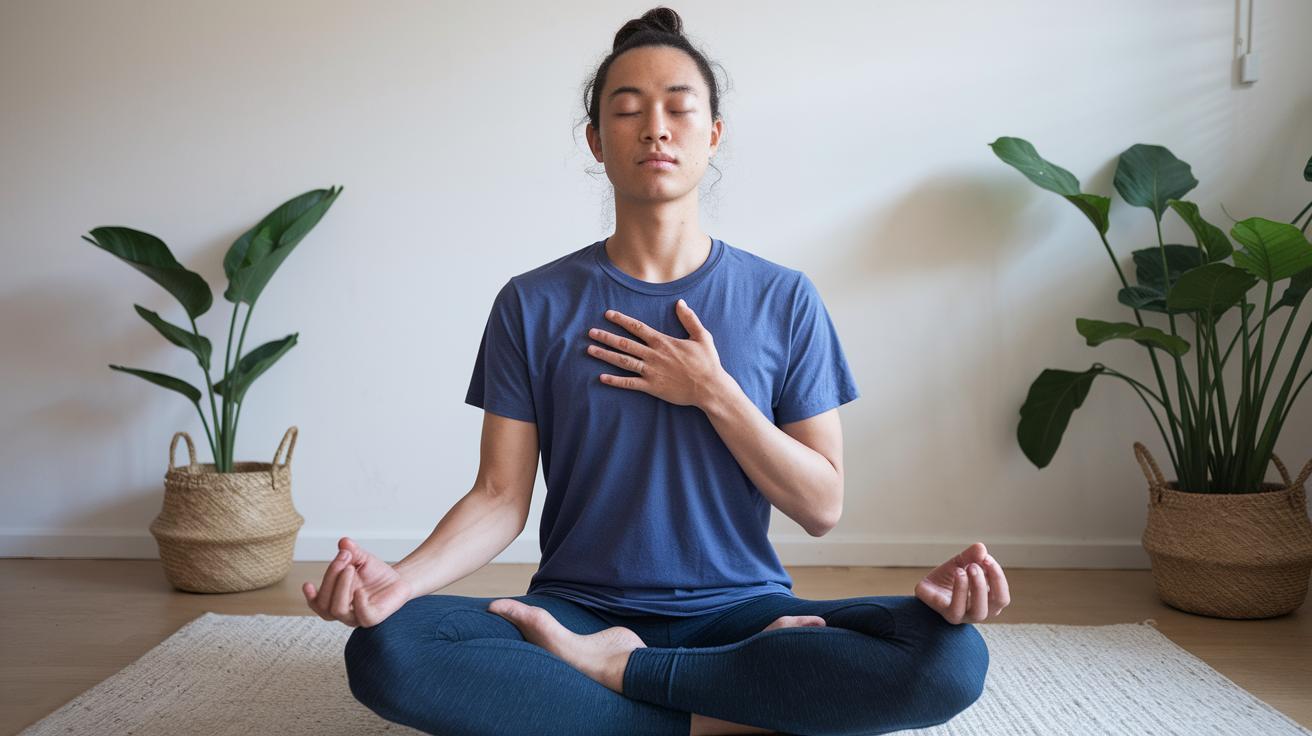
Mindfulness is all about tuning in to what’s happening inside you right now, your thoughts, feelings, and actions. It means more than just being awake; it’s about really noticing what’s going on in your heart and mind. Sometimes we fool ourselves into thinking we understand our inner world, but habits like blaming can block true insight. Imagine taking a pause during a stressful moment to feel your heartbeat, as if every pulse is reminding you that you deserve care at that moment.
Mindfulness practice can help clear away the heavy baggage of past hurts or worries about the future. We all know that when life gets busy, stress often shows up as a tight chest or a churning stomach. These feelings are little signals that your inner self could use some attention. Try paying gentle attention to small sensations, like the cool air when you breathe in or the soft weight of your body settling with each breath. You might say to yourself, “in” as you breathe in and “out” as you breathe out, noticing the calming rhythm that follows.
Regular mindful moments help balance your emotions and deepen your self-knowledge over time. As you practice, you learn to see things as they are, separate from the lingering feelings of past events. These simple, steady steps can turn brief moments of clarity into a lasting sense of peace, guiding you on the path to more mindful, balanced living.
Core Mindful Practices for Personal Clarity
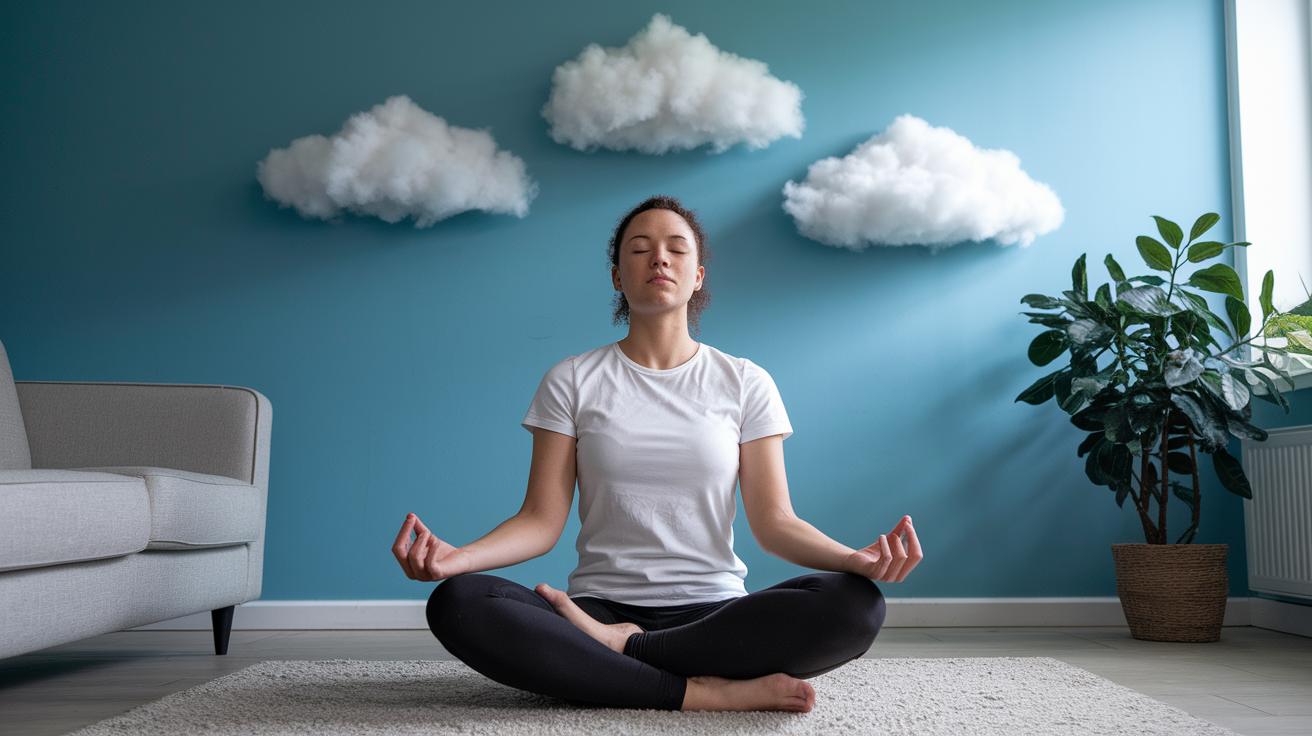
Simple exercises can help you understand your thoughts and feelings better. Start with these easy techniques and add more details as you feel ready.
Picture your thoughts floating by like clouds. Watch them pass without getting caught up in them. For example, you might write, "I watched my worries pass like leaves dancing on a stream."
Pay close attention to how your body feels. Notice your feet touching the floor or the gentle weight of your body. This focus can change as you notice areas of tension or calm when you're stressed.
Try naming your breath as you go. Say "in" when you breathe in and "out" when you breathe out. You can also watch how your breathing changes with your mood or surroundings. I once noticed that steady breathing helped me regain balance before making a tough decision.
Learn to tell the difference between what is happening right now and old feelings that might still be with you. Think about times when noticing this helped you respond calmly instead of reacting quickly.
When things feel overwhelming, pause for a moment and take a mental note of your feelings without blaming yourself. Over time, you might see patterns that signal when it’s time to refocus.
Practicing these tips regularly can help build clarity, so you can adjust each technique to fit what you need each day.
Daily Mindfulness Exercises to Cultivate Self-Awareness

Short mindfulness practices can work alongside those deep breathing and labeling feelings techniques we talked about before. They offer fresh ways to notice what’s happening inside without doing the same old exercises.
Try this: jot down your thoughts at different moments in the day. For example, write, "I felt calm after enjoying a quiet cup of tea." It's a simple habit that helps you tune in to your feelings.
Take a quick break to breathe deeply. Pause for a moment, breathe in slowly, and then exhale. This little reset can make a big difference in your day.
Spend two minutes with a body scan. Sit quietly and slowly notice if any part of your body feels tight or relaxed. This is a hands-on way to check in with yourself.
When stress creeps in, give it a name. Mentally note the feeling by saying, "here comes stress." Recognizing it can help you manage it better.
If you enjoy writing, try a journaling prompt. Ask yourself, "What sensation in my body tells me I'm at ease?" This focused reflection can lead to deeper self-awareness. For more ideas, see this resource: journal prompts for mental health.
These tips work well when added to your morning routine or even during a short check-in at night to help maintain your inner balance.
Evidence-Based Benefits of Mindful Self-Awareness
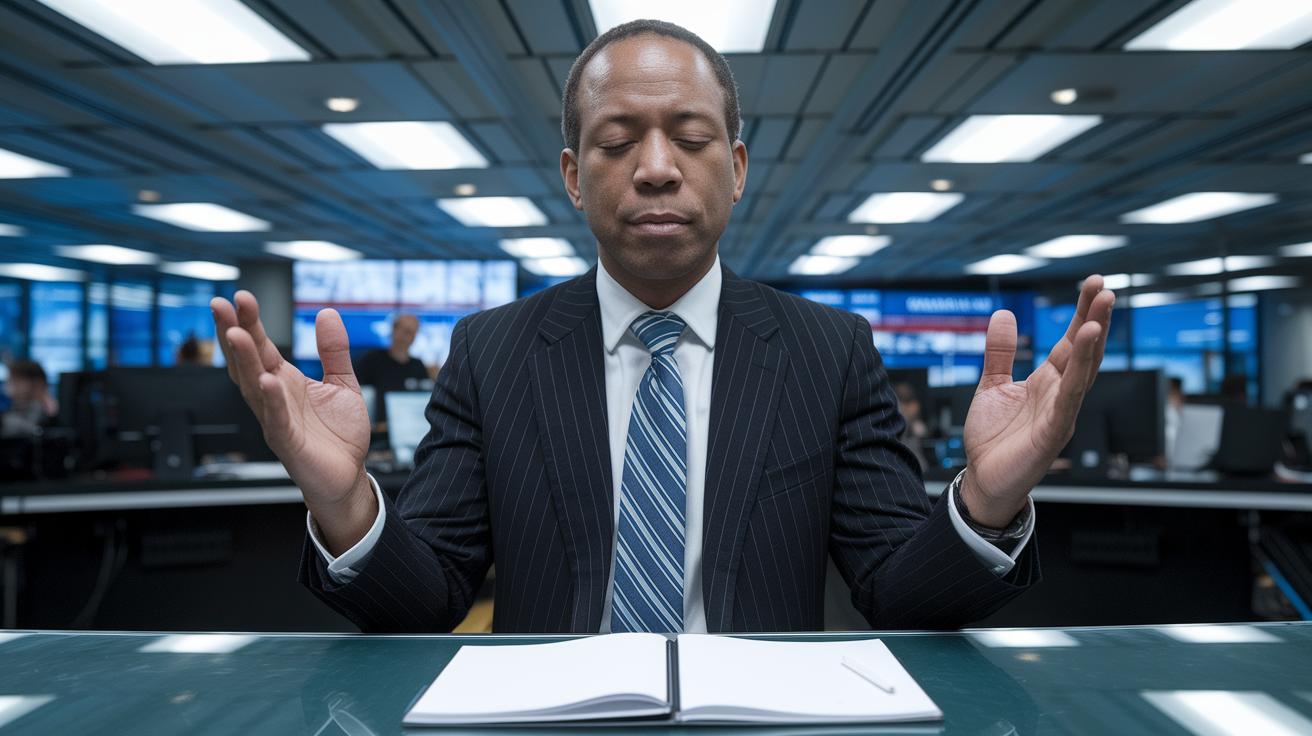
Gerald was a busy journalist who often felt stressed, frustrated, and angry. He learned that when we blame others or avoid tough feelings, we quickly become less kind in our judgments. By paying close attention to his feelings before they grew too strong, Gerald found a way to make better choices and keep his impulses in check.
Research shows that simple exercises like watching your breath can lower stress. Try this: as you breathe in, say "in" in your mind, and as you breathe out, say "out." This method helps calm your body and clear your mind, making it easier to handle hard situations without reacting too quickly.
Studies also tell us that meditation and quiet self-reflection create a small space inside where patience, kindness, and acceptance grow. When you're really overwhelmed, taking a moment to notice what you feel can help you see facts clearly instead of old stress mixing in. Gerald's experience reminds us that mindful self-awareness can change a heated moment into a chance for a calm, controlled response. Researchers agree that these simple techniques help us control our emotions and make thoughtful decisions every day.
Integrating Mindfulness into Daily Life for Emotional Balance

Have you ever noticed how a brief pause can clear your mind? We’ve already explored mindful walking, focused breathing, and little moments of reflection. Now, let's dive into a few more ideas that might help if you find it tough to weave mindfulness into a busy day.
Imagine this: You’re in the middle of a hectic schedule and setting a timer for a quick pause could be a game changer. A busy office worker, for instance, managed to cut stress by taking 30-second breathing breaks after every meeting.
Here are a few simple tips:
- If you tend to rush through things, try linking a quick mindfulness pause with a routine moment like before your morning coffee.
- Give yourself a mini check-in by briefly noting your feelings and then gently guiding your focus back.
- Mix mindfulness with a short walk, and really take a moment to feel the breeze and see the vibrant colors around you.
| Challenge | Tip |
|---|---|
| Rushing through tasks | Take short mindfulness breaks during your day |
| Forgetting to pause | Link a mindful moment with a regular habit, like before meals |
| Difficulty staying focused | Start with 10-30 second pauses and gradually lengthen them |
mindfulness for self-awareness Sparks Calm Insight
Integrating Awareness and Recognition
Recent findings suggest that noticing when you're dodging a feeling can be a chance to look deeper within yourself. So when you feel the urge to blame, take a moment and ask, "What physical feeling am I noticing right now?" Imagine your shoulders tightening during a rough moment, rather than blaming anyone, just see that tension as a sign of stress. One might say, "My heart was pounding, and I softly thought, 'This is just stress,' before letting it go." These little moments of noticing help you connect old patterns with a fresh take on how you feel right now.
Deepening Awareness through Updated Practice
Instead of simply labeling emotions like anger or frustration, try a quick, gentle check-in to see what your body is saying. Even a brief pause during stress can help shift your response. For example, when a tight or tense thought pops up, quietly call it "nervousness" and then focus on the smooth, calming rhythm of your breath. This small step not only boosts your awareness but also opens up space for new self-reflection. Think of it like this: "When pressure built up, I softly reminded myself to notice the sensation while embracing the cool rush of air with each breath." These subtle check-ins combine trusted mindfulness with fresh, research-backed ideas that keep your self-awareness growing.
mindfulness for self-awareness Sparks Calm Insight

Building self-awareness takes time. Sometimes, a quiet retreat, a guided meditation class, or even a regular journaling habit can help you notice little shifts in how you feel and think. Have you ever taken an afternoon just to watch your thoughts drift in and out like gentle ripples on a pond? I once had a retreat where each breath felt like a soft wave bringing calm.
Journaling can turn your everyday moments into a helpful record of your feelings. For example, you might write down, "After a short break, I felt a quiet calm during a tough moment." Over time, these notes reveal patterns that guide you toward a steadier inner balance. Many meditation classes also include friendly sessions of self-questioning, which help you gently adjust your reactions and embrace a more peaceful state of mind.
Final Words
In the action of practicing mindful exercises, we learned how targeted meditation can sharpen self-awareness. Small routines, like focused breathing and reflective journaling, transform daily habits into opportunities for inner insight.
We explored how staying present helps reduce stress and shift blame patterns into clearer self-observation. These steps bring practical balance and emotional clarity to every day.
Keep embracing mindfulness for self-awareness, you have the power to create steady, positive change.
FAQ
What are mindfulness exercises?
Mindfulness exercises involve simple, focused activities like deep breathing, body scans, and gentle meditations. They help bring your awareness to the present moment and reduce stress through clear, non-judgmental observation.
What are mindfulness activities for students?
Mindfulness activities for students include breathing exercises, brief meditations, and mindful pauses during class. They help reduce stress and improve concentration, making learning more enjoyable and effective.
How do you practice mindfulness for anxiety?
Practicing mindfulness for anxiety means using deep breathing, observing your body sensations, and acknowledging anxious thoughts without judgment. This technique helps calm the mind and manage worries throughout the day.
Where can I find mindfulness exercises in PDF format?
Mindfulness exercises in PDF format provide clear, step-by-step guides for practices like breathing and body scans. These downloadable resources offer structured routines that make starting and maintaining mindfulness easier.
What are the benefits of mindfulness?
The benefits of mindfulness include reduced stress, improved concentration, better emotional balance, and increased awareness of your thoughts and feelings. It helps you live more fully in the present moment every day.
What are the five basics of mindfulness practice?
The five basics include focusing on your breath, observing thoughts, noticing body sensations, labeling your feelings, and releasing judgments. Each step builds a habit of staying present and aware in everyday life.
Can you give examples of mindfulness in everyday life?
Everyday mindfulness examples include taking a mindful walk, enjoying a quiet meal, or pausing to notice your feelings during a busy day. These moments keep you connected to yourself and your surroundings.
What mindfulness exercises are recommended for adults?
For adults, recommended mindfulness exercises include breath counting, body scans, and mindful journaling. These practices help manage daily stress, promote emotional clarity, and support a balanced, present-focused mindset.