Have you ever thought that a simple herb might help calm your mind and ease your pain? These herbs are more than just plants. They offer a gentle, natural way to support your body. Imagine enjoying a warm cup of herbal tea or using a soft herbal oil, as many have done for generations. Sure, you might feel a small reaction when you first try one, but starting slowly could bring a light boost to your everyday well-being.
Medicine Herbs Spark Amazing Healing Benefits
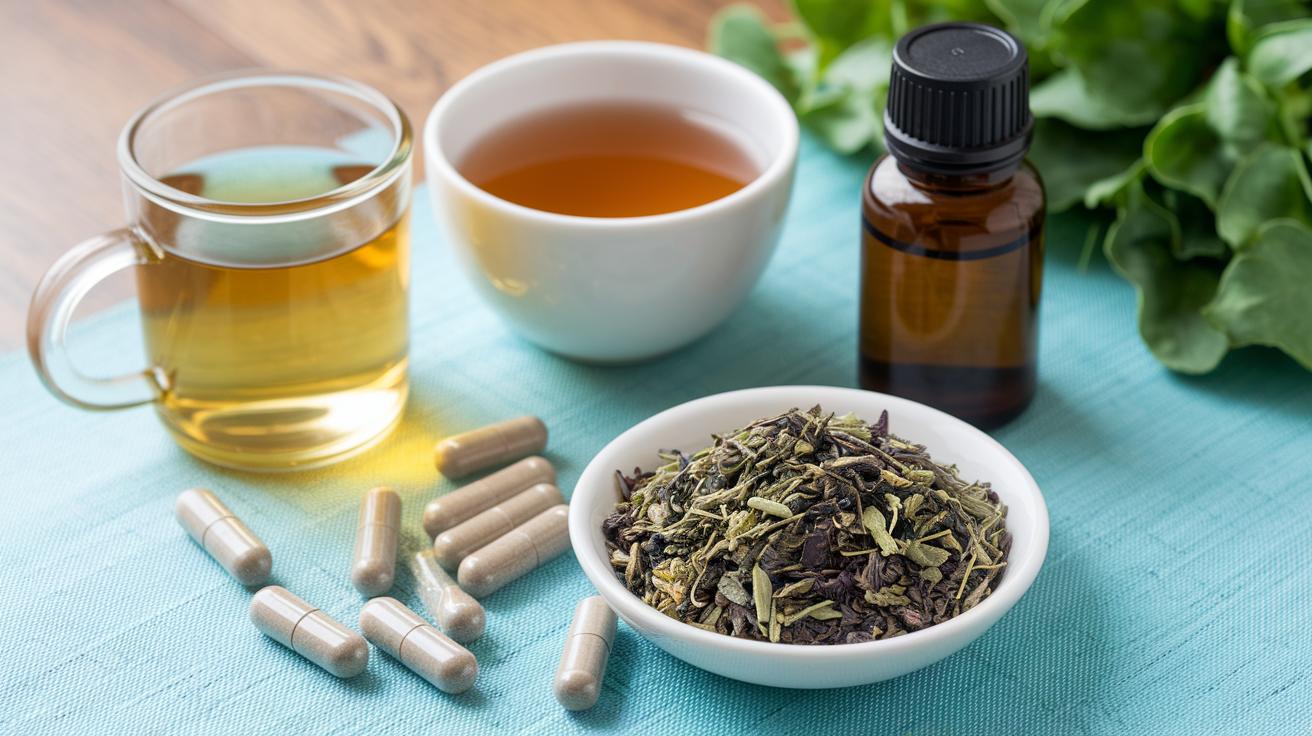
Medicinal herbs have been loved by many cultures for a very long time as a natural way to support good health. People have turned to these plants for centuries to help ease inflammation, lower stress on the body, and give the immune system a little boost.
These herbs come in lots of different forms. You might enjoy them as a warm tea, find them in a capsule, or use them as an oil on your skin. For example, if you make herbal tea, just steep a few leaves in boiling water for a few minutes to enjoy a soothing, comforting drink. This variety shows how traditional herbal methods continue to share their healing gifts.
Even with all these benefits, it's a good idea to take things slowly. Some people might have a light stomach upset or notice a mild reaction when they try a new herb. Start with a small amount and see how you feel. This careful approach lets you add herbal remedies safely to your daily routine, working nicely alongside modern health practices.
Top Healing Herbs and Their Uses
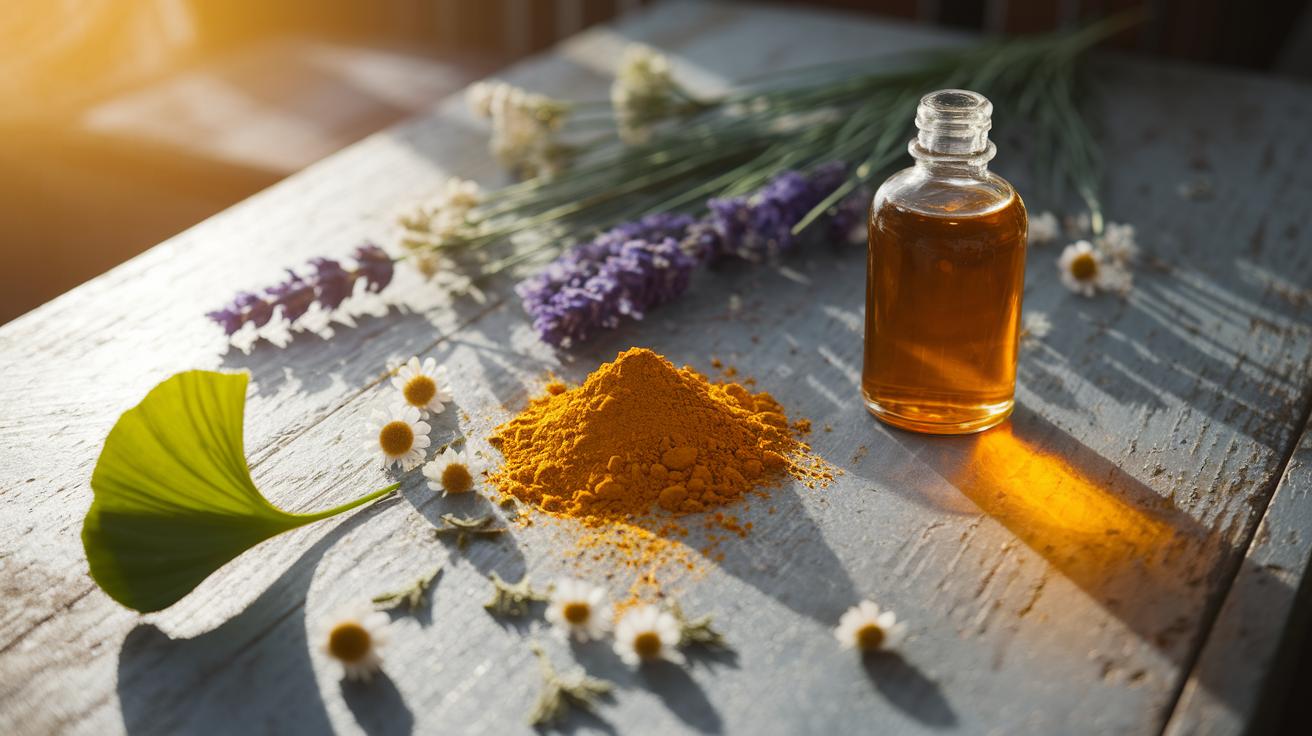
Herbal remedies have been used for ages because they work gently yet effectively to help you live a balanced life. Let’s explore nine popular herbs and see how they can add a little boost to your everyday wellness.
- Ginkgo biloba helps keep your mind alert and clear. Imagine a brisk walk that sharpens your focus, that’s what this herb can do for your memory.
- Turmeric is famous for curcumin, a natural compound that lessens swelling and pain. Many people mix it into meals or take it as a supplement to ease occasional aches.
- Evening primrose oil can help ease PMS discomfort and soothe irritated skin, like eczema, offering a natural way to find relief.
- Flax seed, when added at about 2 tablespoons a day, packs omega-3 fatty acids (fats that help your heart and brain) and fiber into your smoothies or breakfast bowls.
- Tea tree oil is used on the skin to handle minor bumps or irritations. Just remember to use it carefully!
- Echinacea is a favorite when you need an immune boost, especially during times when you’re feeling a bit run down.
- Grapeseed extract works like a little helper for your cells with its antioxidant properties, keeping them in good shape.
- Lavender is loved for its calming scent, often a part of lotions and oils, to help ease stress and bring a sense of calm.
- Chamomile is perfect for winding down at the end of the day. A warm cup of chamomile tea can help you relax and digest your meal better.
Each of these herbs has its own special benefits, making them a simple and natural addition to your wellness plan.
Preparation Methods and Dosage Guidelines for Herbal Medicine
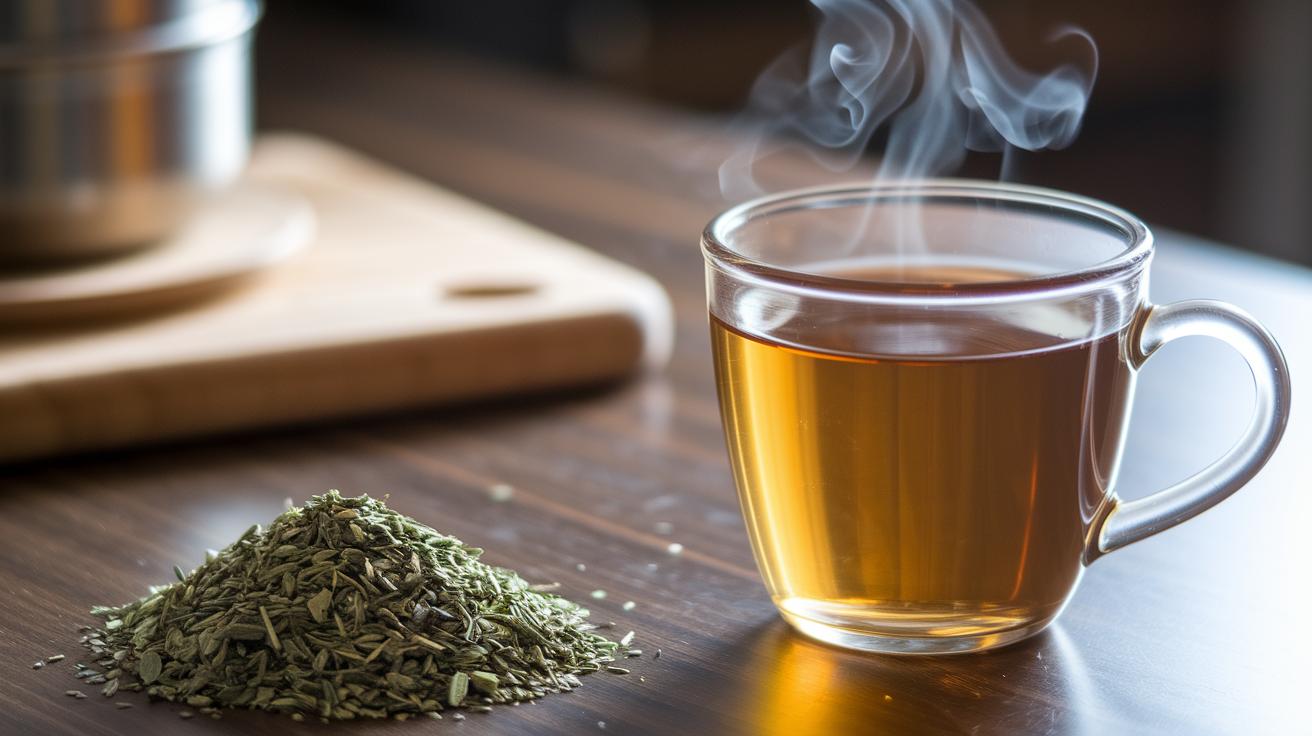
Herbal remedies are easier than you might think. One nice method is to make an herbal infusion. All you need is 1 to 2 teaspoons of dried herb in a cup of hot water. Let it sit for about 10 minutes. This gentle process works best for soft leaves and flowers because it holds on to their light taste and helpful properties. Imagine a soft breeze slowly drawing out the herb's essence.
Infusions
Infusions work well with herbs that release their benefits fast. Use water that is hot but not boiling because very high temperatures might harm the herb's active parts. This straightforward method is a favorite for many who like to make their own natural remedies.
Decoctions
When you use tougher parts of a plant, such as roots or bark, try a decoction. For this, mix 1 tablespoon of the herbal part with 8 ounces of water. Let it gently simmer for 15 to 20 minutes. This slow simmer helps break down the plant fibers so you can get more of the good stuff. Think of it like stirring a warm, hearty soup where every spoonful delivers a natural boost.
Tinctures
Tinctures use alcohol or glycerin to pull out the healing parts of a plant. Usually, you mix the herb and alcohol in a 1 to 5 ratio. Then you take about 1 to 2 milliliters of this extract two or three times each day. Tinctures keep well and let you add a strong, concentrated herbal boost into your everyday routine.
| Method | Preparation Ratio | Typical Dosage |
|---|---|---|
| Infusions | 1–2 tsp dried herb : hot water | 1 cup per serving |
| Decoctions | 1 Tbsp roots/bark : 8 oz water | 1 cup per serving |
| Tinctures | 1:5 dried herb in alcohol | 1–2 mL 2–3× daily |
| Capsules | According to supplement label | 500–1000 mg per dose |
Scientific Research and Evidence on Herbal Treatments
Modern science is looking into how natural herbs can help our bodies. For example, studies with curcumin, a part of turmeric, have found that it might lower inflammation. In simple terms, using turmeric may help reduce swelling inside you. Researchers have also looked at ginkgo biloba, finding it may give your memory and focus a gentle boost.
Echinacea is another herb that has been examined for boosting the immune system. Some studies show it might help, while others see only a slight change, so results can vary from person to person. Evening primrose oil has been researched too, particularly for skin issues like eczema, and many tests suggest it could be useful.
Scientists are still exploring these natural extracts to see how the active parts from plants work in our bodies. Even though many studies report positive effects, not all evidence is equally strong. Experts agree that larger, well-controlled studies are needed to confirm these early findings.
Imagine reading a report where even a small herb extract lowers inflammation markers. This kind of result encourages more research into how herbal treatments can be used safely as part of everyday care. Still, there are many questions about the right doses, long-term effects, and how herbs might interact with other treatments.
Herbal Safety Precautions and Side Effects
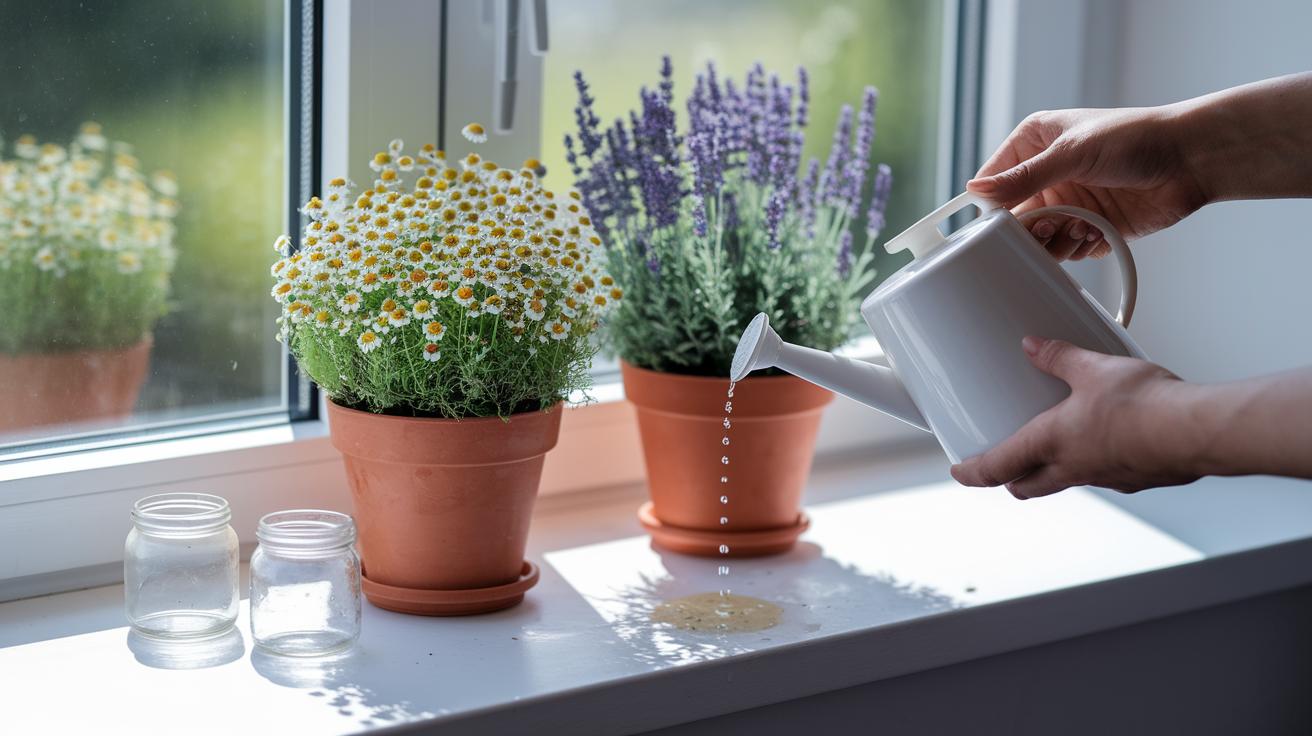
When using herbal remedies, it's best to observe how your body reacts. Sometimes, particular herbs may cause unwanted side effects. Imagine brewing your favorite chamomile tea and then noticing a small rash, this signals you to pause and check in with yourself.
- Chamomile and lavender: They can cause allergies in some people.
- Turmeric: Large amounts might upset your stomach and intestines.
- Evening primrose oil: It could affect hormone balance, so start with a little.
- Ginkgo biloba: This herb might mix badly with medicines like blood thinners.
- Tea tree oil: Use it only on the skin, as swallowing it can be risky.
It really helps to add herbs to your routine gradually. If you notice any new symptoms, try cutting back or taking a break. Always begin with a small amount and monitor how you feel. And if you're using other medicines, a quick check with your doctor can help steer clear of surprises. Listen to your body and adjust as needed to stay safe with these natural extracts.
Growing and Sourcing Medicinal Plants
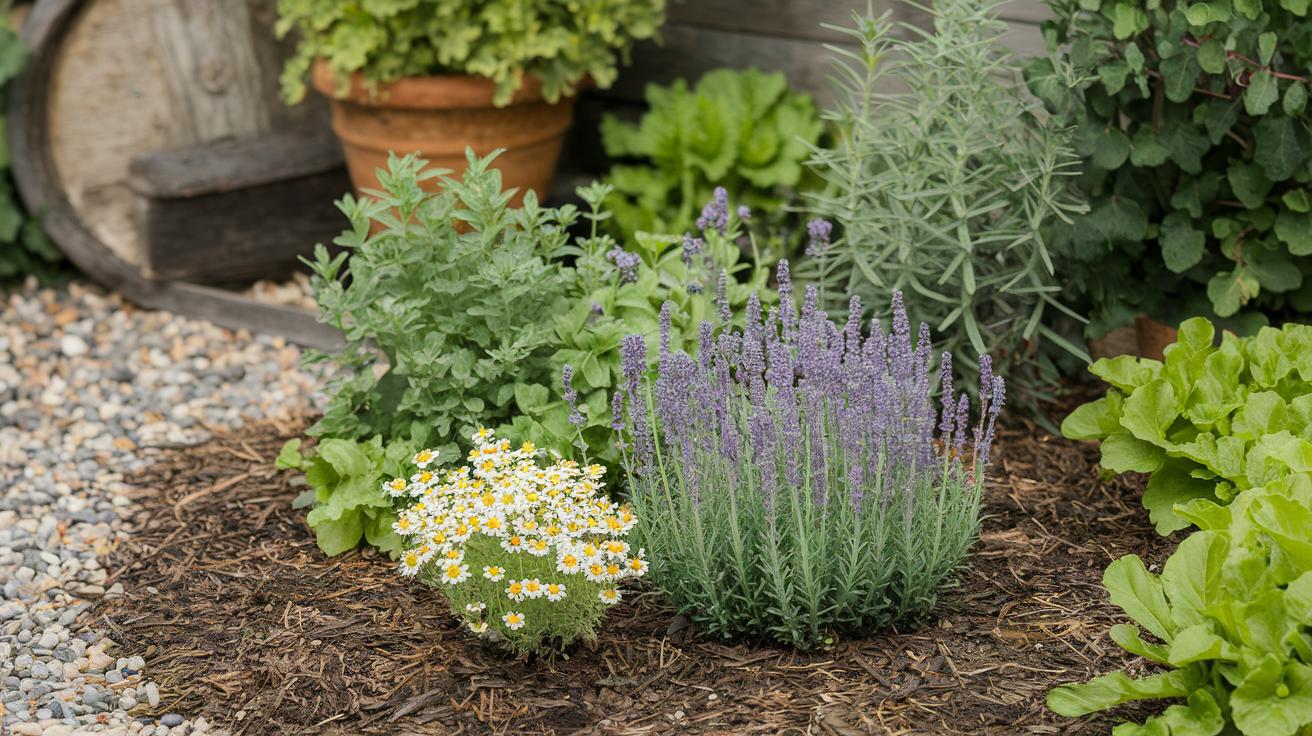
If you want your herbal garden to thrive, pick a sunny spot with well-drained soil so that herbs like chamomile and lavender can grow happily. Use natural, organic soil mixtures and steer clear of harsh pesticides. Picture your garden as a cozy home where warm sunlight and rich soil help your herbs grow strong and healthy.
Wildcrafting, which means gathering herbs from nature, can be really rewarding. Just remember to get the proper permits and follow responsible practices. Only take what you need and leave plenty for nature to keep thriving. Think of it as sharing with the earth, taking a little so that it can give a lot in return.
If you can’t grow your own herbs, try finding local suppliers who offer certified organic products and use third-party testing to ensure purity. This way, you know you’re getting high-quality herbs that are good for you. And when it comes to drying your herbs, keep the temperature below 104 °F so they hold onto their natural benefits, just like keeping a treasured recipe safe for future use.
Final Words
In the action, we explored the basics and benefits of medicine herbs. We touched on how these herbs work for physical, mental, and nutritional well-being, looked at common forms and dosage tips, and reviewed safety precautions. We also saw how to grow and find genuine herbal supplies. Every section served as a friendly guide to understanding and using natural remedies for better living and fitness. Keep moving forward, trust your progress, and enjoy the positive changes that come with holistic health.
FAQ
What are some examples of medicinal plants and their uses?
The question about 100 medicinal plants with pictures shows many examples with varied uses. These plants help soothe sore muscles, support digestion, and reduce swelling. They can be brewed as teas, used in oils, or taken in capsules.
Is there a comprehensive herbal medicine list available?
The question about herbal medicine lists highlights that many guides, including PDFs and printed versions, document herbs and their uses. Such lists help individuals choose natural remedies for everyday care.
Which medicinal herbs are considered the best or most powerful for healing?
The inquiry regarding the best and most powerful healing herbs often cites choices like turmeric, ginkgo, and echinacea. These herbs are known for easing discomfort, improving memory, and boosting the immune system.
Does the Bible say that herbs are medicine?
The question about biblical mentions of herbs as medicine suggests that traditional texts often refer to plants for healing. Such references support the long-standing use of herbs in natural care practices.
What is meant by the ‘mother of all herbs’?
The question about the ‘mother of all herbs’ reflects a term used to describe a foundational herb that is highly versatile. This herb is celebrated in both cooking and natural remedy practices for its wide range of benefits.