Have you ever felt that a few moments of quiet can really change your day? Mindfulness meditation offers a little break when life gets noisy and chaotic.
Take a moment to feel your breath, to notice your heartbeat, and sense the gentle rhythm of your body. Even these small steps can help wash away stress and ease anxiety.
When you focus on the here and now, it can slow those racing thoughts and guide you toward clearer thinking and a better night's sleep.
In this article, we will share simple, friendly tips to help you find some inner calm and a peaceful mind.
Mindfulness Meditation Exercises Ignite Inner Peace
Mindfulness meditation exercises help you stay in the moment and really feel what's happening now instead of getting lost in thought. When you try these simple techniques, you might notice less stress, lower anxiety, clearer thinking, and even better sleep. If you're new to this, each exercise can be your doorway to calm and a sharper focus. For example, think about taking a moment during a busy day to feel the soft rhythm of your heartbeat.
Here are ten easy exercises to help you get started:
- Mindful breathing: Focus on your breath as it flows in and out. You can try the 5-4-3-2-1 method, which means closing your eyes and naming five things you see, four sounds you hear, three sensations you feel, two smells, and one taste. This simple trick can keep you grounded.
- Body scan meditation: Slowly move your focus from your toes all the way to your head. Notice each sensation without passing judgment. Even a quick 3-5 minute scan can lift your mood.
- Walking meditation: Take a quiet walk and pay close attention to the feeling of each step as your feet touch the ground.
- Mindful eating: Enjoy your food slowly, noticing the flavors, textures, and smells with every bite. Imagine each taste as a mini adventure for your senses.
- Single-tasking: Give your full attention to one activity at a time. This helps you build focus and reduces that overwhelming feeling.
- Gratitude listing: Take a moment to think about three little things you’re grateful for. This simple practice can brighten your mindset.
- Mindful listening: Tune in fully to the sounds around you. It’s a gentle way to connect with the present.
- Mindful movement: Try some light yoga or stretching. It’s a great way to feel more connected to your body.
- Mindful driving: While driving, keep your awareness on what’s around you. Notice the details of your journey, one thing at a time.
- 5-4-3-2-1 sensory counting: Use all your senses to pull you back to the present if your thoughts drift away.
These beginner tips are designed to help you start small and gradually extend your sessions. With each mindful moment, you can invite more peace into your day.
Breathing Techniques for Relaxation in Mindfulness Meditation Exercises
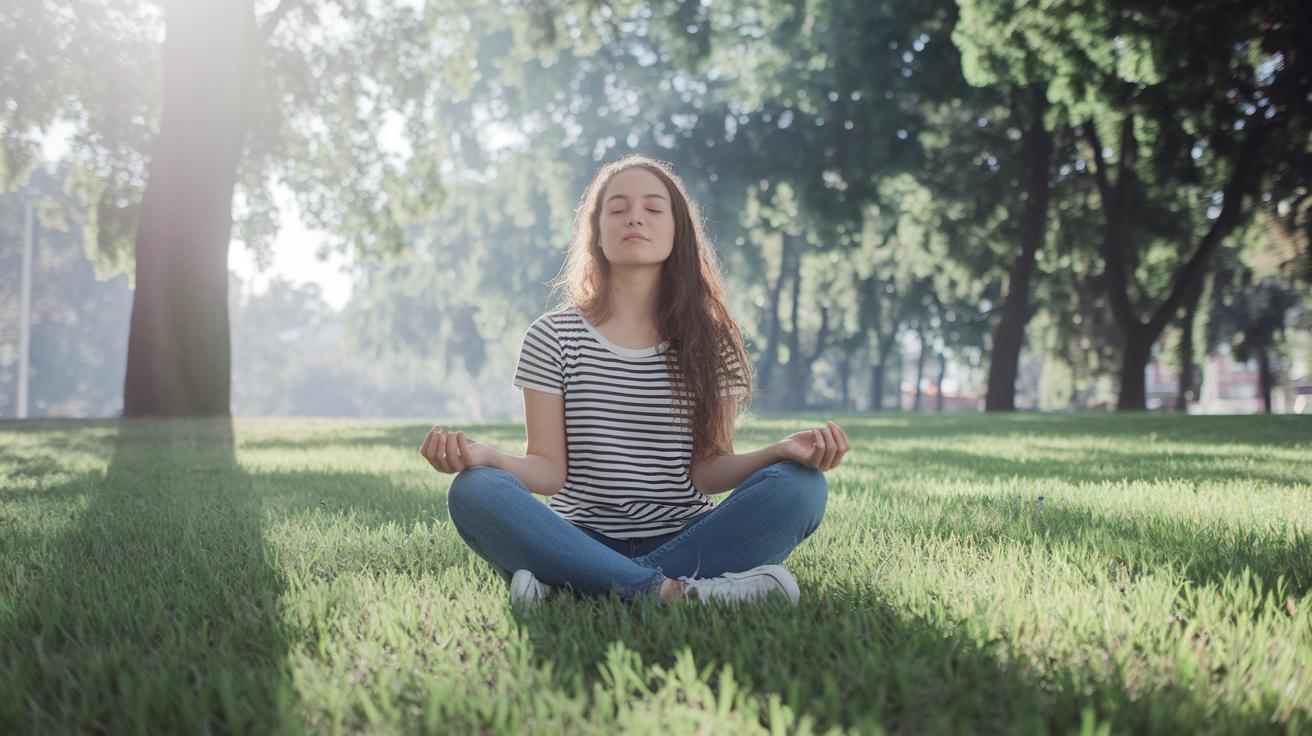
Ever try the 5-4-3-2-1 trick to bring your focus into the now? Close your eyes and picture five things in your mind, then listen carefully for four sounds around you, notice three textures you can feel, detect two different scents, and finally, remember one taste that comforts you. Spend about 20 to 30 seconds on each round. This simple exercise helps ground you and quiets your busy mind.
Next, try box breathing for a calm and steady breath. Breathe in slowly for 4 seconds, hold your breath for 4 seconds, exhale over 4 seconds, and pause for another 4 seconds before starting again. Do this for about 3 to 5 minutes. Many people find that this rhythmic pattern soothes their nerves and steadies their heartbeat.
Another great method is belly breathing, which focuses on letting your stomach rise and fall with each breath. Sit comfortably, place one hand on your chest and the other on your belly, and take a deep breath through your nose. Let your belly expand as you breathe in, hold it for a moment, and then slowly breathe out through your mouth while feeling your belly lower. Practice this for 3 to 5 minutes, and notice how it eases your tension over time.
Imagine a calm afternoon where every breath takes away your stress and fills you with a gentle, soothing energy.
Mindfulness Meditation Exercises: Body Scan and Awareness Training
Start by taking a moment to check in with your body. Focus on your toes and notice any sensations, like a warm glow or a small tingle. Slowly move your awareness upward through your legs, hips, belly, chest, and arms. You might quietly say to yourself, "I feel a soft pressure in my calves," then simply observe it without any judgment.
After you’ve done this full scan, spend one to two minutes doing a quick reset. This mini-check helps break up stressful moments during a hectic day, guiding you back to a calm focus.
For those with more practice, you can add extra steps from dialectical behavior therapy. These techniques let you observe and describe what you're feeling without labeling it as good or bad. For example, if a strong emotion pops up, you could notice, "I feel tension in my shoulders and my heart is racing." Then, gently let that feeling pass, bringing your attention back to the present.
You can also weave these exercises into your everyday routine. Next time you're waiting at a red light, try a quick body scan and pay attention to the sounds, sights, and even the feel of the air around you.
Movement-Based and Visualization Mindfulness Meditation Exercises
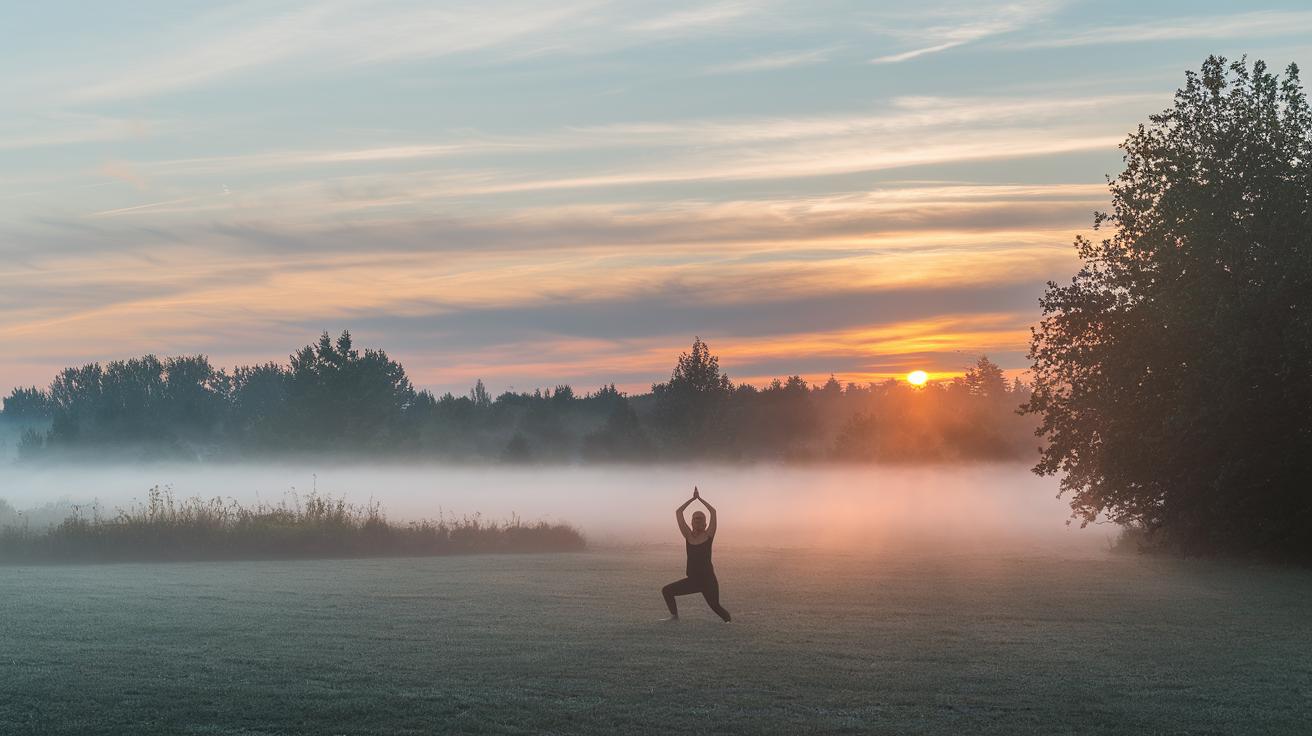
If you've tried mindful movement like walking meditation or yoga, why not mix in some guided imagery to sharpen your focus? Combining gentle movement with a clear mental picture can help clear your mind and spark creativity.
Instead of repeating a long list of steps for physical exercises, add a layer of guided imagery. While you're doing a simple stretch or taking a slow walk, take a moment to imagine a peaceful scene. For example, think to yourself, "I see a quiet valley in soft morning light, and every breath fills me with calm." Have you ever tried that?
Here are some easy steps to start a guided imagery session:
- Look for a quiet spot where you can either sit or move slowly.
- Close your eyes for a few seconds.
- Picture a calm scene, like a sunrise over a quiet field.
- Focus on the little details: listen to the gentle sounds of nature and feel the soft warmth of the light.
Mixing visual imagery with physical movement adds a fresh twist to your routine, giving your practice a new and enjoyable dimension.
Building Daily Meditation Habits with Mindfulness Meditation Exercises
Try adding mini meditation sessions into your day. Set aside 3 to 5 minutes while doing something familiar, like enjoying your morning coffee or taking a break at lunch. For example, as you sip your coffee, take three deep breaths. Feel your body relax a little more with each breath. Imagine beginning your day with a calm and quiet moment.
Another idea is to use quick pause techniques to help you refocus whenever you feel stressed. One simple exercise is the 5-4-3-2-1 sensory check. Look around and name five things you see, then listen for and name four sounds. Next, notice three textures around you, identify two scents, and finally, pinpoint one taste. This easy practice can clear your mind and help you feel more present.
You can also add a little gratitude reflection to your routine. Take a few minutes either in the morning or before bed to think about three things you appreciate. This small act can shift your focus toward happier thoughts and build a more resilient mindset.
Lastly, consider spending a moment journaling about your day. Write one or two sentences about a moment when you felt peaceful or learned something new about yourself. These brief, mindful writing sessions are simple ways to manage stress and boost your well-being every single day.
Final Words
In the action, our guide highlighted practical steps such as mindful breathing, body scans, and walking meditation to ease stress and boost focus. We broke down clear instructions on yoga-inspired focus routines and visual imagery sessions, making it easy to add these tips to everyday life.
Each section shared simple strategies for building daily habits that truly help reduce tension and sharpen the mind. Embracing mindfulness meditation exercises can brighten your day and set the tone for lasting wellness. Enjoy the benefits!
FAQ
What are examples of mindfulness exercises?
The examples of mindfulness exercises include mindful breathing, body scan meditation, mindful walking, and mindful eating. They offer practical ways to increase focus and ease stress.
What are some quick mindfulness exercises suitable for busy adults?
The quick mindfulness exercises, like a 2-minute deep breathing session or sensory counting technique, provide a fast reset. They help refocus attention and lower stress even on busy days.
What mindfulness exercises work well for reducing anxiety?
The mindfulness exercises effective for reducing anxiety include deep breathing, short body scans, and guided imagery. They calm the mind by gently bringing focus to the present moment.
What are examples of mindfulness activities for groups or students?
The mindfulness activities for groups and students involve simple breathing exercises and guided body scans. They boost awareness and concentration in classroom or group settings.
What are the 5 R’s of mindfulness?
The 5 R’s of mindfulness generally refer to Recognize, Reflect, Relax, Reframe, and Respond. They outline a process to notice, understand, and address your thoughts and feelings mindfully.
How do you practice mindfulness meditation?
The practice of mindfulness meditation involves sitting comfortably, focusing on your breath, and observing thoughts without judgment. Guided routines or self-directed sessions help build a calming habit.
What are the 3 C’s of mindfulness?
The 3 C’s of mindfulness emphasize Calm, Curiosity, and Care. They remind you to relax, engage with your thoughts with interest, and treat yourself gently during practice.