Do you ever feel overwhelmed by all the thoughts in your head? Mindfulness prompts can be helpful reminders to pause and take in the little moments around you. They invite you to stop for a moment and notice how you feel, even on the busiest days.
These simple questions can lift some of that heavy mental clutter and add a touch of calm to your day. In this post, you'll find easy prompts that spark joy and help you enjoy the present moment more fully.
Beginner-Friendly Mindfulness Prompts to Spark Awareness

Mindfulness prompts are little reminders that help you pause and take a closer look at your thoughts and feelings. They guide your attention to what's happening right now, so you can notice even the small things in your day. For instance, one prompt might ask, "When you worry, what do you tend to worry about most?" Such simple questions can help clear your mind and ease stress.
Using these prompts in a quiet, relaxed space, maybe for 15 or 30 minutes, can do wonders. Studies suggest that keeping a mindfulness journal can boost your physical health, help you perform better at school, and even ease feelings of sadness. With gentle and friendly prompts like these, you train your mind to stay present, which can build a stronger and happier outlook over time.
Here are some prompts you might try:
- What is one thing today that made you smile?
- When you worry, what do you tend to worry about most?
- List three positive moments you experienced this morning.
- Describe a time when you felt calm during a busy day.
- What small detail in nature caught your eye today?
For the best results, pick a quiet spot where you feel safe, whether that's a cozy nook at home or a peaceful park bench. Try to set aside the same time every day, like soon after you wake up or before you go to sleep, so you can let your thoughts flow freely without interruptions. Keeping an open and gentle mind during these moments helps you feel even more at ease.
If you're looking for more ideas on building a peaceful practice, check out this mindful growth resource: https://nobrainertrends.com?p=1092.
Journournaling and Reflective Writing Starters with Mindfulness Prompts

When you set aside a few minutes for journaling, you give yourself a chance to explore your inner thoughts. Reflective writing starters invite you to dig deeper than a simple gratitude list, helping you recognize feelings in more detail. Writing down what you notice can quiet your mind and build your self-awareness. Think of these prompts as a gentle reminder to pause and capture what truly matters right now.
Sometimes, mixing up your routine can make journaling even more fun. You might add a brief gratitude note or check in with your mood each day. You could try doodling or carefully coloring detailed images, starting from a center or a corner with a fine black pen. Many journaling sets include a mix of 44 prompts, offering both structure and room for creativity. For example, you might write, "I felt the morning light making the room glow," which can help bring a sense of positivity to your day.
Try to create a calm space for your journaling sessions. Spending 20 to 30 minutes in a quiet corner at home or a peaceful spot outdoors can help your thoughts flow freely.
mindfulness prompts: Spark Joy and Calm
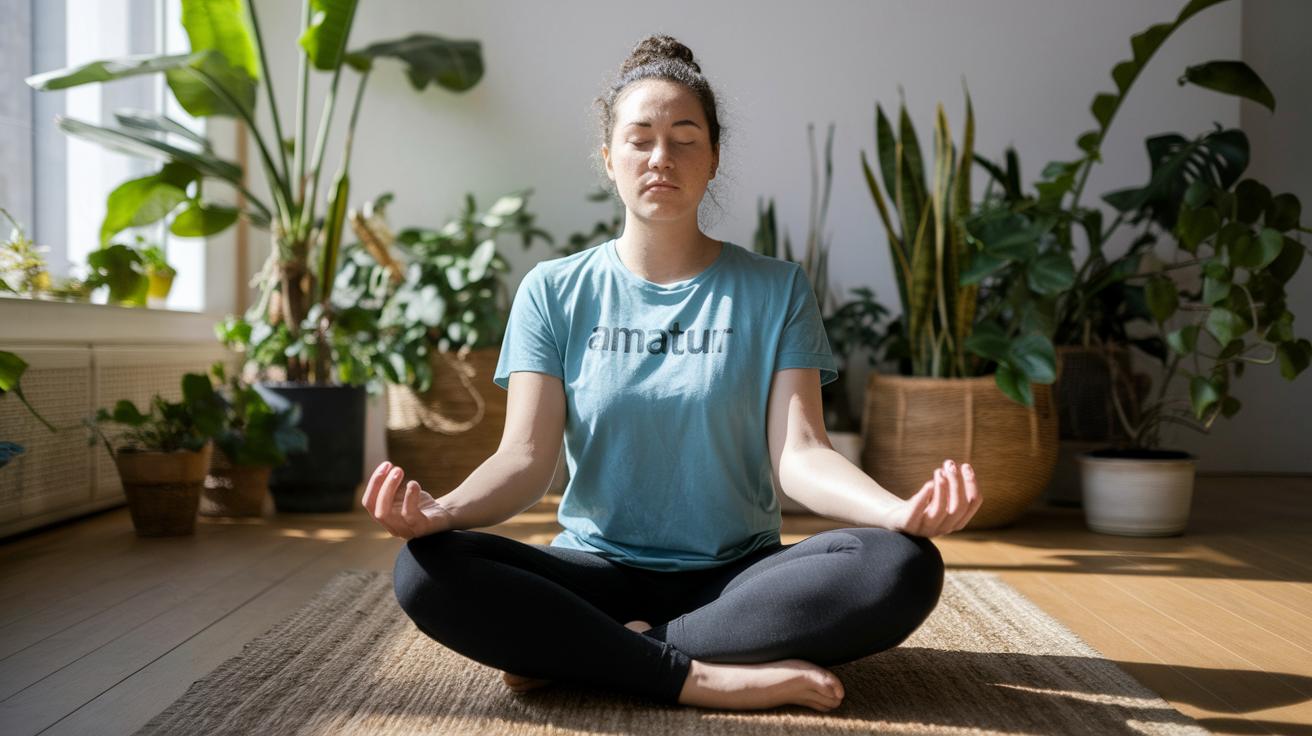
Meditation prompts help steer your focus and calm your mind. They work like gentle reminders to pause and listen to your body and thoughts. Think of them as short practices that set the stage for a peaceful moment, whether you're taking a quick break or settling in for a longer session. You can read more about why we meditate in this purpose of meditation.
Let's explore three simple types of prompts. First, try a breathing exercise. Spend about two minutes noticing your breath, feeling the cool air when you inhale and the warm air when you exhale. Next, a body scan can help you slowly check in with yourself from head to toe. This can show you areas of tension that may relax as you focus on them. Lastly, a visualization cue invites you to picture a calm place, such as a sunny meadow or a quiet lakeside. You might say to yourself, "Focus on your breath while you let go of any tightness," to help create a soothing mood.
The right prompt depends on how much time you have and what feels best. If you only have five minutes, try a quick breathing exercise. With 20 to 30 minutes, you could combine a body scan with some visualization. Have fun trying different approaches until you find the mix that brings you both joy and calm.
Embedding Daily Mindful Cues and Present Moment Exercises

Daily mindful cues are small, yet powerful ways to bring yourself back to the now. They work like a friendly reminder to pause amid your busy day so you can focus on the present moment. Think of it as a gentle tap on your shoulder, inviting you to notice the simple joys around you, like the warmth of the sun or the soft echo of friendly laughter.
There are easy exercises to help you enjoy this practice. You might try noticing three different sensations – maybe the feel of a cool breeze or the sound of chirping birds. Or take a moment before each meal to really savor every bite. Some folks even use a phone app to keep track of these moments, which can be a fun way to see how often you tune into your inner self.
Carving out just a few minutes each day, whether in the morning or at night, can make a big difference. Experiment a bit and adjust your routine until it feels just right for you. It’s all about making those mindful moments a natural part of your day.
Creative Self-Exploration with Mindfulness Prompts

Creative self-exploration prompts invite you to express feelings creatively instead of sticking to the usual breathing exercises or body scans. They let you capture your inner world through sketches, journal notes, or even playful doodles. Imagine writing about a day when a soft breeze changed the sky's color, sparking a smile from a happy memory.
Using art as a way to explore your thoughts gives them a new voice. Try adding a quick doodle or a splash of color as part of your process. Picture a tiny shape in the corner of your page that slowly grows into a lively design. Each month, a fresh prompt, like New Beginnings in January or Imagination & Hope in April, guides you to move from everyday thoughts to meaningful, creative insights.
Special holiday themes can add extra fun and personal touch to your creative practice. A Valentine's Day prompt might invite you to draw a warm, cherished memory, while a Thanksgiving challenge could encourage you to sketch your feelings of gratitude. Occasionally, a bonus prompt might even ask you to reflect on what your favorite pet taught you, helping you see everyday moments in a creative new light.
Integrating and Tracking Your Mindfulness Prompts Routine

Setting up a regular time for your mindfulness prompts gives your day a little boost. You could use your phone's alarm or jot it down in a paper planner to remind you, whether it's in the morning, at lunch, or later in the day. Maybe you decide, "Every morning right after breakfast, I'll spend 15 minutes writing down my thoughts." This steady routine encourages your mind to pause and tune in, making it a natural part of your day.
Keeping track of your progress helps you see how your feelings change. Using a journaling app or a favorite notebook to note down your thoughts each day lets you look back and notice patterns. Checking in on your feelings every month, for example, might reveal uplifting trends that ease stress over time. It's a simple way to understand which strategies work best for you.
Feel free to adjust your prompts as you learn and grow. If one question or idea doesn't spark much thought, try mixing it up with a fresh one. Changing your approach keeps your routine lively and supports your journey to a calmer, clearer mind.
Final Words
In the action of exploring practical techniques, we covered beginner-friendly mindfulness prompts, easy reflective writing starters, focused meditation ideas, daily mindful cues, creative self-exploration activities, and strategies to integrate and track your routine.
Each section provided simple steps and tips to feel more present and in control. With mindfulness prompts to spark awareness, you can build small habits that brighten your day and help keep stress at bay.
May you enjoy these easy practices and feel empowered to live a fuller, more balanced life.
FAQ
What are mindfulness prompts for students, kids, and middle schoolers?
Mindfulness prompts for students, kids, and middle schoolers are simple questions or statements that help them notice their feelings and thoughts, making it easier to remain calm and focused throughout the day.
What are mindfulness journal prompts PDFs?
Mindfulness journal prompts PDFs are digital handouts featuring structured questions that guide you in reflective writing. They offer an easy, ready-to-use way to practice mindfulness at your own pace.
What are mindfulness journal prompts for adults and daily mindfulness journaling?
Mindfulness journal prompts for adults involve daily reflective questions to help you look at your thoughts and feelings closely. They promote calmness and reduce stress with regular practice.
What are some good mindfulness questions?
Good mindfulness questions encourage you to pause and think about your emotions, actions, or surroundings. They help bring awareness to everyday moments and support a steadier mindset.
What are the 5 R’s of mindfulness?
The 5 R’s of mindfulness mean recognizing, reflecting, responding, realizing, and reframing your feelings. They guide you to calmly evaluate and gently adjust your emotional responses.
What are mindfulness prompts?
Mindfulness prompts are short cues that invite a pause to check in with your feelings, thoughts, and surroundings. They help remind you to stay present and build inner calm.
What are the 3 C’s of mindfulness?
The 3 C’s of mindfulness stand for curiosity, calm, and clarity. They encourage an open view of your thoughts, promoting relaxation and a clear, focused state.