Do you ever feel weighed down by daily life so much that you struggle to catch your breath? It may seem unexpected, but small changes can help you feel lighter almost instantly.
Try taking slow, deep breaths or imagine a quiet, peaceful spot where you feel safe and calm. These simple acts can melt away stress bit by bit.
In this article, we'll share easy and practical tips to help reset your body and clear your mind. You'll discover how little habits can boost your everyday well-being, making you feel better every day.
Essential Stress Management Techniques to Alleviate Everyday Tension
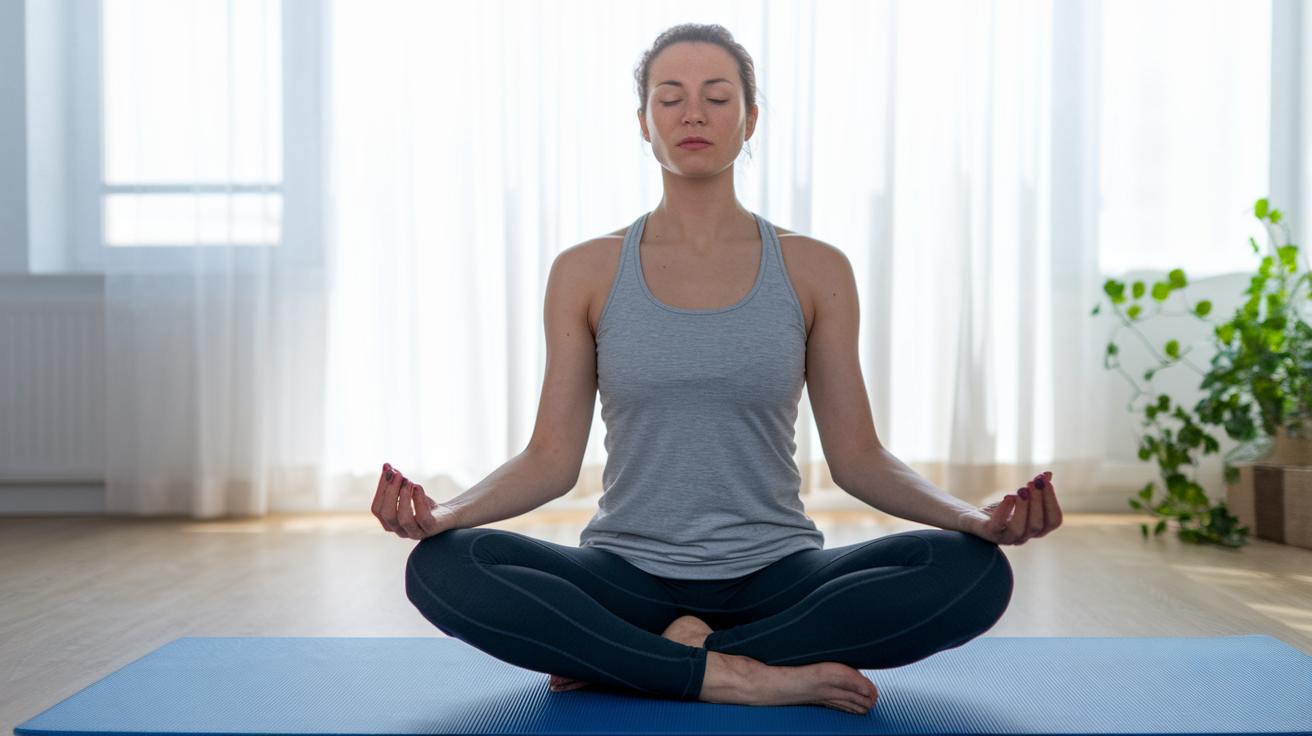
Sometimes, daily pressures leave us feeling on edge and tense. When stress builds up, our mind and body can feel out of sync. But there are simple ways to help you feel calmer fast.
One tip is deep breathing. Try this: breathe in slowly through your nose for five seconds, hold for two seconds, and then exhale gently through your mouth for five seconds. Imagine you're filling a balloon as your chest expands.
Another easy method is a brief guided meditation. Find a quiet place, close your eyes, and picture a peaceful beach where the sound of gentle waves washes your stress away. Even five minutes of guided meditation can make a difference.
Progressive muscle relaxation can also help. Start at your feet and work your way up, tensing each muscle group for a few seconds before letting it go. This simple practice helps release built-up tension.
Taking quick breaks to stretch or move is a great idea, too. Stand up and stretch your arms, or take a brisk walk for a few minutes. These little moves can clear your mind and boost your energy.
Talking things over with a friend or family member can lighten your mood. Sharing how you feel may help you feel supported and less alone in facing stress.
If your to-do list feels overwhelming, try breaking tasks into smaller steps. Write down your list and focus on one task at a time, which can help keep stress at bay.
Lastly, make sure to eat regular, balanced meals. Foods like vegetables, fruits, whole grains, and lean proteins provide steady energy and can help keep your mood balanced.
These simple techniques offer quick relief and help build resilience for whatever the day brings.
Lifestyle-Based Stress Management Tips for Daily Balance

Breaking big tasks into smaller, manageable steps can make challenges feel much less overwhelming. Try writing down each little step and focusing on one at a time. For instance, if you're cleaning up a cluttered desk, jot down each item you want to sort instead of trying to handle everything all at once.
Remember to take short breaks during your day. Set a timer to remind you to pause for 5 to 10 minutes while you're deep in work. You might stand up, stretch, or just take a moment to breathe. Think of it as a quick pit stop that helps clear your head and relax your body.
Make sure you carve out a bit of time for activities you enjoy. Spending just 15 to 20 minutes on a hobby like drawing, reading, or playing an instrument can lift your mood. It might surprise you how these small breaks can boost creativity and instantly help counter stress.
Also, consider cutting back on social media and screen time. Reducing time online can ease the pressure of digital overload and let you savor real moments of calm.
Finally, don't underestimate the power of a good laugh. Watching a funny video or sharing a lighthearted moment with a friend can really reduce stress and brighten your day.
Here's a quick reminder:
- Break tasks into manageable steps.
- Take 5–10 minute breaks.
- Set aside 15–20 minutes for your hobbies.
- Cut back on screen time.
- Let humor brighten your day.
Advanced Mindfulness and Breathing Techniques for Deeper Calm
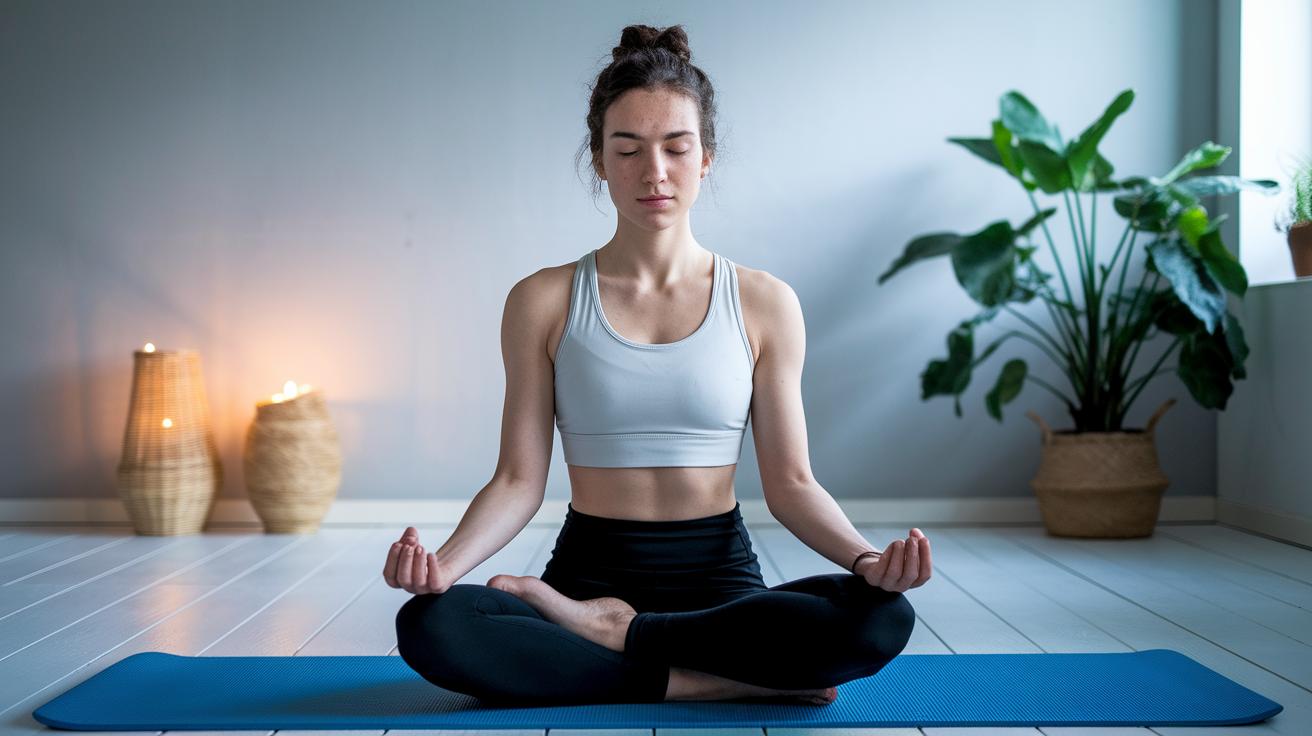
When stress builds up, simple breathing techniques can help you feel more at ease and connected to your body. Start with box breathing: breathe in slowly for four seconds, hold for four seconds, breathe out for four seconds, and hold again for four seconds. Imagine you're gently filling your lungs, pausing, and then letting the air go smoothly.
Next, try the 4-7-8 breathing method. Inhale for four seconds, hold your breath for seven, and exhale fully over eight seconds. Picture a soft wave of calm spreading through you with each breath.
Another easy practice is alternate-nostril breathing. Close one nostril, breathe in through the open side, then switch, letting the calm balance your energy with every turn.
For extra relief, consider progressive muscle relaxation. This starts with a body-scan meditation: slowly tense and then relax each muscle, starting at your toes and moving up to your head. You might also enjoy taking a mindful walk, where you pay close attention to each step, or repeating a simple phrase like "I am calm" to center your thoughts.
These techniques are great ways to bring peace into busy days and help you manage stress. Have you tried any of these methods already?
Physical Activity-Based Stress Management Tips to Boost Well-Being

Mix a few targeted yoga stretches with a burst of dance to brighten your day and soothe sore muscles. Have you ever danced to your favorite song? That sudden move can lift your spirits and help ease built-up tension in ways a quick walk might not. I remember sneaking in a little dance during a busy workday and feeling instantly refreshed and more focused afterward.
Simple yoga moves, like a slow forward bend for easing back tension or a gentle twist for softening shoulder tightness, work well when paired with some spirited dancing. This mix brings energy to your body and gently calms your mind by targeting different areas at once.
- Dance for a minute or two to catch a quick mood lift.
- Try a slow forward bend to help release back tension.
- Do a gentle twist to ease shoulder tightness.
- Combine a short burst of dancing with a mindful stretch during a hectic day.
Trying different approaches like this lets you enjoy both the freedom of dancing and the focused relief of yoga, making your routine feel fun and effective.
Sleep and Nutrition Stress Management Tips for Restorative Calm

When you don't get enough sleep, your mind feels cloudy and you might feel all over the place. This happens because your body releases more of the stress hormone called cortisol. Creating a soothing bedtime routine can help you relax and get ready for sleep. Try dimming your lights about an hour before bed. Stick to the same sleep schedule every day, even on weekends, to give your body a clear signal that it's time to wind down.
A regular sleep routine works best when you keep track of your progress. You might use a sleep tracker app to see how little changes in your routine improve your rest. Imagine checking your progress each morning and feeling proud of your sleep improvements!
Your meals are important too. A balanced diet with plenty of vegetables, fruits, whole grains, and lean proteins gives your body the fuel it needs to keep your mood steady and your energy high. Vitamins like A, B-complex, C, and E help support a clear mind and balanced feelings. Picture enjoying a vibrant salad or a hearty bowl of whole grains as a way to care for your body every day.
And if you’re looking for a little extra calm, a warm cup of chamomile tea before bed can do wonders. It gently eases your mind, making it easier to find peace and drift off to sleep.
Enjoy these tips as a simple guide to help keep stress at bay and bring more calm into your nights.
Recognizing Triggers and Seeking Support as Stress Management Tips

Noticing what makes you feel stressed is a simple way to take control. You might see that tight deadlines, hard conversations, or certain tasks spark anxious feelings. For instance, if a big meeting makes you jittery, write it down. This helps you plan ahead and feel more in charge.
Keep a little diary of when and where you feel stressed. Note details like the time, what you were doing, and who you were with. This way, clear patterns emerge in situations that overwhelm you. Once you spot these triggers, you can tweak your routine to lighten their impact.
Sharing how you feel with someone you trust can also ease the burden. Chat with a friend or family member, or think about professional help if it feels too heavy to handle alone. Opening up can make the load feel a bit lighter and build a support network that helps you manage stress day by day.
Final Words
In the action, we explored practical stress relief strategies. We touched on deep breathing, mindful routines, and physical activities that help lower tension. We looked into balanced nutrition and good sleep habits while mapping personal triggers and building support networks. Each section offered real, everyday stress management tips to help create a calmer space in your daily life.
Keep experimenting with these ideas and remember that small, consistent changes can lead to lasting benefits. Enjoy each step toward a lighter state of calm.
FAQ
How can you relieve stress quickly and at home?
Relieving stress quickly at home means using easy techniques like deep breathing, short guided meditations, a quick stretch, or a moment of mindfulness to ease tension and refresh your mind.
What are some effective stress management techniques?
Effective stress management techniques include deep breathing exercises, progressive muscle relaxation, light stretching, short meditation sessions, and breaking tasks into smaller steps to reduce overwhelm.
How can you cope with stress if you face depression?
Coping with stress and depression involves using calming practices like mindful breathing and brief physical breaks, talking with a trusted friend, and setting manageable goals to help ease negative feelings.
How do stress management frameworks like the 5 A’s, 5 R’s, or 5 C’s help?
These frameworks guide you by breaking stress relief into clear steps. They help you assess your feelings, adjust your responses, and choose practical techniques to ease tension and promote calm.
What is a good way for women to relieve stress?
Women can relieve stress by trying practices like deep breathing, short meditation breaks, light exercise, and engaging in supportive conversations or hobbies that help calm the mind and body.