Have you ever wondered if your glute workouts are really making a difference? Many athletes focus on strong glutes because these muscles keep your hips steady and add extra power to every move, whether you're sprinting, squatting, or just taking a walk.
Strong glutes can also help ease those aches from sitting too long, and they might even reduce lower-back tension by offering natural support. In this post, we'll chat about how targeted strength exercises for your glutes can boost your daily balance and overall performance, both on the field and in everyday life.
Essential Techniques for Strength Training for Glutes
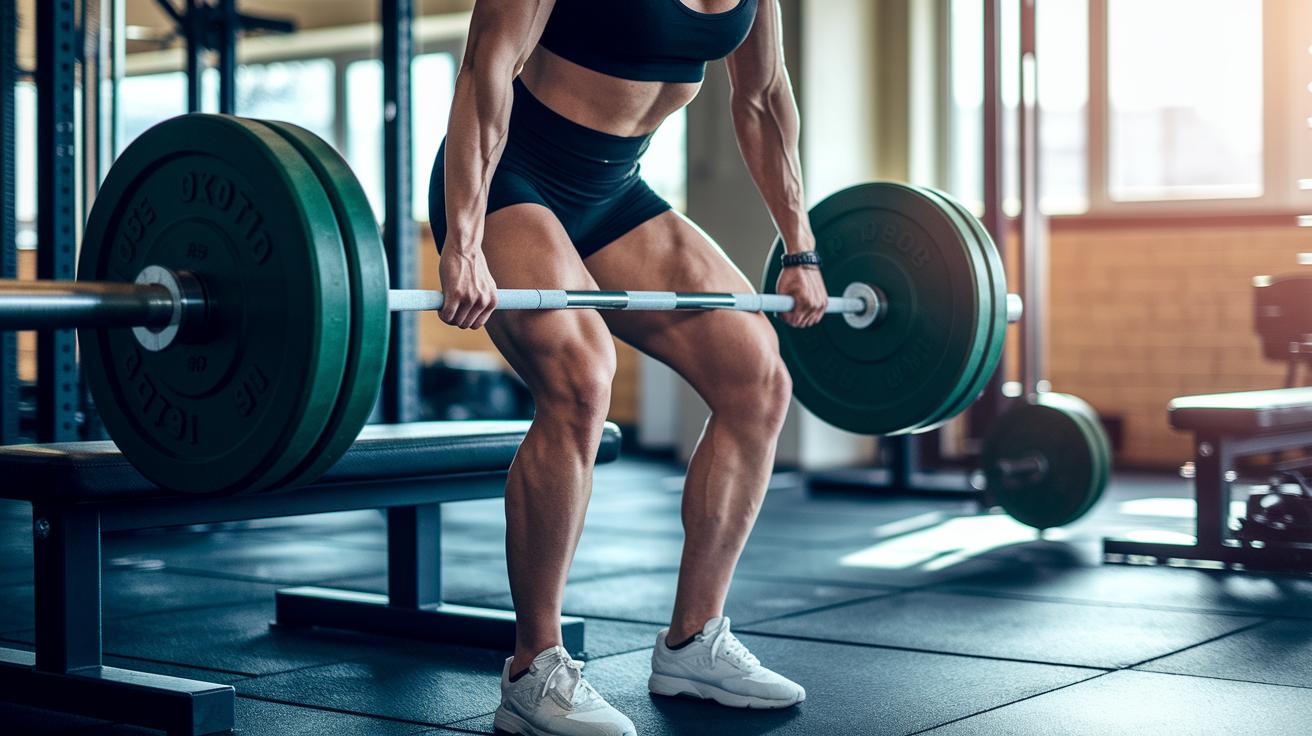
Your glutes are made up of three main muscles: the gluteus maximus, medius, and minimus. The gluteus maximus is the biggest and helps you push your hips back and turn your legs outward, giving your lower body shape and strength. The gluteus medius and minimus help move your leg to the side and keep your pelvis steady so everyday moves feel smooth and balanced. Think of these muscles as the center that supports everything you do, whether you're walking, squatting, or running.
Building strong glutes can help ease knee pain, lower-back problems, and even reduce strains in your hamstrings. They also boost your athletic performance by improving your balance and mobility. If you spend a lot of time sitting, focusing on your glute strength might just be the key to reducing discomfort and getting better at both sports and daily activities. A common way to build muscle is by doing 8 to 12 repetitions with weights at about 60 to 80 percent of the heaviest weight you can lift once.
| Exercise Type | Rep Range | Load (%1RM) |
|---|---|---|
| Compound Lifts | 8–12 | 60–80% |
| Isolation Movements | 8–12 | 60–80% |
| Bodyweight Drills | 12–15 | N/A |
Warming up is a must before you dive into your workout. Start with some quick dynamic stretches or a few minutes of light cardio to get your blood flowing. Then, try glute activation drills like bodyweight squats or mini band walks to really wake up those muscles. Whether you dedicate two sessions each week or mix these exercises into your full-body routine, you'll steadily build strength and balance to keep your whole body performing at its best.
Glute Bridge Variations and Hip Thrust Progression for Stronger Glutes
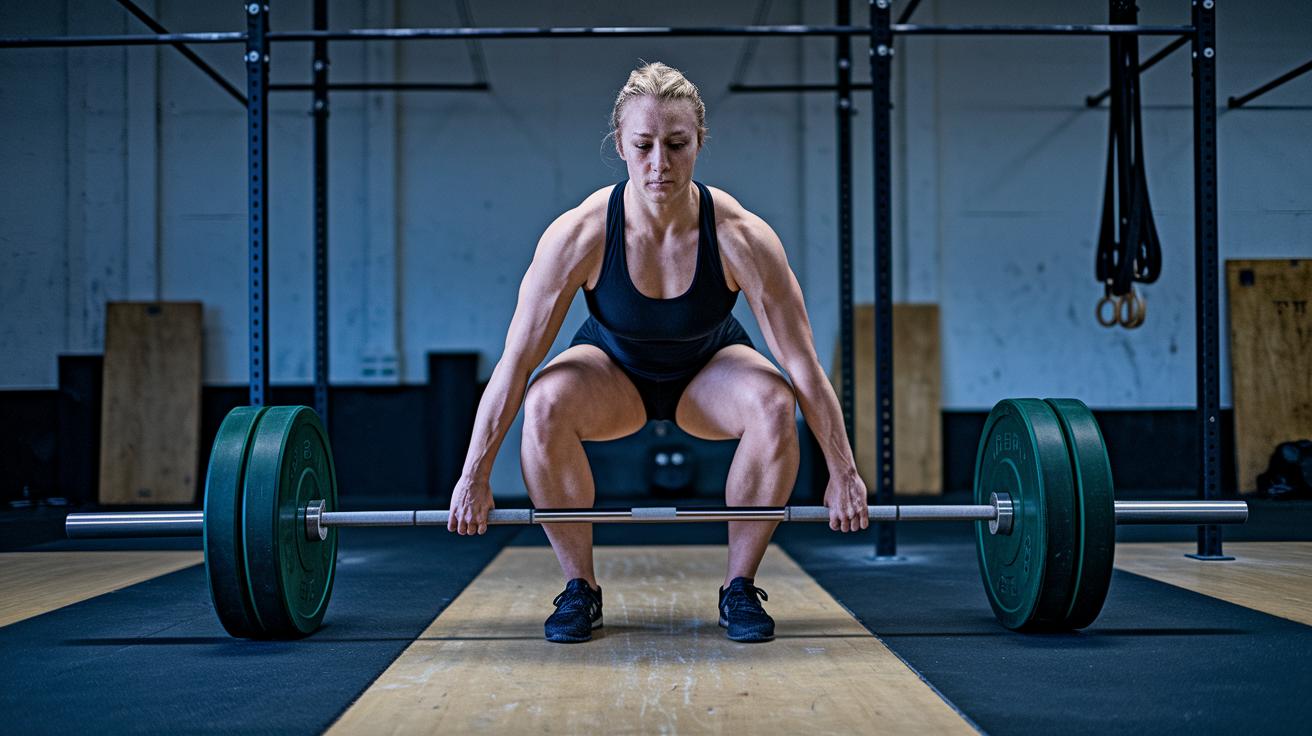
Glute bridges are a great way to build a strong foundation. They work your big glute muscles by lifting your hips in a natural motion. Not only do they boost your strength, but they also help improve your balance and counteract the effects of too much sitting. Once you feel confident with a simple bridge, you'll be ready to try more challenging moves like hip thrusts.
- Bodyweight glute bridge – 3 sets of 10–12 reps
- Barbell hip thrust – 3 sets of 10–12 reps
- Dumbbell hip thrust – 3 sets of 10–12 reps
- Single-leg bridge – 3 sets of 10–12 reps
- Banded bridge – 3 sets of 10–12 reps
Over a four-week plan, start off with the basic bodyweight bridge before moving on to weighted variations. As you add dumbbells or a barbell, take it slow so that each move remains steady and controlled. When the regular hip thrust feels comfortable, try the single-leg version to even out any strength differences. And if you add a resistance band, you'll give your muscles an extra push. Keeping with 3 sets of 10–12 reps helps you steadily build a balanced and powerful backside.
Barbell and Dumbbell Lifts for Effective Glute Strength Training
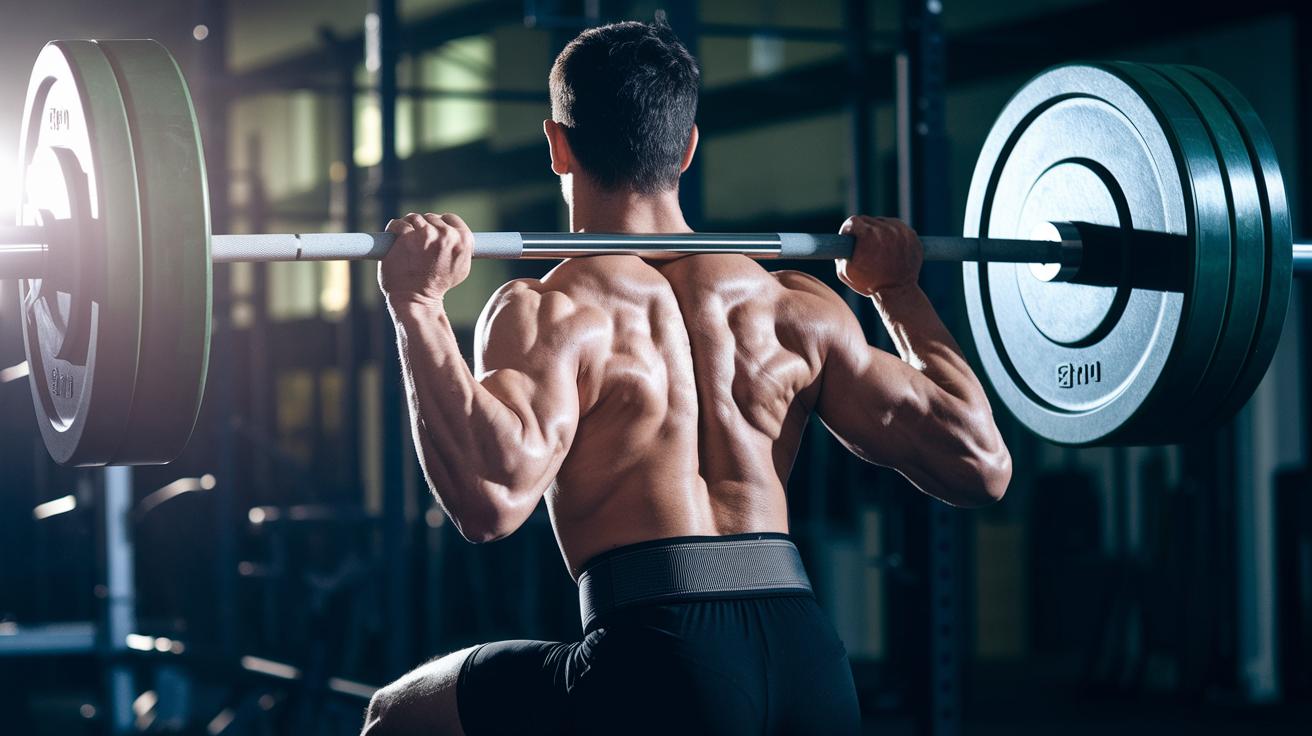
Weighted lifts that focus on your back muscles can really boost your strength and performance. Exercises like barbell hip thrusts and Bulgarian split squats work hard on your glutes and the rest of your back muscles. Remember to keep your form solid, neutral spine, hips back, and knees tracking over your toes. Aim for 3 sets of 8 to 12 reps to build both power and size.
| Exercise | Primary Glute Focus | Sets × Reps |
|---|---|---|
| Barbell Hip Thrusts | Gluteus Maximus Activation | 3 × 8–12 |
| Back Squats | Overall Glute Strength | 3 × 8–12 |
| Front Squats | Stability and Engagement | 3 × 8–12 |
| Bulgarian Split Squats | Unilateral Glute Work | 3 × 8–12 |
| Conventional Deadlifts | Posterior Chain Development | 3 × 8–12 |
| Romanian Deadlifts | Hamstring and Glute Targeting | 3 × 8–12 |
When you do these lifts, take your time and add weight slowly. This gradual increase helps your muscles adapt safely and build strength over time. Have you ever noticed how a small adjustment in your form can make a big difference? It’s important to track your progress by checking how controlled your movements are rather than just lifting heavier weights. Adjust your load as you become stronger to keep each repetition smooth and effective. This careful pace is the key to long-lasting results and solid glute training.
At-Home and No-Equipment Posterior Training for Glutes
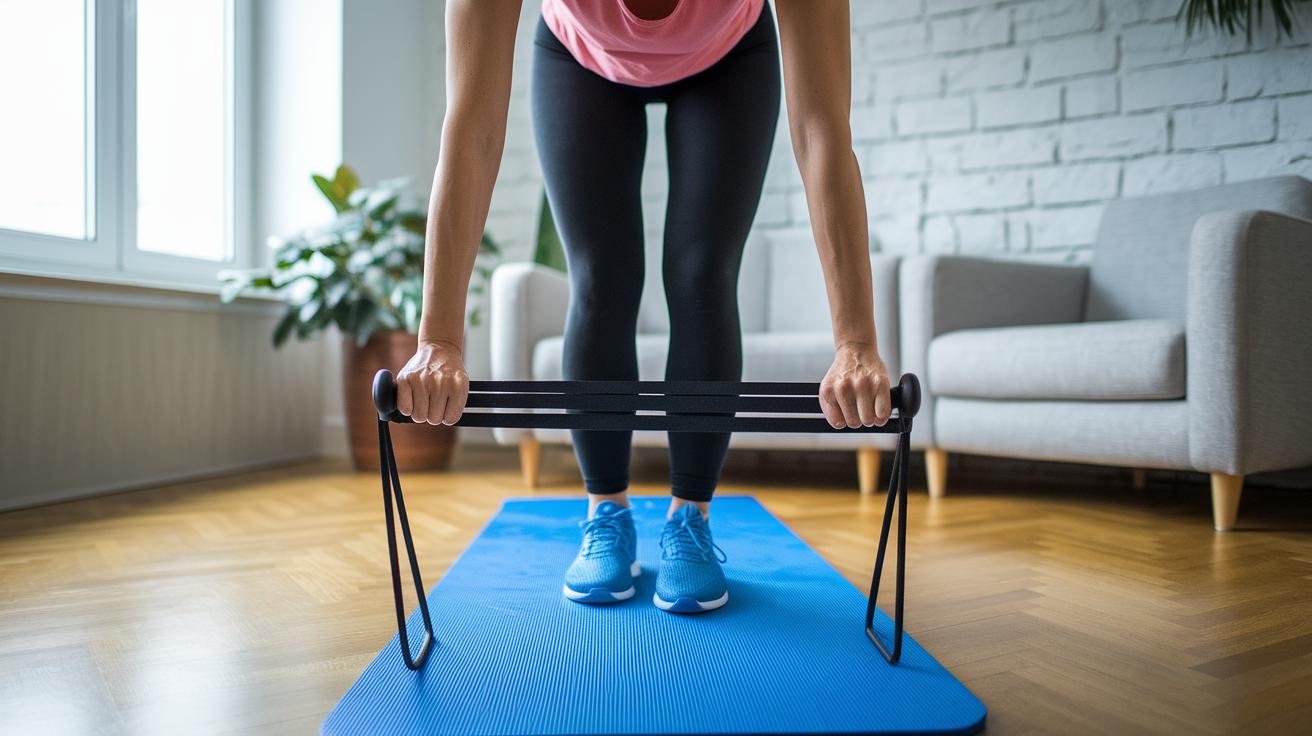
Working out at home is a simple way to strengthen your glutes without needing a gym. You use your body weight and a little extra gear to work on the muscles that support your back and knees, especially if you spend a lot of time sitting. A circuit of three rounds with 12 to 15 reps each really helps keep your muscles awake and steadily builds your endurance.
Here’s a friendly list of exercises to try:
- Clamshells – 3 rounds of 12 to 15 reps
- Lateral band walks – 3 rounds of 12 to 15 reps
- Single-leg glute bridges – 3 rounds of 12 to 15 reps
- Donkey kicks – 3 rounds of 12 to 15 reps
- Fire hydrants – 3 rounds of 12 to 15 reps
If you want to challenge yourself more, add a resistance band. It creates extra tension so your muscles work even harder. Start without any weight to nail down your form first. Then, as you get more confident, use the band to boost your resistance or even add a few more rounds. This slow and steady progress makes your workout more effective and helps you get stronger in a safe, controlled way.
Advanced Progression and Hypertrophy Strategies in Glute Strength Training
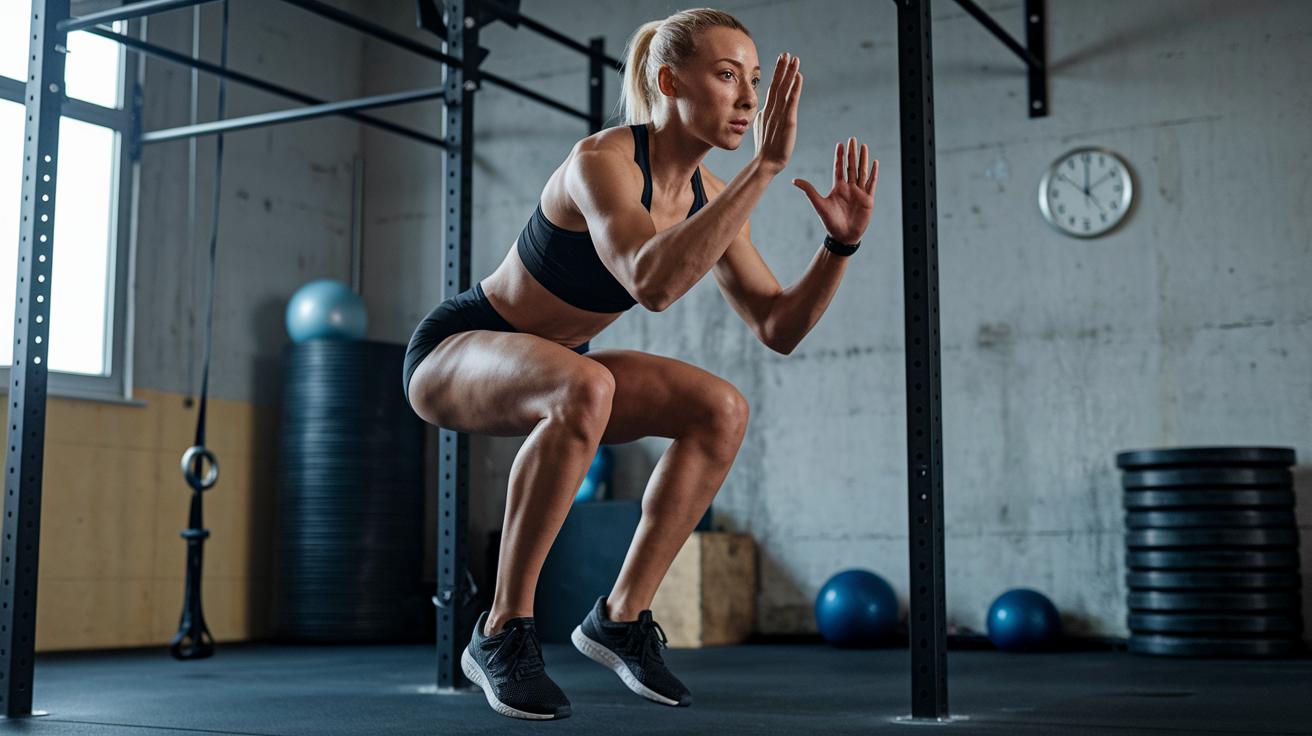
Taking your glute workouts up a notch means trying out different techniques that really push your muscles. Instead of just increasing weight, you mix in changes that make each move count. This way, your workouts become both challenging and more effective.
Adding bursts of powerful moves and slowing down certain parts of your exercise can help your muscles feel more activated and lead to faster gains. Have you ever felt the burn in different parts of your glutes when you change your pace? By working your muscles in new ways, you keep your body guessing and break through any plateaus.
- Drop sets: When you nearly reach your limit, reduce the weight right away and continue. This makes your muscles work hard and get extra tired.
- Supersets: Link two exercises with little break between them. This keeps the intensity high and works several muscles at once.
- Tempo reps: Slow your lifting and lowering together. It gives your muscles more time under tension so you feel stronger control.
- Plyometric drills: Include explosive moves like jump squats. These help build power and tap into the fast muscle fibers.
Try fitting these tips into a workout plan for 6 to 8 weeks. Start by adding one or two techniques into your routine, and then gradually turn up the frequency and effort. This steady plan not only builds muscle size but also boosts your glute strength and power for top performance.
Common Technique Mistakes and Activation Drills for Glute Strength
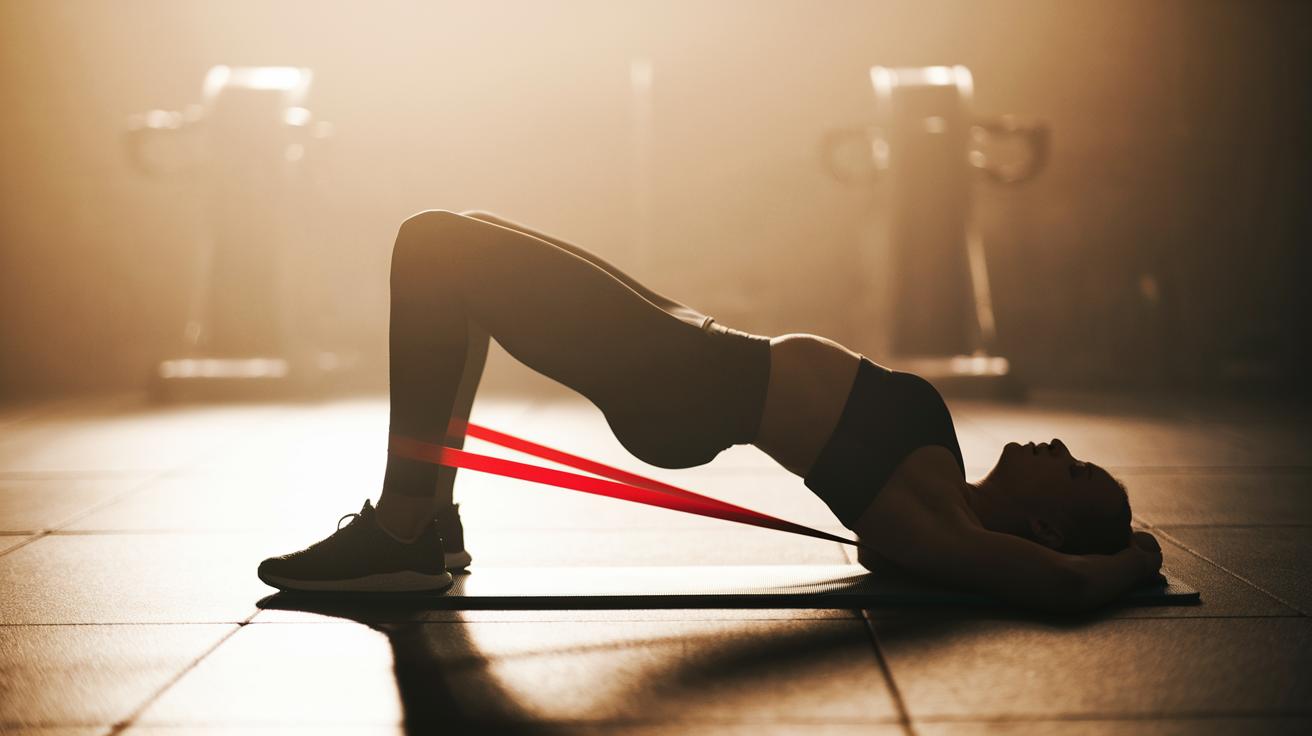
Getting your glutes ready before you start moving can really make a difference. It helps to wake up those muscles so they work the way they're supposed to, which means you won't strain other muscles or hurt your back. When your glutes are on point, your movements feel steadier and you get more out of every lift. Plus, pairing these techniques with some core work helps you build strong, lasting glutes.
- Overextending the lower back: Try doing glute marches so you learn to move with care.
- Knees caving in: Use mini-band side steps to help build side strength.
- Relying too much on your hamstrings: Do banded pull-aparts to focus the work on your glutes.
- Letting your glutes not fully engage (sometimes called dead butt syndrome): Add single-leg glute bridges to really connect with the muscle.
- Not enough core support: Hold a plank while squeezing your glutes to bring your core and glutes together.
Even a few minutes of these drills during your warm-up can set a solid foundation. It’s a small step that helps your body move better and keeps your form safe throughout your workout.
Final Words
In the action, this post explored key parts of glute muscle anatomy and showed how workouts like bridges and hip thrusts build strength. It broke down resistance workouts, weightlifting routines, and at-home drills with clear rep ranges and load guidelines.
We also noted proper warm-up routines and common form errors while giving activation drills. Embrace these tips and integrate strength training for glutes into your routine. Every mindful rep helps you build strength and feel great.
FAQ
Frequently Asked Questions
Q: What effective strength training exercises can help build glutes for females at home or in the gym?
A: The effective strength training exercises for glutes include squats, hip thrusts, and lunges that can be done with or without equipment. These moves work the key glute muscles to boost strength and shape.
Q: How can I grow my glutes as a female?
A: The process to grow glutes as a female involves regular resistance workouts, proper nutrition, and recovery. Consistent compound lifts and progressive overload lead to larger, firmer glute muscles.
Q: What gym machines are effective for glute exercises?
A: The gym machines for glute exercises, such as leg presses and cable kickbacks, help isolate and target your glute muscles for more focused strength training and muscle activation.
Q: Where can I find a structured glute building workout plan in PDF?
A: The glute building workout plan PDF is available on trusted fitness websites. It offers a detailed guide with exercise variations, rep ranges, and progress tips for effective glute strength training.
Q: What exercise hits the glutes the most?
A: The exercise that hits the glutes the most is the hip thrust because it directly targets the gluteus maximus for high muscle activation and improved strength.
Q: Does strength training grow your glutes?
A: The strategy of strength training grows your glutes by creating muscle fibers through resistance-based exercises. Consistent training with increased loads drives muscle hypertrophy and overall glute strength.
Q: What are the symptoms of weak glutes?
A: The symptoms of weak glutes include lower back tightness, knee discomfort during movement, and difficulty in performing lifts. These signs may indicate reduced muscle activation and stability.
Q: How can I strengthen my glutes fast?
A: The approach to strengthening glutes fast includes performing compound movements like squats and hip thrusts, warm-up routines to activate muscles, and gradually increasing resistance for rapid improvements.