Do you ever feel like your thoughts are stealing your peace? When your mind is full of busy ideas, mindfulness lets you take a natural pause. It works like a reset button that quiets the noise and helps you focus on what matters right now.
In this blog, we'll share easy techniques to turn a jumble of thoughts into calm and clarity. Imagine taking a slow, mindful breath that helps you break free from overthinking. With a bit of gentle awareness, you can settle into that inner peace we all need.
Core Mindfulness Strategies to Alleviate Overthinking
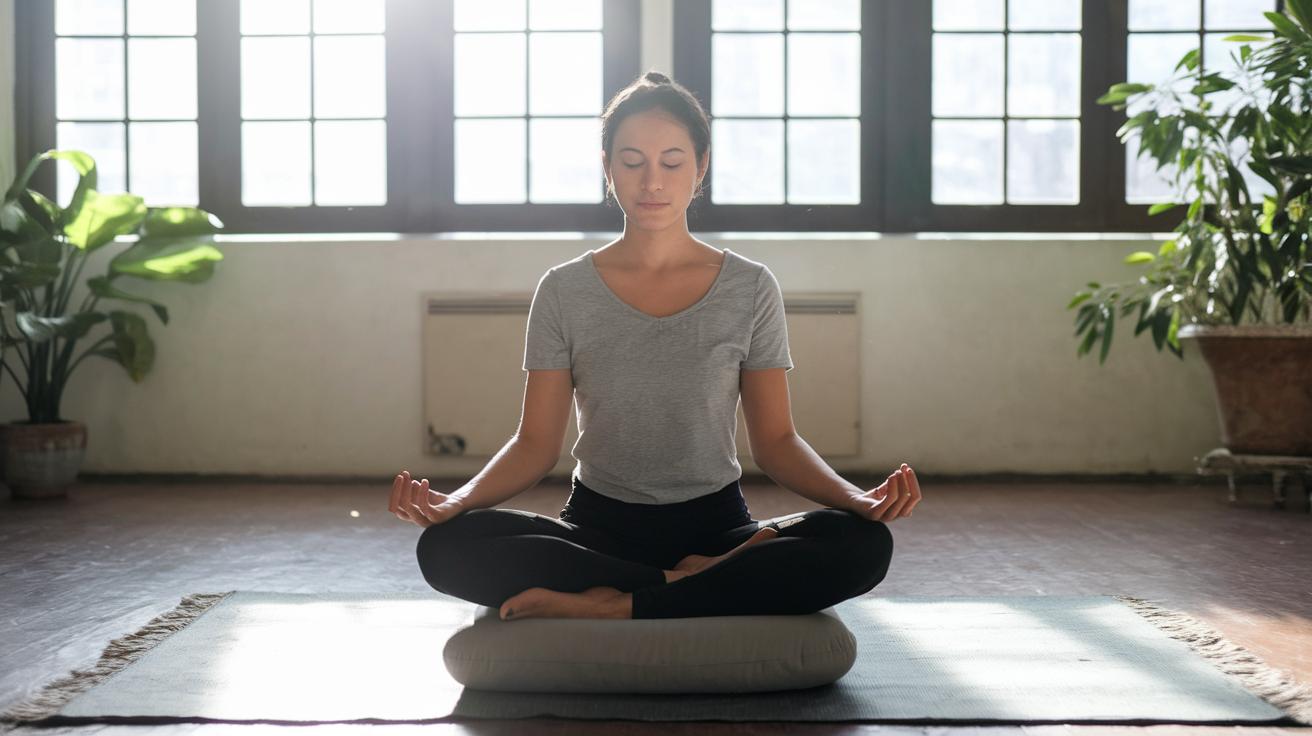
Mindfulness is like a gentle pause button for our busy minds. It helps us catch those looping thoughts and brings our focus back to what’s really happening right now. By paying attention to our thoughts, feelings, and even little signals from our bodies, we create a little room to breathe and decide what’s worth our focus.
When you notice a thought spiraling into overthinking, try asking yourself, "Do I really need this thought right now?" This simple check can calm your mind and stop you from getting lost in endless what-ifs.
It also means noticing when a feeling of stress pops up. Instead of pushing it away, you just let it be for a moment. Recognizing a little discomfort can stop it from turning into bigger anxiety later on.
Also, listening to your body is really important. Sometimes a tight chest or jittery legs are your body’s way of reminding you to slow down and be present.
- Focused breathing with counted inhales and exhales
- Grounding using the 5-4-3-2-1 senses exercise
- A mindful body scan
- Labeling your thoughts, like saying “thinking” or “worrying”
- Focusing on one task at a time
When you weave these simple techniques into your day, you build a handy toolkit to ease stress. Even a few minutes of mindfulness during a break can help reduce overthinking and make you feel more at peace.
Mindfulness overthinking: Embrace Inner Peace

When your mind is buzzing with thoughts, meditation can help you settle into the moment. It quiets the constant chatter and gently steers you toward a calm, clear space where distracting thoughts simply fade away.
Focused Breathing
Try a simple breathing exercise to center your focus. First, take a deep breath in to fill your lungs. Next, hold that breath for a brief count. Then, slowly let it out to ease away the tension. Finally, pause before starting the cycle again. This easy routine keeps you grounded and helps slow down those racing thoughts.
Body-Scan Awareness
Take a moment to gently scan your body from head to toe. Start at the top of your head and slowly move downwards. Notice any tight spots in your shoulders, neck, or legs. Recognizing these areas of tension can help you release stress and bring a sense of ease to your body.
Visualization Anchors
Imagine a peaceful scene, a quiet shoreline or a calm forest. Let that image fill your mind and lead you away from negative thought loops. It’s like giving your brain a little vacation from all the overwhelming noise.
Even short, daily sessions of meditation can make a big difference. By setting aside just a few minutes each day, you train your mind to settle down, making it easier to manage those intrusive thoughts over time.
Self-Compassion Practices to Reduce Overthinking Rumination

Being kind to yourself can really help quiet that stream of harsh thoughts that makes you overthink. When you speak gently to the part of you that’s critical, you open up space to accept your mistakes and see them in a kinder light. For example, instead of beating yourself up over an error, you might say, "I did my best today." This simple change lifts the weight of self-criticism and stops worry from taking hold.
Journaling your thoughts can also shift the way you view your worries. Writing down what you feel and then asking if these thoughts are helpful can let you notice old patterns in a new light. A question like "What lesson can I learn from this?" helps you see concerns as opportunities for growth rather than accumulating stress.
Making time each day for a self-compassion practice can serve as a gentle anchor against spiraling thoughts. Spend a few quiet minutes in mindfulness or a self-compassion meditation where you simply acknowledge your feelings without judgment. Over time, this small act of care softens overthinking and invites a kinder, more supportive inner voice.
Grounding and Mindful Movement to Ease Overthinking

Sometimes our minds start racing when we find ourselves lost in overthinking, leaving our body feeling out of touch. When we aren’t aware of how our body feels, our thoughts can spiral even more. But when we move mindfully, our brain receives a gentle reminder that it's time to be here now.
Think of sensory movement as tuning into every step, stretch, or breath. This focus helps calm the busy chatter in your head while connecting your inner feelings to slow, careful motion. It’s like giving your brain a friendly pause for clarity.
- Go for a slow walk and notice each footfall.
- Sit down and gently stretch, paying attention to your muscles.
- Try simple standing yoga poses like mountain or tree while matching your breath.
- Rotate your wrists and ankles and observe how they feel.
- Take five minutes to pause with your hand over your heart and feel your heartbeat.
Adding these mindful movements into your daily routine can help ease those intrusive thoughts straight away. Even a few minutes of slow walking or a quick stretch can lower stress and boost calm. And when you pair these movements with a few moments of deep, quiet breathing, you lay a strong foundation for staying clear-minded throughout your day.
Everyday Mindful Habits to Prevent Overthinking

Building simple, everyday habits can really help calm a busy mind. When you carve out small pockets of time during the day, you set a gentle pace that helps break the cycle of repetitive thoughts. These little pauses remind you to focus on the now instead of getting lost in a maze of worries. Even just a few mindful breaths can clear away mental clutter and bring a sense of calm.
Having a regular routine anchors you in the present. It gives you a clear space to think, even when stress starts to sneak in. This steady practice lets you let go of worries instead of letting overthinking take over.
Try adding these easy habits to your day:
- A mindful morning check-in, taking a moment to set your goal for the day.
- A mid-day breathing reset to quietly bring your mind back to center.
- A gentle end-of-day review, giving you time to reflect on your thoughts.
- Scheduled pauses where you let go of anxious loops and take a break from worry.
You might even jot down your thoughts in a journal over time. Adjust these steps as you learn what makes you feel calm and clear.
Final Words
In the action, you sifted through techniques that interrupt repetitive thought loops. We looked at spotting unhelpful thoughts, tuning in to body signals, and gentle movement practices that bring calm. You got practical tips, from focused breathing and simple grounding exercises to self-compassion practices that ease mental chatter. Small daily habits like mindful check-ins offer a steady boost for overall wellness. Remember, tackling mindfulness overthinking can set you on the path to a calmer, clearer mind. Enjoy each step forward toward a healthier life.
FAQ
FAQ
Q: What are mindful thinking exercises?
A: The mindful thinking exercises involve practices that gently guide you to observe your thoughts and refocus on the present moment, reducing repetitive mental chatter.
Q: How can exercise help with overthinking and anxiety?
A: The exercise for overthinking and anxiety shifts your focus from mental chatter to physical movement, easing tension and promoting calm through mindful, body-based activities.
Q: What does mindful thinking mean?
A: The mindful thinking meaning is being aware of your thoughts as they come and go without judgment, letting you experience a clearer, balanced perspective.
Q: How do you stop overthinking?
A: The approach to stop overthinking uses grounding techniques like focused breathing or body scans that anchor you in the present, helping to ease repetitive thought patterns.
Q: What is mindfulness meditation?
A: The mindfulness meditation is a practice where you focus on your breath, body sensations, or a calming image to reduce stress and quiet an overactive mind.
Q: Can regular mindfulness-based practices help alleviate stress?
A: The regular use of mindfulness-based practices helps alleviate stress by fostering awareness of the present moment and reducing mental overactivity that leads to tension.
Q: What is a mindfulness journal?
A: The mindfulness journal is a tool for recording your thoughts and feelings, offering a space to reflect on moments of awareness and build a more calm, centered mindset.
Q: What is a mindfulness PDF?
A: The mindfulness PDF usually refers to a downloadable guide outlining exercises and tips for practicing mindfulness, making it easier for you to incorporate these techniques into daily life.
Q: Can mindfulness help with overthinking?
A: The use of mindfulness can help with overthinking by redirecting your attention away from repetitive thoughts, allowing you to experience a more balanced and peaceful state.
Q: How do you treat overthinking?
A: The treatment for overthinking includes a mix of mindfulness exercises, meditation, and self-compassion practices that help you acknowledge your thoughts without getting caught up in them.
Q: What are the 3 C’s of mindfulness?
A: The 3 C’s of mindfulness typically refer to concentration, calm, and clarity, which work together to help you focus on the present and reduce mental clutter.