Have you ever noticed that some foods just seem more natural than others? Whole foods aren't a fancy buzzword. They are simple, natural items that are close to nature. Imagine taking a bite of a crisp apple or nibbling on freshly cut vegetables.
In this chat, we look at what whole foods really mean and how they offer clean, simple nourishment. When you choose foods in their natural state, you give your body the friendly fuel it needs to keep you feeling energized and healthy.
whole foods meaning: Pure Essentials for Life
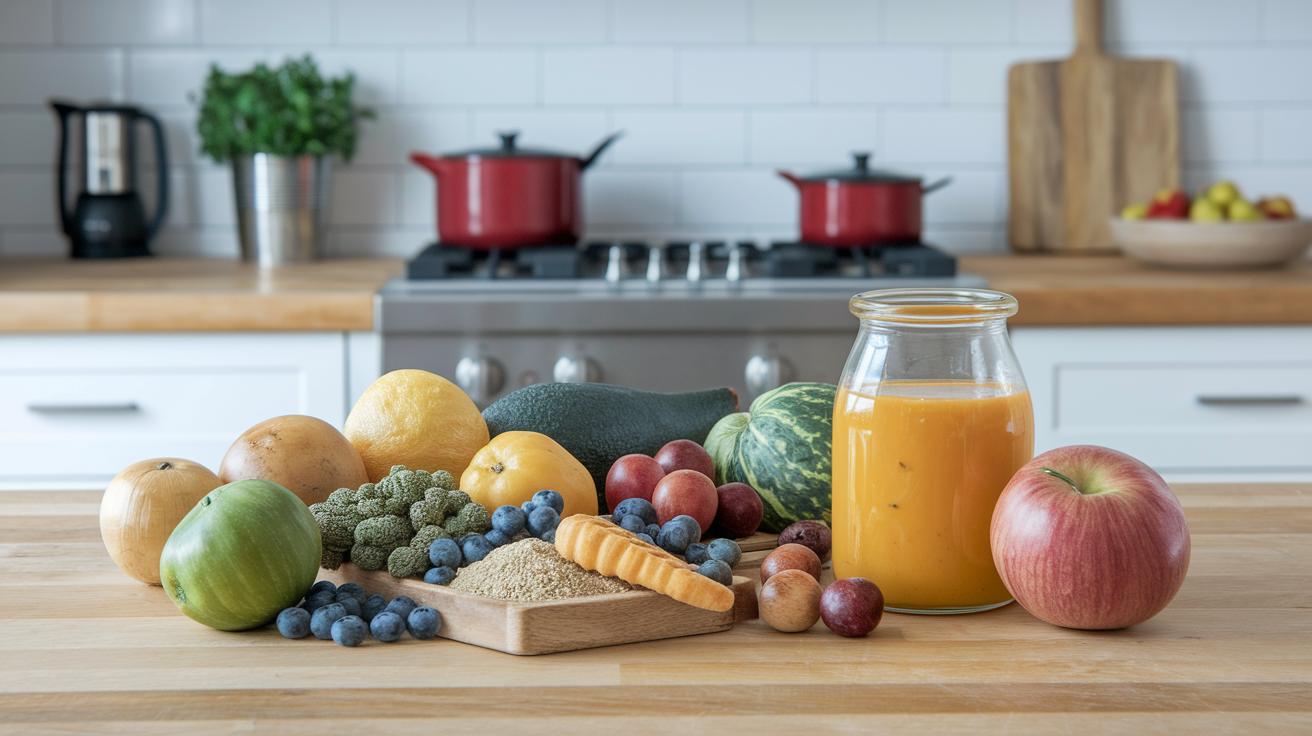
Whole foods are natural items that stay almost as you find them in nature. They only go through simple steps like washing, chopping, or freezing. This helps keep most of their vitamins, minerals, and fiber intact. Think about biting into a crisp apple or enjoying a fresh salad, they give you pure flavor and nutrition with little fuss.
These natural foods cover a wide range, from fruits and veggies to whole grains, legumes, nuts, seeds, and even natural dairy. For example, whole grains such as brown rice or oats barely change from their original form, which means they pack plenty of fiber and good nutrients. Picture cutting a bright red garden tomato; a quick wash and chop reveal food full of natural goodness.
Unlike many processed foods, whole foods come without extra additives, preservatives, or colorings. This means when you eat them, you're feeding your body with pure, built-in nutrients that are easier to digest and help boost your energy. By choosing whole foods, you're simply following nature's own plan for health, simple, balanced, and built to keep you feeling your best.
Common Whole Foods Examples to Recognize
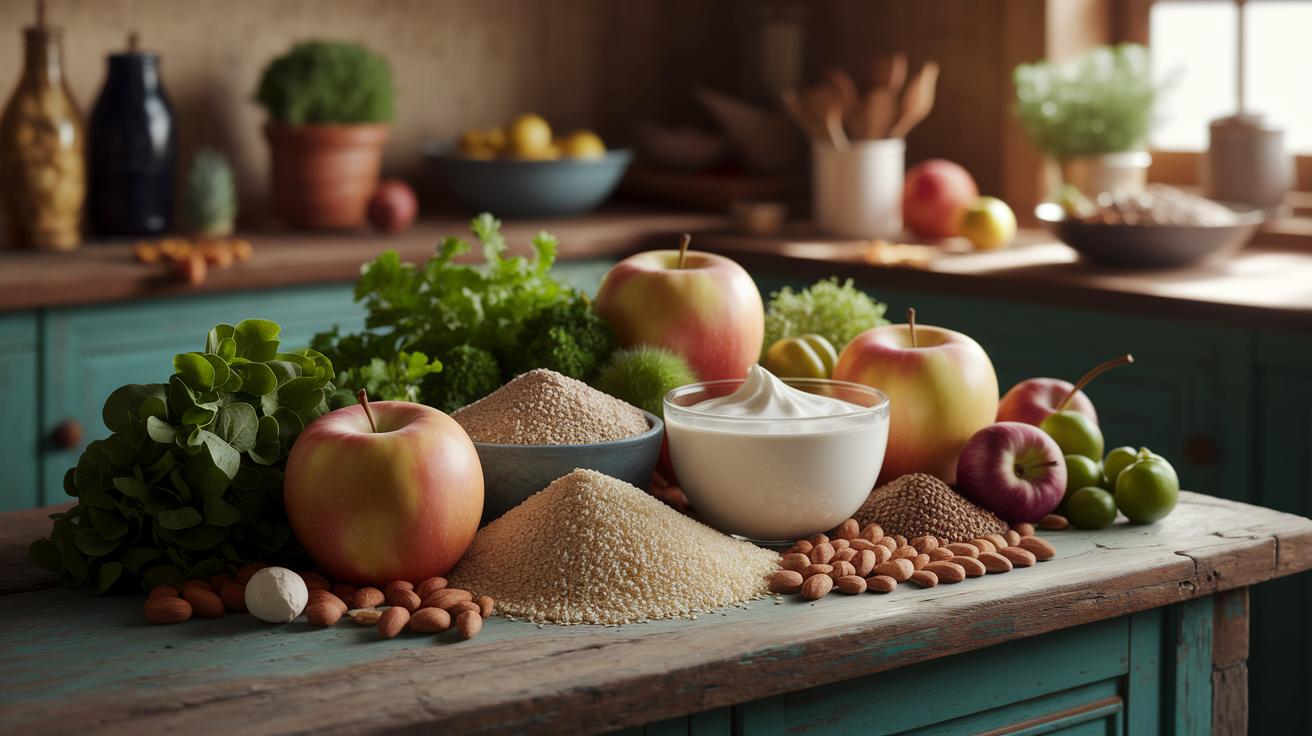
Whole foods stay in their natural state with just a quick wash or light chop. This means you get to enjoy the simple, true flavors of nature without too much fuss.
- Fruits (like apples and berries): A quick rinse shows off their crisp texture and sweet taste. For example, grab an apple, give it a gentle wash, and enjoy its natural crunch.
- Vegetables (such as leafy greens and cruciferous types): A simple rinse or chop brings out their bright color and fresh flavor without any extra additives. Imagine freshly washed spinach ready to lift up your meal.
- Whole grains (brown rice, quinoa, oats): A short rinse before cooking helps keep their fiber and hearty texture intact. For instance, try rinsing quinoa to enjoy its mild, nutty smell.
- Legumes (beans and lentils): A brief soak or light cooking keeps their protein goodness intact. Picture a pot of beans that have gently simmered, bursting with flavor.
- Nuts & seeds (almonds, chia seeds): They’re often enjoyed raw or lightly toasted, so they maintain their natural fats and satisfying crunch with minimal effort. Think of raw almonds giving you a lovely, simple bite.
- Natural dairy (plain yogurt, milk): With very little processing, these still have their rich proteins and minerals. A spoonful of plain yogurt, simple and creamy, really lets its natural goodness shine.
Nutritional Benefits of Embracing Whole Foods
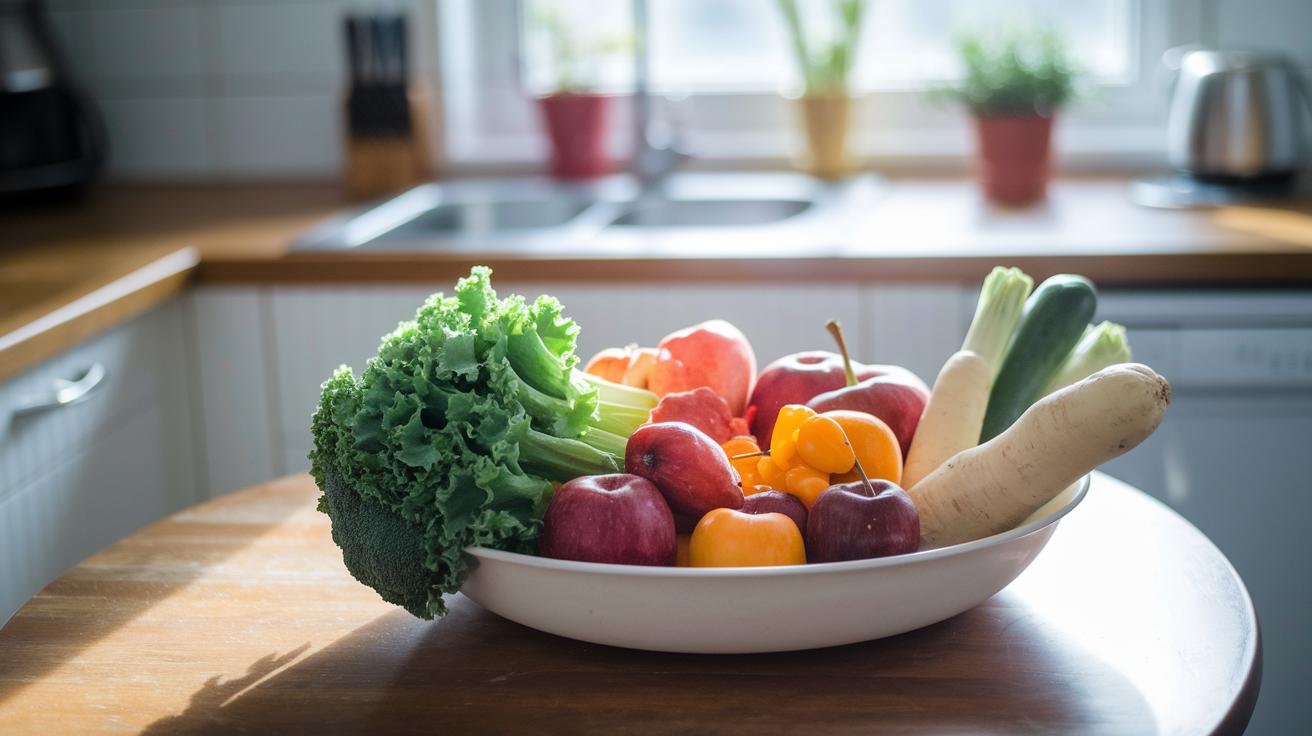
Whole foods are a treasure trove of nourishment. When you eat foods in their natural form, you get plenty of vitamins, minerals, antioxidants, natural plant compounds, and fiber. These nutrients help your body work its best. Take a carrot, for example. It not only adds a pop of color to your plate but also gives you a burst of beta-carotene and fiber with every crisp bite. Studies even show that eating whole foods can lead to better digestion and a steady flow of energy all day long.
When you choose whole foods as your main source of nutrition, your body reaps many rewards. This way of eating naturally keeps extra sugars, salt, and unhealthy fats low. It can support the management of conditions like type 2 diabetes and heart problems, while also giving you balanced energy. Imagine enjoying a bowl of fresh fruit salad that lifts your mood and fuels your day with every bite.
Whole foods help ensure you receive a balance of essential vitamins and minerals that boost your immune system and overall well-being. Just like a well-tended garden produces a bountiful harvest, choosing whole foods feeds your body with nature's goodness in the most natural way possible.
Distinguishing Whole Foods from Processed Alternatives
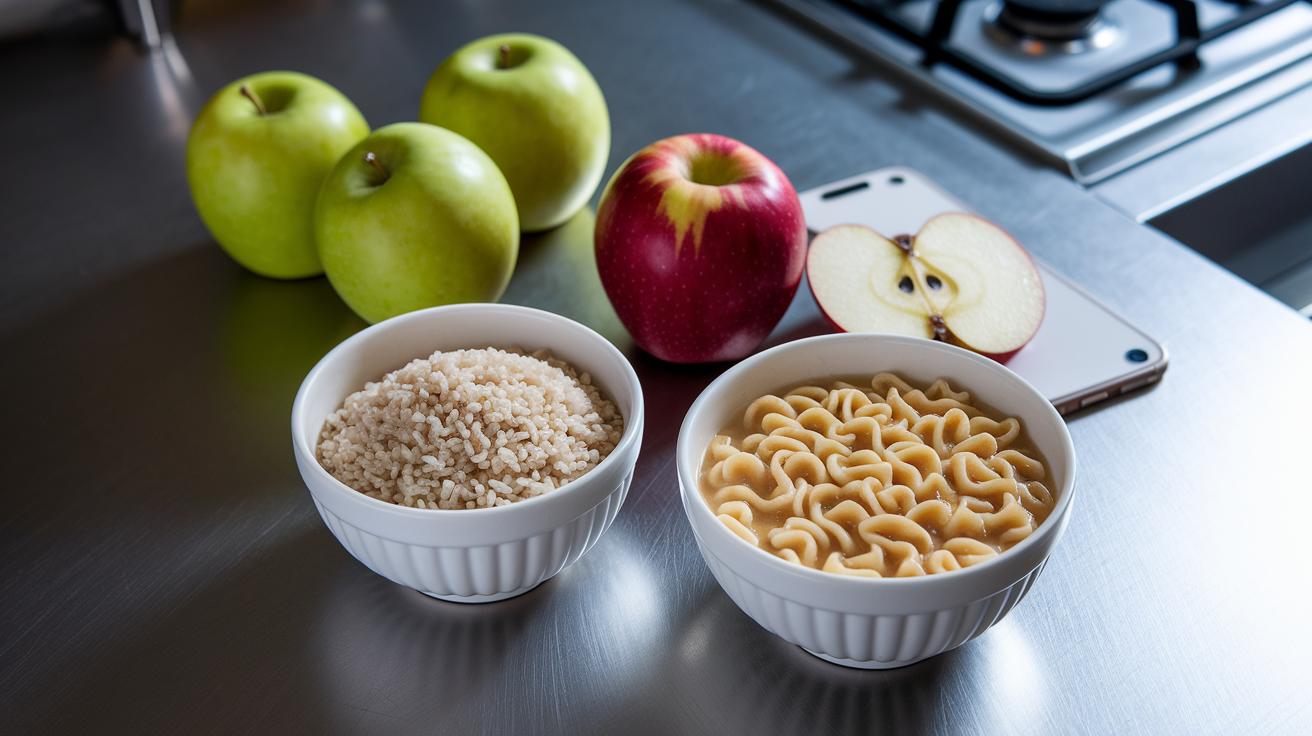
Whole foods give your body nature's best. When food is processed, it goes through steps that take away much of its natural fiber and vitamins. And often, extra sugar, salt, and fats are added that weren’t there originally. Think about a fresh apple compared to pre-cut apple slices soaked in syrup and additives. The fresh apple is full of natural vitamins and that satisfying crunch, while the packaged version loses much of that goodness.
Take microwaveable brown rice as another example. A quick heating process makes it easy to prepare while keeping many of its original nutrients. But some methods of processing break down the structure of the food, reducing both fiber and vitamins, and making it harder for your body to absorb these nutrients.
Consider this surprising fact: instant noodles can have nearly three times the salt of their whole food versions. This shows that foods with minimal processing stay truer to how nature made them, preserving the health benefits packed inside. In the long run, choosing foods closer to their natural state can really boost your well-being.
Practical Guidelines for Integrating Whole Foods Daily
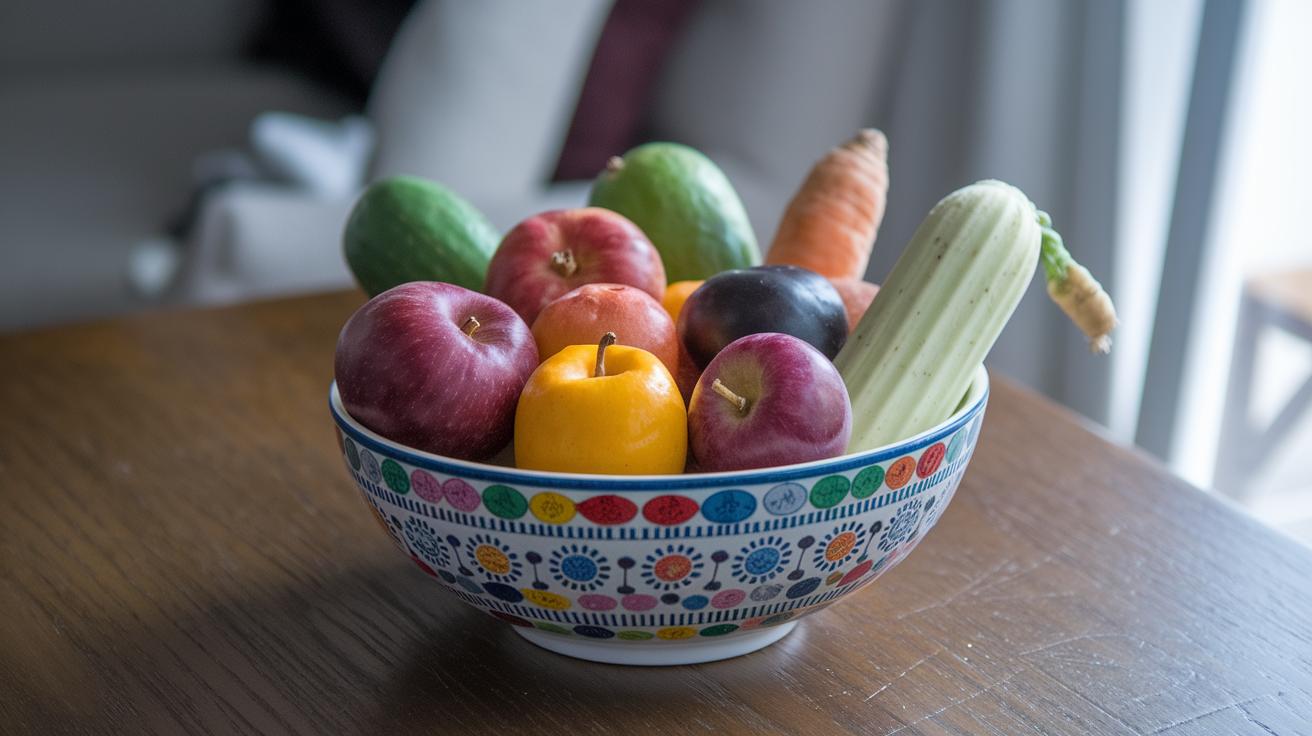
Start by planning meals that naturally include plenty of fresh, unprocessed ingredients. Try filling half your plate with fruits and vegetables. Picture a bowl bursting with crunchy carrots, crisp greens, and juicy tomatoes. This way, you get a mix of vitamins, minerals, and fiber with each meal.
Swap out refined grains for their whole versions. For example, choose brown rice instead of white rice or opt for whole-grain bread over processed options. These changes help you stay closer to food in its natural state and pack on extra nutrition.
Keep your snacks simple and real. Instead of grabbing a bag of chips, try a handful of raw nuts or seeds. Imagine biting into crunchy almonds or savoring the gentle chew of sunflower seeds. A small switch like this can really boost your daily nutrient intake.
Mix in legumes like beans or lentils into your soups and salads for a hearty protein hit. They have a mild taste that fits well with many dishes and helps balance your plate. For instance, stir in some black beans to add a tasty texture to your salad.
When it comes to dairy, go for plain options without added sugars. Consider a spoonful of plain yogurt topped with fresh fruit for breakfast. It's a simple, natural way to start your day with balanced nutrition.
Remember, this approach isn’t about strict rules. It’s about slowly adding more whole foods into your meals. Think of it as gently guiding your routine toward a healthy, balanced mix inspired by nature, while still keeping your lifestyle practical and enjoyable.
Final Words
In the action of exploring whole foods meaning, we examined natural ingredients that get only a little treatment, letting their nutrients shine. We saw easy steps to pick fresh produce, whole grains, and more, while comparing them to heavily processed foods. We also shared ideas to add these items to meals without feeling overwhelmed. The points remind us that small changes can spark lasting health improvements. It all adds up to a path that makes daily living brighter and more balanced.
FAQ
Q: What are common whole food items?
A: Common whole food items include fruits, vegetables, whole grains, legumes, nuts, seeds, and natural dairy. These foods undergo minimal processing like washing or chopping, retaining most natural nutrients.
Q: What is the slang meaning of whole foods?
A: The slang meaning of whole foods refers to fresh, natural, and unprocessed foods. They’re seen as healthier choices compared to items filled with artificial ingredients.
Q: How is whole foods defined in English?
A: Whole foods are defined in English as natural items that remain close to their original state, involving minimal steps like washing or chopping to keep essential nutrients and fiber intact.
Q: What does whole food eating for beginners suggest?
A: Whole food eating for beginners suggests starting with simple meals that include fresh produce, whole grains, and natural dairy, gradually replacing overly processed items with nutrient-dense options.
Q: What does a whole foods diet include?
A: A whole foods diet includes natural items such as fruits, vegetables, whole grains, legumes, nuts, seeds, and natural dairy—all minimally processed to preserve vitamins and fiber.
Q: Is meat considered a whole food?
A: Meat is considered a whole food when it is fresh and minimally processed. When it’s free from artificial additives, it retains its natural nutrient profile.
Q: Is cheese classified as a whole food?
A: Cheese can be classified as a whole food if it’s made from natural dairy with minimal processing and free from extra additives, though many commercial types have additional ingredients.
Q: Are eggs considered whole foods and can they fit in a whole food diet?
A: Eggs are considered whole foods as they’re natural and nutrient-rich. They fit well into a whole food diet, provided they are not altered with unnecessary additives.
Q: What qualifies as a whole food and what does the term stand for?
A: A whole food qualifies as any natural item that stays close to its original form with little processing. The term stands for foods that keep natural nutrients and fiber without artificial ingredients.
Q: Is bread rated as a whole food?
A: Bread is rated as a whole food only if it’s made from whole grains without refined sugars or additives. Many available breads are too processed to fully qualify.
Q: What is Whole Foods Market known for?
A: Whole Foods Market is known for its wide selection of organic and natural products that emphasize minimally processed, high-quality foods without artificial additives.
Q: What does Sprouts Farmers Market offer?
A: Sprouts Farmers Market offers a range of fresh produce, natural groceries, and minimally processed foods, making it simpler to choose healthful ingredients every day.
Q: What type of products does Wegmans feature?
A: Wegmans features a broad assortment of fresh produce, natural groceries, and whole food items. Their selection prioritizes minimally processed, nutrient-rich options for better living.
Q: What can you expect regarding whole foods from Publix?
A: Publix offers diverse options such as fresh produce, whole grains, and natural dairy, providing accessible choices for shoppers who prefer minimally processed foods.
Q: What is Aldi known for in relation to grocery shopping?
A: Aldi is known for its budget-friendly prices and a selection of essential grocery items, including whole and natural foods, making healthy eating more affordable.
Q: What type of whole food items are found at Kroger?
A: Kroger stocks various whole food items like fresh fruits, vegetables, whole grains, and natural dairy, ensuring shoppers have access to minimally processed, nutrient-packed options.