Ever wondered if just a few mindful minutes could brighten your day? Picture yourself doing a simple chore, like washing dishes, and taking time to notice each deep breath. It might sound simple, but mindfulness, a practice that has been around for thousands of years, can really help you handle stress better.
When you pay attention to little things, like the refreshing cool air on your skin or the pleasant smell of your morning coffee, life feels a bit calmer. It’s like taking a tiny break from the rush of everyday moments.
This blog will share some easy techniques to add more peace and calm to your daily routine. Give it a try and notice the small changes that can make a big difference in your day.
Mindfulness Practices for Everyday Integration

Mindfulness is an easy practice to help you feel calm each day. It began over 2500 years ago with the Buddha and can gently change how your brain handles stress. It brings calm, reduces stress, and lifts your mood. When you practice mindfulness, you watch your thoughts without letting them control you. Think of feeling your breath while washing dishes and noticing that each moment holds a little peace. You might even say, "Before starting my day, I pause to feel the cool air on my skin, letting each breath bring me into the now."
Mindfulness helps you handle life as it comes and quiets those pesky negative thoughts. Even small changes, like enjoying a mindful cup of coffee or taking a few deep breaths, can make a big difference over time. With regular practice, whether for a couple of weeks or several months, you can change how you react to stress. By making these gentle habits part of your day, every moment becomes an opportunity to find calm.
Core Mindfulness Techniques for Beginners
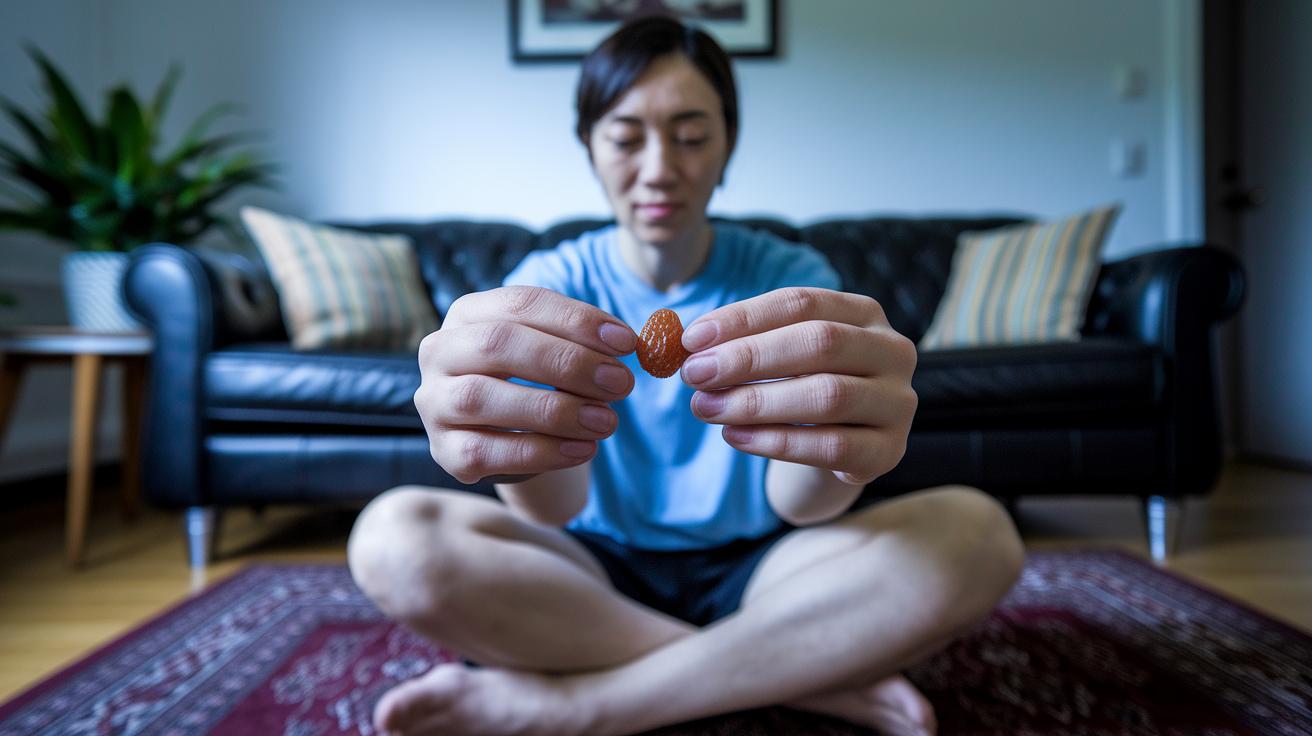
Start with the Raisin Exercise. Grab a single raisin and take a moment to really notice it. Feel its tiny bumps, breathe in its sweet, earthy smell, and even taste its flavor if you can. Imagine saying out loud, "I feel these little ridges and notice its sweet smell." This simple act helps keep you grounded in the present moment.
Next, try the Body Scan Meditation. Sit in a comfy spot and slowly shift your focus from your toes all the way up to your head. Notice each feeling as you go, starting with the gentle pressure at your feet, moving through your legs, and then your arms. Just observe everything without judging whether it’s good or bad.
Then, explore Mindful Seeing & Listening. Find a quiet place and let your senses come alive. Look closely at an object and take in its color and shape, or listen carefully to the soft sounds around you. For instance, if you watch a tree, notice how the light plays on its leaves. Let these details pull your attention into the moment.
Try the 3-Step Mindfulness Exercise for a quick mental reset. First, pause whatever you’re doing. Then, focus on your breathing, feeling every inhale and exhale. Finally, return to your task with a bit more calm. It’s like giving your mind a gentle restart, saying, "Stop, breathe, now continue."
Lastly, embrace the DBT "what" and "how" skills. Take a moment to notice your thoughts and feelings without reacting right away. Simply say to yourself, "I feel a flutter in my chest," and let that awareness guide you as you continue with your day.
Mindful Breathing Practices and Exercises
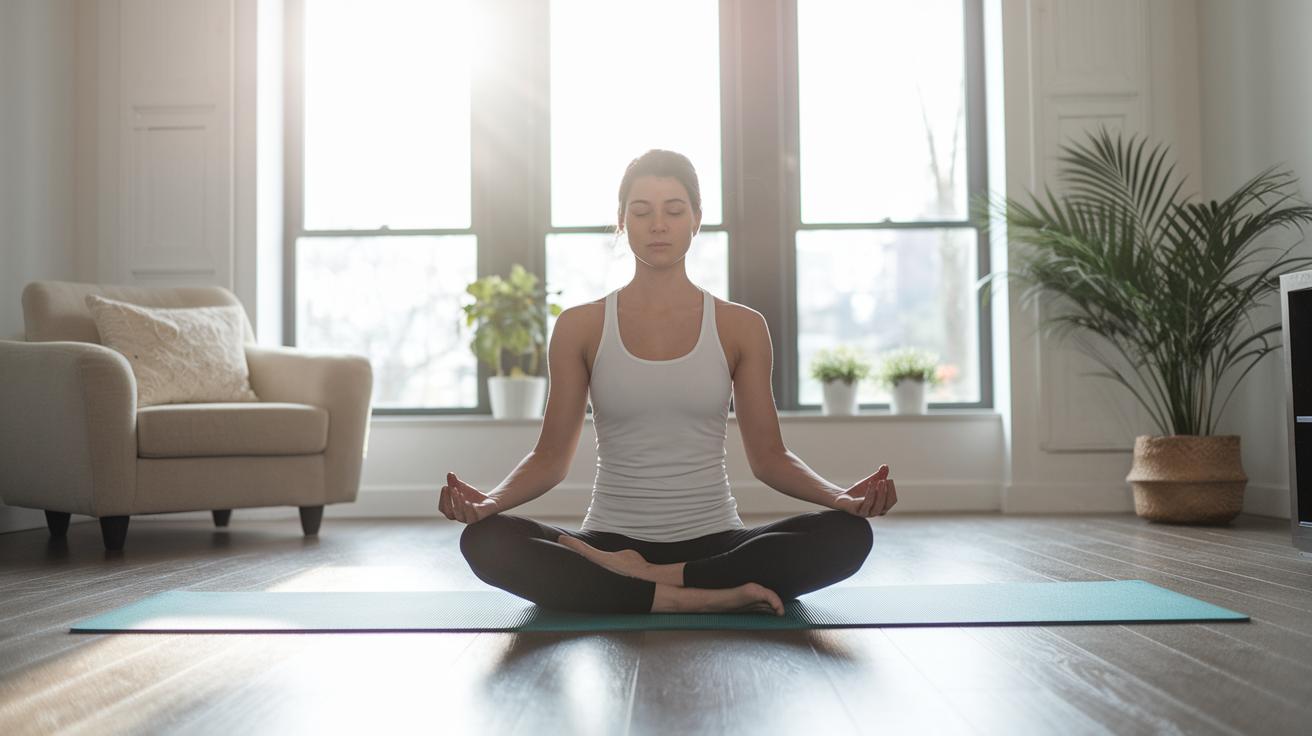
Taking a mindful breathing break can really help you feel calmer and lower your stress when you're busy. When you focus on your breath, your body starts to relax and muscle tension fades away. Even during your workouts, paying attention to your breathing can boost your focus and help you perform better.
3-Minute Breathing Space
Set aside three minutes for this simple practice. First, spend about one minute noticing how your body feels. Check if there are any tight spots or discomfort. Then, for the next minute, focus solely on your breathing, take deep, slow inhales and let out longer, soft exhales. Finally, use the last minute to let go of any leftover tension, feeling your body relax more with each out-breath. Try it out and let your mind take a short, refreshing pause.
Box Breathing Technique
Next, try the box breathing method. Breathe in slowly for a count of four, hold your breath for four counts, then exhale for four counts and pause again for four counts. Feel free to adjust the numbers until the pace feels right for you. This steady breathing pattern helps soothe your nervous system and calm your mind. Many people find that this technique cuts down stress quickly and sharpens their focus at demanding times. For extra guidance on relaxation exercises for stress management, check out this link: https://fitandglossy.com?p=1291. Practice these steps every day, breathe deeply, and watch your worries slowly drift away.
Building a Daily Mindfulness Routine
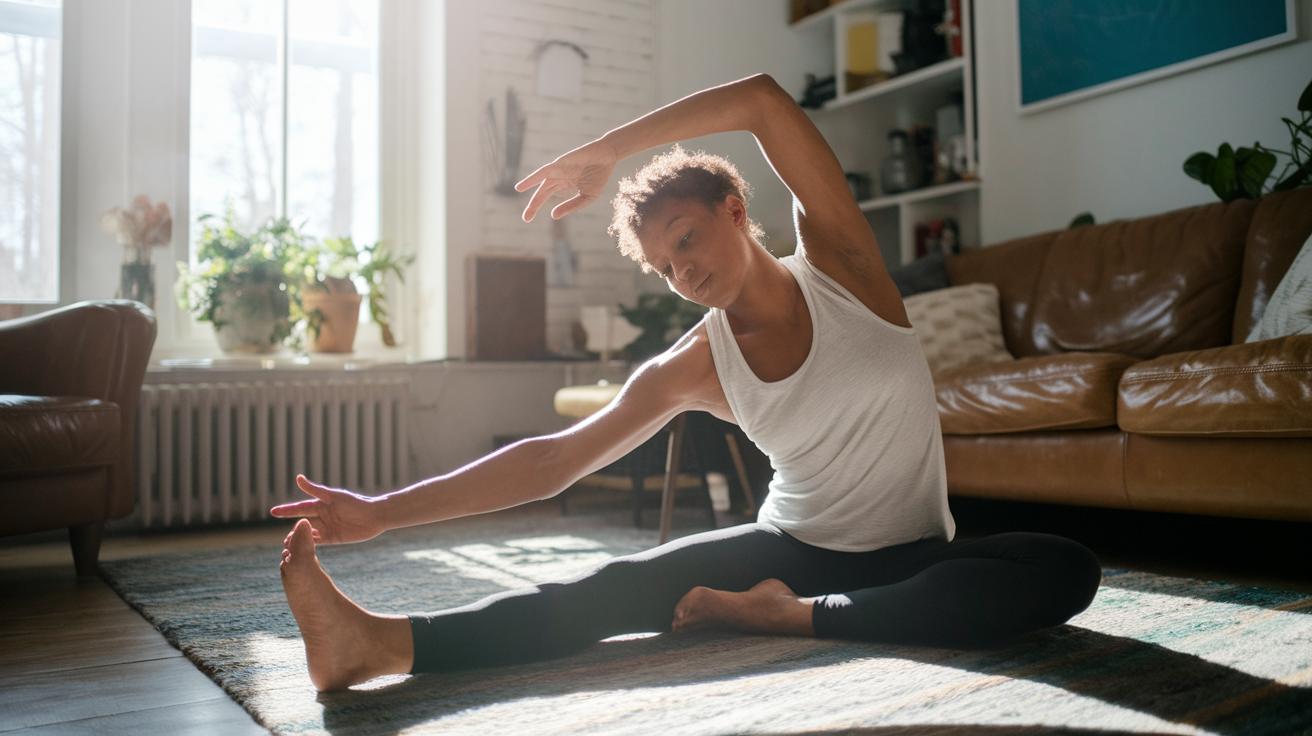
Begin your day with a calm moment. Instead of grabbing your phone right away, take a few quiet minutes. Stretch gently and tell yourself, "I'm ready for today." This little pause sets a good tone for the rest of your day.
When it's time to eat, give yourself a mindful break. Take eight to ten slow, deep breaths, letting your belly rise and fall. This simple step helps you slow down and really enjoy your meal while fueling your body.
During a busy day, remember to pause and breathe. Stop for just a moment, close your eyes, and take a deep, purposeful breath. It breaks the autopilot routine and helps you feel grounded in the here and now.
When you exercise, focus on your breath as you move. Whether you're biking, swimming, or doing yoga, pay attention to how your body feels. Each breath and movement makes your workout both physically and mentally refreshing.
Even when you're driving, a bit of mindfulness can help. As you start your engine or sit in traffic, take a few calm breaths. This can ease stress and keep you safe on the road.
| Time of Day | Practice | Duration | Key Steps |
|---|---|---|---|
| Morning | Mindful Wakeup | 5 minutes | Stretch, breathe, set your intention |
| Mid-morning | Mindful Eating | 3-5 minutes | 8-10 deep belly breaths, enjoy your food |
| Afternoon | Mindful Pause | 2 minutes | Stop, close your eyes, breathe deeply |
| Late Afternoon | Mindful Workout | 10-20 minutes | Focus on your breath and body sensations |
| Evening | Mindful Driving | Varies | Breathe deeply to stay calm on the road |
Scientific Benefits of Mindfulness Practice
Regular mindfulness exercises can help lower anxiety and depression almost as well as talking therapies. Research shows that even short periods of focusing on your breath can calm your mind, ease worries, and shift negative thoughts in a positive direction. This means mindfulness is more than a simple ritual, it’s a practical tool for improving mental well-being.
Practicing mindfulness also helps you manage your feelings better. When you watch your thoughts and let them pass without reacting, you give your brain a little break to reset. It's like hitting a pause button during a stressful moment. Plus, this practice teaches you to steer your focus back when distractions come up, which builds a clearer mind and grows your ability to handle stress over time.
Mindfulness is also a key part of Dialectical Behavioral Therapy. In this approach, you learn to switch gears between noticing what you experience and staying involved without impulsively reacting. Group mindfulness sessions have even shown results similar to individual therapy, creating a supportive space where everyone can grow and heal together.
Advanced Mindful Awareness and Self-Care Methods
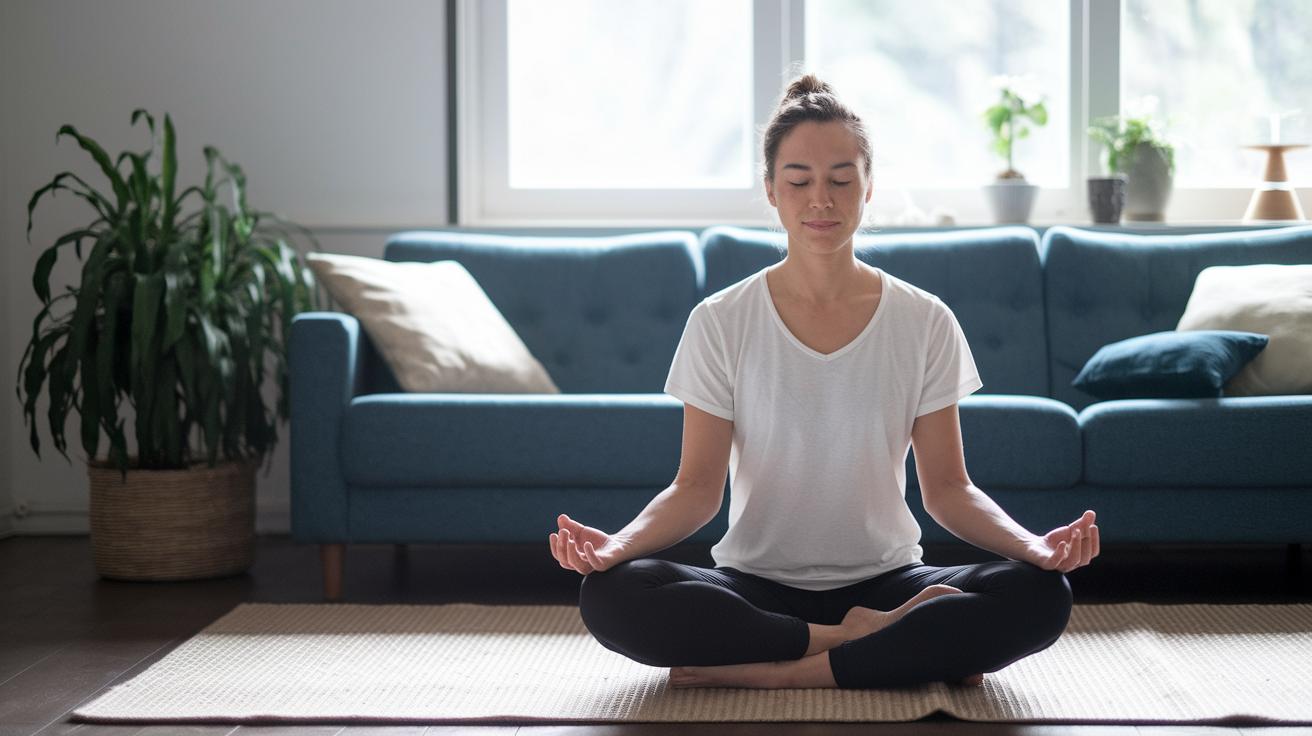
When you practice mindfulness, everyday stress can slowly melt into a calm focus. One way to do this is by gently reminding yourself with phrases like "just like me" during tough moments. It helps soften self-judgment and brings a bit of kindness to the situation. Try sitting quietly and letting your thoughts pass by, almost like watching clouds drift by in the sky. This means not holding onto each thought as if it were a big part of your story. Using DBT mindfulness skills, where you observe, describe, and really engage with your feelings, can make daily challenges feel a little less heavy.
Another great tip is to set aside time without any digital distractions. You might choose a quiet hour in the morning or evening where no screens are around. That pause can clear your head and remind you to be present. If you're curious about it, here’s a link for more ideas on digital detox: https://healthyfax.com?p=2524
Adding simple self-compassion exercises to your day can also help a lot. Maybe take a minute each day to recognize something positive you did and let go of any harsh self-criticism. You might even try joining a guided audio meditation or a workshop where you can explore mindful self-care deeper. With these practices, you build a more connected, steady path that helps you handle life’s stresses a bit easier.
Embrace calm living every day, one gentle step at a time.
Final Words
In the action of practicing mindfulness, we explored basic techniques like focused breathing, simple exercises, and daily rituals that can create calm. We highlighted exercises that shift our attention and stitch a calm rhythm into our daily lives. Research shows that these mindfulness practices can help reduce stress and boost mental strength. Each step, from mindful eating to brief pauses during your day, puts you closer to a life filled with focus and warmth. Enjoy every mindful moment and keep moving forward.
FAQ
What are some mindfulness practices and techniques?
When you ask what mindfulness practices and techniques involve, they refer to simple exercises like mindful breathing, body scan meditation, and mindful eating that help anchor awareness in the present moment.
What does mindfulness practices mean?
When you ask what mindfulness practices mean, it involves engaging in activities that focus on the present moment to reduce stress, promote calm, and improve emotional balance.
Where can I find mindfulness exercises in a PDF format?
When you ask where to find mindfulness exercises in a PDF format, many wellness websites provide downloadable guides offering step-by-step mindfulness practices for individuals, groups, and different age groups.
What mindfulness practices are suitable for students and adults?
When you ask which mindfulness practices suit students and adults, exercises like mindful breathing, body scan meditations, and mindful listening are excellent choices to ease stress and improve focus.
How can I practice mindfulness for anxiety?
When you ask how to practice mindfulness for anxiety, consider simple techniques like pausing to take slow, deep breaths and gently refocusing on the present to help calm anxious thoughts.
What are five practical ways to practice mindfulness?
When you ask for five ways to practice mindfulness, try mindful breathing, mindful eating, body scan meditation, mindful movement, and mindful listening to maintain present-moment awareness.
What are the 5 R’s of mindfulness?
When you ask about the 5 R’s of mindfulness, they typically include Recognize, Release, Relax, Reframe, and Respond, which offer a framework for managing thoughts and feelings.
What are the 7 principles of mindfulness?
When you ask what the 7 principles of mindfulness are, they often include non-judgment, curiosity, patience, openness, acceptance, trust, and letting go, all guiding a clear, present focus.
What are the 5 steps of mindfulness practice?
When you ask about the 5 steps of mindfulness practice, they usually involve pausing, noticing sensations, breathing deeply, acknowledging thoughts, and gently returning focus to your present experience.