Have you ever thought that a simple mineral might ease a busy mind? Magnesium can help soften the glare of stress, much like gently dimming a bright light. It helps calm racing nerves and steadies your mood.
When stress hormones like cortisol spike during tight moments, magnesium quietly steps in to ease that pressure, imagine a soft whisper in a noisy room. Research even suggests that a bit more magnesium in your diet might support a calmer, more relaxed state.
Keep reading to explore how adding more magnesium could bring a sense of quiet ease to your everyday life.
Magnesium’s Role in Anxiety Relief
Magnesium is a key mineral your body needs to help keep nerves working well and to balance hormones. Think of your nervous system like a series of telephone lines that pass messages around, all these signals need to be clear. Magnesium makes sure the messages aren’t mixed up, which helps keep your muscles relaxed and your mind calm.
It works by keeping your stress hormone, cortisol, in balance. When you’re under pressure, cortisol levels can rise, but magnesium helps lower them. It also balances brain chemicals like GABA (which helps slow things down) and glutamate (which can excite your brain). Have you ever noticed how a dimmer switch softens the light? That’s a bit like how magnesium can ease stress. These actions help improve both mood and sleep, making it easier to manage anxiety.
Many scientific studies support this natural remedy. Reviews of research suggest that enough magnesium in your diet can reduce anxiety symptoms. The National Institutes of Health even point out that most people aren’t getting enough magnesium, which might be one reason for feeling anxious or low. So, whether it’s through food or supplements, making sure you get enough magnesium could be a simple yet meaningful way to support your mental wellness.
Optimal Magnesium Dosage for Anxiety Management

When it comes to easing anxiety with magnesium, there isn’t a one-size-fits-all approach. Some studies hint that people dealing with anxiety might benefit from extra magnesium supplements, but the research is still growing. For everyday health, the FDA advises keeping supplements below 350 mg each day, not counting what you get from food. In your diet, try to aim for about 400–420 mg a day if you’re a man and around 310–320 mg if you’re a woman. Simply put, what works for one person might not be best for another.
Here’s a quick look at common guidelines:
| Group | Daily Intake (All Sources) |
|---|---|
| Men | Approximately 400–420 mg |
| Women | Roughly 310–320 mg |
| Supplement Maximum | 350 mg elemental magnesium |
| Average Supplement Doses | Typically between 200–350 mg |
Some cases, especially in psychiatric settings, suggest that higher doses might help, but needs can vary a lot. That’s why it’s always a good idea to chat with your doctor or a trusted health professional. They can help you figure out the right amount based on your personal health needs and any ongoing treatments for anxiety.
Best Forms of Magnesium for Anxiety Relief
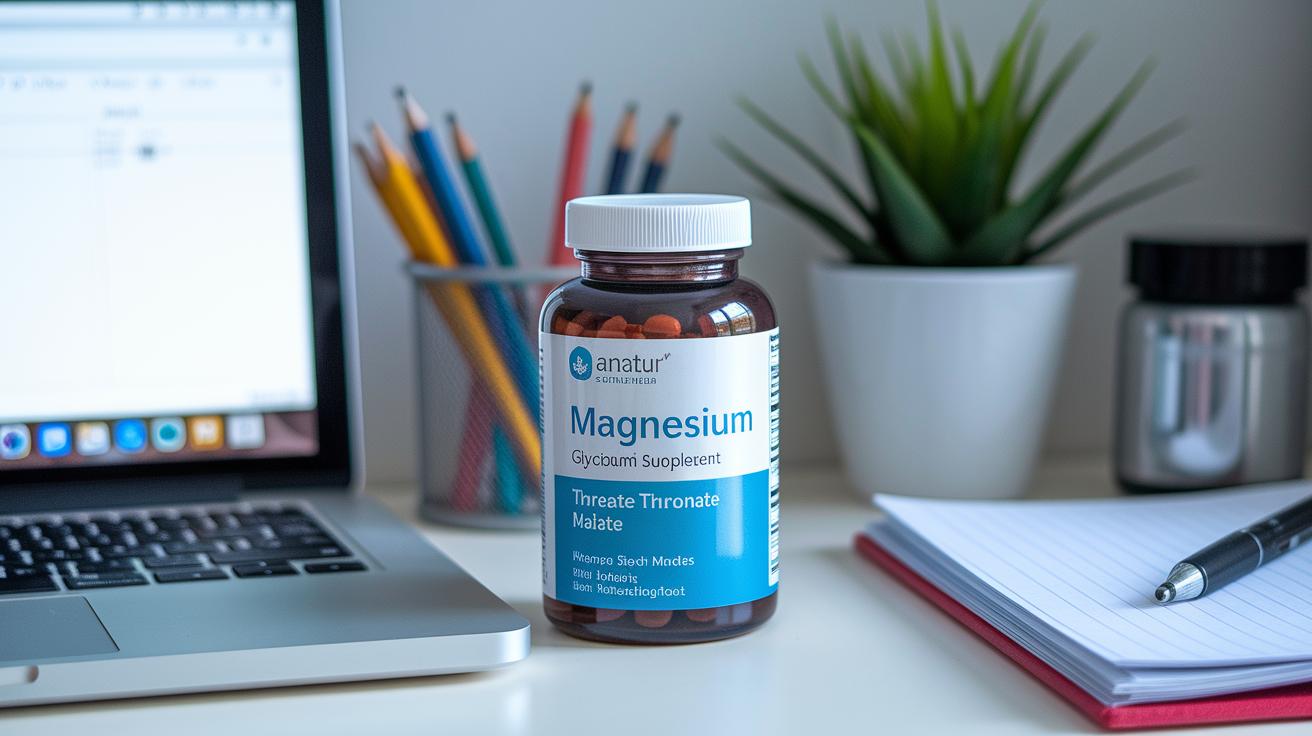
Magnesium supplements come in many different forms, and each one helps calm anxiety in its own way. For example, magnesium glycinate is paired with glycine, which helps you sleep better and is kind on your stomach. Meanwhile, magnesium taurate is known for soothing your nerves and reducing mild inflammation. Some people choose magnesium l-threonate because it can pass into the brain to support thinking and memory, although it may mean taking extra capsules. Magnesium citrate is a popular choice because your body can use it well, even if it sometimes has a gentle laxative effect. Magnesium malate absorbs nicely too and helps boost both blood and muscle levels for added energy, which can be a relief if you struggle with fatigue or muscle pain.
| Form | Primary Benefit | Typical Dose | GI Tolerability |
|---|---|---|---|
| Glycinate | Better sleep and more magnesium for the brain | 200-400 mg | High |
| Taurate | Soothe nerves, comfort the brain, reduce inflammation | 150-300 mg | High |
| L-Threonate | Boost brain function and helps cross into the brain | 300-900 mg | Moderate |
| Citrate | Great absorption and commonly used | 200-400 mg | Lower (may have a gentle laxative effect) |
| Malate | Raises blood and muscle levels, builds energy | 150-300 mg | High |
Picking the right type of magnesium is like choosing the perfect tool for your needs. If you often struggle with sleepless nights, glycinate might be a good pick. On the other hand, if you need extra calm and support for your nerves, taurate could be the way to go. Every form has its own benefits, and your own sensitivity and triggers can guide you
Timing Magnesium Intake for Anxiety and Sleep Support

Recent studies from 2018 to 2019 show that magnesium can help you sleep better and even boost how your brain works. Many folks say taking magnesium 30 to 60 minutes before bed helps them unwind after a busy day. Think of it like dimming the lights and letting your body relax, magnesium supports a calm mind and eases feelings of anxiety. When your mind is calm, you set a friendly tone for the next day.
Using magnesium in the morning might give you a burst of resilience during the day, although for some it can bring on a bit of drowsiness. Try experimenting with different times to see what fits best into your routine. You might even keep a small journal to note how you feel with morning versus evening doses. And if you have any concerns, sharing your notes with a health professional could offer you some personalized advice.
Dietary Magnesium Sources vs Supplements for Anxiety

Eating magnesium-rich foods can be a gentle, everyday way to soothe your mind. Picture a snack of almonds, cashews, or even a bowl of black beans with whole grains and spinach. These foods not only taste great but also deliver magnesium along with other friendly nutrients that help your body relax and keep your mood steady. It's like enjoying a natural treat that quietly supports your overall calm.
Sometimes, though, even a balanced diet might not supply all the magnesium your body needs, especially if you're dealing with strong feelings of anxiety or depression. In those cases, magnesium supplements can be a useful addition by offering a more concentrated dose of the mineral. Think of them as a little helper to make sure your body gets the extra support it might be missing. Just remember, supplements work best alongside a good diet, not as a complete replacement, so you can keep your nerves settled and your overall mood balanced.
Potential Side Effects and Safety Profiles of Magnesium Supplements

Magnesium supplements are generally safe when you stick to the recommended amounts. Most people might notice only a little stomach discomfort or even diarrhea if they use forms like magnesium citrate. On the flip side, options such as magnesium taurate and magnesium glycinate usually cause fewer tummy troubles. Think of it like a gentle breeze versus a strong wind, some types just feel easier on your body.
Since everyone reacts differently, it’s smart to be cautious with your dose. Mixing magnesium with other supplements, laxatives, or medicines can sometimes raise the risk of taking too much or even affect your kidneys. People with kidney issues might feel these effects more, so it’s a good idea to check in with your doctor before you start or change your magnesium routine. This way, you’ll know you’re taking a safe amount that fits well with any other treatments you’re using.
Research Evidence and Clinical Studies on Magnesium for Anxiety

Back in 2010, a review found that magnesium might help soothe anxiety. Researchers explained that magnesium assists in calming the brain and keeping important chemicals in balance. The National Institutes of Health noticed that many people aren’t getting enough magnesium from their food. This shortage seems to be connected with higher anxiety and mood problems. It’s a simple reminder: keeping your magnesium levels steady might be a helpful way to support mental well-being.
More recent studies from 2018 and 2019 have dug deeper into different types of magnesium. They looked at how well magnesium is absorbed, how it affects sleep quality, and even its impact on mental sharpness. Some researchers discovered that when taken correctly, magnesium might do more than just improve sleep, it could boost overall brain clarity too. This new research adds to the idea that magnesium can be a useful tool for managing everyday stress and easing anxiety.
Still, promising as these findings are, there’s a call for bigger, placebo-controlled trials. Many of the current studies have only a small number of participants. More extensive research is needed to figure out the right magnesium doses for true anxiety relief. In time, future studies may offer clearer advice on which forms of magnesium work best, so that recommendations are grounded in solid, evidence-based research.
Integrating Magnesium into an Anxiety Management Routine

Magnesium can be a great partner to your favorite anxiety-reducing practices. You might find that pairing your magnesium supplement with deep breathing, grounding exercises, or positive affirmations brings you a sense of calm. For example, you could do a few simple relaxation routines right after taking your magnesium capsule, letting its calming power boost each deep breath you take. Mixing these methods can help ease your body's stress signals and keep anxiety at bay.
A smart daily routine might be taking magnesium with a meal so your body absorbs it well, and then spending about 10 minutes in the morning or evening for some quiet reflection. Imagine adding in some gentle stretches or a short meditation as you take your magnesium. And, it never hurts to check in with a health professional for personalized tips along the way. Combining your diet, supplements, and lifestyle choices is a friendly reminder that managing anxiety works best when every part of your day supports a peaceful mind and body.
Final Words
In the action, the article shows how magnesium helps balance hormones and regulate stress by moderating brain chemicals. It reviewed key insights on dosage, optimal forms, and timing to create a practical routine that truly fits everyday life.
The guide also highlighted research findings and safety tips to support a balanced approach to overall wellness. Integrating magnesium for anxiety into daily habits offers a clear path toward healthier living and improved well-being. Enjoy taking small, confident steps toward a calmer, healthier you.
FAQ
What are the benefits of Magnesium Glycinate?
The Magnesium Glycinate benefit is that it is bound to glycine, making it gentle on the stomach, supporting better sleep and easing anxiety by enhancing brain magnesium levels.
What type of magnesium works best for anxiety and depression?
Many favor forms like glycinate and taurate for their gentle profiles and calming support, with research suggesting these choices may help balance stress hormones.
What insights do Reddit and reviews offer on magnesium for anxiety?
Reddit and reviews indicate that users often report reduced anxiety and improved sleep when using magnesium, although individual responses vary and results come from personal experiences.
How long does it typically take for magnesium to work for anxiety?
Magnesium’s effects on nerve and hormone regulation may be noticed within several days to a few weeks, as it gradually helps lower cortisol levels.
How does magnesium help with anxiety and sleep?
Magnesium helps balance neurotransmitters and reduce cortisol, leading to a calmer mind and enhanced sleep quality.
When is the best time to take magnesium for anxiety?
It is suggested to take magnesium 30–60 minutes before bedtime for calming effects; some users also benefit from morning use, depending on their sensitivity and daily routines.
Is magnesium glycinate safe for kids?
While magnesium glycinate is generally gentle, it’s best to consult a healthcare professional for proper dosage and safe use in children.
What purpose does magnesium L-threonate serve for anxiety?
Magnesium L-threonate crosses the blood-brain barrier, supporting cognitive function and potentially aiding anxiety, though it might require a higher capsule count for effectiveness.
What is the 3-3-3 anxiety rule?
The 3-3-3 anxiety rule means you take three deep breaths, observe three things you see, and acknowledge three positive thoughts, which can quickly help soothe anxiety.
What is the best remedy for anxiety?
While no single solution fits all, using magnesium supplements alongside lifestyle strategies like deep breathing and healthy living often provides real and meaningful relief.