Ever notice how your heart races and your thoughts seem to spin out of control just when you need calm? Sometimes, natural self-care can give your body the reset it needs. Simple methods like deep, steady breathing and focusing on what you feel right now can ease both your body and mind. These little habits work like a gentle tap on the brakes when stress starts to take over. In this post, you'll discover easy ways to ease anxiety and nurture a lasting sense of calm.
Effective Breathing & Mindfulness Techniques for Anxiety Relief
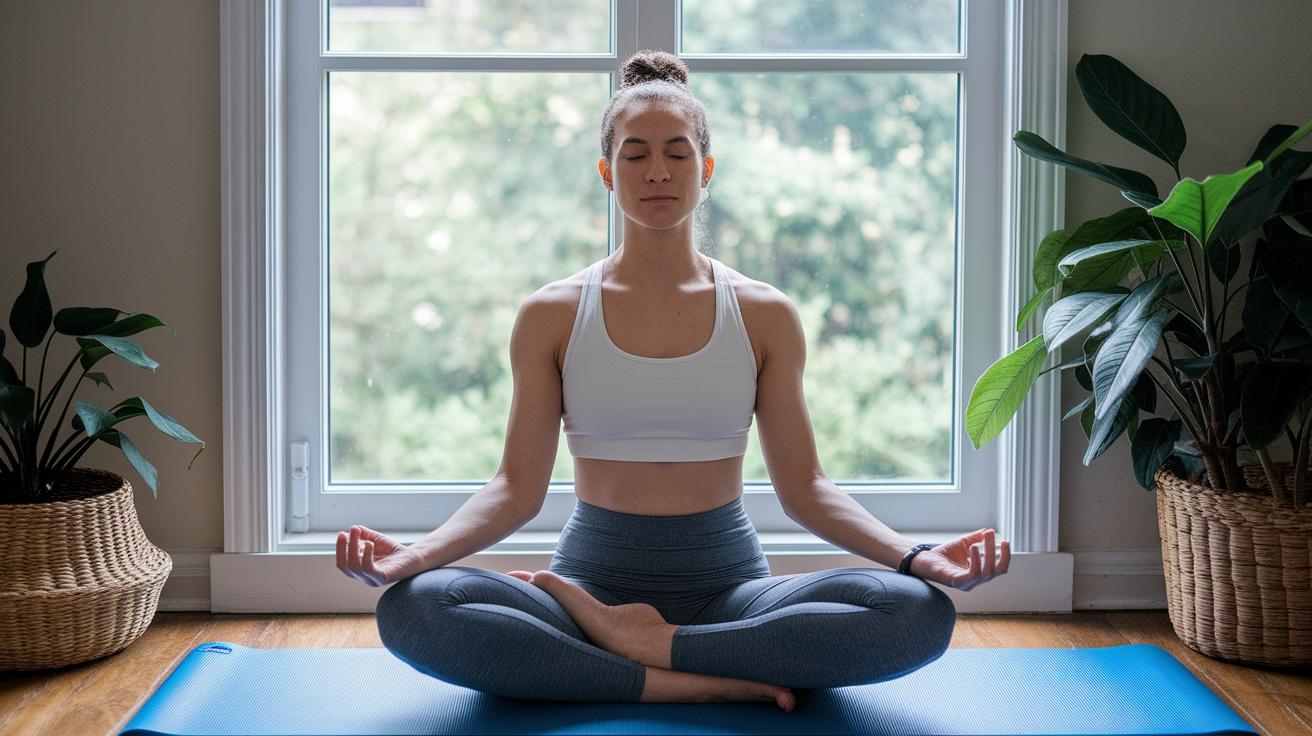
When anxiety hits, there are simple ways to help calm both your body and mind. These methods give you a chance to slow your breathing and quiet those racing thoughts when you need it most.
-
Square breathing
Close your eyes and breathe in slowly for 4 counts. Hold your breath for 4 counts, then breathe out for 4 counts, and pause for another 4 counts. This steady rhythm fills your lungs just right and helps ease the tension in your body. Think of it as setting a calm, regular beat for your breath. -
Mindfulness grounding
Take a short break to notice the world around you using all your senses. Look at something soothing, listen for soft sounds, feel the texture of a surface nearby, notice any pleasant smells, and if you can, savor a tiny taste. This practice is like pressing a reset button for your busy mind. -
Progressive muscle relaxation
Start at your feet and slowly work your way up. Tense each muscle group for a few seconds, then let the tension go. This gentle act tells your brain that it's safe to relax and helps break the cycle of anxiety that builds up in your body.
Try to include these practices in your day, maybe during a calm morning routine or a short break at work. With regular practice, these techniques will feel as natural as brushing your teeth, and you'll gradually feel more in control and at peace when anxiety comes knocking.
Nutritional Solutions & Supplements for Anxiety Relief
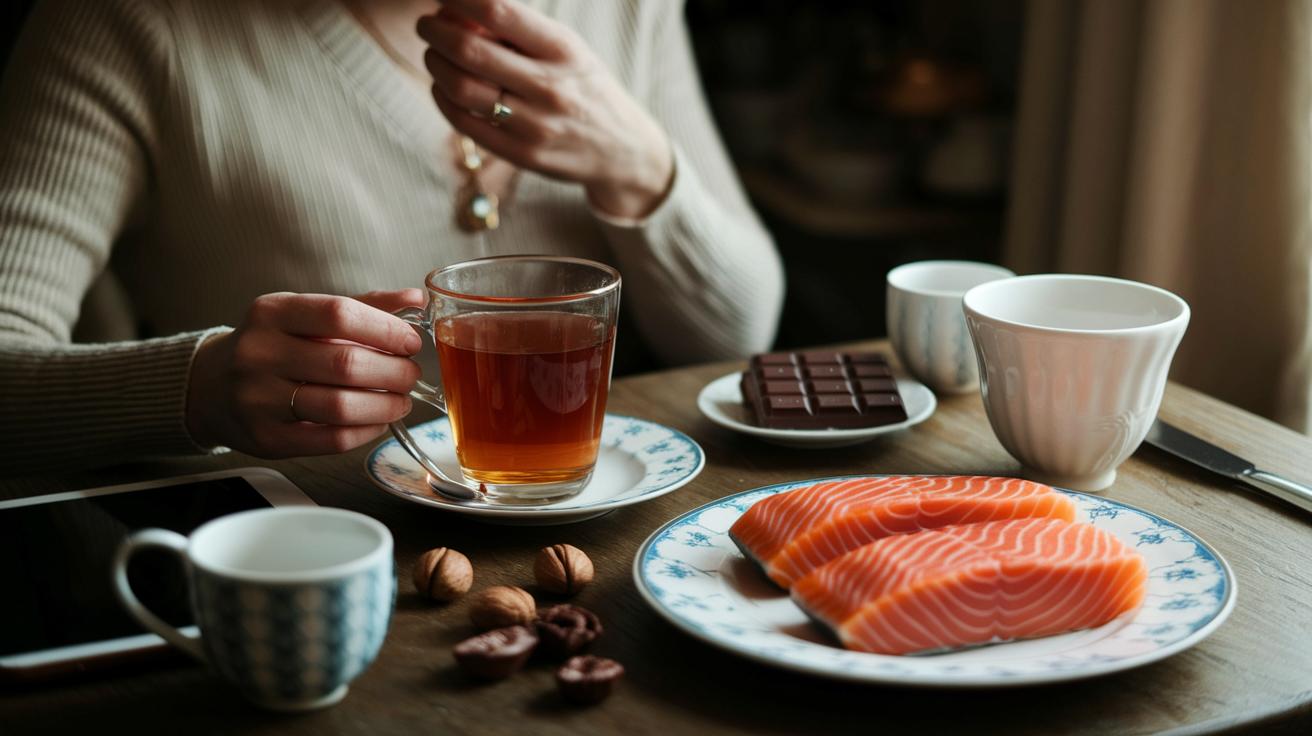
Eating a balanced diet can boost your mood and ease anxious feelings. Experts say that foods high in antioxidants help fight stress by reducing harmful chemicals in your body. A USDA review from 2010 even showed that antioxidant-rich foods might help keep anxiety under control. For example, salmon is packed with omega-3 (the healthy fats that support brain balance), while a warm cup of chamomile tea has natural ingredients that soothe you. Even a bit of dark chocolate can lift your spirits with its mood-enhancing compounds. Whole grains keep your blood sugar steady, and a small handful of nuts or seeds delivers magnesium and B-vitamins, nutrients known to nurture a calm mind.
| Food/Supplement | Key Benefit | Recommended Serving |
|---|---|---|
| Salmon | Supports brain balance with omega-3 | 3-4 oz per serving |
| Chamomile tea | Provides soothing compounds | 1 cup |
| Dark chocolate | Boosts mood with natural polyphenols | 1-2 squares |
| Whole grains | Keeps blood sugar steady | About ½ cup cooked |
| Nuts & seeds | Offers magnesium and B-vitamins | A small handful |
It’s also key to pay attention to supplement dosages and how they are prepared. Herbs like ashwagandha can ease stress, and magnesium supplements may help lower cortisol (the stress hormone). Vitamins also play a role in keeping you calm all day long. Still, always chat with a healthcare professional before making changes to your diet or supplement routine. Even little adjustments, like replacing a snack with some dark chocolate or enjoying chamomile tea, can make self-care feel more natural and easy.
Anxiety Relief: Natural Self-Care for Lasting Calm
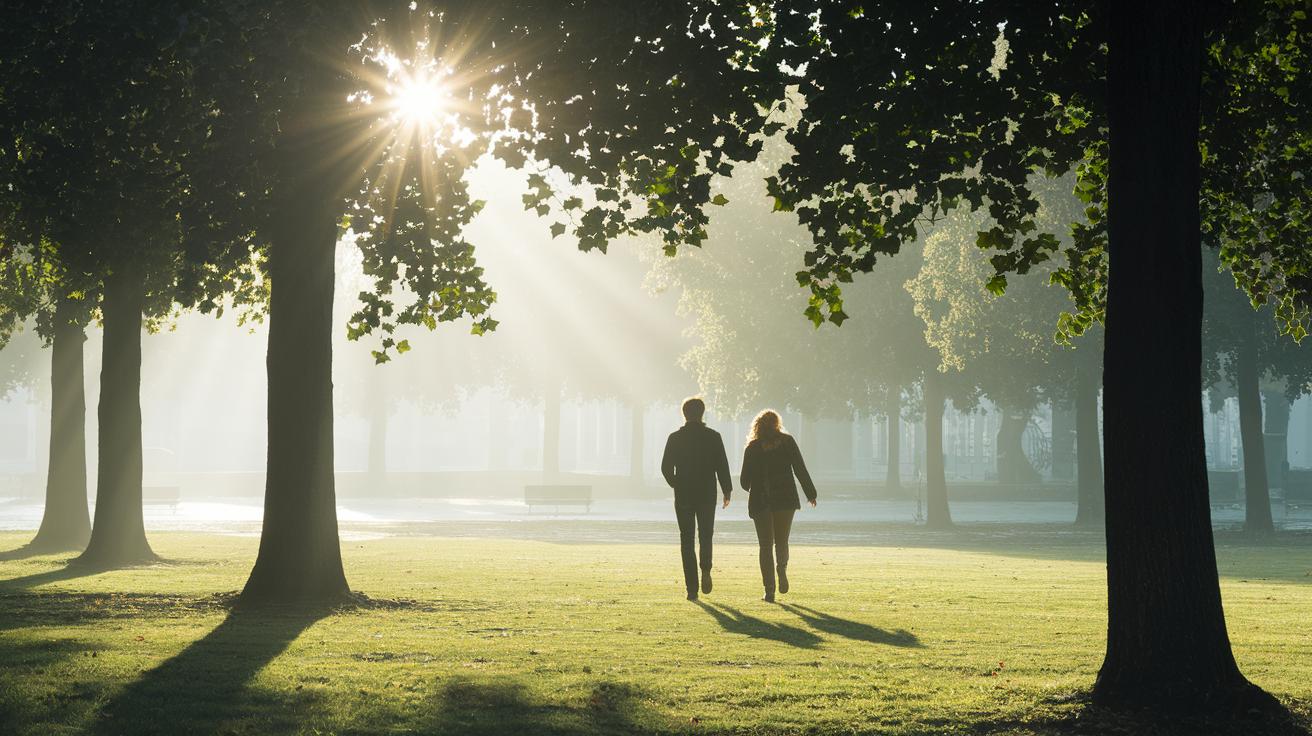
Getting your body moving with activities like brisk walking, swimming, or a fun bike ride is a natural way to ease anxiety. These simple exercises help your body release chemicals that make you feel good while lowering stress hormones. Picture a lively morning stroll in your neighborhood. Every step brings a burst of energy and reminds you that moving can reset a hectic day.
Mindful exercises such as yoga, tai chi, and walking meditation help you match your breath with your movements. These practices guide you to focus on small, calming actions that quiet your mind. Imagine a slow tai chi routine in the park, where every gentle move soothes your pulse and pulls you into the present. Yoga works in a similar way by stretching your body and calming your thoughts, providing a mini-break from stress.
Taking regular breaks from digital screens and spending time in nature, what some call forest bathing, can boost your mental clarity. Cutting back on screen time helps reduce the overload of stress signals in your body. Instead, try pausing for a moment to sit outside, listen to the rustle of leaves, and enjoy the touch of fresh air. These mindful moments reconnect you with the natural world, clearing away mental clutter and setting you up for a more relaxed state of being.
Cognitive & Relaxation Strategies for Sustained Anxiety Relief
When those worried thoughts pop up, try a simple mind trick to change the mood. If you catch yourself thinking, "I can't handle this," pause for a moment. Then, gently tell yourself, "I'm doing my best, and I can learn from this." This little shift in thinking can help ease your anxiety and give you a sense of control.
Writing down your feelings or listing small things you appreciate can also help lighten your mood. Maybe you had a warm cup of tea or received a kind word from a friend. Jotting notes like, "I felt proud when I finished a task today," reminds you of your inner strength. Over time, these small acts can turn your focus away from worry and toward the good in your day.
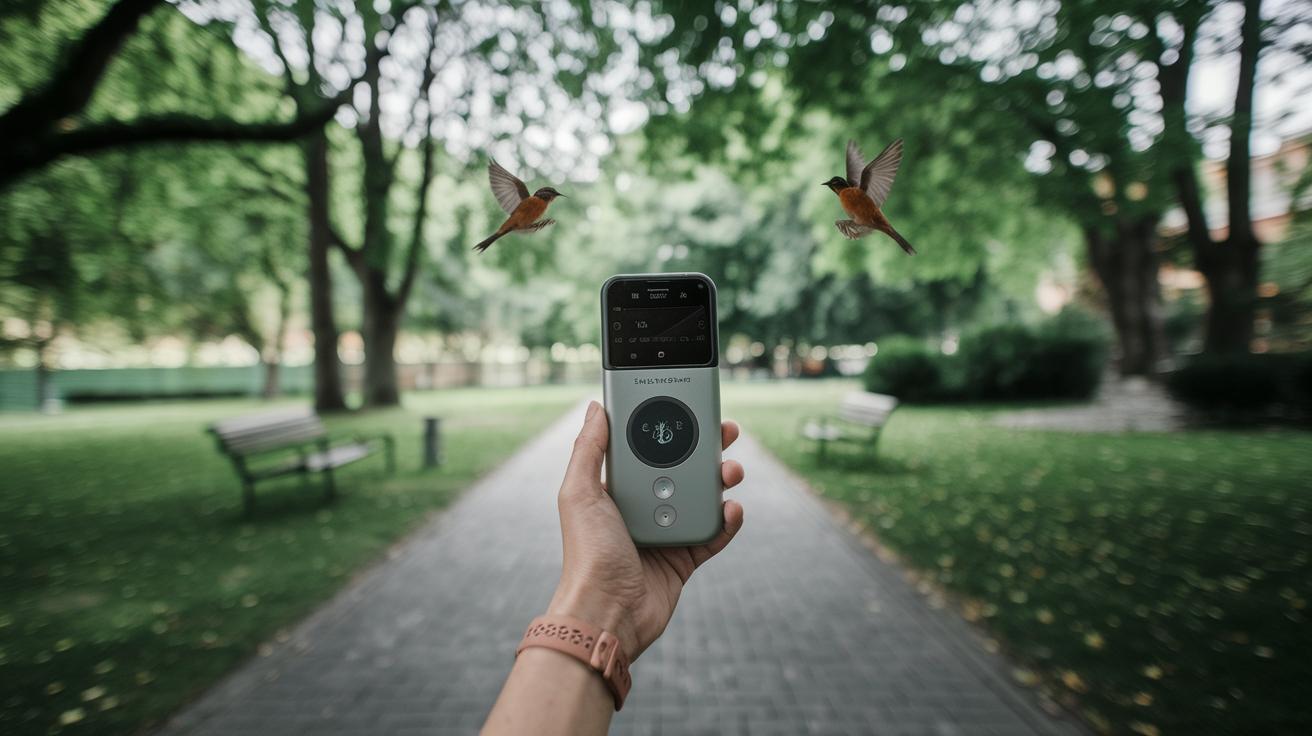
Imagine a calm scene, like sitting in a quiet park with birds singing and a gentle breeze on your skin. You might also try using simple biofeedback tools, which are little gadgets that help you notice changes in your heartbeat (that is, the subtle beats your body makes). These tools can teach your body how to relax, easing muscle tightness and slowing your heart rate. This peaceful state can stick with you long after you've finished practicing.
Recognizing When to Seek Professional Anxiety Relief Support
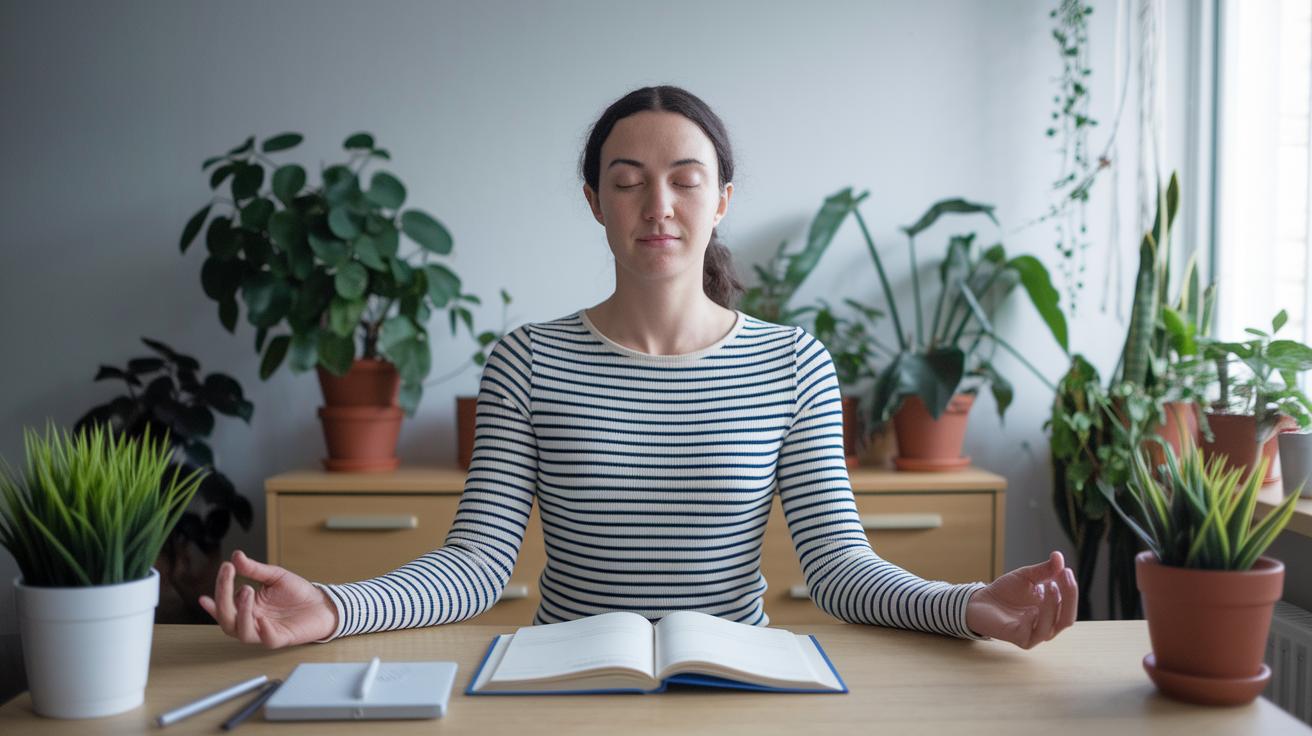
If anxiety starts making even small tasks feel heavy, it might be time to listen up. When worry lingers for more than two weeks, you struggle to fall or stay asleep, or routine activities, whether at work or home, suddenly seem too tough, these could be signs that anxiety is taking hold. And if you find that it stops you from enjoying your favorite activities, it might be a clear signal to look for extra help. Believe it or not, about 40 million adults, nearly 18% of people, deal with anxiety disorders. These warning signals mean your mental health could use a little extra care, and catching these signs early might stop things from getting worse.
There are many ways to get support. You might try therapy sessions that help lift your mood, or counseling that offers a space to talk freely. Online communities can also provide comfort and shared understanding. Whether you meet with a professional in person or try a telehealth service like a virtual primary care doctor, talking through your experiences can make a big difference. Relying on trusted friends or family, and aiming for a healthier work–life balance, can further ease your stress. Combining all these supports creates a network that reminds you: you’re not alone, and managing anxiety becomes a bit less daunting.
Designing Your Personalized Anxiety Relief Plan
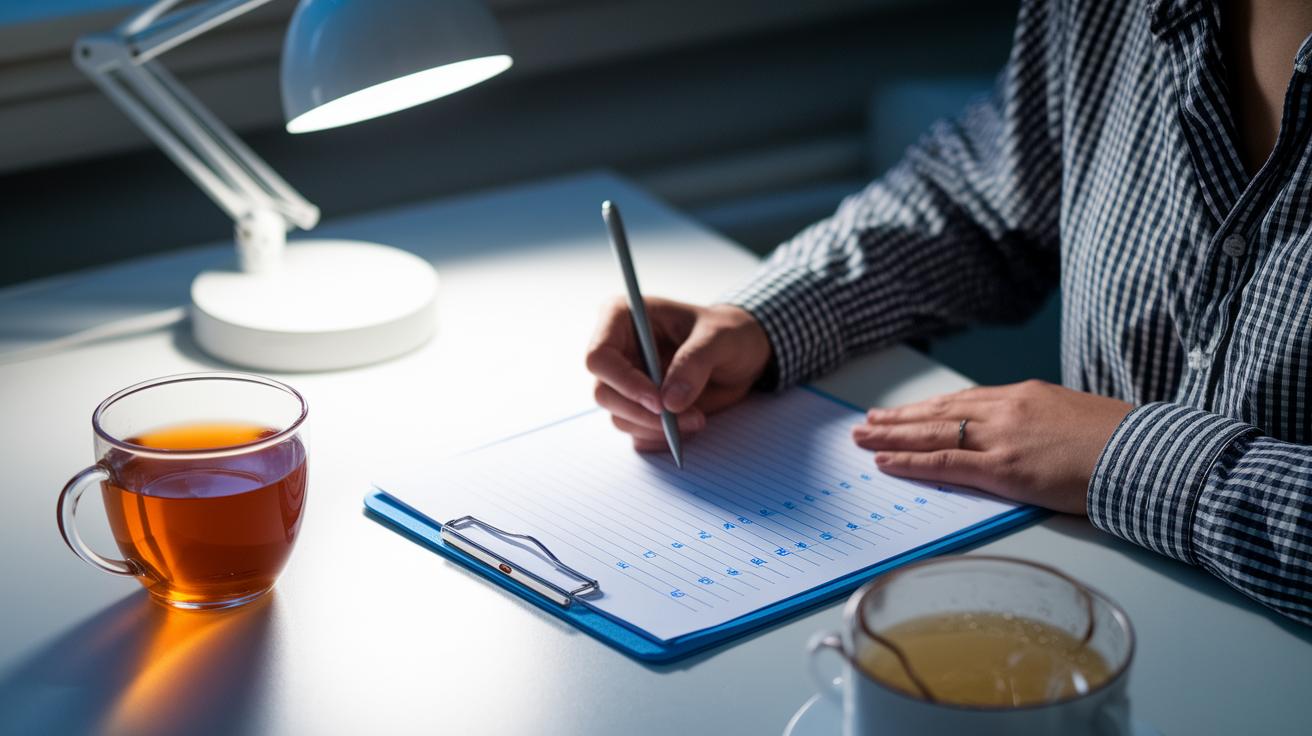
When you design your own plan, you're blending simple techniques that work together to calm your worries. Think of it like putting together a handy toolkit with deep breaths, balanced meals, light movement, and peaceful thinking. Each part helps keep your mind and body in sync. Start with a few natural steps and add more as you feel ready.
Next, try to build a steady sleep routine to ease your anxiety. Make a small checklist of good sleep habits, like setting the same bedtime and unwinding with a cozy routine. You might dim the lights, read a good book, or enjoy a warm herbal drink to signal it's time for rest. Adding a calming snack or a gentle supplement might also help your body relax for the night.
Finally, keep track of how these changes make you feel. Write down little wins, such as feeling a bit more relaxed after your bedtime routine or noticing better sleep. This way, you can adjust your plan as needed to find the right mix for a more peaceful mind.
Final Words
In the action, this article showcased simple breathing methods, mindful movement, and balanced nutrition tips for easing stress. It offered practical workout ideas, nutritious meal planning, and cognitive techniques that support daily calm. Each section delivered clear steps designed for sustained anxiety relief and overall well-being.
Try integrating these exercises, diet recommendations, and relaxation strategies into your routine. Your small changes can create lasting benefits and help you feel better both inside and out.
FAQ
What are some effective anxiety relief products?
The inquiry about anxiety relief products points to items like stress balls, essential oil rollers, and fidget tools that offer immediate sensory distraction to help shift focus during high-stress moments.
How can I calm my anxiety immediately, including during an attack?
The question on calming anxiety immediately highlights practices like deep breathing (e.g., square breathing), progressive muscle relaxation, and mindful grounding to slow your heartbeat, ease tension, and quiet racing thoughts.
How do I stop anxious thoughts?
The question about stopping anxious thoughts suggests using grounding techniques, such as focusing on what you see, hear, or feel, which helps shift attention away from spiraling worries.
What foods reduce anxiety fast?
The query regarding foods that reduce anxiety fast points to balanced choices like salmon, chamomile tea, dark chocolate, whole grains, and nuts, which provide nutrients that help stabilize mood and ease stress.
How can I deal with anxiety when I’m alone?
The question on managing anxiety when alone recommends simple mindful breathing and grounding practices, or even reaching out for remote support, to reduce stress and maintain calm.
What are common anxiety symptoms?
The inquiry about anxiety symptoms covers signs such as persistent worry, racing thoughts, disrupted sleep, and muscle tension, which indicate the need for stress-reduction practices.
How can I reduce anxiety naturally?
The question regarding natural anxiety reduction emphasizes methods like mindful breathing, regular physical activities, balanced nutrition, and cognitive techniques that work together to soothe the mind without pharmaceuticals.
What does the 3 3 3 rule for anxiety mean?
The query about the 3 3 3 rule explains that naming three things you see, three things you hear, and three things you feel acts as a grounding exercise that brings your attention to the present moment.
How can I reduce stress and manage anxiety effectively?
The question on reducing stress and anxiety effectively involves combining regular physical activities, mindfulness practices, balanced meals, and self-assessment to lower stress levels and maintain mental clarity.
Why might my anxiety feel so overwhelming?
The inquiry into overwhelming anxiety suggests that factors like recurring stress, poor sleep, or hormonal imbalances can intensify symptoms, indicating the need to identify triggers and use calming strategies or seek professional support.