Have you ever thought about switching to natural, unprocessed foods? They bring simple, real nutrition straight from nature, with every bite filled with fresh fruits, crisp veggies, whole grains, hearty legumes, lean proteins, and tasty nuts.
In this article, we’ll share clear examples and simple tips that show how whole foods can boost your energy and support a balanced lifestyle. Ready to discover just how refreshing and easy healthy eating can be?
What Are Whole Foods? Core Whole Foods Examples and Definition
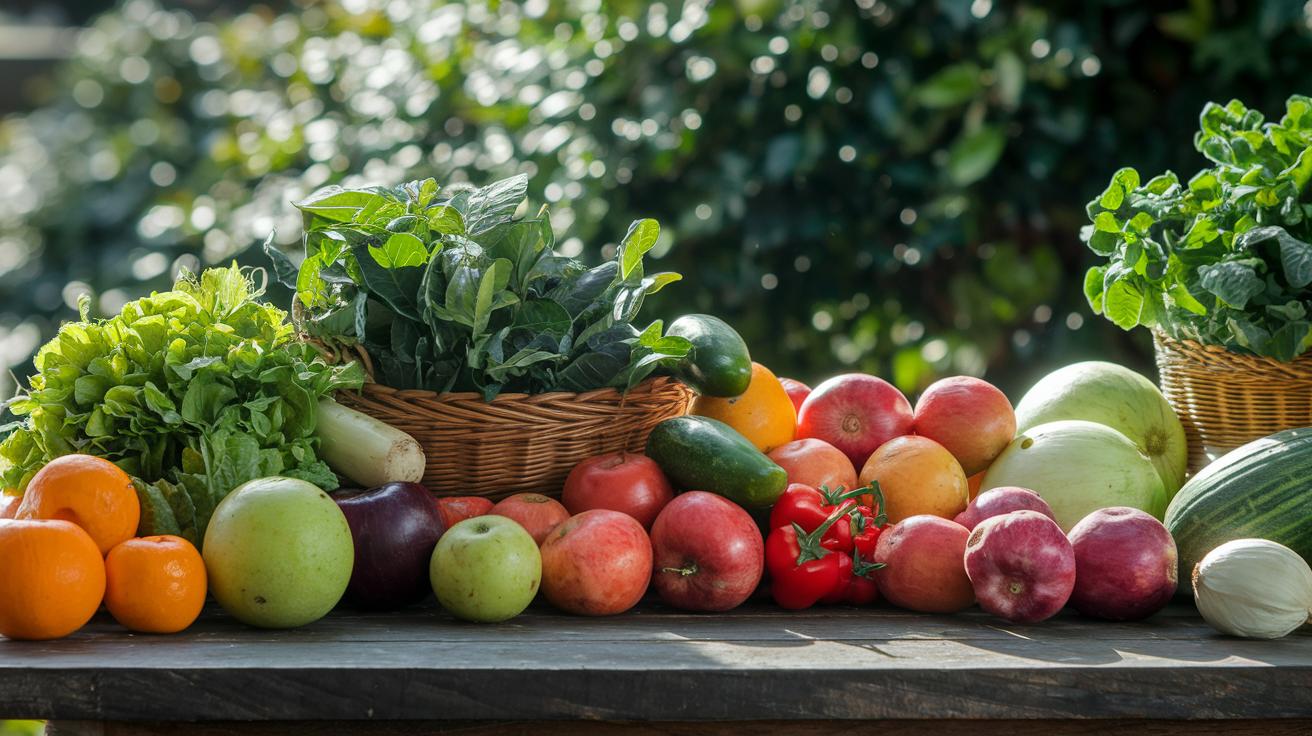
Whole foods are simply natural foods that come straight from nature without much processing. They include fresh fruits, vegetables, whole grains like brown rice or quinoa, legumes such as lentils and chickpeas, lean proteins, some dairy products, and even nuts and seeds. These foods are loaded with good stuff like vitamins, minerals, fiber, and phytonutrients (natural compounds found in plants that help keep you healthy).
Eating whole foods is a smart choice if you want to cut back on added sugars, salt, unhealthy fats, and artificial additives that are common in heavily processed foods. The natural nutrients and fiber in these foods can help keep your energy steady and support your overall health throughout the day.
| Category | Example 1 | Example 2 | Example 3 |
|---|---|---|---|
| Fruits | Apple | Banana | Orange |
| Vegetables | Spinach | Broccoli | Carrot |
| Whole Grains | Brown Rice | Quinoa | Barley |
| Legumes | Lentils | Chickpeas | Black Beans |
| Nuts & Seeds | Almonds | Walnuts | Chia Seeds |
| Lean Proteins | Chicken Breast | Salmon | Eggs |
When you compare whole foods to ultra-processed items, the difference is clear. Whole foods are packed with real nutrients, while processed foods often have long, complicated ingredients that don't do much for your health. Choosing foods in their natural form can help you feel more energetic and support a balanced, wholesome lifestyle.
Whole Foods Examples: Fresh Fruits and Vegetables
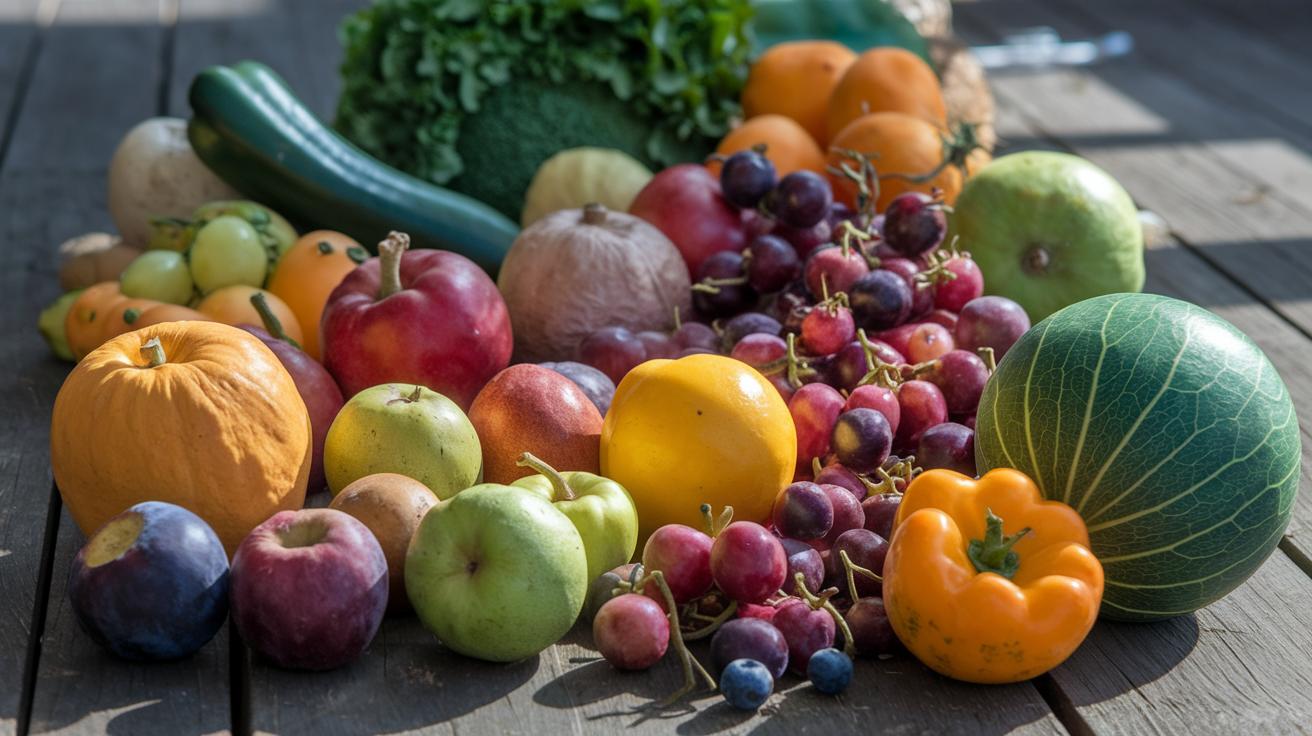
Fresh fruits and vegetables sit at the very heart of a whole-foods diet. They pack a punch with vitamins like A, C, and K and give you minerals such as potassium and magnesium (that helps keep your muscles and nerves in good shape). They also offer a natural dose of fiber, which keeps your gut happy and can even help fight off some everyday bugs. Fun fact: a cup of blueberries brings you as many antioxidants as a larger serving of many other fruits!
-
Fresh Fruit Examples:
- Apple
- Banana
- Orange
- Strawberry
- Blueberry
- Mango
- Pineapple
- Kiwi
- Grapes
- Papaya
-
Vegetable Examples:
- Spinach
- Broccoli
- Carrot
- Kale
- Bell Pepper
- Cauliflower
- Tomato
- Cucumber
- Zucchini
- Beet
Choosing fruits and veggies that are in season means you’re getting them when they taste their best and are packed with nutrients. Not only do these fresh foods brighten up your plate, but they also bring essential benefits to your everyday meals.
Examples of Whole Grain Foods: Spark Healthy Living
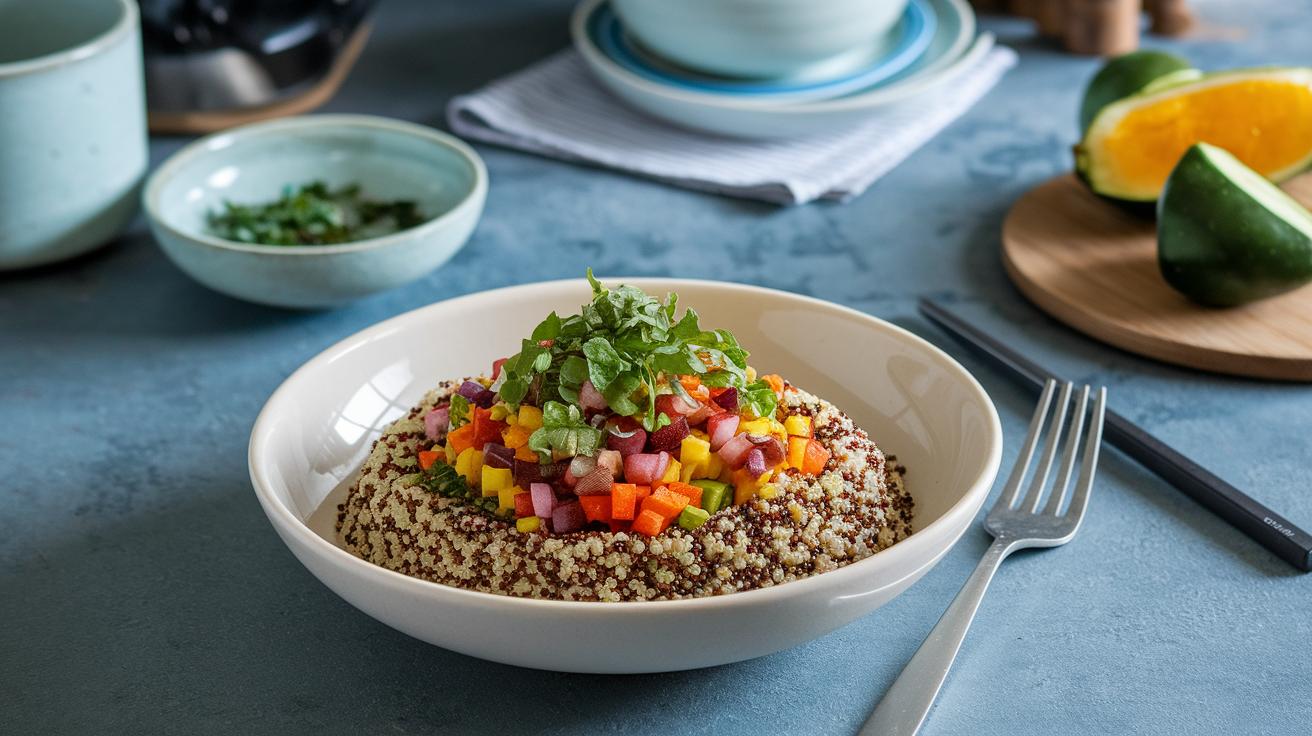
Whole grains are foods that keep all of their natural parts, the bran, germ, and endosperm. This means they’re pretty close to how nature made them. Because they’re not overly processed, they still pack the fiber, vitamins, and minerals your body needs. These nutrients help with making energy and repairing cells, giving your body a natural boost.
Eating whole grains can do wonders for your health. They provide important B vitamins, iron, and magnesium (that’s the nutrient that helps your body relax and keep a steady energy flow). The fiber found in whole grains aids digestion and helps keep blood sugar levels steady. Plus, studies have shown that making whole grains a part of your diet might lower the risk of heart disease and support better digestion. It’s an easy step toward a balanced diet.
Adding whole grains to your daily meals is super simple. Think about swapping out white rice or white flour for options like brown rice, quinoa, oats, barley, farro, or millet. These grains bring a satisfying texture and hearty flavor to any dish, making every meal a chance to enjoy both great taste and good health.
Whole Foods Examples: Plant-Based Proteins and Legumes
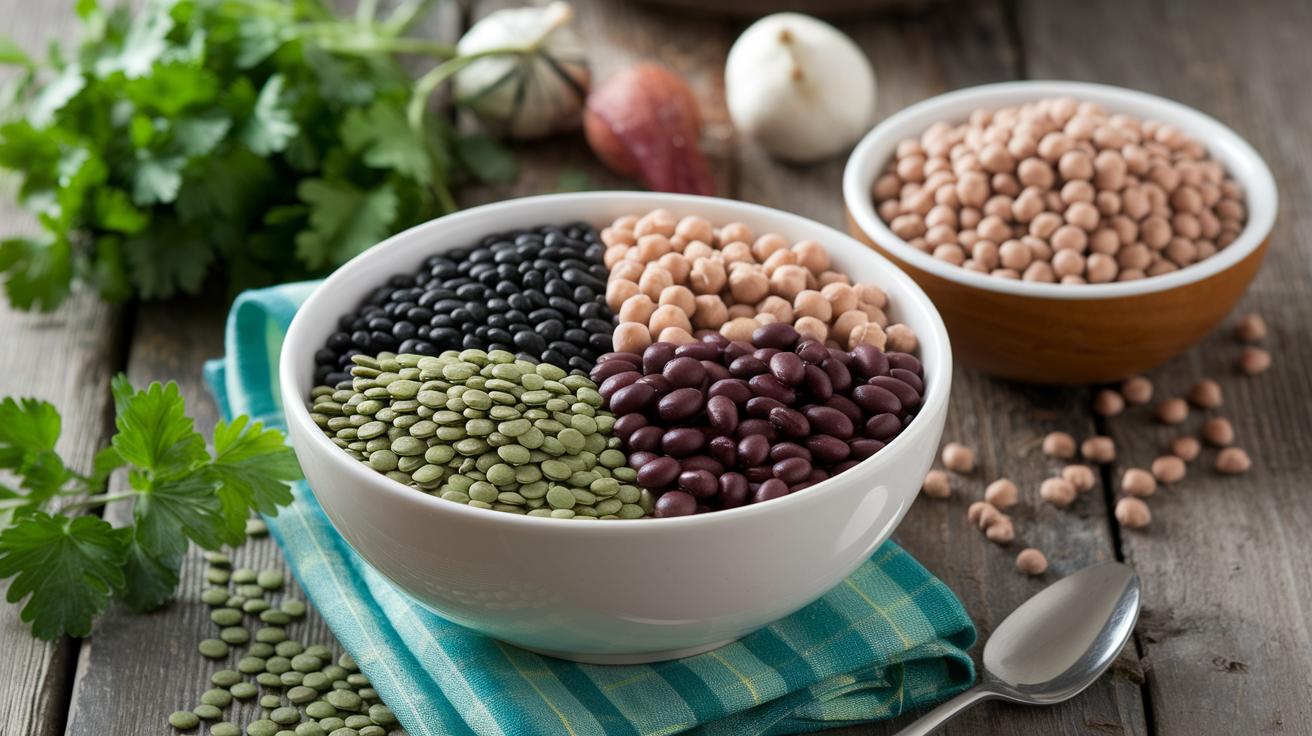
Legumes like lentils, chickpeas, black beans, and edamame are excellent ways to add plant protein to your meals. They bring more than just taste; they offer protein, fiber, iron, and folate (a key nutrient that keeps your muscles strong and your energy up). Lentils give a warm, earthy flavor to stews. Chickpeas are great in salads or blended into a smooth, creamy hummus. Plus, black beans and edamame add a hearty texture while helping to keep blood sugar levels steady, making them a simple, nutritious choice for everyday meals.
Nuts and seeds such as almonds, walnuts, chia, and flax boost your plant-based dishes even more. They provide healthy fats, extra protein, and important vitamins and minerals. They add a satisfying crunch or a gentle thickness to recipes, making vegetarian and vegan meals even more delightful. Picture sprinkling walnuts over your greens or stirring a bit of chia into your smoothie, it's a tasty way to support heart health and overall well-being every day.
Whole Foods Examples: Lean Animal Proteins and Dairy

Skinless chicken, turkey, salmon, tuna, and eggs are great choices when you want lean protein. They give your body complete protein, which means they offer all the building blocks (amino acids) your muscles need to repair and grow. Imagine starting your day with a perfectly cooked egg, it not only tastes good but also delivers a boost of B vitamins that help turn your food into energy. When you pick lean meats, you’re getting top-quality protein along with vital nutrients for muscle repair, without the extra fats that come with processed options.
Plain dairy options like unflavored yogurt, milk, and certain cheeses are also a wise choice. They pack in calcium, vitamin D, and additional protein to keep your bones strong and healthy. It really helps to check labels and pick products with just a few simple ingredients, free from added sugars or preservatives. For example, plain yogurt that says “milk” and “live active cultures” on the label is an ideal pick. This simple approach keeps your dairy choices as natural as possible and fits well with a balanced diet of whole foods.
Health Benefits of Whole Foods Examples
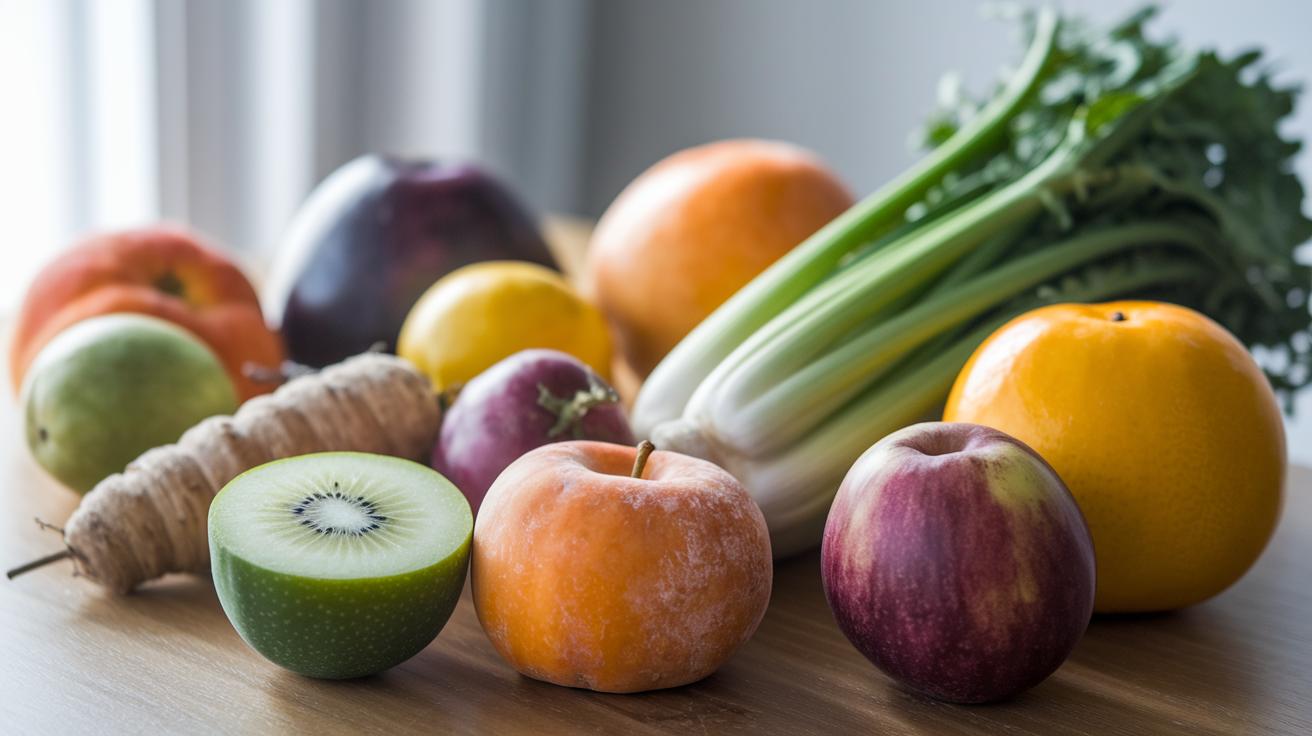
Whole foods offer real health perks that go beyond the usual benefits. Research shows that eating foods close to nature helps your tummy work well, gives you steady energy, and makes it easier for your body to take in nutrients. For example, eating more fiber-rich foods supports the good gut bugs that help you digest better.
Recent studies show clear differences between whole foods and processed choices. One study found that people who stick to natural foods enjoy a lower risk of long-term issues like diabetes and heart disease compared to those eating more processed items. Another study revealed that whole foods keep you feeling full longer, which might help with controlling your weight. Experts also note that the vitamins and minerals in whole foods not only boost your immune system but also have a milder impact on our environment.
Whole Foods Examples: Spark Healthy Living
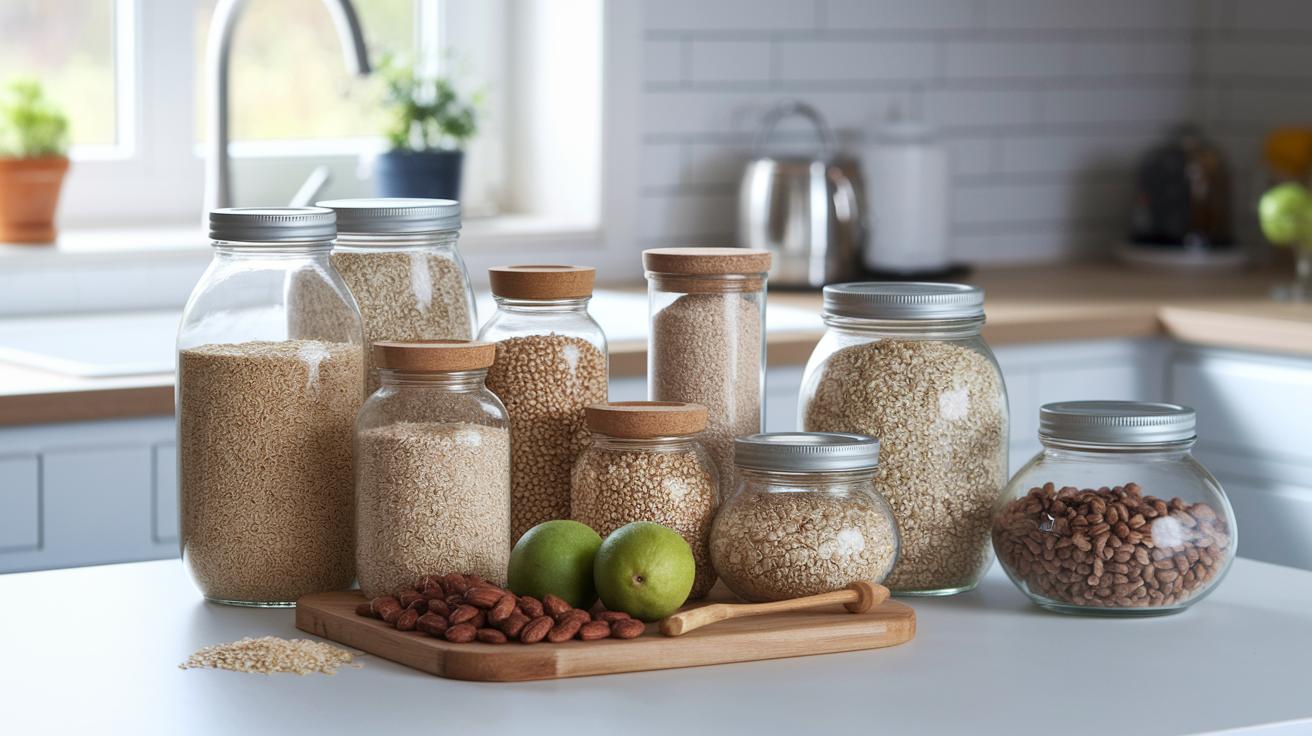
Turn your kitchen into a center for healthy eating by stocking it with whole ingredients. Fill your pantry with brown rice, quinoa, oats, dried beans, nuts, and seeds that can be used in many meals.
Plan your menu around these wholesome foods so that each dish is naturally nutritious. Instead of white rice or processed flours, choose genuine brown rice or old-fashioned oats that keep meals hearty and real.
Get a head start by chopping fresh fruits and vegetables into bite-sized pieces. That way, when hunger hits, you have a healthy snack ready to go.
Try cooking one new plant-based meal each week. It’s a fun way to explore different tastes nature has to offer while boosting your cooking skills.
Keep your meals simple by choosing plain dairy products and unseasoned proteins. This lets the true flavor of each ingredient shine through.
Use easy cooking methods like slow cooking or light sautéing. These techniques help keep natural textures and vitamins intact without needing many extras.
When you shop, focus on unprocessed staples. Each visit to the market can reinforce your commitment to healthy, whole foods.
Make little changes, like grabbing a handful of nuts instead of a processed snack or swapping a sugary drink for freshly squeezed juice.
These simple habits not only make meal prep easier but also fill your body with nutritious, naturally delicious foods that support a healthy lifestyle all day long.
Final Words
in the action, we've explored simple ways to enjoy natural foods, from crisp fruits and veggies to hearty grains, plant proteins, and lean animal options. Each section shared clear steps to boost energy and support a balanced life. We discussed their benefits and offered helpful tips for creating a wholesome meal plan. Turning everyday meals into whole foods examples can boost your fitness and mood so you can feel great every single day. Keep embracing fresh choices and savor every bite!
FAQ
What is included in a whole foods list and what are some examples?
The whole foods list includes fruits, vegetables, whole grains, legumes, lean proteins, and unprocessed dairy. Examples are apples, carrots, brown rice, lentils, chicken, and plain yogurt.
How can beginners start whole food eating?
The whole food eating approach for beginners means choosing foods in or close to their natural state—like fresh produce, whole grains, and lean proteins—to build a balanced, nourishing meal plan.
Are cheese and yogurt considered whole foods?
The cheese and yogurt question answers that unprocessed dairy, such as plain yogurt or minimally processed cheese without additives, is considered a whole food that provides natural vitamins and minerals.
What whole foods are good for weight loss and what are examples of whole food meals?
Whole foods for weight loss include fiber-rich fruits, vegetables, whole grains, and lean proteins. Meals like a salad with grilled chicken and quinoa support satiety and steady energy levels.
Is meat, such as chicken, categorized as a whole food?
When meat like chicken is unprocessed and free from additives, it is considered a whole food that supplies lean protein and essential nutrients without extra ingredients.
What foods are not considered whole foods?
Foods that are not whole foods typically undergo heavy processing and contain added sugars, salt, and artificial ingredients. These include refined grains, sugary snacks, and processed meats.