Ever wonder if your food choices could be affecting your mood and energy levels? Foods that support gut health can really help you feel happier and more comfortable day to day. They work together, like a friendly team, to keep your digestion smooth and help your body soak up nutrients. When your gut is balanced, you might notice fewer tummy aches, a better night’s sleep, and even clearer skin. In short, small changes to your diet can lead to big improvements in how you feel, making every meal a step toward a healthier you.
Understanding Gut Health Foods and Their Role
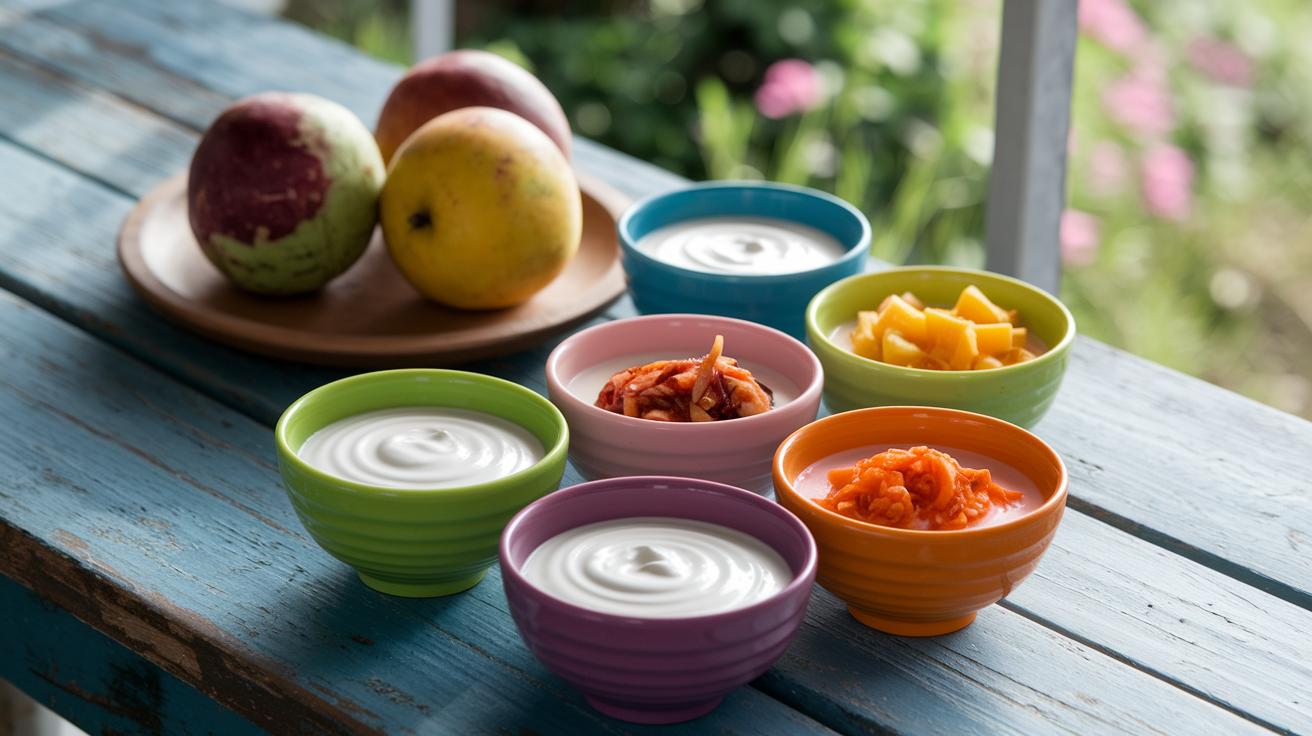
Your gut is home to a bustling community of tiny creatures, about 200 different species of bacteria, viruses, and fungi. They work together like a little team, breaking down food, soaking up nutrients, and even helping your immune system stay strong. When these helpful microbes lose their balance, it can change everything from your mood to how well you digest your meals.
If your gut isn't feeling its best, you might notice an upset stomach, unexpected weight changes, or trouble sleeping that leaves you tired all day. Some people even see skin flare-ups or feel the effects of unusual food intolerances. These signs can be little hints that your digestive health is out of whack.
The good news is that you can help bring your gut back into balance by eating foods that boost its health. Foods rich in probiotics (the good bacteria), fiber (the plant parts that help keep your digestion moving), and fermented ingredients work together to create a happy, diverse gut community. Try adding plenty of fruits, vegetables, whole grains, yogurt, kefir, and even fermented treats like kimchi to your meals. Your gut, and your body, will thank you.
Fermented Gut Health Foods and Probiotic Benefits
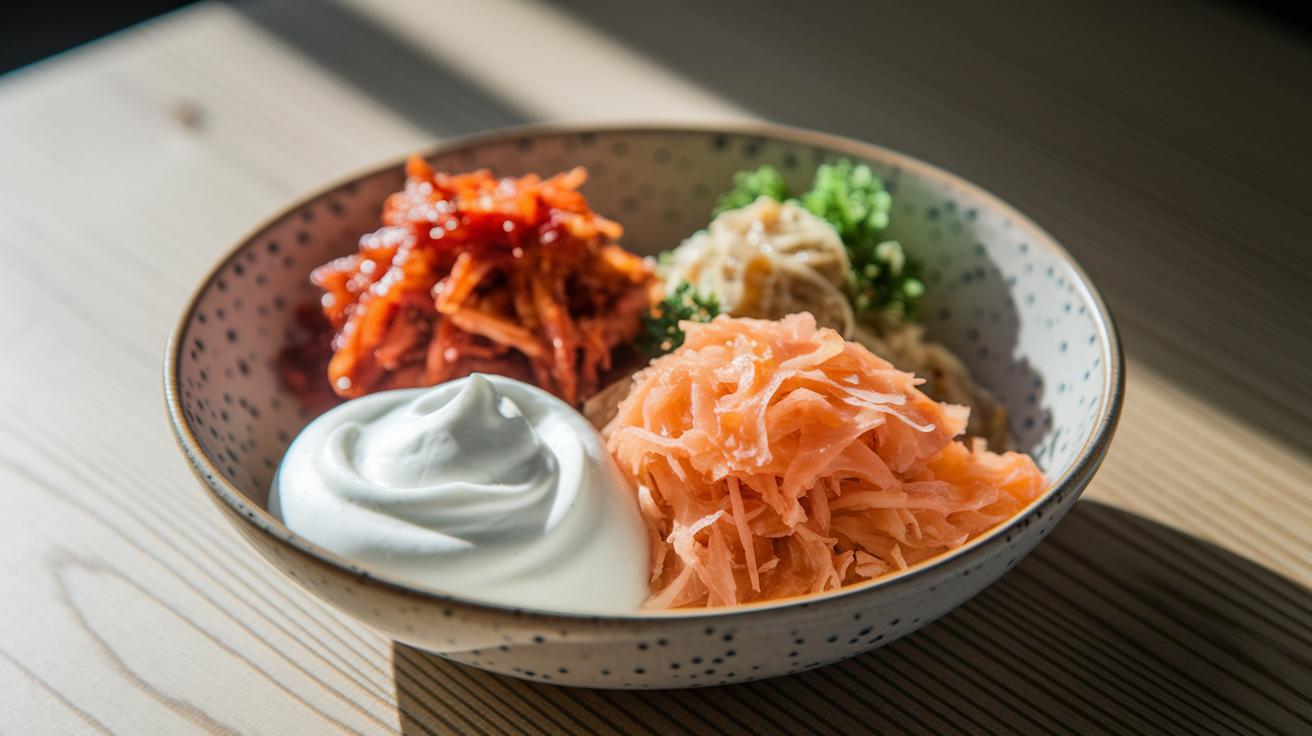
Fermentation is a natural process that changes foods using helpful bacteria, yeast, or mold. This process adds live cultures that support a variety of good bacteria in your gut and help make digestion easier.
Probiotic foods deliver these live cultures straight to your belly. They fill your system with friendly microbes that keep things balanced and protected. Research, including a 2019 study that looked at garlic and gut diversity, shows these live cultures can truly make a difference, even if the long-term changes vary from one person to another.
- Yogurt: It brings live bacteria that help with digestion and maintaining a healthy gut balance.
- Kefir: A drink loaded with mixed probiotics that can boost nutrient absorption.
- Sauerkraut: Fermented cabbage with a tangy flavor that introduces healthful bacteria.
- Kimchi: A spicy mix of veggies that offers natural probiotics for gut support.
- Miso: A savory soybean paste that packs a flavorful punch along with beneficial microbes.
- Tempeh: A protein-rich, fermented soy product known for aiding digestion.
- Kvass: A fermented drink that refreshes your palate and supports microbial health.
When you pick fermented foods, take a look at the ingredient labels for live and active cultures. This usually means the food still has those crucial beneficial microorganisms. Try to choose non-pasteurized options when you can because pasteurizing often kills the good bacteria. The tangy taste and fresh aroma are simple clues that the fermentation worked well and you’re getting a dose of supportive probiotics.
Fiber-Packed Foods to Fuel Gut Microbiome
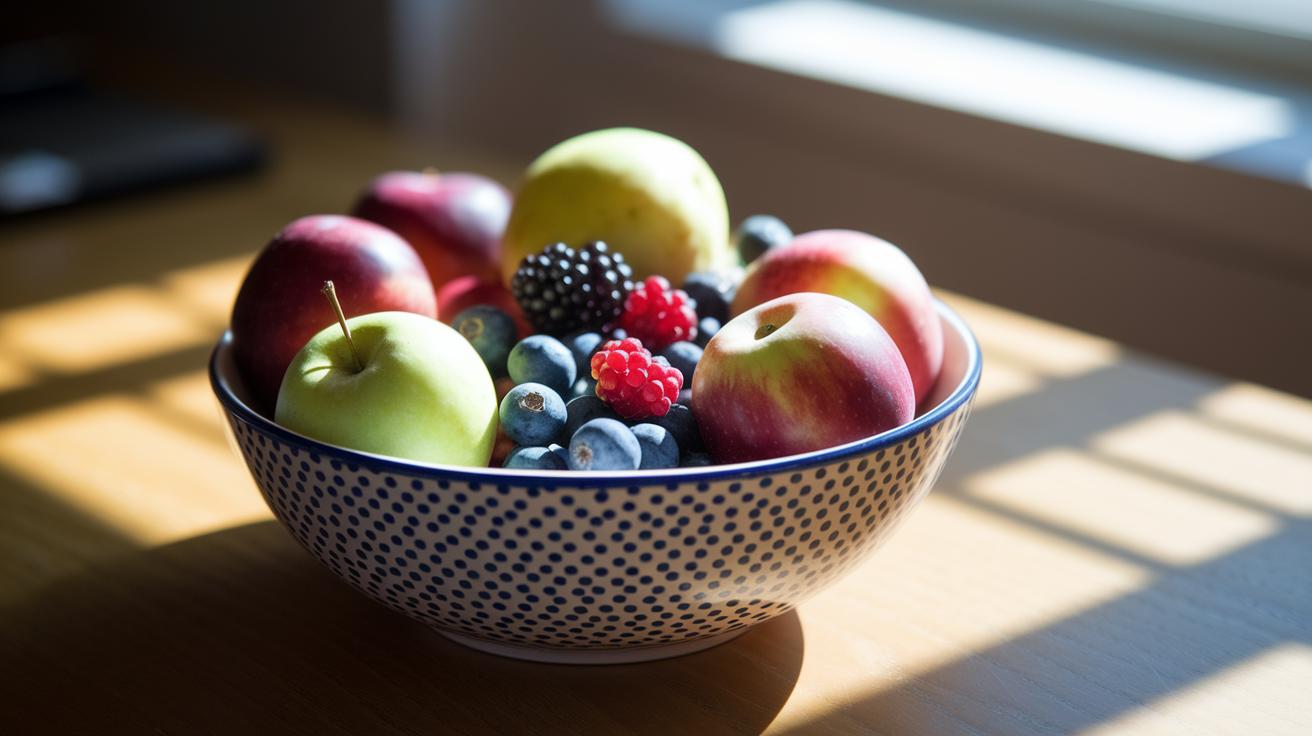
Fiber from plants is a true friend to our stomachs. It comes in different forms that help our body in its own special ways. For example, soluble fiber mixes with water and turns into a gentle gel. This helps slow down digestion and keeps our blood sugar on track. On the other hand, insoluble fiber adds bulk to our stool to keep us regular. Then there are fibers like resistant starch and inulin, which work like snacks for the good bacteria in our gut. They pass through most of the small intestine and reach the colon, helping to sustain these helpful bugs that turn our food into valuable nutrients.
Whole grains like oats and barley are solid choices that pack plenty of fiber along with important vitamins and minerals. Legumes such as lentils and chickpeas not only give you plant protein but also feed those good gut microbes. Leafy greens like kale and spinach bring extra vitamins and fiber, too, which keeps your tummy smiling. And don’t forget fruits like berries and apples, they add natural sweetness and a boost of fiber to support smooth digestion. Eating these foods often can help manage blood sugar, reduce the risk of feeling overweight, and strengthen your overall gut health.
Prebiotic and Enzyme-Rich Gut Health Foods
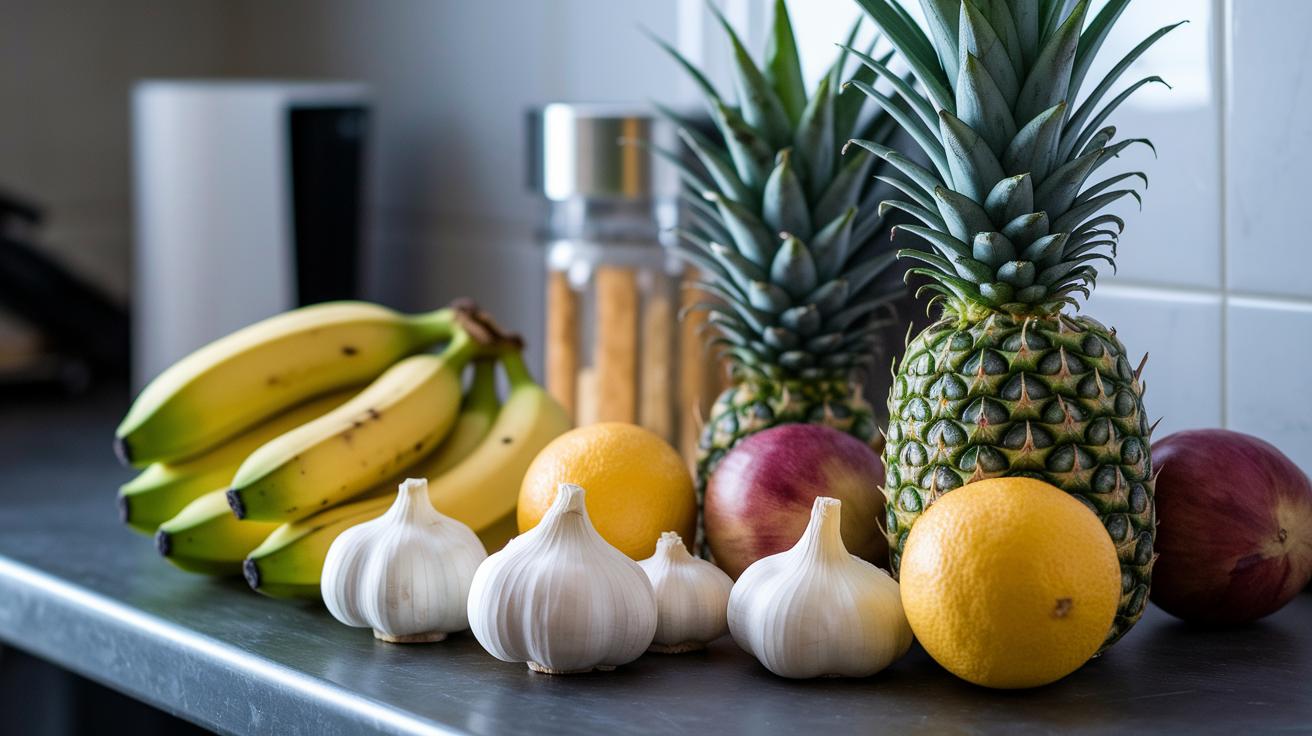
Prebiotics are fibers that your body can’t digest, but they sure know how to help your gut's good bacteria. Foods like onions, garlic, asparagus, and bananas pack in these natural fibers. Think of them as little snacks for the friendly bugs living in your stomach, they help keep your digestion on track and make sure your body gets all the nutrients it needs.
Enzyme-rich foods act like little helpers, breaking down proteins and easing any bloating you might feel. Pineapple offers bromelain, papaya brings papain, and ginger is known to calm your tummy. Try adding these ingredients into your meals or nibble on them as a light treat after eating. A good mix of these foods with proper hydration and simple steps to handle stress goes a long way in keeping your digestion smooth and your gut happy.
Practical Integration of Gut Health Foods in Meals
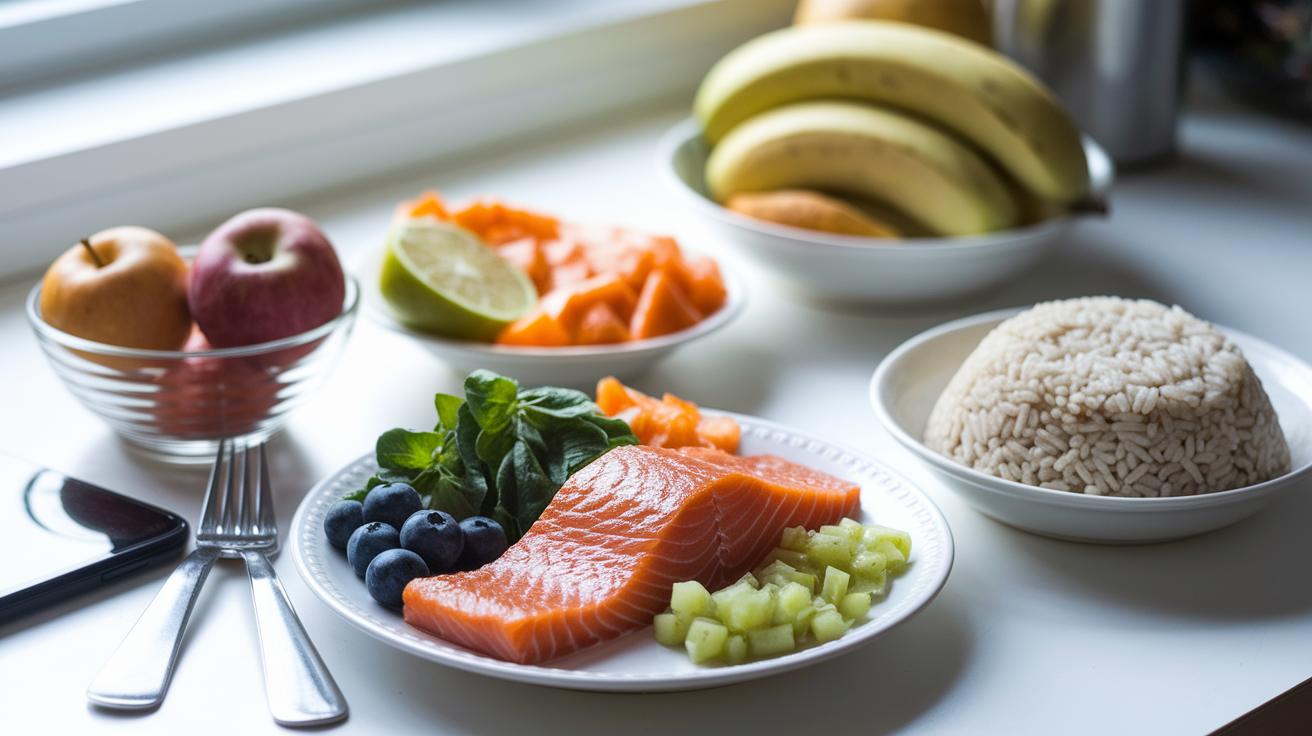
Meal planning for a happy tummy is really about mixing different foods and keeping a good balance. You want to include foods that help your gut along with fresh fruits, vegetables, whole grains, and even fermented items. Small changes can make a big difference in enjoying the benefits of gut-friendly foods every day.
Try a recipe like Miso Salmon served with 1 cup of brown basmati rice. It brings together rich, savory flavors, protein, and whole grains. Or, whip up a Kefir Smoothie Bowl using 1 cup of low-fat blueberry kefir, fresh fruits, and just a bit of honey for a smooth, refreshing breakfast. Another idea is a Pea Pasta Sauce with 3 cloves of thinly sliced garlic tossed with whole grain pasta for a light yet satisfying meal.
Planning your meals for the week can help keep your gut in good shape. Set aside time to plan and portion meals that include small fermented snacks, fiber-rich breakfasts, and enzyme-boosting smoothies. Mix it up with seasonal produce, enjoy a warm cup of bone broth, or blend a ginger-turmeric drink that calms the stomach. Keep trying new recipes and make sure your pantry is filled with the staples you need for a gut-friendly diet.
Final Words
In the action, we explored key ways to support your gut health with everyday foods. We covered how the balance of probiotics, fiber-packed meals, and enzyme-boosting ingredients work together to keep your digestive system comfortable. The post broke down gut health foods and shared ideas to easily add them into daily meals. Embracing these practical tips not only boosts your digestion but supports overall well-being. Enjoy the steps ahead with a smile, knowing each small change brings you closer to a healthier, happier you.
FAQ
What are gut health supplements?
The gut health supplements refer to products designed to support a balanced microbiome by delivering probiotics, fibers, and enzymes that help keep your digestion running smoothly.
What are the worst foods for gut health?
The worst foods for gut health typically include processed sugars, unhealthy fats, and low-fiber items that can disrupt your natural gut balance and potentially lead to discomfort and inflammation.
What are the top foods for gut health?
The top foods for gut health include fiber-rich fruits, vegetables, whole grains, probiotic-rich yogurt, and fermented items. These foods support beneficial bacteria and aid smooth, regular digestion.
How can I improve gut health naturally?
The method to improve gut health naturally involves eating a mix of fiber, probiotic, and fermented foods while staying hydrated and reducing stress to nurture a diverse and balanced microbiome.
How do I keep my stomach healthy and clean?
The approach to keeping your stomach healthy and clean focuses on hydration, slow eating practices, and incorporating prebiotic, probiotic, and fiber-rich foods that promote smooth digestion and overall wellness.
What should I drink after a meal to help digestion?
The suggestion for a post-meal drink often includes warm water with a squeeze of lemon or a gentle herbal tea like peppermint, which can soothe your stomach and assist digestion.
Which foods heal gut inflammation?
The foods that heal gut inflammation often consist of fiber-packed fruits, vegetables, and fermented options rich in probiotics that help ease irritation and support a balanced gut environment.
What is a 7 day gut reset?
The 7-day gut reset is a short-term plan that focuses on consuming clean, whole foods along with prebiotics and probiotics to refresh your gut microbiome and ease digestive discomfort.
How can I fix my gut health fast?
The way to fix your gut health fast is by adopting a nutrient-rich diet filled with fermented and fiber-rich foods, staying well-hydrated, and avoiding overly processed meals to support quick digestive improvements.
What are the super six gut foods?
The super six gut foods typically refer to favorites like yogurt, kefir, sauerkraut, kimchi, kombucha, and miso, which provide abundant live cultures that nourish your gut microbiome.