Have you ever thought you couldn’t do HIIT when you're injured? It might surprise you to learn that a few small changes can keep your heart pumping while protecting your joints.
Try swapping jumping jacks for power jacks or replacing burpees with a gentle step-back move. Recent studies tell us that short bursts of low-impact HIIT can boost your fitness almost as much as the longer, tougher sessions.
In this guide, you'll discover easy tweaks that work with your body as it heals. Stay strong, feel safe, and learn how to adjust your workout to keep that great feeling of well-being.
Adaptive HIIT Modifications for Safe Injury Recovery

Many standard HIIT routines include moves like jump squats and plyo lunges that can put too much stress on healing joints. These high-impact exercises might worsen pain and slow down your recovery. Tweaking your workout can help ease joint stress, making your session much safer.
Recent research shows that just 15 to 20 minutes of low-impact HIIT can boost your endurance and fitness almost as well as 45 minutes of regular cardio. This means you can keep strong and stay fit while giving your joints the care they need.
Here are some easier moves you might try:
- Instead of jumping jacks, use power jacks, which are gentler on your joints.
- Swap out burpees for step-back burpees that skip the jump.
- Choose stationary bike sprints over outdoor running.
- Try glute bridges instead of jump squats.
- Replace mountain climbers with slow-plank knee drives.
Listen to your body during these modified workouts. If you feel pain or more discomfort, stop, check your form, and take it down a notch. It’s always a good idea to talk with a professional before changing things up further. Everyone reacts differently, so paying attention to your own signals and moving gradually will help keep your workouts safe and effective.
Injury-Specific HIIT Adaptations to Avoid Aggravation
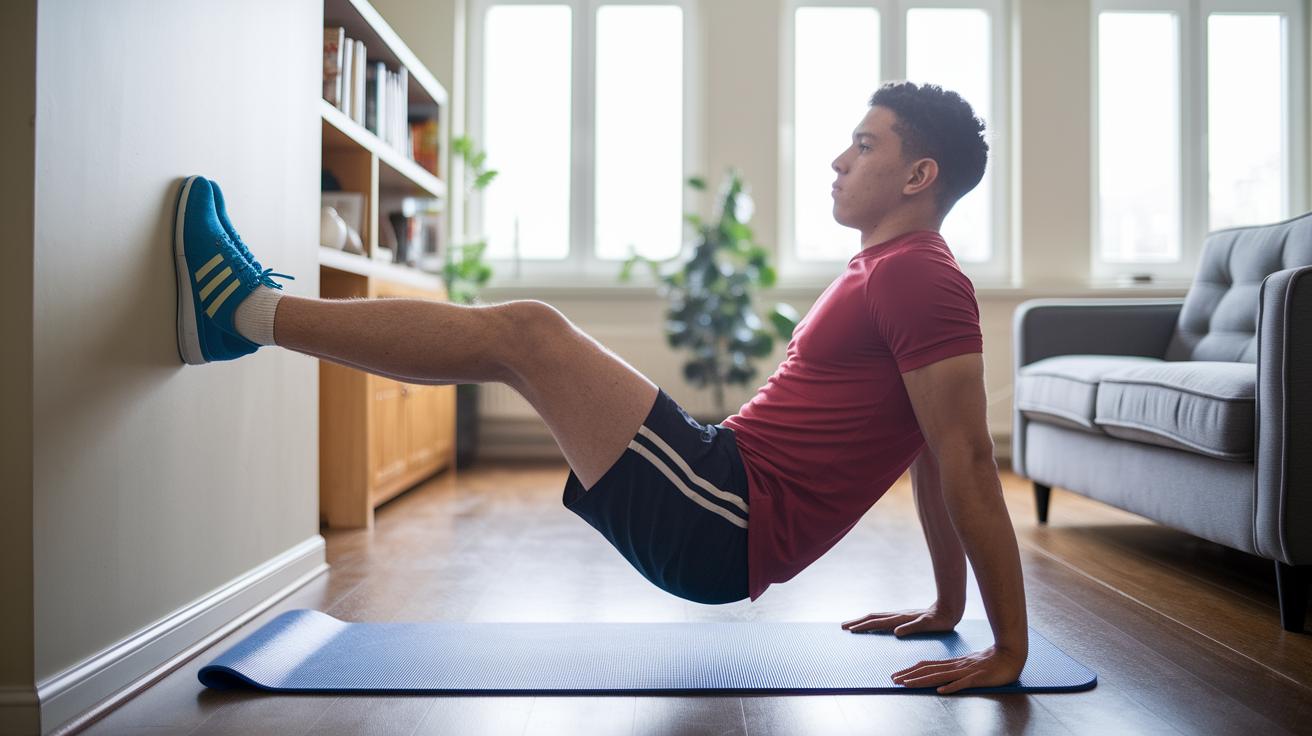
Knee Injury HIIT Adjustments
If your knees are feeling tender, it's best to skip high-impact moves like deep lunges and jump squats. Try gentle alternatives like wall sits, light seated cycling, and short-range step-ups. These moves help build strength while being kind to your knees. For instance, place one foot on a low step, push up slowly, and lower back with control.
Shoulder Injury HIIT Adjustments
When your shoulders hurt, avoid exercises that push you overhead or put pressure on your arms during planks. Instead, focus on lower-body bursts such as moderate intervals on a stationary bike and core exercises like hollow-body holds. This way, you work your heart rate without putting extra stress on your shoulders.
Lower Back Injury HIIT Adjustments
If your lower back is giving you trouble, steer clear of moves such as Russian twists or full-range back extensions that strain that area. You can use alternatives like bird-dogs, gentle supine march intervals, and hip bridges at a soft pace. This approach helps activate your glutes while easing the load off your lower back.
Designing Rehabilitative Cardio Circuits with Controlled Pace

Designing a rehab cardio circuit means setting a gentle pace that looks after your joints while steadily boosting your fitness. The plan is simple: do three rounds of four different exercises with set time intervals. You work for 30 seconds on an exercise and then take a 60-second break. This careful timing helps you move safely while giving your heart a nice, steady boost. Plus, the extra rest makes it a great option if you're recovering from an injury.
Before you dive in, take a few minutes to warm up with some light stretches like arm circles and leg swings. This simple routine wakes up your muscles and joints, setting the stage for a safe and effective workout.
| Exercise | Duration | Intensity | Rest |
|---|---|---|---|
| Squat-to-Overhead Reach | 30s | Moderate | 60s |
| Plank Toe Taps | 30s | Low | 60s |
| Glute Bridges | 30s | Low-Mod | 60s |
| Power Jacks | 30s | Moderate | 60s |
Always listen to your body. If you feel any discomfort or extra soreness, try starting with just two rounds instead of three and take a few extra seconds to rest. As you get stronger and feel better, you can slowly add more rounds or shorten the rest time a bit. Keep checking in with yourself to make sure each workout leaves you feeling healthier and happier.
Progressive Intensity Variations for Healing-Centric Performance

Start with a 15-minute session. Use this time to feel how your body responds. Check your heartbeat, breathing, and notice any slight aches. This simple test helps you understand your starting point before trying new changes.
Then, try a micro-progression method by making small adjustments each week. Each week, add about 5–10 seconds to your activity time, and every two weeks, shrink your rest time by 5 seconds. Keep an eye on how your muscles and joints feel. Jotting down your daily soreness can really help you adjust the routine in a kind and careful way.
If your pain climbs above 4 out of 10 and sticks around for more than 48 hours, pause your progress. This break helps you stay on track and avoids setbacks in your healing journey.
Integrating Physical Therapy Principles into HIIT Routines

Adding physical therapy to your HIIT routine can help make your workouts safer and more effective. Renowned physiotherapist Jason Bellefleur recommends mixing one-on-one physical therapy sessions with HIIT training, so you build strength and give your body the care it deserves. This method lets you enjoy expert help while still getting a powerful, fun workout.
Start your session with gentle joint warm-ups to get your body ready for action. Try a cat-cow stretch to loosen your back, breathe in as you arch and breathe out as you round your back. Then, do ankle circles to wake up your lower joints, and add dynamic moves like leg swings to get your muscles active. A few muscle-activation exercises, such as glute squeezes or mini band walks, will help prime your body for the workout. These simple steps guide you to a safe and balanced HIIT session.
After your workout, take a few minutes to cool down. Use foam rolling to ease muscle tightness and follow it up with static stretching to relax your warmed muscles. A brief routine of easy exercises like controlled arm swings or gentle balance drills can help reset your movement patterns. This cool-down process reduces soreness and supports a smooth recovery.
Monitoring and Assessment Strategies for Post-Setback Fitness

Keep a simple pain log during your workouts by rating your discomfort from 0 to 10. If you notice your pain climbing above 4, that means it might be time to slow down, take a break, or switch to something gentler. Writing down these numbers each session helps you notice patterns so you can avoid overdoing it and risking more pain.
Using a heart rate monitor alongside a simple scale of perceived effort gives you two helpful tools. Your heart rate shows you if you're staying in a safe zone, while a 1-to-10 scale lets you tell how hard you feel you’re working. This duo of checks makes it easier to adjust your session on the spot and keep moving towards your goals without pushing too far.
Before and after your workout, take a few moments to check how well you move. If you feel extra stiffness or see that your range of motion is limited, it might be smart to tweak your exercises. And if those changes stick around or worsen, talking with a professional can help keep your progress on track.
Nutritional and Recovery Strategies Coupled with Modified HIIT

Getting your protein intake right around your workout is key to helping your muscles repair and grow. Try to have about 1.2 to 1.7 grams of protein for every kilogram you weigh. After your workout, enjoy a protein-rich snack or shake within an hour. This little step kick-starts muscle rebuilding and makes your modified HIIT even more effective by keeping your energy levels in check.
Staying well-hydrated is just as important. Aim for around 30 mL of water per kilogram of body weight every day. Drinking water before, during, and after your workout helps keep your joints moving smoothly and supports your tissue recovery. It all adds up to feeling balanced and ready for your next session.
Don't forget about sleep, either. Getting 7 to 9 hours of sleep each night helps your body rebuild tissues and eases muscle tension. A consistent sleep routine can really speed up healing, leaving you refreshed and prepared for your next workout.
Common Pitfalls and Safety Precautions in Injury-Centric HIIT

Keep an eye on warning signs like pain above 4 out of 10, swelling, or trouble moving. If you notice any of these, slow down or switch to easier moves right away. For instance, if you feel a sharp pain during a jump, stop and see if a gentler, slower move works better. This quick check helps you catch issues early and adjust your routine.
Pay close attention to your form by using gentle exercise principles that reduce strain on your body. Some people switch to lower-impact moves, like slower step-outs, to stay active without stressing sore areas. One HIIT enthusiast even replaced high-impact jumps with slow, controlled movements to avoid flare-ups. Adding planned rest breaks and easy movement intervals can also help your body recover safely.
Mixing effort with care is key when exercising with injuries. Listen to small changes in how you feel to know when to ease up. And if you're not sure what to do, talking with a physiotherapist can help you figure out the safest way to keep moving.
Final Words
In the action, we broke down smart upgrades to your workout routine to keep you moving while protecting injured joints. We explored low-impact tweaks, controlled pace circuits, and ways to blend physical therapy ideas into your exercise. Nutritional tips and careful monitoring of pain signals rounded out our advice. With hiit workout modifications for injury recovery guiding your steps, you can safely keep active while building strength. Every small change counts as you press on toward a healthier, safer, and happier lifestyle.