Ever wonder if your breath could lift your mood? It sounds simple, but a few mindful breaths can help clear your mind and bring calm. Techniques like Pranayama (a gentle way to control your breathing) and 4-7-8 breathing (a pattern to ease stress) show how small changes can make big differences.
There’s also box breathing with its steady rhythm that soothes your thoughts and alternate nostril breathing that balances your energy. Each method offers an easy way to feel a bit better every day.
In this blog, we explore these breathing techniques and how they might help you relax more naturally in your everyday life. Maybe next time things feel overwhelming, you can try taking a few deep, intentional breaths and see where it leads you.
Core Variations of Mindful Breathing Techniques
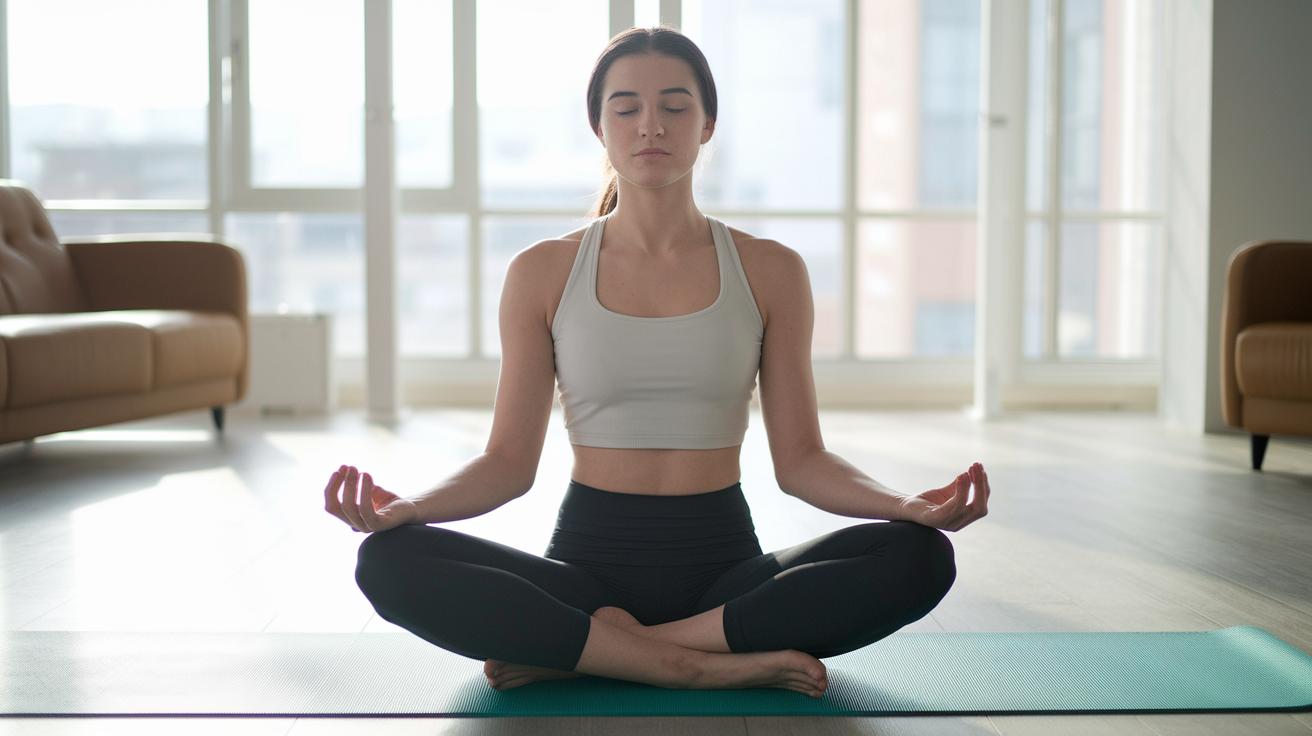
Mindful breathing is all about taking charge of your breath using your diaphragm. One easy way to do this is with Pranayama. It invites you to take slow, careful breaths so you can truly feel the movement of air in your body. Imagine the gentle rise and fall as each breath connects you with calm.
Another simple method is 4-7-8 breathing. Here, you breathe in slowly for 4 seconds, hold that air for 7 seconds, and then exhale gently over 8 seconds. Try it next time you need to clear your head: breathe in deeply, sit with the calm for a moment, and then let go slowly.
Alternate nostril breathing is a neat trick to balance your focus. You close one nostril as you breathe in through the other, then switch and breathe out through the opposite side. This little rhythm helps smooth out your breathing like the steady beat of a favorite song.
Box breathing, or square breathing, gives you a regular pattern to follow. Count 4 seconds as you breathe in, hold for another 4 seconds, breathe out for 4 seconds, and then pause for a final 4 seconds. This orderly flow can soothe a busy mind when things feel hectic.
Triangle breathing keeps it simple too. With a 4-4-4 pattern, you inhale for 4 seconds, hold the air for 4, and then exhale for 4 seconds. It’s a straightforward way to help sharpen your focus when you need a little extra clarity.
Lastly, breath awareness meditation invites you to just notice your breath without counting. Let each inhale and exhale flow naturally and enjoy the quiet sensation. It’s a gentle way to tune into your body and feel more connected to the rhythm of your day.
Step-by-Step Guides to Mindful Breathing Variations
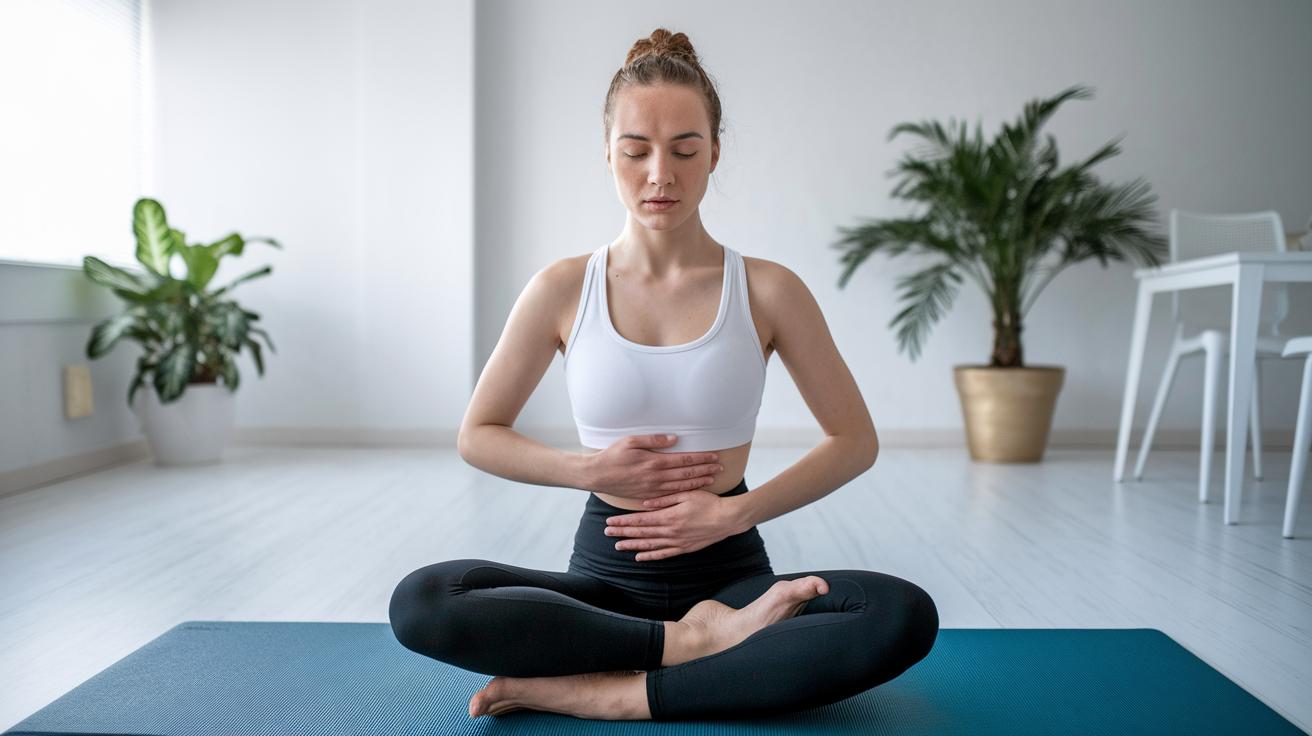
Let’s explore some easy tweaks to your usual mindful breathing routine. These small additions like gentle cues and extra pauses can deepen your calm and help you feel more relaxed.
-
Diaphragmatic Breathing
Sit up straight and let your body relax. Rest one hand lightly on your tummy so you can sense it rising and falling. Slowly breathe in through your nose and feel your belly swell like a soft balloon, then let your breath go out slowly. Try thinking, "My breath fills my belly like a warm, gentle balloon." -
4-7-8 Breathing
Close your eyes and breathe in through your nose for a count of 4. Hold that breath for 7 seconds, then exhale slowly through your mouth over 8 seconds. You might imagine a calm tide that ebbs and flows with your count, helping you sink into relaxation. -
Alternate Nostril Breathing
Start by closing one nostril and take a deep, steady breath through the open one. Switch sides slowly and pause for a moment each time. This practice can feel like a gentle balancing act inside you, smoothing out your breath and your focus. -
Box Breathing
Breathe in for 4 seconds, hold your breath for 4 seconds, breathe out for another 4 seconds, and then rest for 4 seconds before repeating. Picture drawing a square with your breath, one side at a time, each part leading you closer to a state of peace.
Comparing Breathing Variations for Focus and Stress Relief
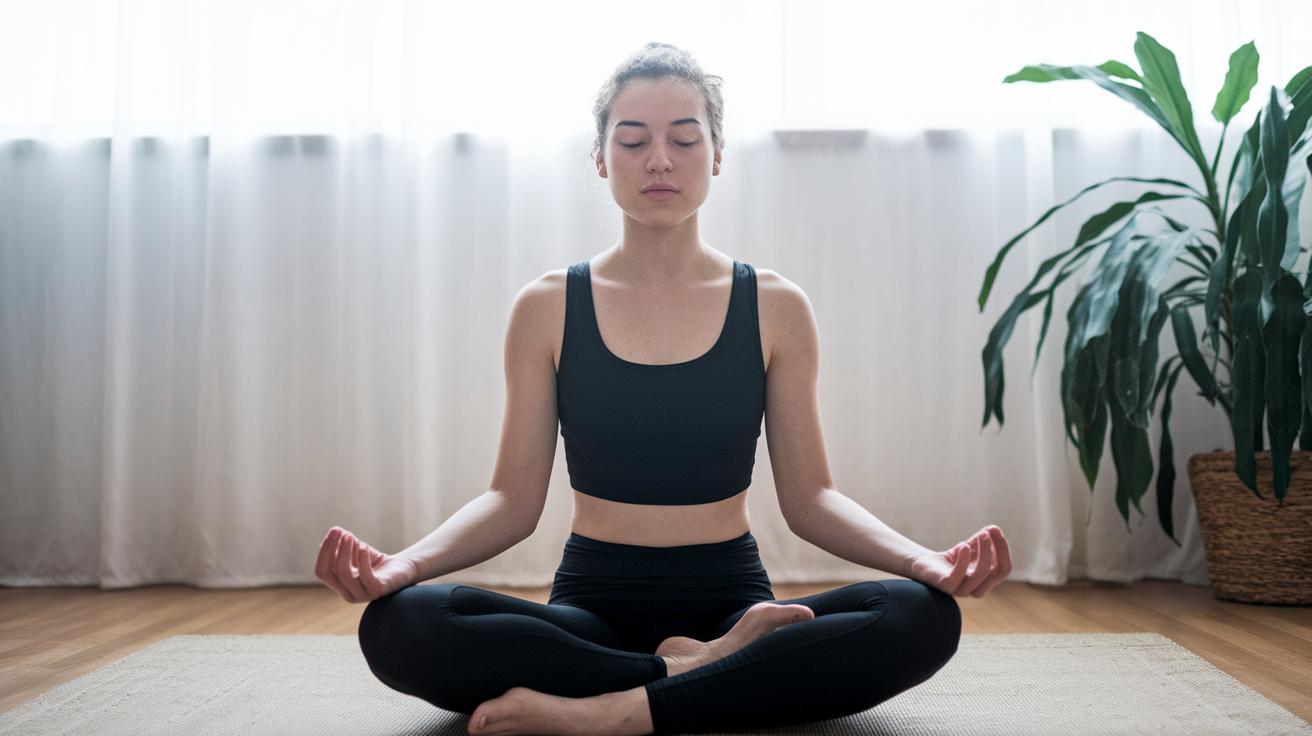
Diaphragmatic breathing helps lower your heart rate and blood pressure, making it a great choice when you need a little calm. It sets a smooth base for clear thinking without demanding too much focus on the steps. For instance, you might try a simple routine: inhale deeply through your nose and exhale slowly through your mouth.
The 4-7-8 method uses a steady breathe cycle that many experts say eases stress fast. Its clear rhythm acts like a natural pause, giving you a chance to feel relaxed and centered. You could try counting like this: inhale for 4 seconds, hold your breath for 7, and exhale for 8.
Alternate nostril breathing is known for balancing how both sides of your brain work. Its back-and-forth pattern may help reduce stress and clear your thoughts, making it a solid pick when you have something important to focus on. Some say that switching nostrils helps your senses and mind work together more smoothly.
Breath awareness meditation is all about noticing your natural breathing. Research shows that a 20-minute session can help ease worries and sharpen the focus on the present moment. Think of it as a way to find emotional peace while boosting your concentration.
| Technique | Stress Relief | Mental Clarity |
|---|---|---|
| Diaphragmatic Breathing | Helps relax the body by lowering heart rate | Builds a calm base for clear thought |
| 4-7-8 Breathing | Uses a steady rhythm to ease tension | Guides the mind into a steady pace |
| Alternate Nostril Breathing | Balances brain activity to cut down stress | Fosters a focused state by coordinating senses |
| Breath Awareness Meditation | Reduces worry through mindful breathing | Sharpen present-moment awareness |
Personalizing Mindful Breath Variations to Your Needs
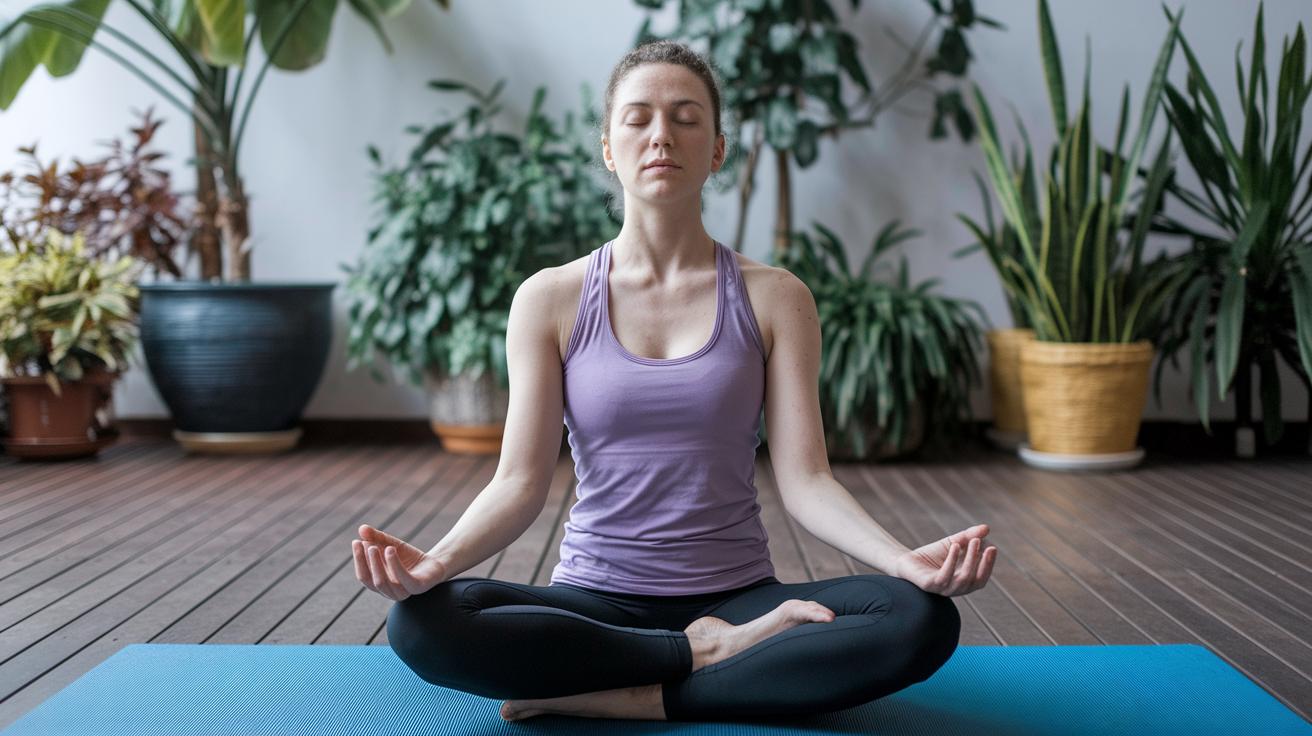
Take some time to try out different rhythms and positions for your breathing. Changing the length of your inhales and exhales is a bit like tuning a guitar to get that perfect sound. For example, you might shift between the 4-7-8 method (inhale for 4, hold for 7, exhale for 8) and square breathing (equal counts for in, hold, and out) until you find a pace that leaves you feeling steady and relaxed.
Listen closely to what your body is telling you. If you’re feeling low on energy or have just finished a meal, deep breathing might feel off-key. It can help to wait a bit so that your lungs aren’t overloaded. A simple trick is to keep a little log of your mood or tension levels before and after your sessions. This note can serve as your personal guide, showing you how small changes make a big difference over time.
Sometimes a tiny adjustment is all you need. Maybe try leaning forward a touch or standing up a bit straighter and see how that affects your breath. Mix in gentle breathing techniques that match your current energy. Many find that combining mindful breathing with a bit of self-compassion meditation (https://fitandglossy.com?p=981) deepens their emotional balance. This Zen-style approach turns a regular breathing session into a calming ritual for both your mind and your body. Experiment a little, check in with yourself, and slowly build a practice that feels just right for you.
Scientific Support and Practical Tips for Mindful Breathing Variations
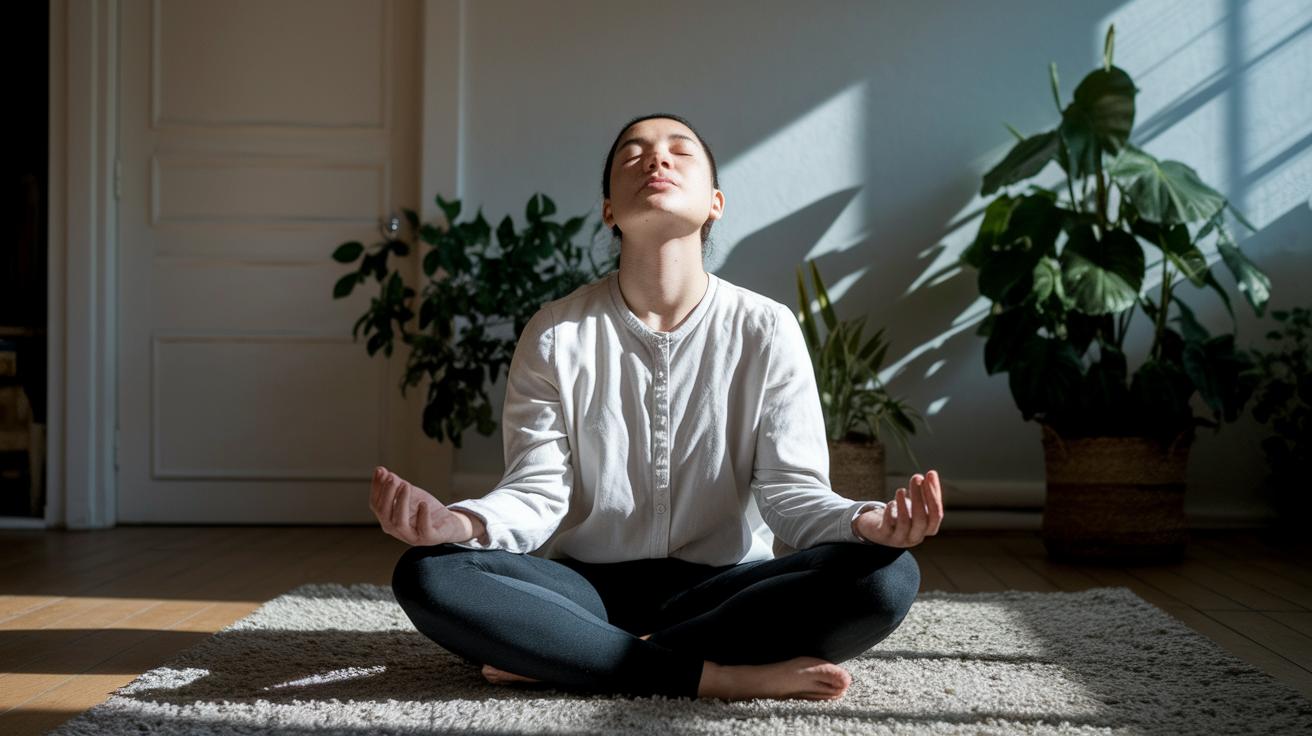
Slow, mindful breathing can actually help your body feel calmer by boosting your vagal response, which supports your breathing, heart, and even your tummy. Research shows that taking slow and controlled breaths can lower blood pressure and ease stress. I remember a time when a deep-breath session slowed my heart and left me feeling really at peace. It's like your body saying, "Thanks a lot!"
Sometimes, it's a great idea to try breathing in a smooth, gradual way. People often say that slow, steady breaths can help calm even the busiest days. But hey, not every session goes perfectly. For example, if you try deep breathing right after a meal, you might feel a bit uncomfortable or distracted. So, give yourself a little time to settle in before you start.
If you're trying to keep a regular practice, think about using background tools like mindfulness music. That gentle sound can help you stay in rhythm. And if you're the kind who likes to track progress, you might find downloadable worksheets handy, too. They let you jot down little changes in your mood or how relaxed you feel over time.
Some simple tips to get started:
- Sit or lie down comfortably and relax any tight muscles.
- Take a few quiet moments to center your thoughts.
- Breathe slowly and steadily, letting each breath flow naturally.
- Use calming background sounds to help keep distractions away.
All of these ideas are backed by research and offer a steady, science-based way to lower stress and boost both your physical and mental comfort. Keep experimenting with your timing and the tools you use until you find the breathing pattern that feels just right for you.
Final Words
In the action, the article broke down several mindful breathing techniques that can work wonders for your well-being. It outlined clear guides, compared benefits for focus and stress relief, and even shared ways to personalize your practice. You learned how various patterns like deep diaphragmatic and 4-7-8 breathing bring calm and balance. Keep exploring these mindful breathing techniques to relax and refresh your body and mind. Enjoy the positive changes that come with a regular breath practice!
FAQ
What are some mindfulness breathing techniques?
The mindfulness breathing techniques include deep diaphragmatic breathing, the 4-7-8 method, alternate nostril breathing, box breathing, and triangle breathing, each designed to promote calm and clear focus.
Are there different types of breathwork?
Different breathwork methods involve practices like Pranayama, rhythmic inhale sequences, and measured exhale cycles. These variations offer ways to reduce stress and boost overall well-being.
What is the 444 rule for breathing?
The 444 rule for breathing means you inhale for 4 seconds, hold for 4 seconds, exhale for 4 seconds, and then pause for 4 seconds. This steady pace helps calm the mind and reduce tension.
How many different types of breathing techniques are there?
Several core breathing techniques exist, such as deep diaphragmatic, 4-7-8, alternate nostril, box, and triangle breathing, along with various patterns of breath awareness that can be adapted to your needs.