Have you ever noticed how one deep breath can change your whole day? Long ago, people in India, China, and Native American communities discovered that breathing slowly and mindfully helps settle the mind. They learned that each calm breath can ease stress and balance emotions. Today, we use the same simple idea: taking a few deliberate breaths helps create a quiet, steady inner calm to handle daily challenges.
Foundations of Ancient Mindful Breathing Practices
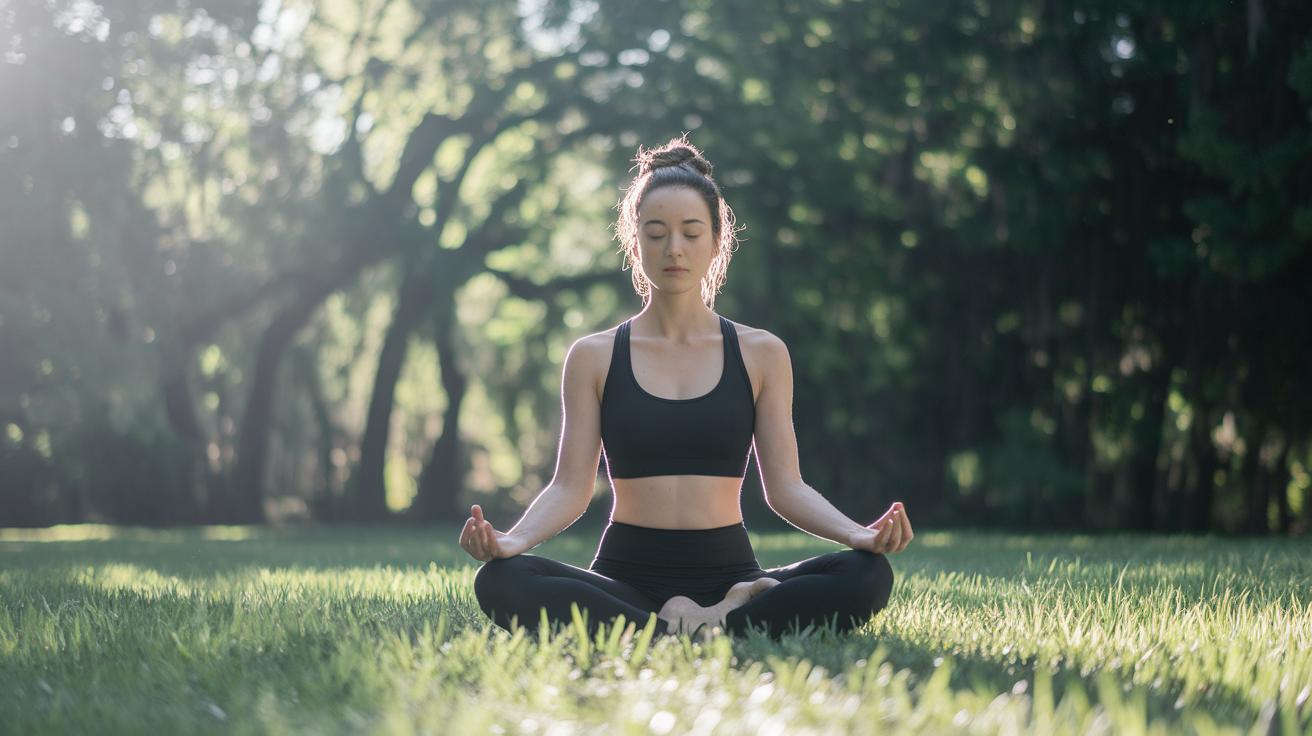
Mindful breathing has deep roots in traditions from India and China. Long ago, practices like yogic pranayama and Taoist qi cultivation taught people how to use their breath to relax and find balance. Early texts, such as Patanjali's Yoga Sutras from about 400 CE and Taoist writings from the 3rd century BCE, show how controlling your breath could help you manage your inner world.
People noticed that the way we breathe changes when we're stressed versus when we're calm. It’s pretty simple: when you’re tense, your breath speeds up; when you’re relaxed, it slows down. This natural link between breathing and how our brain and body feel made these techniques both practical and almost like a spiritual toolkit.
Today, our modern ways of easing stress owe a lot to these age-old practices. Ancient teachers learned that by simply watching and slowing their breath, they could calm their bodies and clear their minds, kind of like tuning a favorite instrument. It’s a reminder of how a few mindful breaths can help ease anxiety, balance our emotions, and even support overall brain health.
Cultural Origins of Mindful Breathing Practices
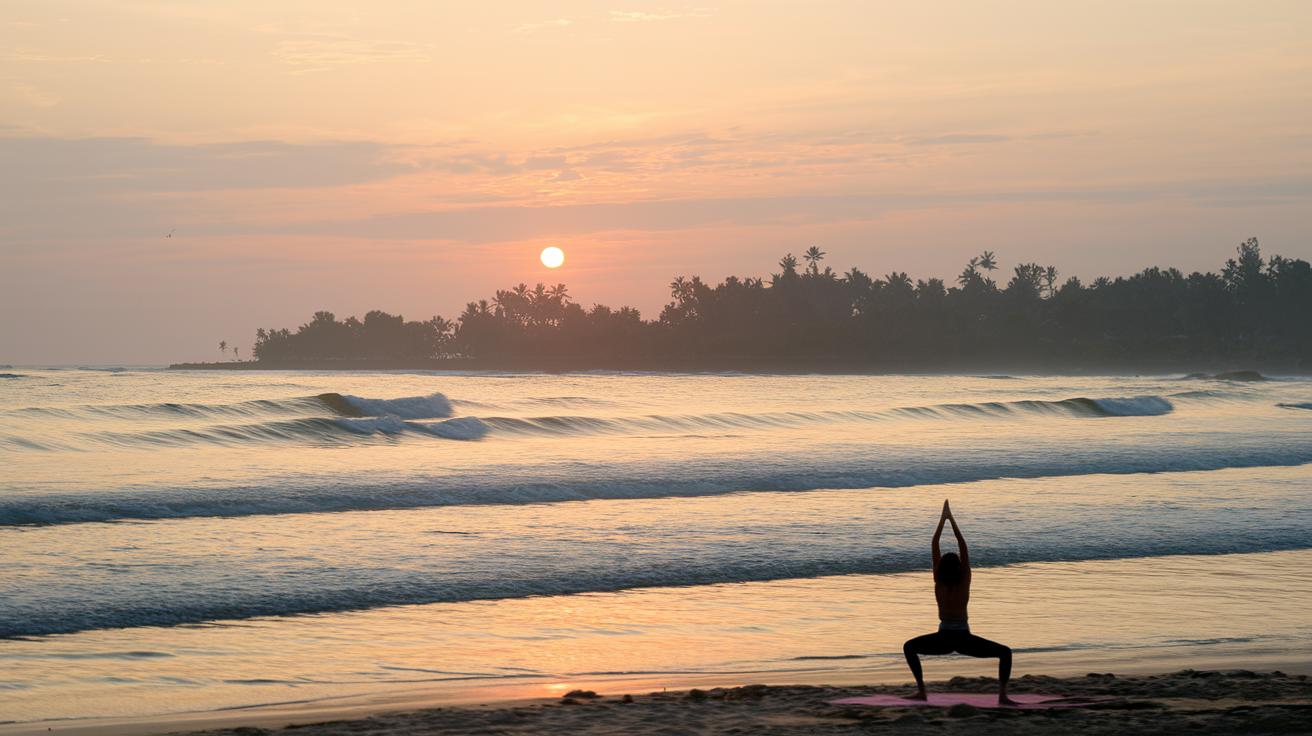
Long ago, people everywhere discovered that simply watching their breath could bring calm and balance. In India, China, and Native American communities, these breathing techniques were more than just a way to live, they were a path to feeling well and finding inner peace. They were handed down through ancient texts and everyday wisdom, ideas that still help us relax today.
Here's where these practices began:
| Region | Practice |
|---|---|
| India | Yogic pranayama (a method to control breath and boost energy) |
| China | Taoist qi-breath (an ancient way to balance life energy) |
| Native American | Nasal breathing techniques (simple methods to regulate your breath) |
These early practices remind us that caring for our breath is a timeless idea. Ancient cultures found that tuning into the natural rhythm of breathing can calm the body and clear the mind. Over time, these techniques have woven their way into modern wellness, showing us that focusing on our breath is still a key tool for finding inner peace. Isn’t it amazing how these old ideas continue to help us feel relaxed in today’s busy world?
Iconic Ancient Breathing Practices: Natural, Ujjayi, and Nadi Shodhana
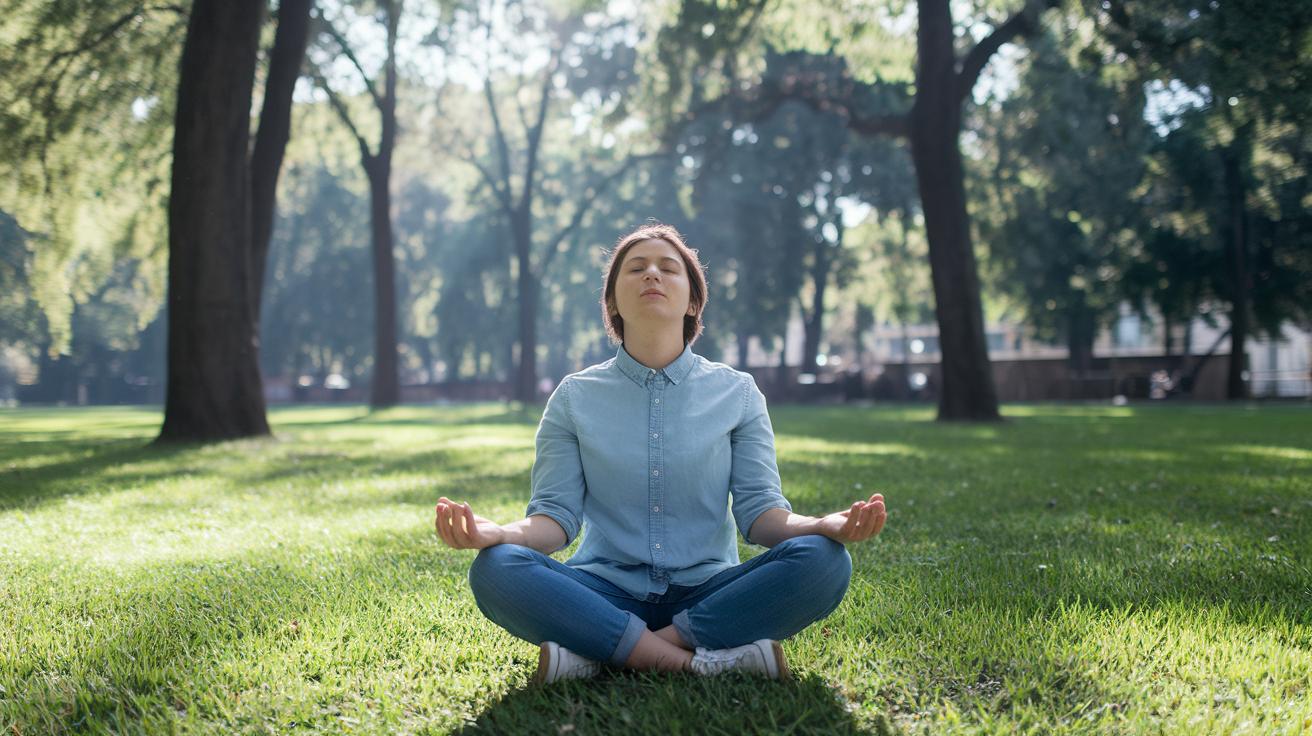
Mastering these age-old techniques can turn something as simple as a breath into a way to feel calm inside. If you’re just starting out or already practicing, these three methods are a great base for keeping both your mind and body in balance.
Natural Breathing means breathing the way you naturally do. You don’t have to force anything, just relax and notice how your body breathes on its own. Even if you’ve never tried a meditation class, simply paying attention to each breath can help ease your stress. Picture yourself sitting quietly, feeling each gentle breath come in and go out. This simple practice can shift your focus from worry to a more relaxed state.
Ujjayi Pranayama, sometimes called the ocean breath or victorious breath, is done by gently narrowing your throat as you breathe. This small change makes a soft, steady sound. It guides you into taking fuller breaths by slowly filling your lungs. That gentle sound reminds you to slow down and enjoy the moment. Imagine taking a deep breath that reaches every part of your chest, each sound inviting you to relax a little more.
Nadi Shodhana Pranayama, known as alternate nostril breathing, helps balance the energy on both sides of your body. This practice means breathing in one nostril and then the other, like flipping a switch to calm your nervous system. It’s a simple way to steady your emotions and clear your mind. Think of it as a small but powerful tool to regain balance and feel more in control.
Each of these breathing methods helps you focus and feel centered by simply paying attention to your breath. Whether you're embracing your natural rhythm, listening to the soothing sounds of Ujjayi, or balancing your breathing with Nadi Shodhana, you’re building a simple habit that brings calm in moments of stress and supports your overall well-being.
Scientific Validation of Ancient Breathing Practices
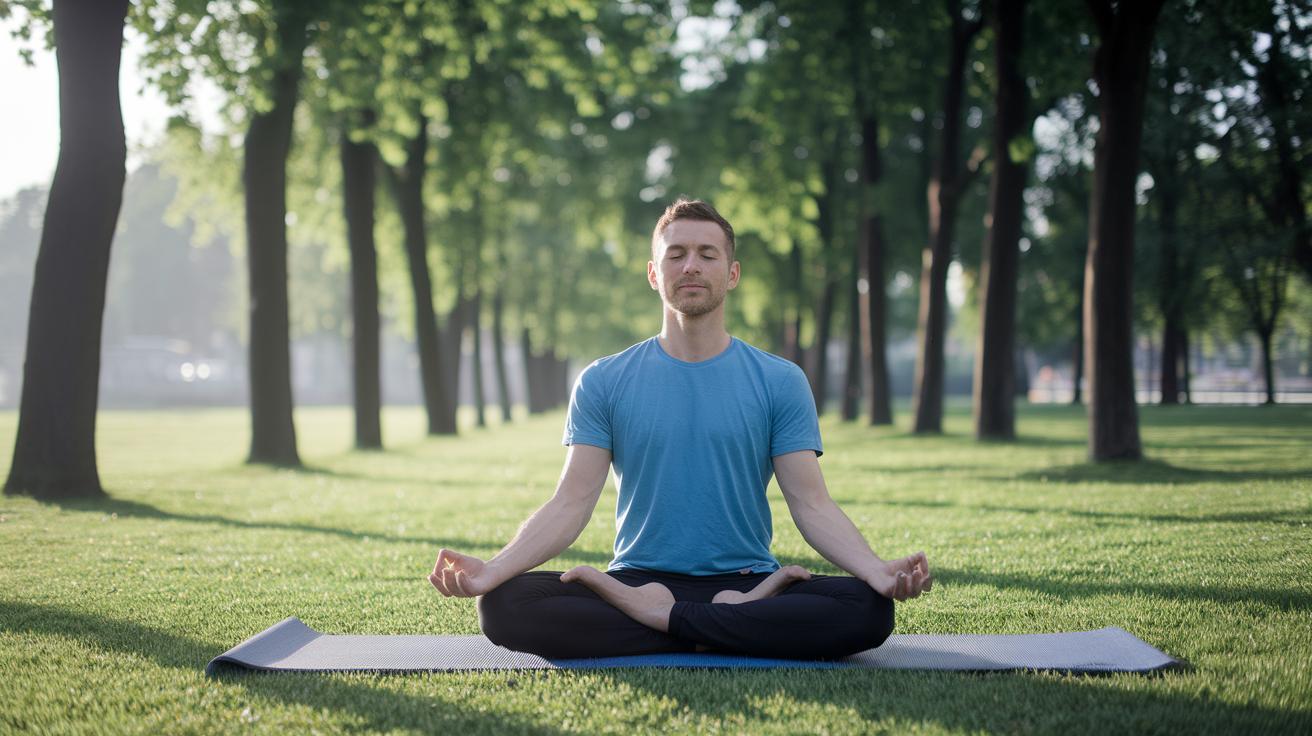
Modern science is rediscovering simple breath techniques that have been around for ages. Researchers are looking at practices like deep inhalation meditation and simply noticing your breath. They use tools such as MRI scans to see what happens in your brain when you control your breathing. What they’ve found is pretty neat: deep, steady breaths seem to calm down the brain part that processes stress (called the amygdala) and boost the area responsible for thinking through choices (the prefrontal cortex). It turns out these age-old methods are more than just tradition, they actually help our bodies.
Recent studies back this up with solid numbers. Just a few minutes of focusing on your breath can drop your cortisol levels (that stress hormone) by as much as 20%. Lower cortisol means your body feels a little more relaxed and less stressed. Brain scans show these mindful breathing techniques ease the stress signals in your brain almost immediately. It really supports what many have believed all along: being aware of your breath can help you manage life’s pressures quickly and effectively.
Clinical research now gives real hope for those who turn to breathwork every day. By including deep inhalation meditation into your routine, you could enjoy both quick relief and long-term benefits for your emotional balance and brain health. This blend of ancient wisdom and modern science builds a strong case for adding mindful breath control into your everyday life.
Step-by-Step Ancient Breathwork Practices for Modern Use
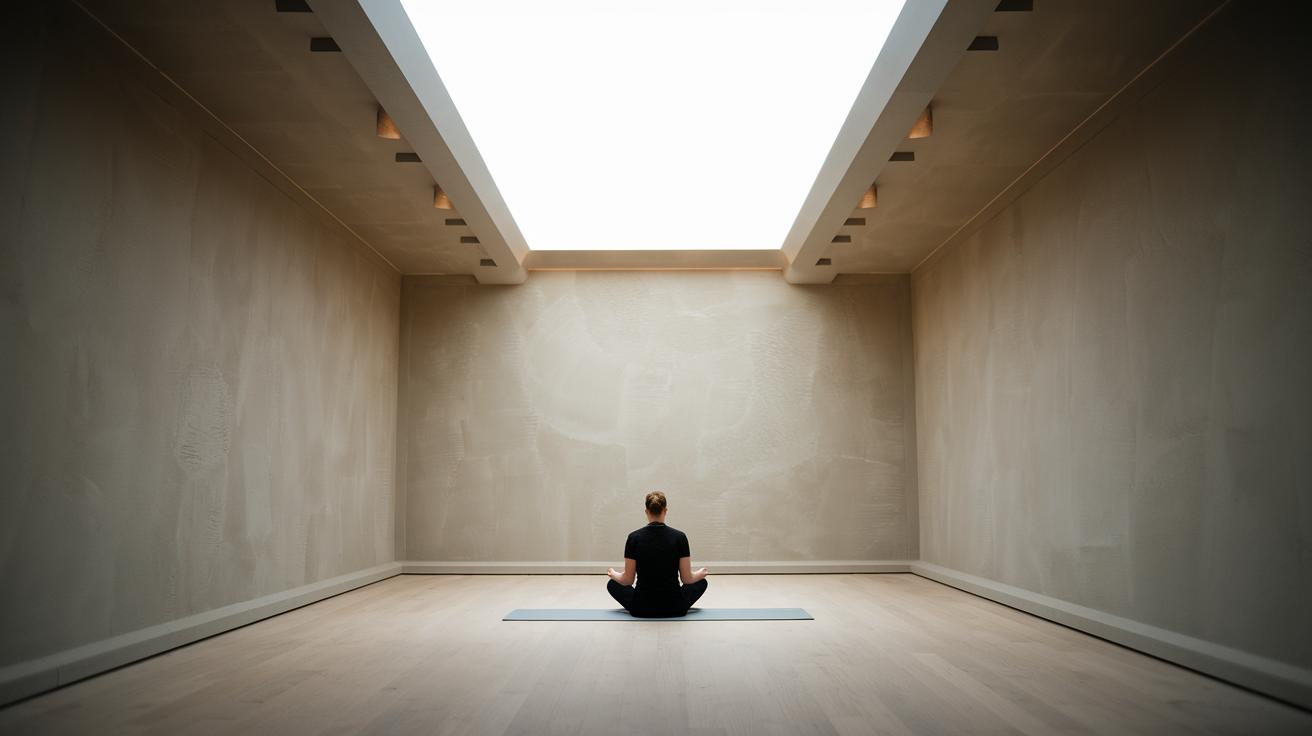
First, find a quiet spot where you can sit comfortably with your back straight. Imagine settling into a calm space where you feel at ease and free from distractions. Picture yourself in a peaceful room, sitting with both feet firmly on the ground, like you're tuning your body to its natural beat.
- Sit down with your spine in a straight line.
- Slowly inhale through your nose for a count of 4. Feel your belly expand like you're gently filling a balloon with air.
- Hold that breath for a count of 2, letting yourself settle into the moment.
- Exhale slowly through your nose for a count of 6, emptying your chest completely.
- Keep this cycle going for about 5 minutes, noticing the calm with each breath.
Feel free to tweak the counts or how long you hold your breath to see what feels best for you. Stay focused on your breathing, and you'll notice how even this short practice can clear your mind and ease everyday stress.
Evolution of Ancient Mindful Breathing Practices into Contemporary Therapies
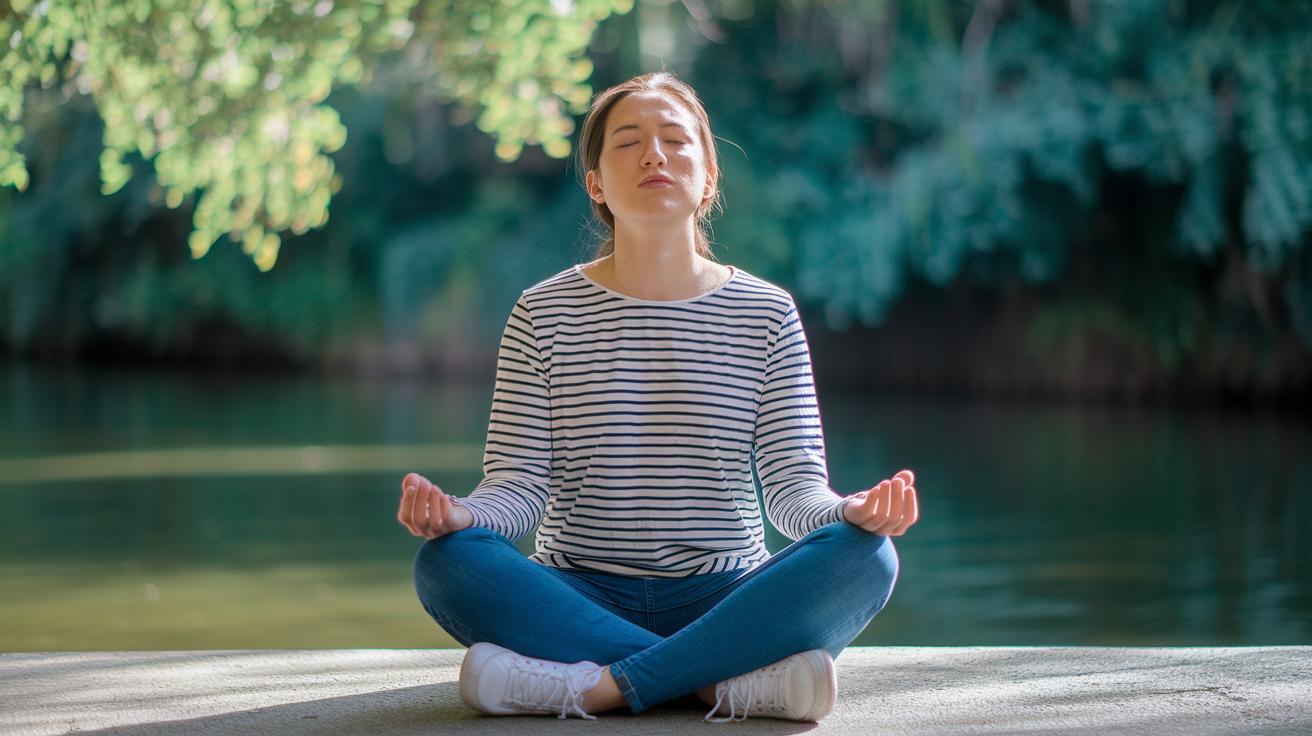
Back in the 20th century, people started to explore simple ways to control their breathing to help manage emotions and ease stress. Early on, experiments with focused breathing led to ideas like Holotropic Breathwork in the 1960s. This method encouraged rapid, deep breaths matched with music, inviting people to dive into deep feelings in a gentle, transformative way.
Modern therapies build on those early insights. In the 1970s, Leonard Orr introduced Rebirthing Breathwork, which used rounds of fast breathing to help release past trauma and clear the mind for new beginnings. Later, in the 1980s and 1990s, the Buteyko Method emerged, teaching us to ease over-breathing to help with issues like asthma, sleep apnea, and anxiety. These current techniques really trace their roots back to ancient ways of using the breath to bring balance and calm.
Today, these time-tested practices are adapted into useful tools for our modern lives. They focus on reducing stress and improving the natural flow of our breath, turning age-old wisdom into simple actions that can brighten our day and boost overall well-being. Have you ever noticed how just a few deep breaths can make everything feel a bit more manageable?
Final Words
In the action, this article walked us through the historical roots and evolving benefits of ancient mindful breathing practices. We explored the origins in India, China, and Native American traditions, explained key breathing methods, and looked at modern science backing these practices. The tips for everyday routines showed that a few mindful minutes can help clear your mind and support your overall well-being. Keep trying out these methods, it’s amazing how a simple breath can bring calm, balance, and renewed energy.
FAQ
How is the Anapanasati meditation technique structured in 16 steps?
The Anapanasati meditation technique involves 16 clear steps that guide you to focus on each breath. It builds calm awareness from basic deep breathing to a state of mindful clarity.
What are Zen breathing techniques and how do they promote calm?
Zen breathing techniques use simple, mindful inhaling and exhaling to slow your pulse and quiet the mind. They guide you to relax and find balance through steady, rhythmic breaths.
How do the 16 exercises of mindful breathing support health?
The 16 mindful breathing exercises provide easy-to-follow steps that help you become aware of your breath. They work to ease stress and improve focus with each intentional breath.
Where can I find a mindfulness of breathing PDF guide?
You can find a mindfulness of breathing PDF guide on trusted meditation websites and online communities. It offers step-by-step instructions to help you practice mindful breathing effectively.
What is the history behind breathing techniques in Demon Slayer?
The breathing techniques in Demon Slayer are inspired by ancient practices. They mix age-old mindful methods with creative elements, adding a unique twist that mirrors real-life breathing methods.
What defines Buddhist monk breathing techniques?
Buddhist monk breathing techniques focus on slow, deliberate breaths to center the mind. They encourage rhythmic, calm breathing that helps maintain inner peace and steady concentration.
What is the ancient breathing method and how is it practiced?
The ancient breathing method refers to practices like yogic pranayama and Taoist qi breathing. These methods emphasize slow, deep breaths to relax the body and clear the mind.
What does the 444 rule for breathing mean and how is it applied?
The 444 rule means you inhale for 4 seconds, hold for 4 seconds, exhale for 4 seconds, and pause for another 4 seconds. This balanced rhythm helps calm your nervous system.
Which is the oldest breathing technique and what is its origin?
The oldest breathing technique comes from traditional yoga and Taoist practices. Documented in early texts, it uses simple, mindful breaths to nurture relaxation and inner balance.