Ever notice how a slow, deep breath can clear your mind? Picture yourself in a quiet spot at home, finding a moment of calm that feels as comforting as a warm hug. When you focus on the gentle rise and fall of your chest, your busy thoughts start to settle down. This simple breathing exercise helps slow your heart and ease your mind, giving you a bit of peace right when you need it.
Essential Mindful Breathing Exercises at Home for Stress Reduction and Clarity
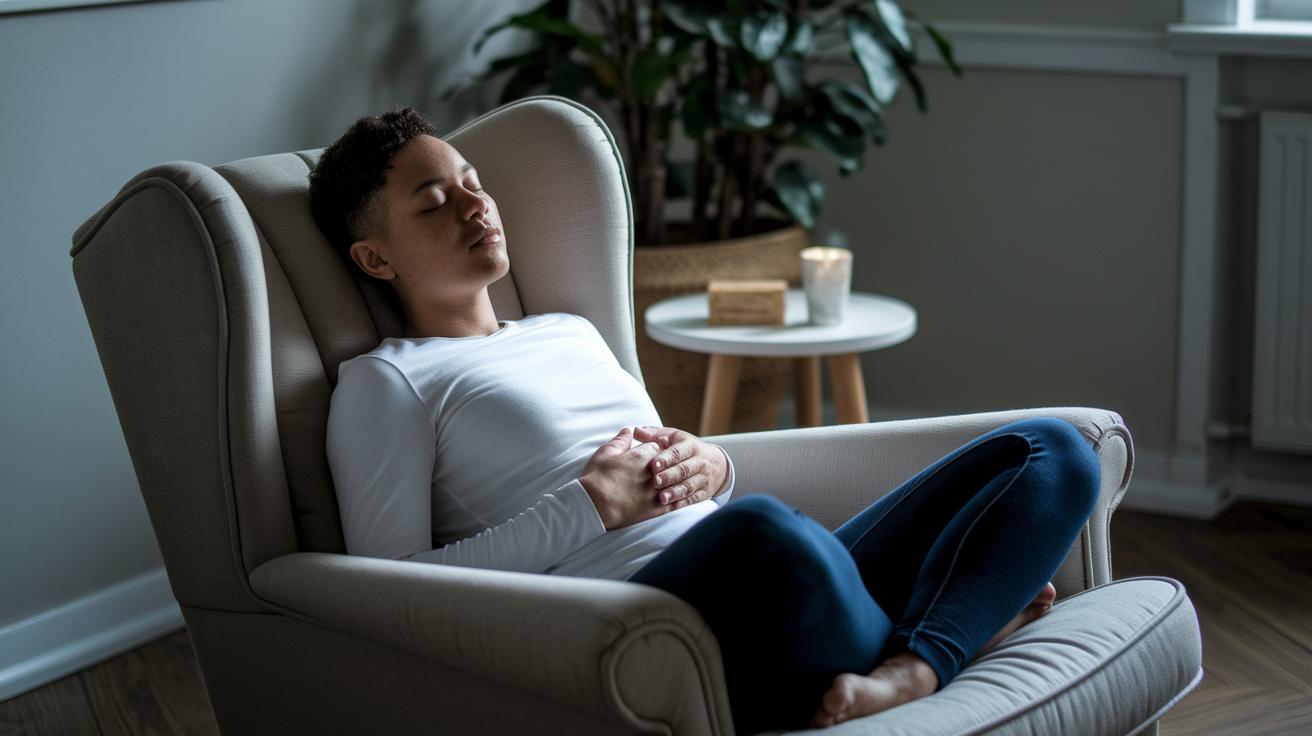
Mindful breathing is about simply noticing the natural rhythm of your breath. This practice calms your body by turning on your relaxation mode, which helps bring down your heart rate and blood pressure. It means being fully with each breath while you sit or lie down comfortably with your eyes closed.
Here’s an easy way to get started:
- Pick a quiet, comfy place.
- Set a timer for 5 minutes. You might say, "I’m setting my timer and taking this moment to relax."
- Close your eyes and rest your hands gently on your belly.
- Breathe in slowly through your nose, feeling your belly rise like a soft wave.
- Breathe out gently through your mouth, noticing your belly fall.
- Keep your focus on how your breath feels. If your mind drifts, just bring it back to your breathing.
Try starting with 5 to 10 minutes. As you get more used to it, you can slowly extend your time to 15 or even 20 minutes. This practice helps you move away from quick, nervous breaths and shift to slower, deeper breaths that clear your mind and ease stress. Picture the steady rhythm of waves at the beach, each breath mirroring that calming rise and fall. Let your breathing lead you to a daily sense of peace and a clearer mind.
Key Mindful Breathing Exercises at Home: Beginner Techniques
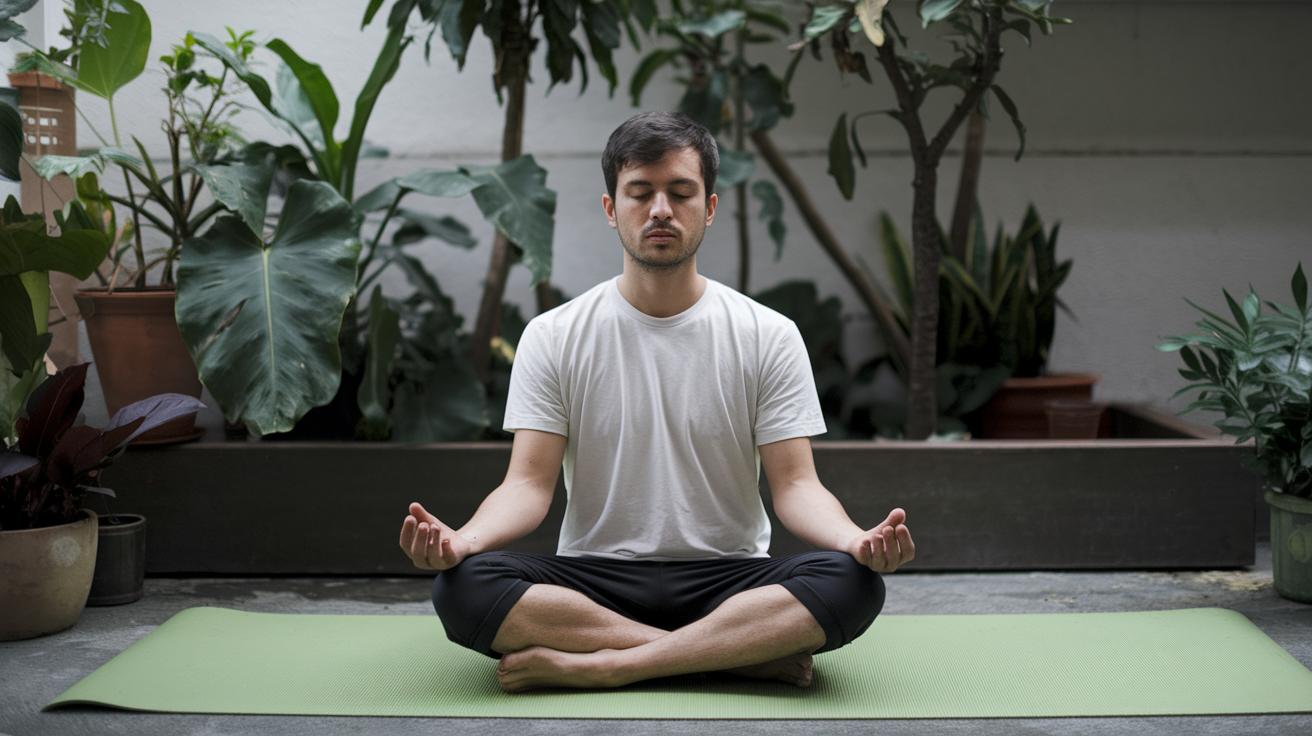
Let's start with basic mindful breathing. Sit down comfortably, close your eyes, and simply notice your natural breath. Don’t try to change your breathing, just observe it like watching the gentle flow of water. This simple practice helps calm your mind and eases away stress.
Next, give diaphragmatic breathing a try. Place one hand on your belly. Slowly breathe in through your nose for a count of four and feel your stomach rise, like a soft balloon filling with air. Then, breathe out through your mouth for about six seconds, noticing how your belly gently falls. This technique helps your diaphragm pull in more fresh air and encourages deep relaxation. Imagine your belly moving with each breath like a gentle wave.
Now, try box breathing. This method uses a steady pattern: inhale for four seconds, hold your breath for four seconds, exhale for four seconds, and then pause for another four seconds. This simple cycle can help slow your heart rate and sharpen your focus. Think of it as a little breathing square that brings balance to your day.
Finally, explore triangle breathing. Inhale through your nose for four seconds, exhale for four seconds, and then pause for four seconds before your next breath. This creates a smooth, triangular rhythm that calms anxiety and boosts concentration. Picture it as a steady beat that aligns your thoughts and relaxes your body.
Each of these techniques offers a friendly way to enjoy a quiet moment at home. They’re perfect for easing into a relaxation routine and can fit nicely into your daily life.
Creating a Calm Space for Mindful Breathing Exercises at Home
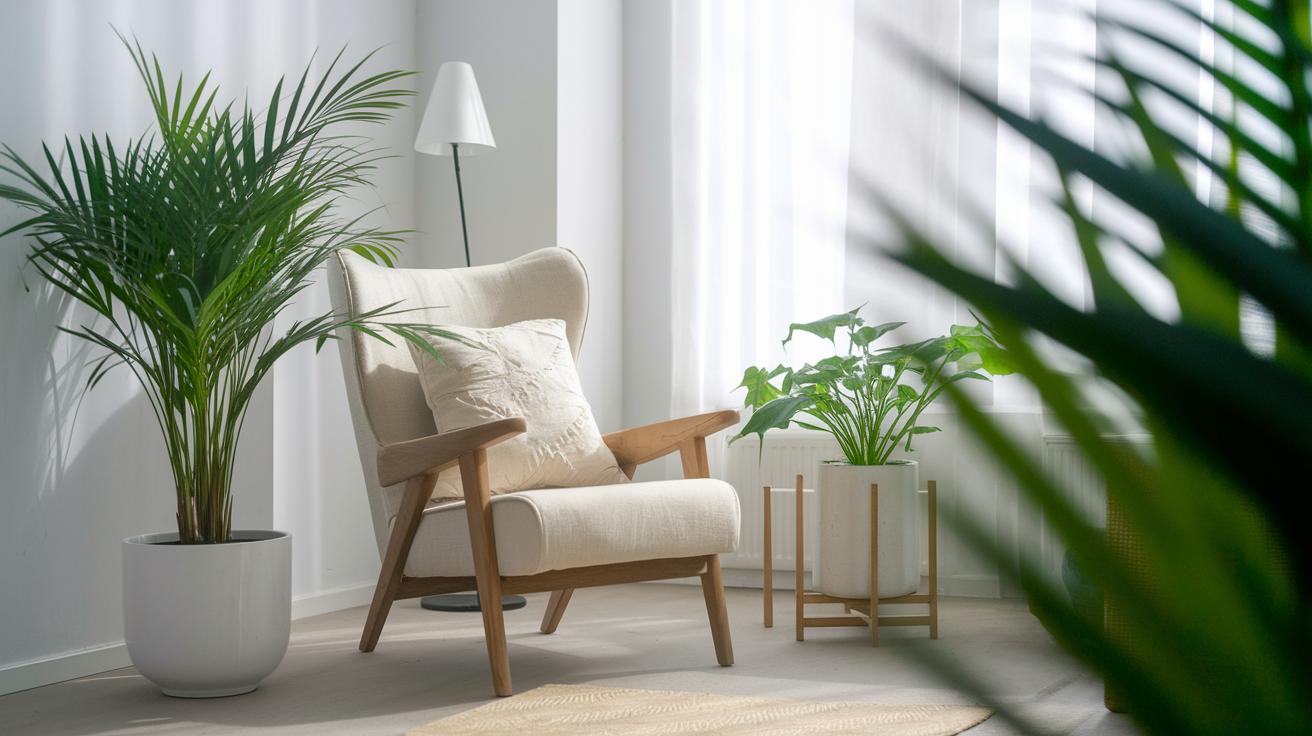
Imagine a little corner where you can simply breathe and feel at ease. Find a spot that is quiet and free from extra noise so you can really notice the gentle rise and fall of your breath. A cozy chair, a soft cushion, or even a folded blanket can make this space feel welcoming and comfortable.
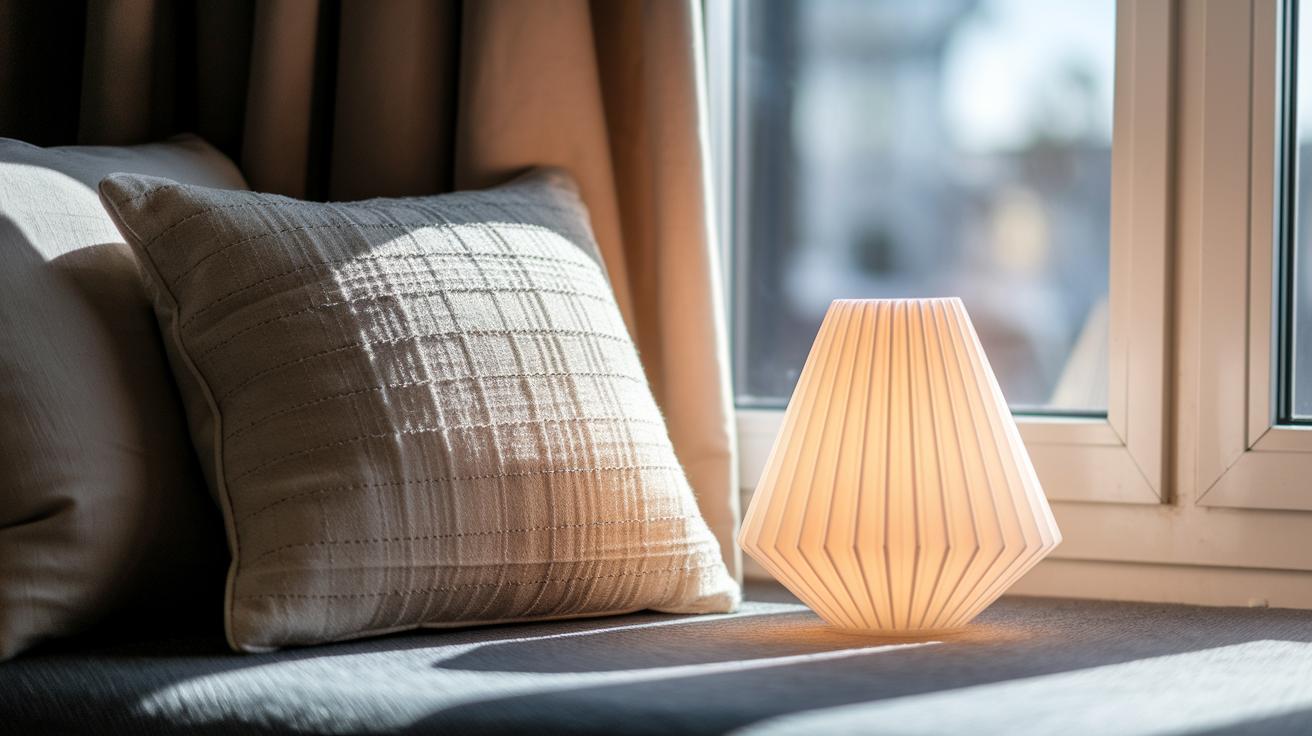
Try to use soft light, like a warm lamp or natural sunlight, to help your body know it's time to relax. When you sit down, consider closing your eyes to block out distractions and clear your mind. Turning off any phone alerts or closing a nearby door can help keep interruptions at bay.
Even small changes in your setting make a big difference. They turn an ordinary corner into your own private retreat where you can practice mindful breathing and calm your thoughts. Use the guide below to help set up your ideal breathing space:
| Element | Setup Tip |
|---|---|
| Location | Choose a quiet corner away from busy areas |
| Seating | Pick a comfy cushion or chair with good back support |
| Lighting | Use soft, natural light or a gentle lamp; avoid harsh lighting |
| Distractions | Turn off phone alerts and close doors or windows |
mindful breathing exercises at home: Find Peace Now
Start your day or wind down at night by spending just 5 to 10 minutes focusing on your breath. You might pick a moment that feels natural, like after your shower or when you finish brushing your teeth. Imagine your phone giving a gentle nudge with a reminder, "Take a pause, feel your breath," similar to the feeling of a refreshing, cool breeze on a warm day.
Try to connect these breathing sessions with parts of your everyday routine. Maybe after brushing your teeth, right before lunch, or even during a brief work break, pause to take a few deep breaths. Just a couple of slow inhales and exhales can help reset your focus. You can use simple cues like a calendar beep or that everyday act of closing a door to remind you to take a moment for yourself.
Even a short break between tasks can serve as a mini breathing exercise. Think of these quick sessions as little islands of calm scattered throughout your busy day. Over time, as you extend these moments, you may find your mind becomes clearer and stress feels lighter. Create a quiet spot that feels welcoming, and let every mindful breath bring a sense of peace to your day.
Top Health Benefits of Mindful Breathing Exercises at Home
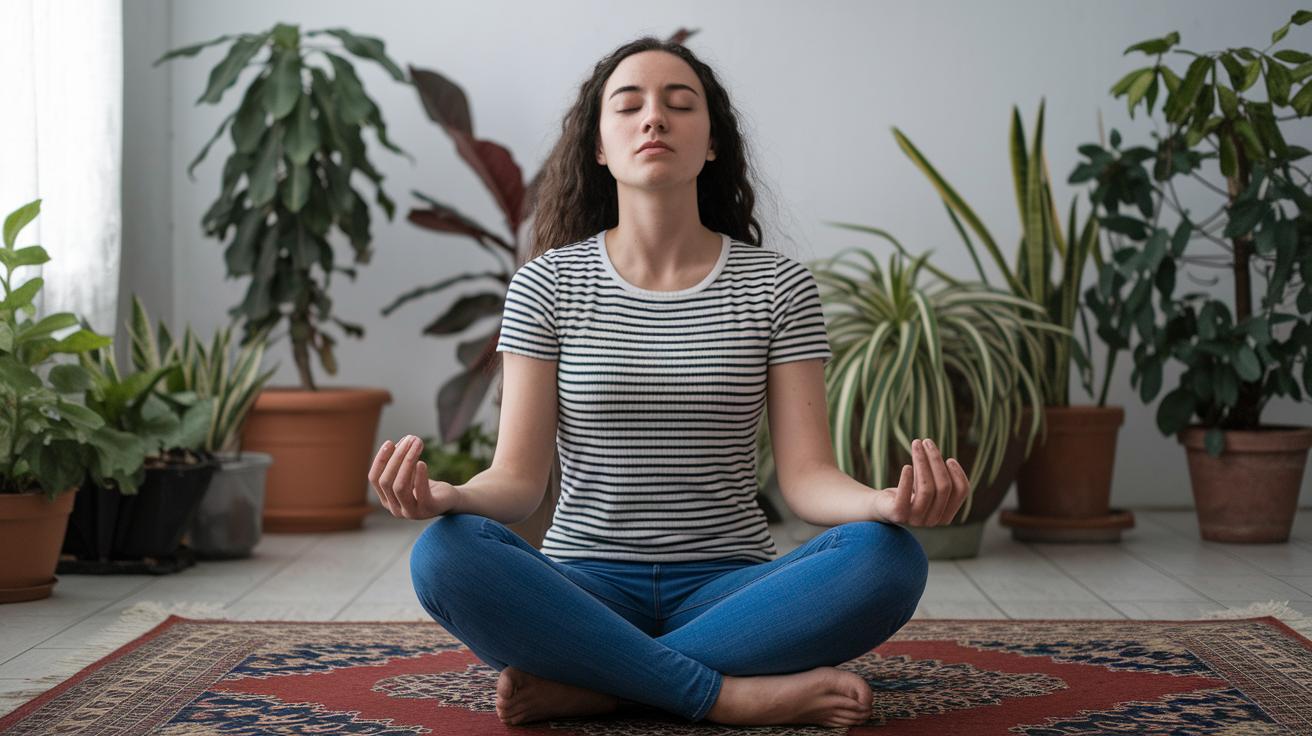
When you focus on your breathing at home, you can feel a big difference in how you think and feel. A 2010 study with almost 200 people discovered that even a few minutes of focusing on your breath can help clear negative thoughts. It’s like turning down the volume of a noisy room in your mind by simply paying attention to each breath.
Another study in 2019 found that a 9-minute session of deep breathing can help your heart and lift your mood. Deep, slow breaths kick your body’s natural "calm down" mode into gear, which helps lower blood pressure and slow your heart rate.
Regular practice of these exercises not only relaxes your body but also makes your mind sharper. When your thoughts settle, you might notice you sleep better and can handle daily tasks with a clear mind. Imagine your day feeling smoother and less overwhelming after each session. By adding mindful breathing to your routine, you build lasting benefits for managing anxiety and boosting your overall well-being.
Troubleshooting Your Mindful Breathing Exercises at Home Practice
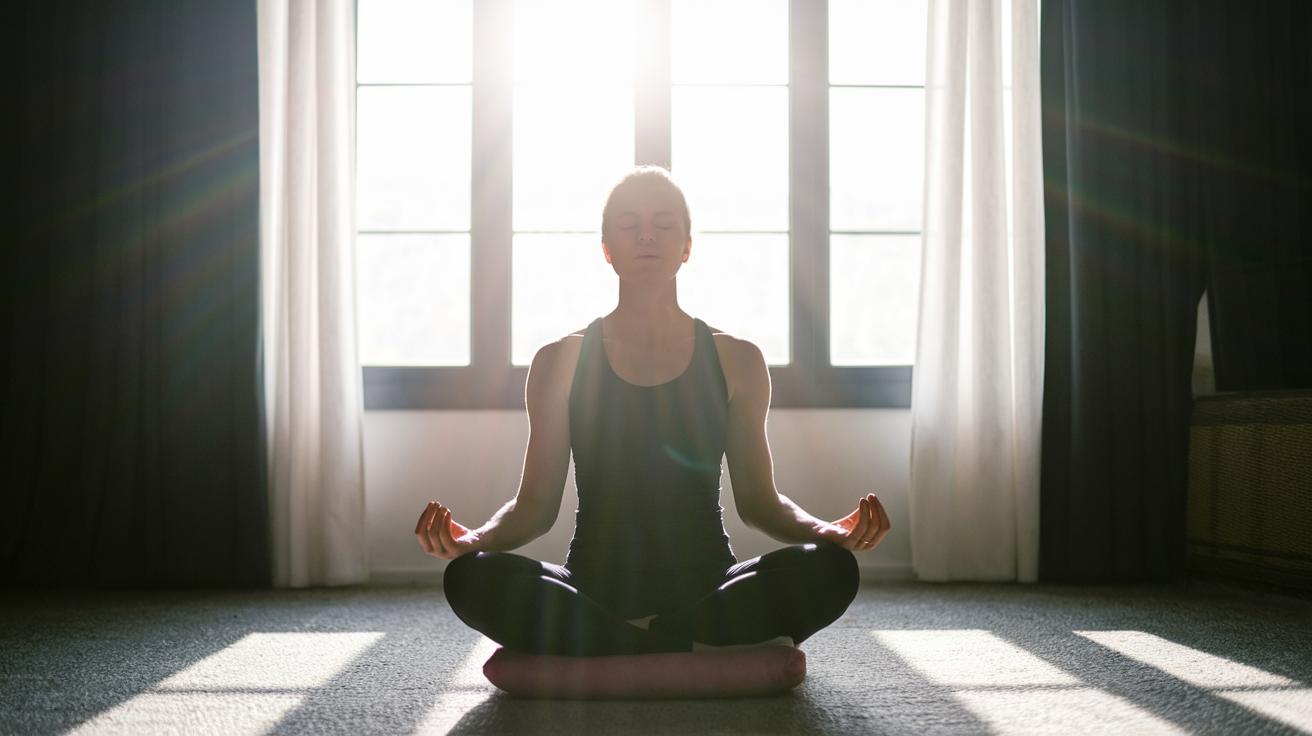
When your mind drifts away, it's okay. Simply notice the distraction and gently bring your focus back to your breath. Picture yourself saying, "I see these thoughts. Now, let's go back to breathing."
If your breathing feels shallow or a bit anxious, try to take deeper breaths using your diaphragm. Place your hand on your belly and feel it rise and fall, just like watching soft ripples on a calm pond.
If you start to feel uncomfortable in your body, adjust your posture a little. A cushion under your hips or a small rolled towel behind your lower back can really help you feel more relaxed and supported.
And on days when you don't feel very motivated, it's perfectly fine to shorten your practice to just a couple of minutes. Try revisiting a guided script or simple video to recapture that inner focus, and soon you'll be ready to ease back into your normal routine.
Final Words
In the action, we walked through easy steps and simple techniques for mindful breathing exercises at home. We looked at various methods, such as basic mindful breathing, diaphragmatic, box, and triangle breathing, while setting up a quiet area to support a calming routine.
Short sessions, daily connections with your breath, and tips to overcome distractions can all help lower stress and boost clarity. This fresh approach opens the door to a healthier, more relaxed daily rhythm. Enjoy breathing deeply and discover the benefits one breath at a time.