Ever wonder if daily stress is secretly wearing you out? When you're tense, your body sends signals to your heart, stomach, and even your brain. This constant pressure can turn a brief moment of worry into a slow drain on your energy, making simple tasks feel overwhelming. In this post, we'll chat about how stress affects both your body and your mind, and I'll share some easy, relaxing ways to help you feel better. Ready to take a step toward a calmer, healthier you?
Chronic Stress Consequences for Physical and Mental Health

Chronic stress is not the same as a quick burst of anxiety you feel during a short scare. While a brief surge can help you react fast, chronic stress keeps your body on high alert for too long. This ongoing strain means your body rarely gets a moment to unwind.
Your body handles long-lasting stress through a system called the HPA axis. In simple terms, your brain keeps sending signals that trigger your fight-or-flight response, which raises your stress hormones all the time. Imagine living in a never-ending state of alert, that’s what happens when stress sticks around.
| Body System | How It’s Affected |
|---|---|
| Nervous system | Works overtime to control your body’s reactions |
| Cardiovascular system | Pushes up your heart rate and blood pressure |
| Immune system | Makes you more vulnerable to catching infections |
| Digestive system | May lead to issues like acid reflux or IBS |
| Muscular system | Keeps your muscles tense and prone to discomfort |
| Endocrine system | Disrupts the balance of your hormones |
All these effects add up. Over time, those high stress hormones can change your mood, making you feel more irritable or anxious. They can also undermine your body's natural defenses, leading to infections and making everyday discomforts like digestive troubles part of your life. Even your heart feels the extra workload. It becomes clear that managing chronic stress is important for both your body and mind.
Nervous and Endocrine Responses to Chronic Stress

When you face long-lasting stress, your body jumps into action by waking up the hypothalamus and adrenal glands. This group of parts is known as the HPA axis and it works much like a relay race. Your brain sends out signals that launch your fight-or-flight response. In these moments, you might notice your breathing quickens and your heart starts beating faster, like preparing to sprint when someone calls you over.
At the same time, stress causes your body to release chemicals like adrenaline (a hormone that rapidly boosts energy), noradrenaline (another chemical that sharpens focus), and dopamine (a hormone that helps you stay alert). They give you a quick burst of energy and clarity. But if stress sticks around, your body keeps pumping out cortisol. This ongoing surge can throw off your brain's balance and leave you feeling constantly on edge. Over time, this constant state of readiness can make it harder for you to feel relaxed and happy.
Cardiovascular Health Risks When Under Chronic Stress

When you're under a little bit of stress, your heart gets a quick burst of energy, kind of like giving a car a fast start to dodge a problem. That short push can help you move out of danger quickly. But when stress sticks around for a long time, it’s a whole different story.
Chronic stress keeps your heart working hard without a break. Your body stays on high alert, and over time, stress chemicals make your heart beat faster while tightening your blood vessels. This extra pressure usually makes your blood pressure go up, which can lead to conditions like high blood pressure, also known as hypertension. High blood pressure can make the walls of your arteries stiff and narrow, setting the stage for heart problems.
As your heart continues to work overtime, you might notice it starting to beat irregularly, a condition called arrhythmia. Plus, when you’re stressed, you tend to breathe faster, which can add even more strain to your heart and blood vessels, especially if you already have a heart condition. Imagine your heart as a machine that rarely gets a rest break; over time, it can wear out from all the extra work. This constant strain can raise the risk of serious heart issues in the long run.
Digestive and Metabolic Impacts of Chronic Stress

Chronic stress puts your body on high alert. Your liver starts pumping out extra sugar (glucose) to help you respond quickly in a fight or flight moment. At first, this extra burst might seem useful, like a quick charge of energy. But over time, all that extra sugar can lead to high blood sugar levels and raise your risk of type 2 diabetes. Think of it like revving your engine non-stop, sooner or later, things start to break down.
Stress also messes with your stomach and gut. It can change the natural rhythm of your digestive system, making you feel bloated, or causing discomfort like acid reflux or irregular bowel movements. Your hunger might go up or down unpredictably, and your body might not absorb nutrients properly. It’s a bit like waiting at a traffic light that never turns green, it just makes everything feel out of sync.
Immune Suppression and Inflammation From Chronic Stress

Sometimes, stress gives you a quick burst of energy like a flash of inspiration during a tough moment. Your body jumps into action, ready to fight off a minor bug or mend a small injury. But when stress hangs around, it keeps your body pumping out cortisol. This extra hormone slows down your white blood cells, kind of like a security team that’s running too slowly, leaving you more open to getting sick and making it harder for wounds to heal.
At the same time, long-term stress keeps your body on high alert. Instead of a quick boost, you end up with ongoing inflammation even when there’s no real danger. Over time, this constant inflammation can wear on your tissues, much like a gentle, unending drizzle that slowly erodes a sturdy wall. All of these effects added together can really take a toll on your overall health.
Emotional and Cognitive Consequences of Chronic Stress
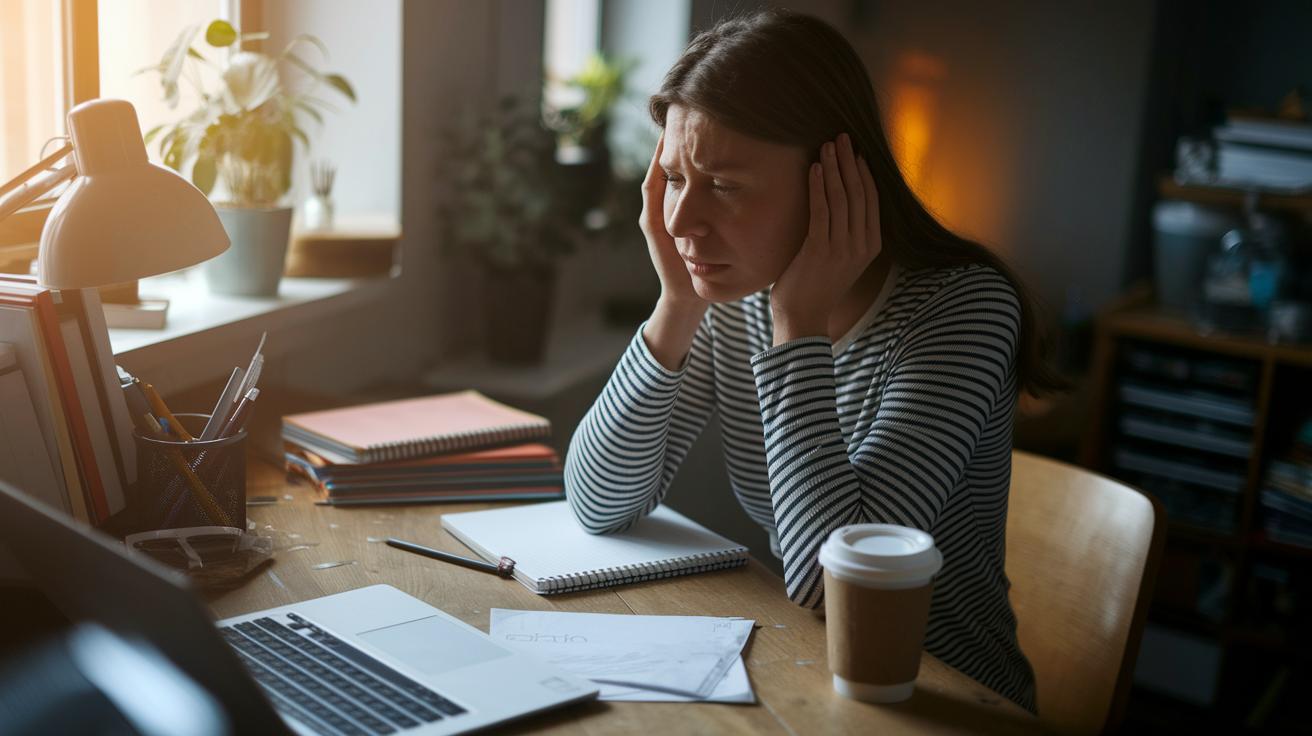
Chronic stress can upset your brain's balance by interfering with neurotransmitters (those tiny messengers that help control your mood). You might find yourself riding waves of anxiety or sudden mood changes, feeling as if your emotions are on a constant rollercoaster. Even everyday conversations and decisions can feel like a heavy burden. Sometimes, it feels like you're carrying too much, and it becomes hard to know which way to turn.
Stress doesn't only weigh on your feelings, it can slow down your thinking too. When your body is always in "stress mode," it puts extra pressure on your brain, especially on parts like the hippocampus (the area that helps you remember things). This can make simple tasks seem tougher, with your focus fading and decisions dragging on. Over time, this mental fatigue makes it hard to stay organized, leaving you feeling worn out and unsure if you can handle even routine challenges.
Evidence-Based Coping Strategies to Manage Chronic Stress

Sometimes stress can feel so heavy that you worry all day long. When that happens, a few small techniques can really help. Try paced breathing: slowly breathe in for five seconds and then exhale just as slowly. I remember hearing about Sam. Before a big exam, he took deep, timed breaths that helped calm his nerves and sharpen his focus. Little changes like this can shift your body away from feeling on edge.
You might also like to experiment with practices that bring calm and help slow your racing thoughts. Guided meditation, for example, can be a great way to settle your mind. Whether it's a meditation for anxiety or a loving kindness meditation script, they offer gentle pathways to calm. Here are some simple strategies to try:
- Paced breathing
- Mindfulness meditation
- Progressive muscle relaxation
- Regular exercise
- Sleep hygiene
When you blend these techniques, they ease anxiety and help you regain a sense of control. With regular practice, you might find your thoughts becoming clearer and your body feeling more at ease, offering some relief from everyday pressure.
Final Words
In the action, we've explored how chronic stress impacts our physical and mental well-being, from speeding up heart rate and straining muscles to clouding mood and memory. We've seen stressed hormones disturb balance while bringing challenges to the digestive and immune systems.
Taking practical steps like paced breathing and mindfulness can help ease the effects of chronic stress. Embracing a routine that supports both mind and body is a simple yet effective way to work toward better living and fitness. Stay positive and take care of yourself every day.
FAQ
What are the common physical symptoms of stress?
The physical symptoms of stress include increased heart rate, tense muscles, headaches, and digestive discomfort. These signs show the body’s natural fight-or-flight response.
How can chronic stress and anxiety be treated?
The treatment for chronic stress and anxiety involves using practical techniques like paced breathing, mindfulness meditation, regular exercise, and improving sleep routines to help calm the body and mind.
What psychological effects and illnesses can stress and anxiety cause?
The psychological effects of stress include mood changes, anxiety, and depression, while stress can also lead to illnesses like high blood pressure and a weakened immune system, affecting overall health.
What causes chronic stress?
Chronic stress is caused by ongoing pressures from work, personal life, and other daily demands that keep the body in a constant state of alert, leading to prolonged release of stress hormones.
What are the short-term effects of stress?
The short-term effects of stress involve rapid heart rate, faster breathing, and temporary muscle tension, which prepare the body for quick responses but can lead to discomfort if sustained.
What happens when stress is prolonged?
Prolonged stress most often results in cumulative health issues such as cardiovascular problems, digestive disturbances, and mental fatigue, as extended pressure continuously disrupts the body’s systems.
How long does it take to recover from extreme stress?
Recovering from extreme stress varies for each person, typically taking weeks or months to regain balance by adopting effective stress management practices and supportive self-care routines.