Have you ever thought that a simple mineral might help ease your daily tension? When our diets lack enough magnesium, our bodies can get stuck in stress mode, making our worries feel much bigger than they are.
Studies show that magnesium plays an important role in calming our nerves, balancing key chemicals in our brains, and relaxing tight muscles. It helps bring a gentle ease to our bodies so we can feel more at peace.
By adding a little more magnesium to your routine, you could start feeling differently today. Imagine letting go of some everyday stress and settling into a calmer, more balanced state of mind.
How Magnesium Supplement for Stress Works in Your Body
Many of us don't get enough magnesium in our diets, and that can add to stress and anxiety. Research shows that when you lack magnesium, your body tends to react as if every little worry is a huge challenge.
Magnesium helps in many ways to keep you feeling calm. For example, it helps manage cortisol, a hormone that rises when you're stressed. It also assists with balancing neurotransmitters like GABA and glutamate, which play a big role in how you feel. Plus, it relaxes your muscles and can make it easier to get a good night's sleep by soothing overactive nerves.
Here’s a quick look at what magnesium does:
| Cortisol Regulation | Neurotransmitter Balance |
|---|---|
| Helps manage stress hormone levels | Keeps chemicals in balance for calm emotions |
| Muscle Relaxation | Sleep Enhancement |
| Calms tight muscles | Promotes a restful sleep by calming nerves |
| Neuroprotection: Supports a healthy nervous system | |
Before you start taking magnesium supplements, it's smart to have a chat with a healthcare provider. They can check if your magnesium levels are low and help you find a safe dose. Even though magnesium is usually safe, having too much might cause problems like diarrhea or nausea. A quick consultation can lay the groundwork for a safe and effective plan to reduce stress.
Best Magnesium Forms for Stress Management

Magnesium citrate is easy to find at the store. It helps with digestion and is absorbed by your body about 30-40% of the time. Many people take 200 to 400 mg each day to help lower stress. Think of it as a gentle sign to your body that it's time to relax.
Magnesium glycinate is a popular choice because it is gentle on your stomach and gets absorbed well. Made by joining magnesium with the amino acid glycine, it helps calm your mind and ease you into sleep. Imagine a caring friend who helps soothe those restless nights.
Magnesium taurate pairs magnesium with taurine for extra brain benefits. This mix is known to relax your nerves, almost like giving your brain a little comforting pat. It supports clear thinking and gives you an overall sense of calm.
Magnesium threonate is unique in its ability to cross into the brain. Recent studies even suggest it might improve your mental sharpness. Picture it as a smart messenger carrying magnesium directly to the areas that help reduce stress and boost clarity.
Magnesium malate absorbs well and is loved for its energy support. It helps both your muscles and your overall energy levels. Think of it as a refreshing boost that keeps your muscles comfortable while ensuring your magnesium levels stay balanced.
| Form | Key Benefit | Bioavailability | Typical Dose |
|---|---|---|---|
| Magnesium Citrate | Helps lower stress and aids digestion | 30–40% | 200–400 mg |
| Magnesium Glycinate | Calming and supports better sleep | High | 200–400 mg |
| Magnesium Taurate | Soothes nerves and promotes clarity | High | 200–400 mg |
| Magnesium Threonate | Boosts cognitive function | Effective brain uptake | 300–600 mg (varies) |
| Magnesium Malate | Supports energy and muscle comfort | High | 200–400 mg |
Recommended Magnesium Supplement Dosage for Stress Relief
The FDA advises that healthy adults get between 310 and 420 milligrams of magnesium daily. If you're managing stress, research sometimes looks at slightly higher levels. Studies on anxiety and depression have examined doses from 300 to 600 milligrams a day. This means that while the standard recommendation is a good start, some people might need a bit more, especially when guided by a healthcare professional.
Many clinical studies suggest that a daily intake of 300 to 600 milligrams could help with stress-related symptoms. The best dose depends on your own needs, diet, and overall health. Researchers are still exploring whether higher doses, along with other care strategies, might offer extra benefits. Keep in mind that your body might respond differently, so these numbers are just general guidelines.
Taking too much magnesium may lead to diarrhea, stomach discomfort, or nausea. Always talk with a healthcare provider before changing your magnesium dosage.
Safety Profile and Potential Side Effects of Magnesium Stress Supplements
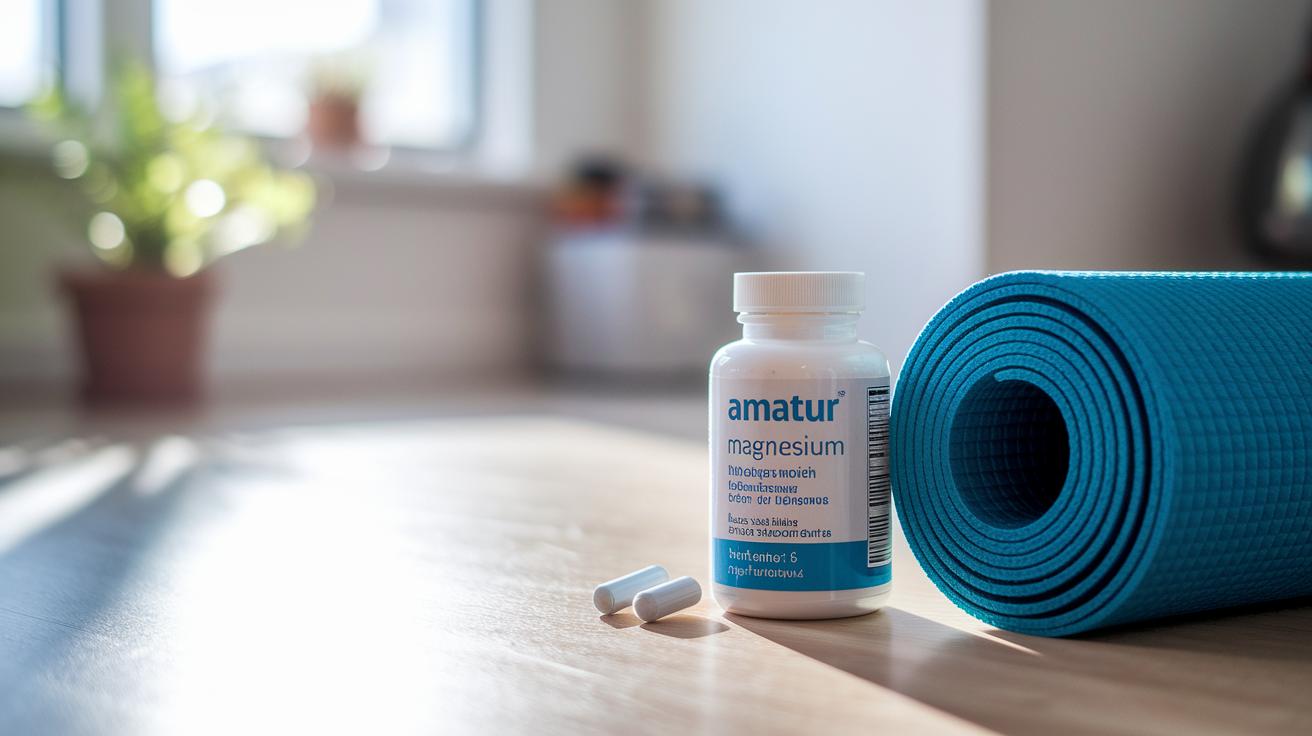
Magnesium stress supplements are generally safe when you stick to the suggested amounts. Studies show that moderate doses work well for most people. If you have kidney issues, be extra careful since your body might take longer to clear out excess magnesium. Taking your dose slowly might give your body a better chance to adjust. And if you’re dealing with ongoing health problems, it’s a good idea to chat with your doctor about the right plan.
Sometimes, you might feel a bit off in your tummy. A few people notice mild issues like diarrhea, nausea, or stomach cramps when they take a higher dose than needed. Try mixing your supplement with a meal or lowering the dose slowly. This simple trick can ease the discomfort while still letting you enjoy magnesium’s benefits.
Comparing Magnesium Supplementation with Other Stress Relief Strategies
Sometimes, simple habits like deep breathing while walking or practicing mindfulness can help melt away stress. Activities such as cognitive behavioral therapy, regular exercise, and mindfulness gently guide your thoughts and actions to bring calm. Imagine taking a few slow, deep breaths during a brisk walk. It’s these easy, everyday moments that soothe your mind without any extra supplements.
Magnesium, on the other hand, works quietly from within. It helps balance stress hormones and brain chemicals by keeping cortisol in check and supporting neurotransmitters like GABA and glutamate. In everyday terms, magnesium acts like a calming friend during tough times, easing your body’s natural reactions to stress. It pairs well with habits that focus on changing behaviors.
Pairing magnesium supplements with a healthy lifestyle could offer a balanced strategy for stress relief. You might take a magnesium supplement to help support your nervous system while also enjoying a bit of meditation or gentle exercise. Together, these approaches can help stabilize your mood and reduce tension. Why not experiment with a daily magnesium routine alongside mindful activities and see if it brings you that extra sense of calm?
Magnesium supplement for stress: Feel Better Now

Eating nutrient-rich foods helps your body handle stress better. Whole foods not only deliver magnesium but also supply extra vitamins, fiber, and antioxidants. It’s like treating your body to a balanced meal that benefits both how you feel and how you think.
Try adding more magnesium-rich foods to your daily meals. For example, nuts like almonds and cashews give you about 80 mg of magnesium per ounce, while a half-cup of beans offers roughly 60 mg. A cup of brown rice provides about 84 mg, and one cup of spinach gives around 157 mg. Plus, low-fat dairy products such as milk and yogurt can also help meet your daily magnesium needs. These foods help balance your mood and can even support better sleep.
It’s a smart idea to talk with a nutritionist about your diet and supplement choices. Personalized advice helps you get the most from natural food sources and supplements to manage stress in a way that feels right for you.
Final Words
In the action, the blog lays out how magnesium helps balance cortisol, calm nerve signals, and ease muscle tension. It covers the science behind its benefits, compares different forms, and stresses the need to follow dosage guidelines to avoid side effects.
We also touched on pairing supplements with magnesium-rich foods for a well-rounded approach. Remember to care for your body step by step, and keep exploring effective ways to boost overall health with a trusted magnesium supplement for stress.
FAQ
What is Magnesium Glycinate?
Magnesium Glycinate is a gentle form of magnesium that supports sleep and stress relief by increasing magnesium levels with high bioavailability while being easy on your digestive system.
How does magnesium help with stress and anxiety?
Magnesium helps manage stress and anxiety by regulating cortisol levels and balancing neurotransmitters like GABA, which supports muscle relaxation and improves sleep quality.
What is the best magnesium for anxiety and depression?
The best magnesium for anxiety and depression often includes forms such as Magnesium Glycinate and Magnesium L-Threonate, which offer calming benefits and support cognitive function for mood balance.
How much magnesium should I take to lower cortisol?
To help lower cortisol, magnesium doses typically range from 300 to 600 mg daily, though individual needs differ, so it’s wise to seek guidance from a healthcare provider.
When is the best time to take magnesium for anxiety?
The best time to take magnesium for anxiety is often in the evening when it aids muscle relaxation and sleep, but a professional can tailor timing based on your specific needs.
What is the best magnesium supplement?
The best magnesium supplement depends on your goals, with options like Magnesium Glycinate for sleep support, Magnesium L-Threonate for cognitive benefits, and Magnesium Citrate for enhanced absorption being popular choices.
What type of magnesium is best for stress?
The best type of magnesium for stress includes options like Magnesium Glycinate and Magnesium Taurate, as they provide calming effects on the nervous system while supporting muscle and sleep health.
Can magnesium help with stress?
Magnesium can help reduce stress by regulating the stress hormone cortisol, balancing essential neurotransmitters, and promoting muscle relaxation, which collectively contribute to a calmer state of being.
What are the signs of low magnesium?
Signs of low magnesium can include muscle cramps, fatigue, irritability, poor sleep, and even irregular heartbeats, indicating that your body might benefit from more magnesium in your diet or supplements.
How much magnesium should I take to help with stress?
For stress relief, daily magnesium intake of 300 to 600 mg is commonly used in studies, but it’s important to consult a healthcare provider to tailor the dosage to your personal needs.