Have you ever thought a quick workout might give you a burst of energy and lift your spirits? This guide is perfect for beginners looking to start a 20-minute routine with a gentle warm-up and some simple, fun moves. The plan mixes brief bursts of activity with short moments to catch your breath, making it easy to fit into your daily life. Ready to feel more active and confident? Read on to discover how these easy steps can help you feel more lively and motivated every day.
Your First Exercise Routine for Beginners: Step-by-Step Guide
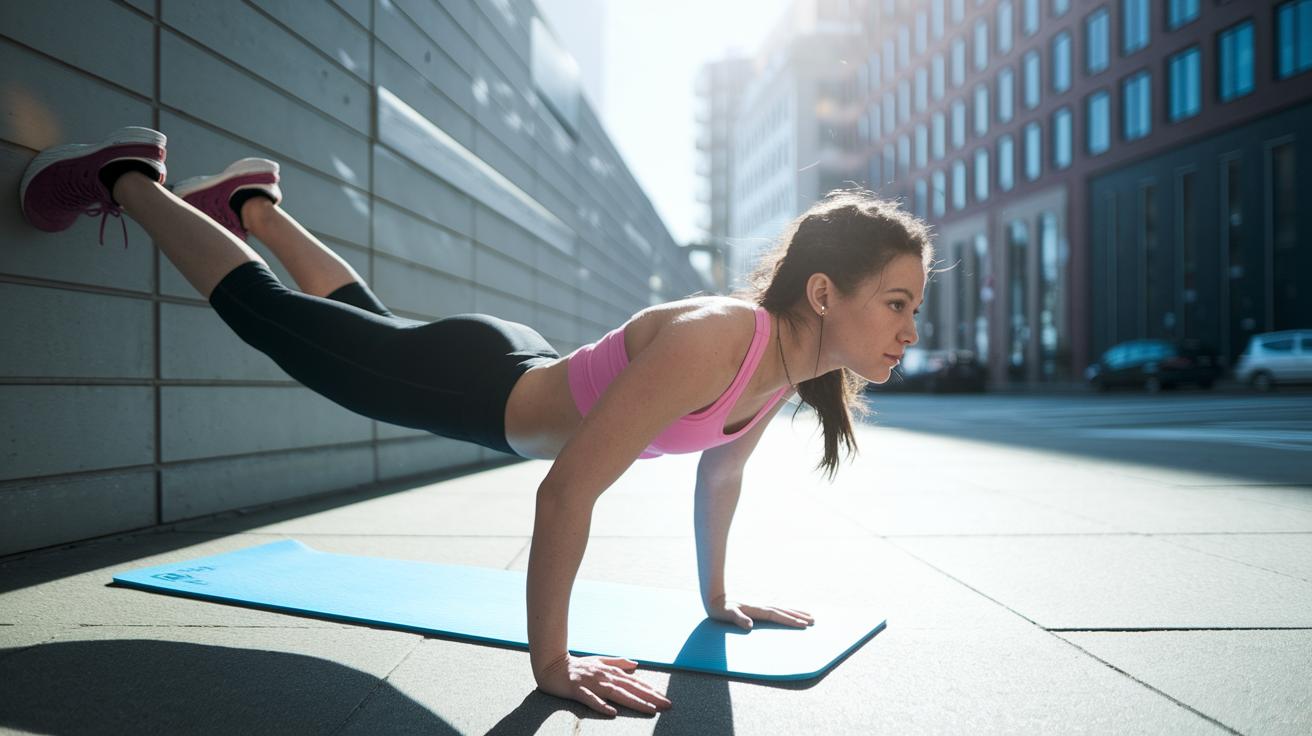
This routine is a 20-minute bodyweight circuit perfect for getting you moving and boosting your overall fitness. It begins with a 5-minute brisk walk to wake up your heart and loosen your muscles. Next, you'll go through three rounds of a circuit featuring five different moves. Each round mixes quick bursts of energy with slow, mindful movements. You'll even incorporate lively actions like leg swings to keep things fun. To finish up, you'll enjoy a 5-minute cool-down with gentle stretches held for 30–45 seconds each, giving your muscles time to recover.
For each move in the circuit, aim for 2 to 3 sets of 12–15 repetitions, taking a short 30-second break between the sets. It’s important to watch your form so you build strength safely and lessen the chance of injury. Feel free to adjust the pace to match your comfort level while still challenging yourself. Every exercise in this routine targets several muscle groups, helping to improve your coordination. Best of all, there's no need for any equipment, so you can do these exercises at home or anywhere you like.
Try to do this 20-minute circuit 2 to 4 times each week, giving your muscles at least 48 hours of rest between sessions. This steady routine helps you make progress without overworking your body, keeping you energized and feeling great.
- Wall push-ups – 2 sets of 12–15 reps
- Bodyweight squats – 2 sets of 12–15 reps
- Supported lunges – 2 sets of 12–15 reps per leg
- Knee planks – 2 sets, holding each for 30 seconds
- Walking jacks – 2 sets of 12–15 reps
Essential Warm-Up and Cool-Down for Beginner Exercise Routines

Before you jump into your workout, it's great to start with a warm-up. A warm-up gets your blood flowing, raises your heart rate, and helps loosen up muscles that might be tight. Imagine a brisk walk that makes you feel energized right away.
Try this simple warm-up routine:
- Walk briskly for about 5 minutes.
- Do some leg swings to relax your hips.
- Make arm circles to get your shoulders moving.
- Rotate your ankles to get your lower legs ready.
- Perform dynamic hip openers to wake up your core.
After your workout, it's just as important to take a moment to cool down. Cooling down helps ease muscle tension and allows your body to gradually relax. Think of it as a way to let your muscles unwind after a hard effort.
Here’s a cool-down routine to try:
- Hold a hamstring stretch for 30-45 seconds.
- Do a quadriceps stretch for 30-45 seconds on each leg.
- Stretch your chest to open up your upper body.
- Stretch your shoulders to ease any tightness in your arms.
Regularly including these warm-up and cool-down exercises can help lower your chances of injury and keep your workouts safe and effective. Enjoy your journey to feeling healthier and stronger!
Beginner Bodyweight Exercises for Effective At-Home Training

When you work out using your own body weight, you're naturally boosting your energy, balance, and strength. It feels a bit like following a cooking recipe, each step builds on the last to create something satisfying. If traditional push-ups seem too difficult at first, try starting with wall push-ups and then move on to knee push-ups to gently build upper body strength.
- Wall push-ups – 2 sets of 10 to 15 reps
- Knee push-ups – 2 sets of 10 to 15 reps
- Assisted squats – 2 sets of 10 to 15 reps
- Good mornings – 2 sets of 10 to 15 reps
- Supported lunges – 2 sets of 10 to 15 reps per leg
- Doorway rows – 2 sets of 10 to 15 reps
- Knee planks – 2 holds for 30 seconds
- Side planks – 2 holds for 30 seconds
Start with this circuit and make sure each move feels steady. As you get more comfortable, try adding extra repetitions or holding your planks for a little longer. Once you nail assisted squats with great form, slowly lessen your hand support. This way, you'll safely build endurance and muscle, no matter where you begin.
Integrating Basic Strength Training in Beginner Exercise Routines
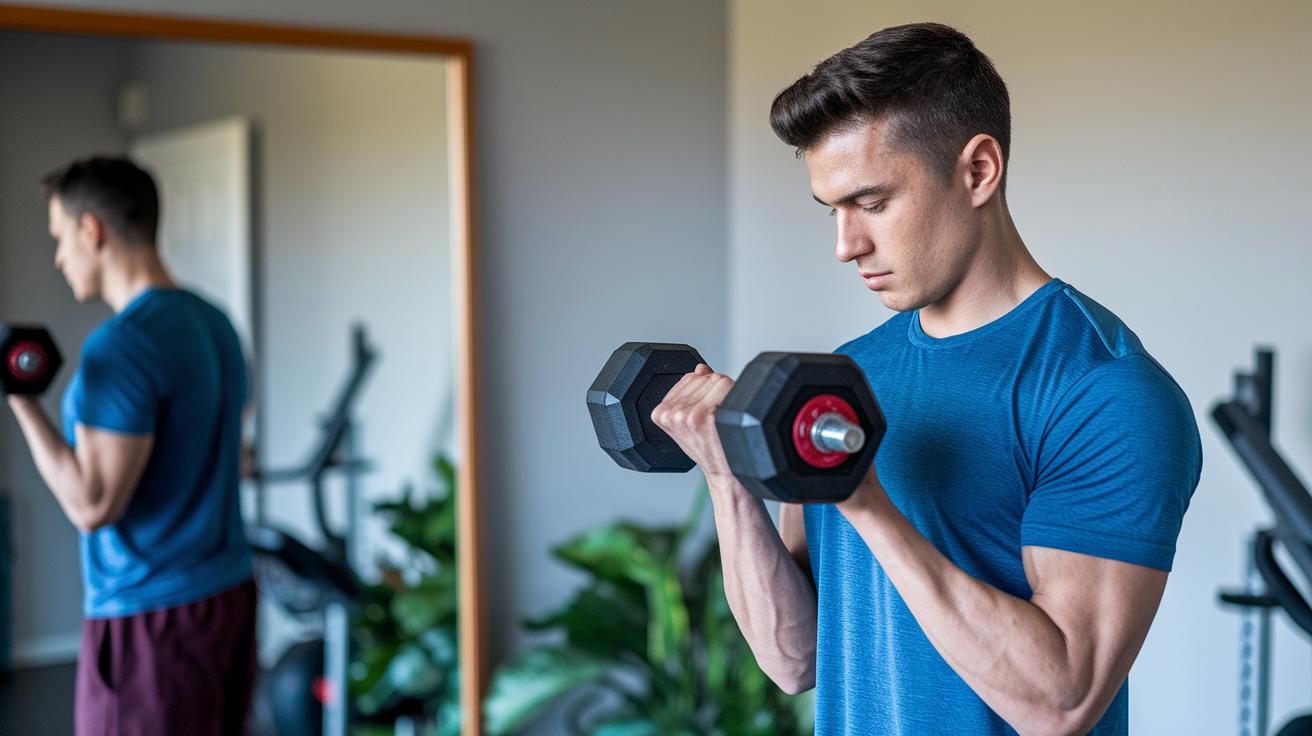
Starting strength training is a fun way to boost your muscle and help your posture. It feels great to notice small gains as you work out. Begin with light weights so you can master each move without worrying about injury. Simple exercises, like goblet squats and chest presses, help build a solid base of strength.
As you get comfortable, you might want to try band exercises such as band deadlifts or band rows. Doing similar sets and repetitions with these can gradually boost your confidence and prepare you for more challenging routines later.
| Exercise | Sets/Reps | Equipment | Rest |
|---|---|---|---|
| Goblet Squat | 3×12 | Dumbbell | 30 sec |
| Chest Press | 3×10 | Dumbbell | 30 sec |
| Single-Arm Row | 3×12 per side | Dumbbell | 30 sec |
| Shoulder Press | 3×10 | Dumbbell | 30 sec |
Remember to check your form often. Using a mirror or asking a friend for a quick look can help catch mistakes early on. Choosing light weights lets you focus on your technique and slowly build up intensity while keeping it safe. Enjoy each workout, and trust that every little step is a win for your health!
Planning Your Weekly Beginner Exercise Routine Schedule
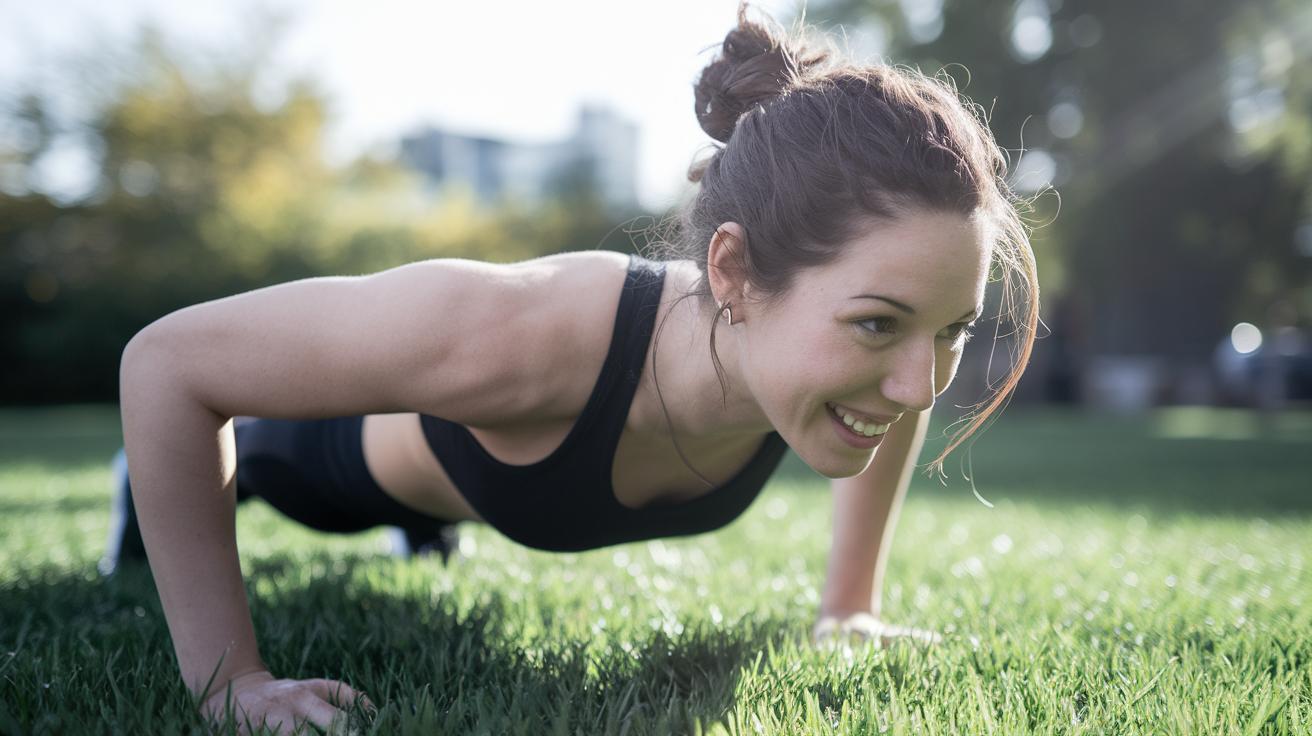
Start your week with sessions that feel just right, helping you move forward at your own pace. This five-week plan blends gentle cardio and full-body strength work, gradually adding more variety and challenge as you build up. For more ideas on cardio workouts, visit Cardio Workouts Exercises.
| Week | Resistance | Cardio | Rest Days |
|---|---|---|---|
| 1 | 1 full-body session | 2 low-impact sessions | 4 |
| 2 | 1 resistance session | 1 longer + 1 combo session | 4 |
| 3 | 1 resistance session | 1 moderate interval + 1 combined session | 4 |
| 4 | 1 resistance session | 1 resistance+cardio + 1 interval session | 3 |
| 5 | 1 resistance session | 1 resistance+cardio + 1 interval session | 3 |
Remember, everyone moves at their own speed. Listen to your body and adjust the workouts as needed. If you're feeling tired, give yourself extra rest. And if you're up for more challenge, feel free to push a bit further. Enjoy the journey and celebrate every small win!
exercise routines for beginners: Energize Your Life
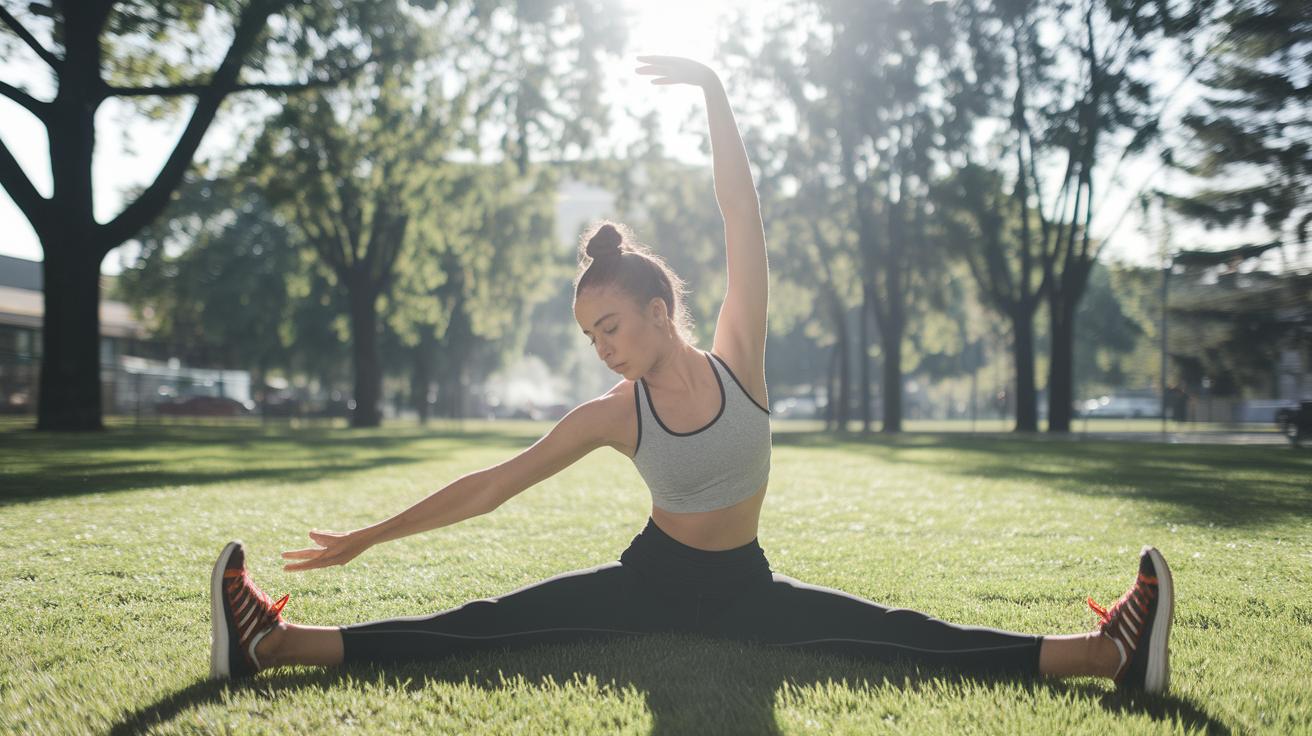
Imagine crafting a workout plan that fits you perfectly. When you design your routine to match your energy and strength, exercise becomes less scary and more fun. You build up slowly, enjoying every little win along the way. Plus, you get to set the pace according to how you feel, making your workouts both safe and exciting.
There are three levels to choose from so you can match your routine to your current strength and goals. If you're just starting, Level 1 is a great pick. It includes simple moves like chair squats, wall push-ups, and a 15-minute gentle walk. Need a bit more action? Level 2 introduces bodyweight squats, knee push-ups, and a moderate walk or light jog. And when you're ready for a real challenge, Level 3 offers jump squats, regular push-ups, and an interval jog. Feel free to switch between levels based on how your body feels and your progress every week.
Staying Motivated with Exercise Routines for Beginners

Start by setting clear, measurable goals. Think about what really matters to you, maybe it's boosting your energy or lifting your mood. Writing a goal like "I will do a 20-minute workout daily" can serve as a friendly reminder of why you're exercising in the first place. Check in with yourself monthly to see how you're doing and make any needed tweaks.
Tracking your workouts can make the whole experience feel even more rewarding. Use a calendar or a simple journal to mark the days you exercise. It feels great to see those checkmarks add up and celebrate each small win. This visual progress can help you plan ahead and make little changes to keep things fresh.
Getting support can really help you stay on track. Whether you join an online group or work with a coach, sharing your ups and downs makes a big difference. A caring community can lift you up on tough days and keep you motivated to stick with your routine. Don't hesitate to share your progress with someone who understands, you might be surprised at the extra boost it gives you.
Final Words
In the action of creating your daily routine, we talked about how simple moves can boost your energy and help you feel great. We covered a complete guide with warm-ups, bodyweight work, light strength training, and a weekly plan. Each tip aimed to make your fitness routine easy to follow. With practical exercise routines for beginners and helpful pointers to match your pace, you’ve got the tools to feel empowered and keep moving forward. Keep enjoying every step toward a healthier, happier life.