Have you ever realized that simply focusing on your breath for a few quiet minutes can lift your mood? It might seem like a small act, but taking time to breathe slowly can calm your mind and ease stress.
This easy guide takes you through simple steps to clear your head. Think of it like hitting a reset button during a busy day, a brief pause that brings inner peace and a fresh outlook.
Isn't it amazing how a tiny habit can bring a refreshing shift to your everyday life?
Step-by-Step Guide to Practicing Mindful Breathing
Taking a few quiet minutes just for noticing your breath can feel like a gentle break. When you set aside a small time for this practice, you allow yourself a moment to unwind and relax both your body and mind. It's like giving yourself a little reset during a busy day.
Getting comfortable is key here. Whether you choose to sit or lie down, picking a calm spot helps your body relax and makes it easier to notice the natural rhythm of your breath. A quiet space turns each practice into a refreshing pause that we all sometimes need.
- Find your quiet place and get comfortable.
- If you like, close your eyes.
- Breathe in slowly through your nose, feeling the air fill your lungs.
- Breathe out gently through your mouth or nose, noticing the air leave your body.
- Continue this for 3–6 minutes. When your mind starts to wander, simply guide your focus back to your breath.
With a little practice each day, these few minutes can help you feel calmer and more focused. Even a short mindful breathing session can turn a stressful moment into a chance to reconnect with yourself and enjoy a sense of inner peace.
Key Benefits of Mindful Breathing Practice
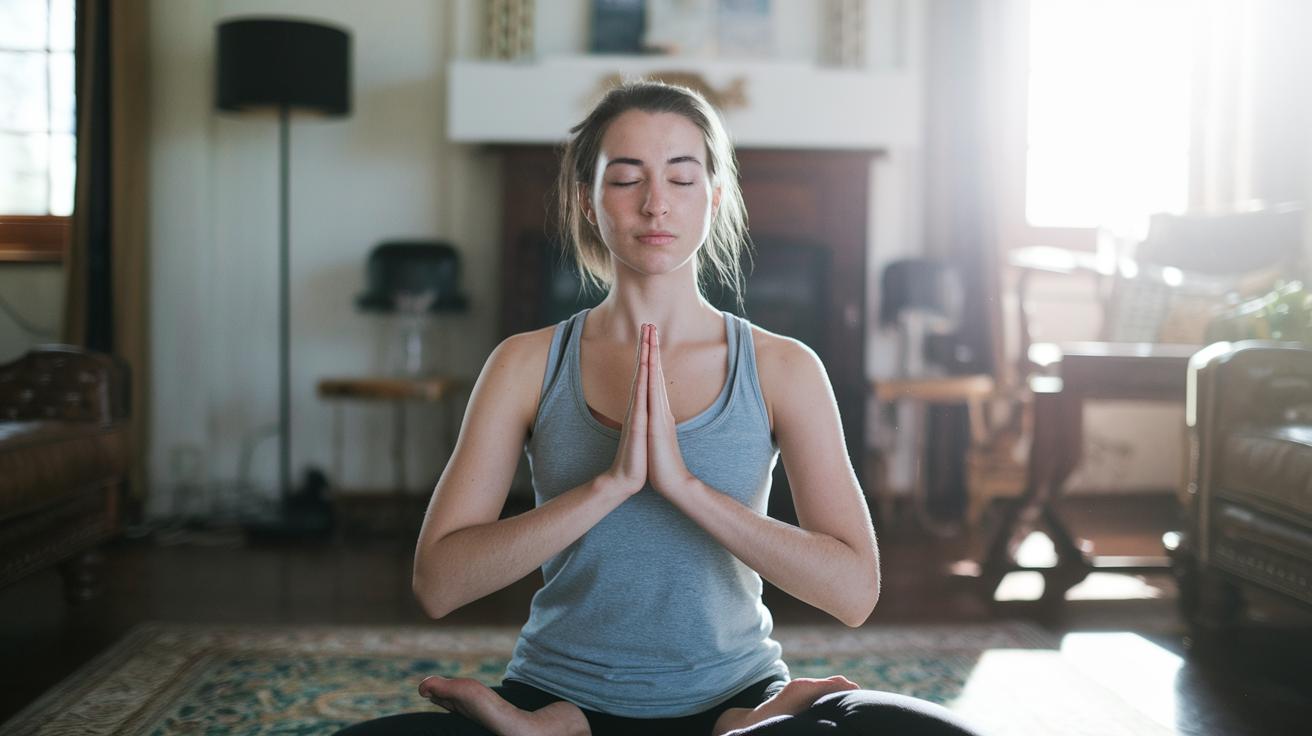
Scientific research tells us that taking a few deep, mindful breaths can ease stress and even lessen physical pain. Studies have shown that just a quick, 3-minute breathing exercise can calm your mind and disrupt stressful thoughts. In simple terms, controlled breathing helps you feel better by reducing pain and negative feelings, as seen by research conducted in 2010 and 2014.
Everyday experiences back up these findings too. Many people share that a 6-minute mindful breathing session sharpens their focus and brings a much-needed sense of calm during tough moments. Some patients, including those facing serious health issues, say that this focused breathing gives them a tiny breather from emotional burdens and stress.
| Benefit | Typical Duration | Research Year |
|---|---|---|
| Pain relief | 3 min | 2010 |
| Anxiety reduction | 6 min | 2014 |
| Mental clarity | 6 min | 2014 |
Seeing these steady benefits from both science and daily practice explains why many people choose to spend just a few minutes breathing mindfully. It’s like giving yourself a little pause that helps clear your mind and bring some inner peace.
Focused Inhalation and Controlled Exhalation Techniques
Triangle Breathing
Try the Triangle Breathing method. Inhale slowly for four seconds, hold your breath for four seconds, and exhale gently for another four seconds. This simple rhythm helps clear your mind and brings balance. Picture it as setting a basic timer that guides your body into feeling relaxed while you focus only on your breath.
Anchor Breathing
For Anchor Breathing, notice the feeling of your fingertip moving as you breathe. As you take in and let out your breath, feel that gentle rise and fall. This little physical cue helps keep distracting thoughts away and brings a sense of calm with every breath.
Five-Finger Breathing
The Five-Finger Breathing exercise adds a fun, hands-on twist. Trace along your finger as you breathe, inhaling as you slide upward and exhaling as you move downward. This connecting of touch and breath turns a simple act into a soothing, sensory experience.
When trying these exercises, pick one method each session so you can get comfortable with it. Visual aids like a GIF demonstration can be really helpful for syncing your pace until you feel ready to relax naturally.
Deep Lung Relaxation and Breath Expansion Methods
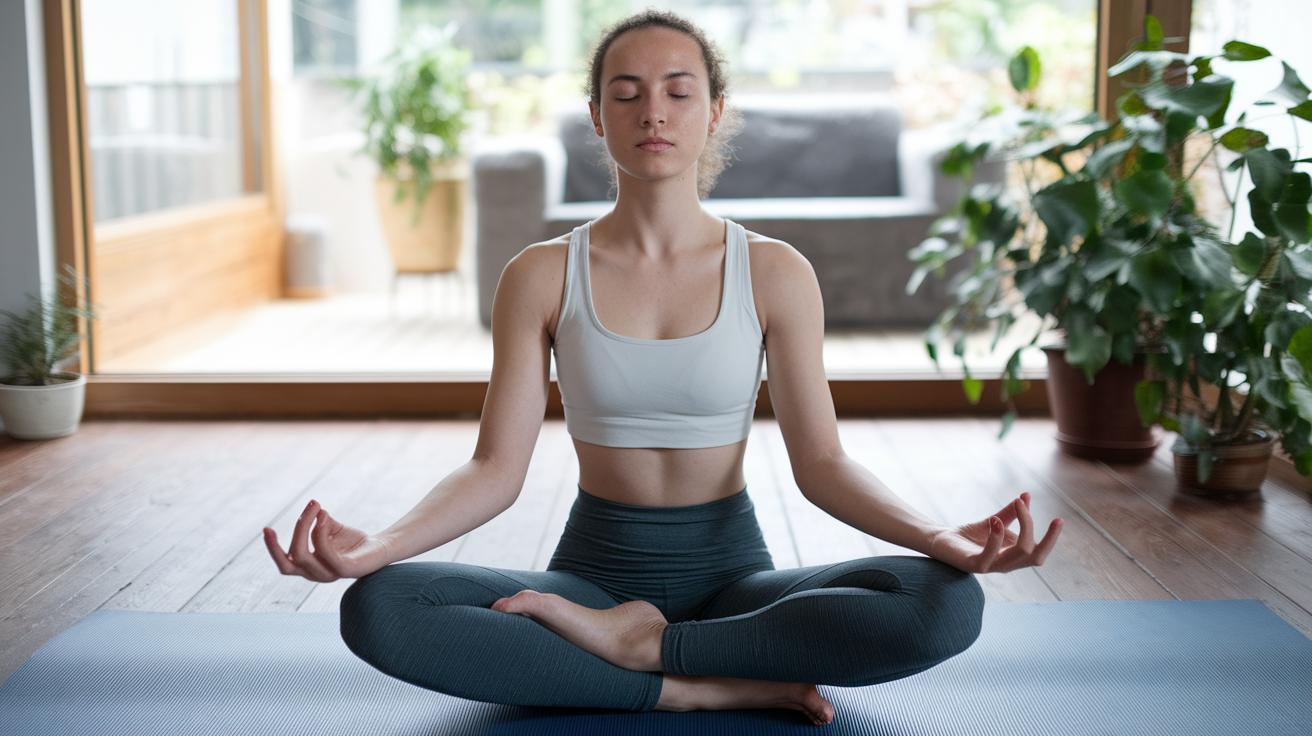
Diaphragmatic breathing is a gentle way to take full, deep breaths by using the diaphragm. You let your belly rise as you breathe in, which helps draw in more air and brings a soothing calm to your body. Imagine a warming, soft wave moving through your belly with every inhale.
As you practice this deep breathing technique, notice how your body starts to relax. A slow, deep breath sends a signal to calm your heart and ease tension. If you’re just beginning, try spending five to ten minutes focused on these breaths. With time, you can extend your practice to around twelve minutes as your body gets more comfortable. Every steady breath allows oxygen to flow easily, helping stress fade away and clearing your mind for a lighter, healthier feeling.
Incorporating Mindful Breathing into Daily Life
Incorporating mindful breathing into your day is easier than you might think. Whether you're working at your desk, relaxing in a quiet corner at home, or even taking a short break on the go, setting aside two or three mini-sessions can change stress into moments of peace. Imagine pausing during your busy day to take a few deep, calm breaths that reconnect you with your body and ease your mind.
You can use simple reminders like setting an alarm or taking a quiet moment after lunch to trigger your breathing routine. These little cues help you remember to focus on the natural flow of your breath. With consistent practice, these gentle signals turn stressful, hectic moments into opportunities for clarity and calm.
Sometimes, joining a retreat or a group workshop can deepen your practice even more. Places like holistic wellness retreats offer a peaceful space where you can work on your breathing techniques with others. These sessions not only let you escape everyday pressures but also help you build healthy, supportive habits for a steadier, more relaxed life.
Troubleshooting Common Mindful Breathing Challenges
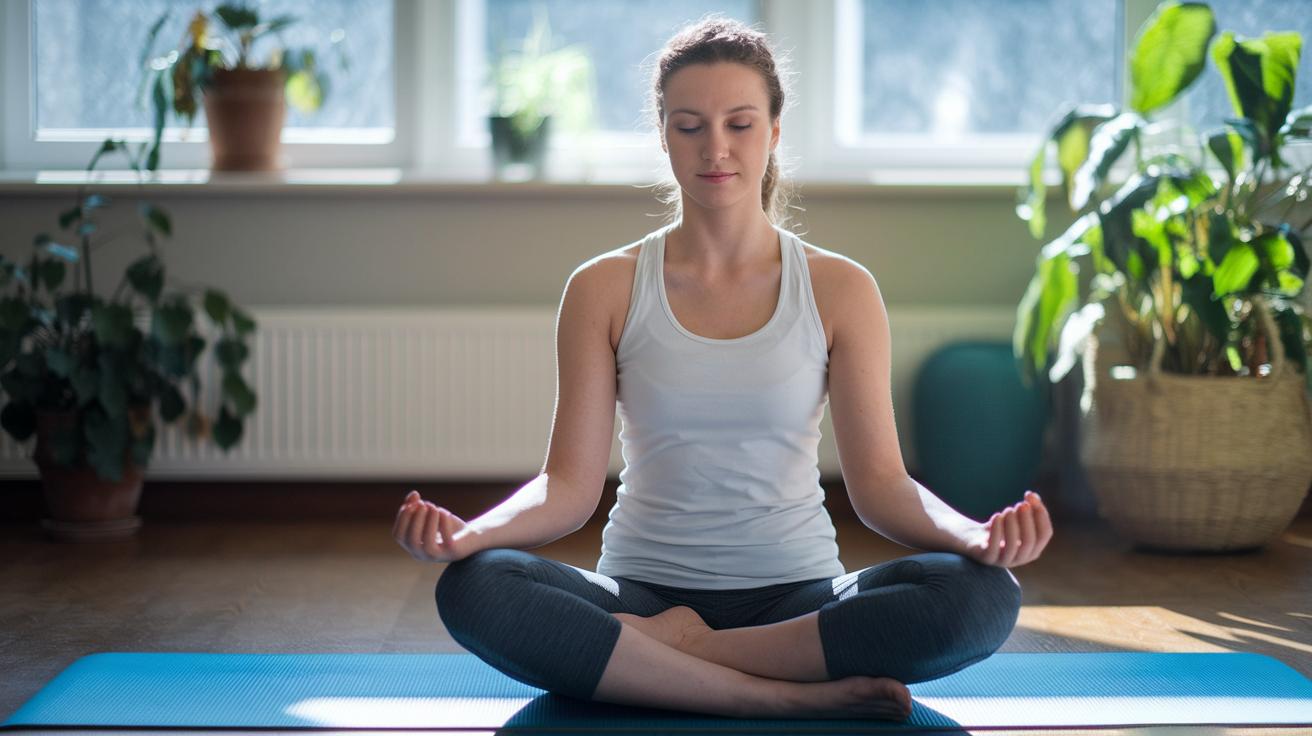
Ever notice your mind drifting when you try to focus on your breathing? It happens to many of us. Sometimes, your thoughts wander off, making it hard to stay with the natural flow of your breath. Plus, if you're not sitting or lying down comfortably, you might end up with shallow or fast breathing. A noisy room or an awkward position can really throw off your calm.
It can also feel a bit much if you try long sessions right away, especially when you’re just starting out. Even with good intentions, long practice sessions might feel too hard or tiring.
So here are some easy fixes. First, do a quick posture check. Adjust your seat or lying position so your body feels relaxed and supported. Then, set a timer and start with a short, three-minute session to build your comfort without feeling overwhelmed. Lastly, consider using a little guide, maybe a short audio clip or a simple visual cue, to help keep your focus steady during your practice.
Final Words
In the action, we broke down clear, easy steps on how to practice mindful breathing. We shared techniques that keep your breath gentle and natural while highlighting how a few minutes of focused inhalation and controlled exhalation can ease stress and boost your mood.
We also explored ways to fit these mini-practices into everyday routines and tips to fine-tune your method. Enjoy every breath as a refreshing boost to your well-being.
FAQ
Where can I find mindful breathing scripts or PDFs?
The mindful breathing scripts and PDFs offer clear, guided instructions for different session lengths like 1 minute or 5 minutes, making it easy to follow along at home or at school.
What are the benefits of mindful breathing?
The benefits of mindful breathing include reduced stress, improved focus, and less anxious feelings by simply tuning into your natural breathing rhythm during your practice.
How do you practice mindful breathing and practice breathing correctly?
Practicing mindful breathing means finding a quiet spot, sitting or lying comfortably, closing your eyes, and gently focusing on your natural in-breath and out-breath while bringing your mind back when it wanders.
What is the 4 7 8 breath technique?
The 4 7 8 breath technique involves inhaling for 4 seconds, holding your breath for 7 seconds, and exhaling for 8 seconds, a method that helps calm your body and ease stress.
What is the 3 3 3 breathing method?
The 3 3 3 breathing method means inhaling for 3 seconds, holding for 3 seconds, and exhaling for 3 seconds, making it a simple approach to quickly refocus and relax your mind.
Is there a mindful breathing exercise for students?
Mindful breathing exercises for students provide a quick, easy way to manage stress, boost concentration, and support overall calm during busy school days and exam moments.
How can I access a mindful breathing video?
Mindful breathing videos offer visual guidance on posture and techniques, making it easier to learn the exercise correctly and practice the breathing method effectively at your own pace.