Have you ever thought that one deep breath could change your whole day? There's a method called alternate nostril breathing that comes from old yoga traditions. It might be the key to a calm mind and balanced energy.
Picture cool, fresh air easing your stress, like a soft breeze on a warm day. This simple trick can help relax your body, lower your stress, and clear your thoughts.
Keep reading, and you'll learn how this easy practice can offer a peaceful break and help you feel truly relaxed.
alternate nostril breathing yoga: Embrace Tranquility
Alternate nostril breathing, also known as Nadi Shodhana, comes from ancient yoga teachings dating back to 150 BCE. This simple practice helps balance your energy and clear your mind. Just like feeling a cool breeze on a warm day, it brings calmness and inner peace.
This breathing technique can help ease tension, lower stress, and even soothe headaches. Many people say it helps them focus better and think clearly. Whether you're new to yoga or have been practicing for years, it's a gentle way to prepare your mind for meditation or yoga moves.
- Sit comfortably in Sukhasana or on a chair with your back straight.
- Use your right thumb to close your right nostril and breathe out completely through the left.
- Slowly breathe in through your left nostril, then close it with your ring finger and breathe out completely through the right.
- Now, breathe in through the right nostril, close it, and exhale through the left. Keep a smooth, even rhythm as you continue.
When you start, try taking 4 counts for each breath in and out to find your natural rhythm. Once you feel more comfortable, you can try an 8-count rhythm. Always sit with a straight spine and relaxed shoulders. Try sitting on a soft cushion or folded blanket to ease any discomfort in your knees. Picture a calm morning where your breath syncs perfectly with your body’s natural flow.
Deep Dive into the Science of Alternate Nostril Breathing Yoga
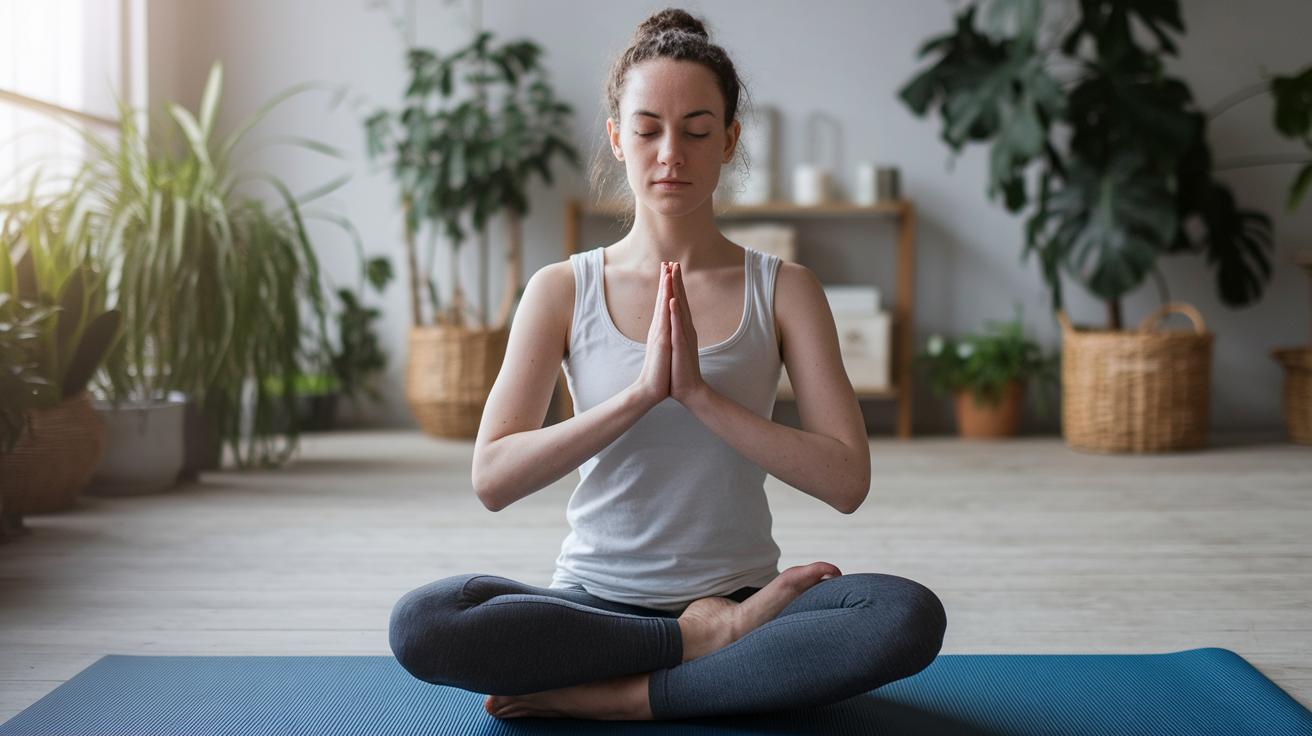
A 2017 study published in the International Journal of Research in Medical Sciences showed that Nadi Shodhana can help your heart, lungs, and brain get more oxygen. This boost in oxygen supports a healthier heart and even calms your mind. Researchers noticed that even a few minutes of this breathing pattern can be like a mini relaxation break, lowering your heart rate and blood pressure, almost like taking a tiny dose of caffeine, but without the jitters.
When you practice this technique with care, it helps your breathing and heart work in sync. You might feel a gentle flow of oxygen that brings comfort and ease to your body as you go about your day.
Other research, like EEG tests, found that alternate nostril breathing can balance the activity between the two sides of your brain. This means you might notice improved focus and memory after you try it. A lot of people say their concentration feels sharper, think of it as a natural boost for clear thinking and stress relief.
Benefits of Alternate Nostril Breathing Yoga for Mental Health
Alternate nostril breathing is a gentle practice that brings calm and balance to your everyday life. It works by activating your body's natural relaxation system, which can help ease anxiety and melt away tension. Imagine taking a moment during your busy day to focus on slow, rhythmic breathing while the stress simply drifts away.
This simple nadi shodhana technique can help lower cortisol levels, the stress hormone, making it easier for your mind to feel clear. Many people enjoy short sessions of mindful breathing to help manage their emotions. It’s like giving your brain a quick break from the chaos, allowing calm to take over.
Regular practice can lead to better mental clarity and focus. You may find that your concentration improves and your memory becomes sharper. Think of it like savoring a cool drink on a hot day, every sip clears your mind and energizes your spirit, making tough tasks feel a bit easier.
Many folks use this method as a warm-up before diving into deeper meditation or starting their yoga poses. It clears out the mental clutter and gets your body ready to embrace the next part of your routine, laying the groundwork for a more mindful and emotionally balanced day.
Beginner-Friendly Tips and Safety Precautions in Alternate Nostril Breathing Yoga
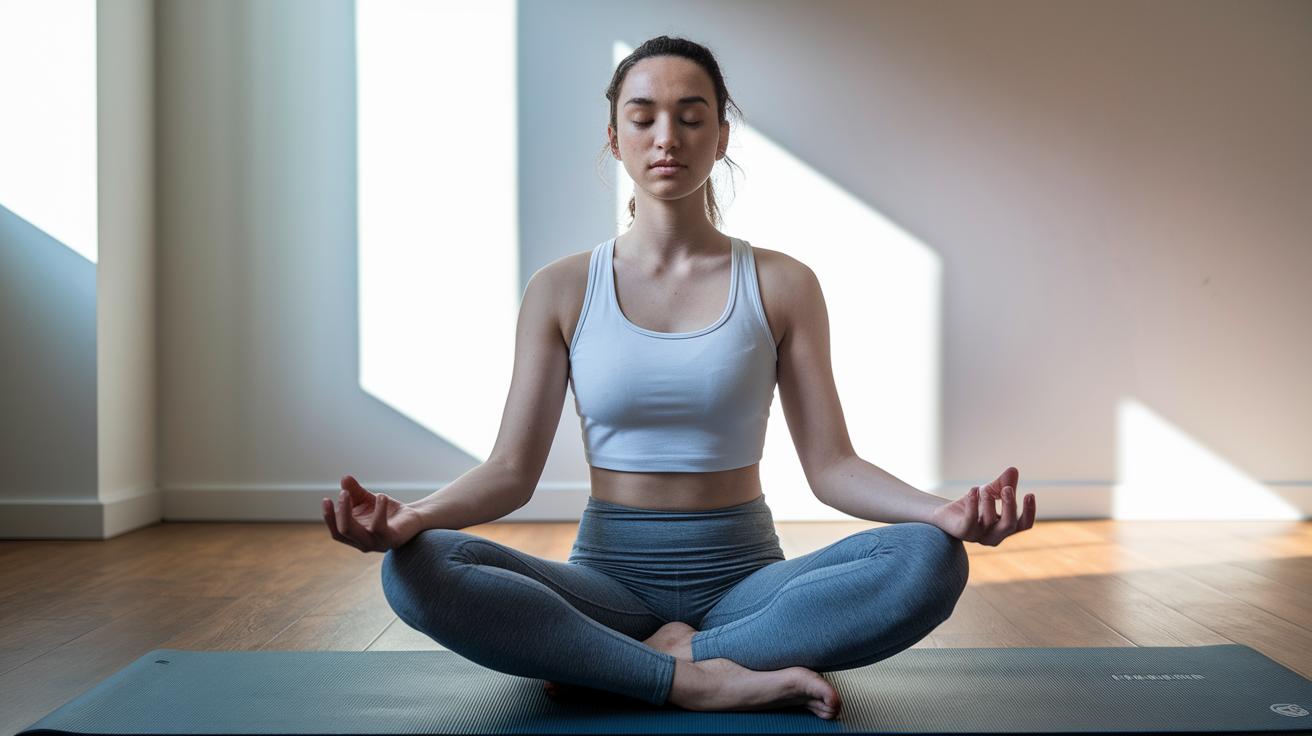
Start with a brief 3-5 minute session and slowly work your way up to 10 minutes as you get more comfortable. This simple guide is here to help you practice these nostril exercises safely and mindfully.
| Modification/Precaution | Details |
|---|---|
| Elbow Support | If your shoulder or neck feels strained, try resting your right elbow on a chair or cushion. |
| Breath Retention Caution | If you have high blood pressure, asthma, emphysema, or heart issues, skip holding your breath during the practice. |
| Dizziness Safeguard | Stop right away if you feel lightheaded or dizzy and get advice from a professional before continuing. |
It’s important to listen to your body as you go. If you feel any discomfort, take a break and check in with a qualified instructor before getting started again. Adjust the length and intensity to suit what feels best for you, so this practice helps boost your well-being without any strain.
Historical Roots and Yogic Philosophy of Alternate Nostril Breathing Yoga
Alternate nostril breathing started long ago. It first appears in the Yoga Sutras from around 150 BCE and is later explained in books like the Hatha Yoga Pradipika. This simple method, known as nadi shodhana, has been passed down through many generations. It connects us with ancient ideas about pranayama (breath control) that have enriched yoga for many years.
The Sanskrit words "Anuloma" (with the grain) and "Viloma" (against the grain) reflect how the breath flows in a steady way. They remind us of how this practice cleans the body’s energy paths. In simple terms, it helps clear the channels in our body and balances our pranic energy (the life force) with a natural, calming rhythm.
This breathing technique often comes first when preparing for more advanced yoga exercises. It helps calm both the body and mind, making it easier to move on to deeper breathing practices and challenging poses. In truth, mastering this method lays a strong foundation for a peaceful and balanced yoga practice.
Variations and Advanced Techniques in Alternate Nostril Breathing Yoga
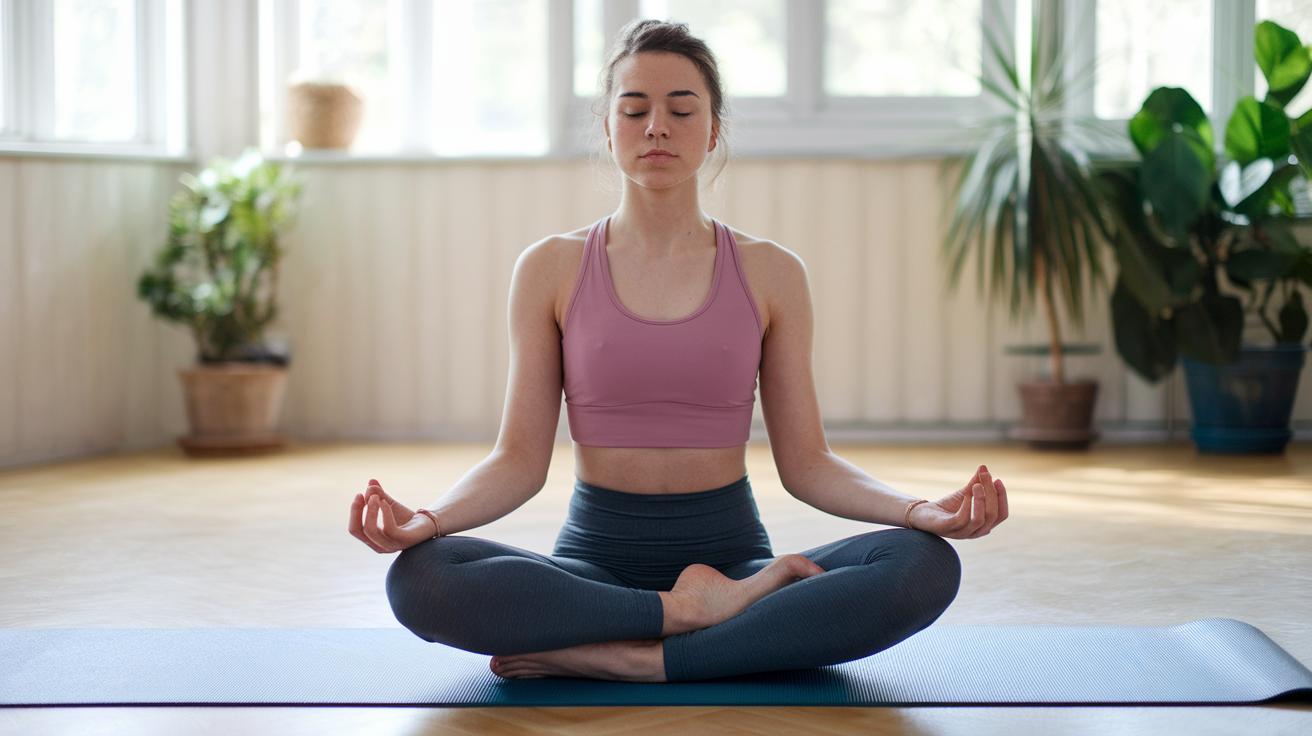
If you are an experienced yogi, you might enjoy mixing a gentle Ujjayi breathing style with alternating your nostrils. Ujjayi breathing is a technique that produces a soft sound when you breathe, helping you stay focused. Try taking an 8-count inhale and an 8-count exhale on each side. This slow, steady rhythm boosts your energy and brings balance to your mind and body.
When you feel ready to try adding Kumbhaka, or breath holding, do so with care. This method uses a ratio of 1 count for the inhale, 4 counts holding the breath, and 2 counts for the exhale. Only try this if you feel comfortable and have no health concerns. Listen to your body and slow down if you notice any discomfort.
You can also add Mula Bandha, known as the root lock, into your deep breathing practice. This simple lock helps keep your energy steady by gently stimulating your nerves and supporting your body through long exhalations. Experiment with using it during your deep breaths to find a new level of calm and focus.
Incorporating Alternate Nostril Breathing into Your Daily Yoga Sequence
Start your practice with alternate nostril breathing as a gentle warm-up. You can also enjoy it as a quiet ritual in the morning or evening. This simple exercise calms your mind and helps steady your breath. It’s like the soft patter of rain, clearing your thoughts and setting a peaceful tone for the rest of your session.
Try mixing this breathing with your Sun Salutations. For example, do 3 to 5 cycles between rounds, or sync your slow, deep breaths during poses like Warrior II. This way, you blend the gentle flow of movement with mindful breathing, making your yoga routine feel smooth and natural.
Many people find guided audio sessions or yoga apps helpful. They often offer short 5-10 minute classes focused on alternate nostril breathing. On busier days, a quick 3-minute session works just fine, while on slower days, a 10-minute routine can deepen your practice. Over time, this habit brings better focus, smoother transitions between poses, and a more balanced and mindful yoga experience.
Final Words
In the action, this guide walked you through simple steps to try alternate nostril breathing yoga. Clear instructions, safety tips, and practical ideas make it easy to embrace balanced exercise and mindful nutrition.
We also explored the science behind calming breaths and the rich history this practice holds. Incorporate these tips into your daily routine to reduce stress, clear your mind, and feel more at ease every day. Every mindful breath is a step toward better living.
FAQ
What benefits does alternate nostril breathing offer and is it good for you?
Alternate nostril breathing improves oxygen flow, balances brain hemispheres, reduces stress, and can lower heart rate, contributing to overall physical and mental well-being.
How does alternate nostril breathing help with anxiety?
Alternate nostril breathing calms the mind by activating your parasympathetic response, which reduces stress and alleviates anxiety quickly and naturally.
Is alternate nostril breathing yoga suitable for beginners?
Alternate nostril breathing for beginners is easy to learn; the simple steps involve sitting comfortably and alternating nostril closure to create a steady, calming breath.
What side effects might occur during alternate nostril breathing yoga?
Some may experience mild dizziness or anxiety if the practice is rushed; it’s best to take slow, measured breaths and stop if discomfort arises.
How can I find alternate nostril breathing guidance on YouTube?
YouTube hosts many alternate nostril breathing tutorials that provide visual, step-by-step guidance from experienced instructors, making it simple to learn the technique.
What are the other names for alternate nostril breathing in Sanskrit?
Alternate nostril breathing is also known as Nadi Shodhana in Sanskrit, referring to the cleansing of energy channels through controlled, alternating breaths.
What are the benefits of right nostril breathing?
Right nostril breathing boosts alertness and energy by increasing oxygen flow to the brain, helping improve concentration and prepare you for daily activities.
What is the purpose of Nadi Shodhana?
Nadi Shodhana aims to cleanse your energy channels and balance brain activity, promoting a state of calm that supports deeper meditation and overall wellness.
What spiritual benefits can alternate nostril breathing provide?
Alternate nostril breathing clears blocked energy channels and balances inner energies, encouraging a deeper sense of calm and spiritual connectedness during meditation.