Have you ever considered how one little band could boost your workout routine? Resistance bands help you build strength while being kind to your joints.
If you're just starting out, try some easy moves that gradually warm up your muscles before adding more challenge. In this post, we share a simple plan meant to keep you comfortable and help your body grow stronger at its own pace.
We guide you step by step, making sure every exercise is broken down into clear, easy-to-follow parts so you can move safely and confidently. Enjoy trying these moves and notice how each stretch brings a positive change to your body.
Quick-Start Full-Body Resistance Band Workout for Beginners
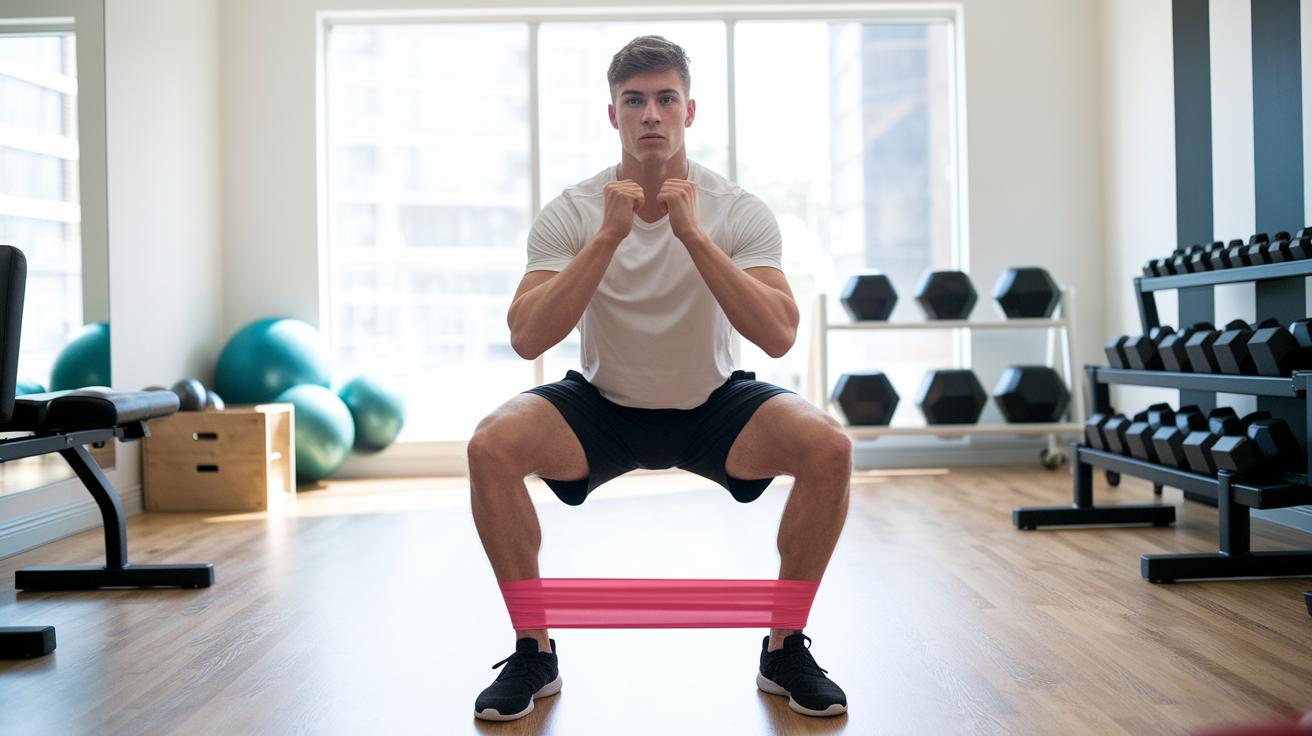
This workout is great for anyone just starting with resistance band exercises. Try to do two 30-minute sessions each week on different days so your muscles can rest. Use a band with a medium amount of stretch so you get a gentle, low-impact workout. Begin with a warm-up like a quick 5-minute walk or some light stretches to get your body moving. Imagine your muscles slowly coming to life with each stretch.
Start with the banded front squat. Do 3 sets of 10 squats. Stand with your feet about as wide as your shoulders. Loop the band under your feet and hold the other end at shoulder level. Lower yourself slowly into the squat and then rise steadily. This move works your legs and strengthens your core.
Next, do the bicep curl. Complete 3 sets of 12 curls. Keep your elbows close to your sides and move at a steady pace. Then, move on to the seated row. Sit down with the band wrapped around your feet and pull back for 3 sets of 10 rows. Focus on squeezing your shoulder blades together as you pull.
For balance and strong glutes, try the kickstand single-leg Romanian deadlift. Do 2 sets of 8 reps on each leg. Finally, work on your outer thighs with abduction exercises. Perform 2 sets of 12 reps on each side for a well-rounded beginner routine.
Essential Equipment and Setup for Beginner Resistance Band Training
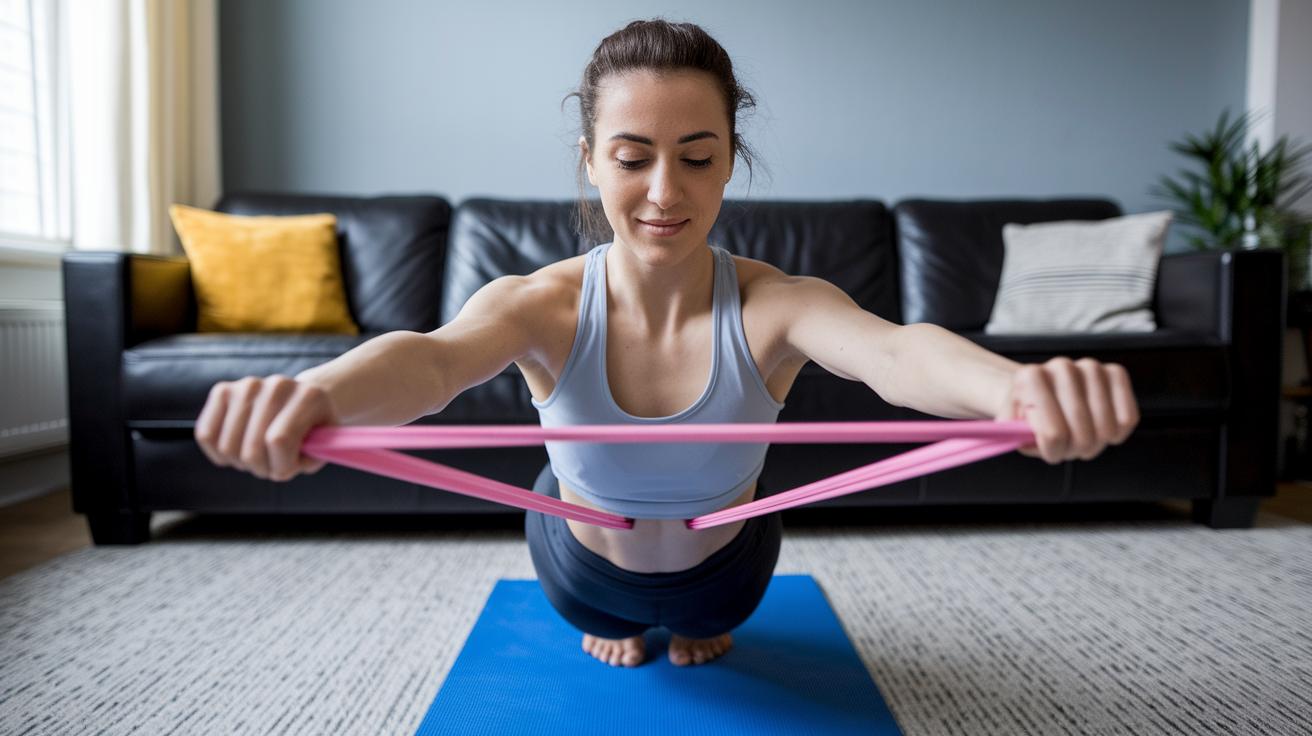
Choosing the right gear can make your band workouts both fun and safe. For starting out, you only need looped bands or ribbon bands with handles. These bands are flexible and perfect for learning resistance training. In other words, they help you build strength gradually by letting you switch between different tension levels.
Set aside a small, clear spot in your home where you can move freely. A non-slip surface or yoga mat works great to keep you steady as you move around.
Before starting your workout, warm up your muscles with some dynamic stretches or enjoy a brisk 30-minute walk. A little light cardio, like a gentle walk, goes a long way in getting your body ready for exercise.
With just a few bands, you can skip a pricey gym membership and still get great resistance training. This simple setup helps you work out effectively at home while keeping injuries at bay.
Mastering Proper Form: Supplemental Tips for Quick-Start Resistance Band Workout
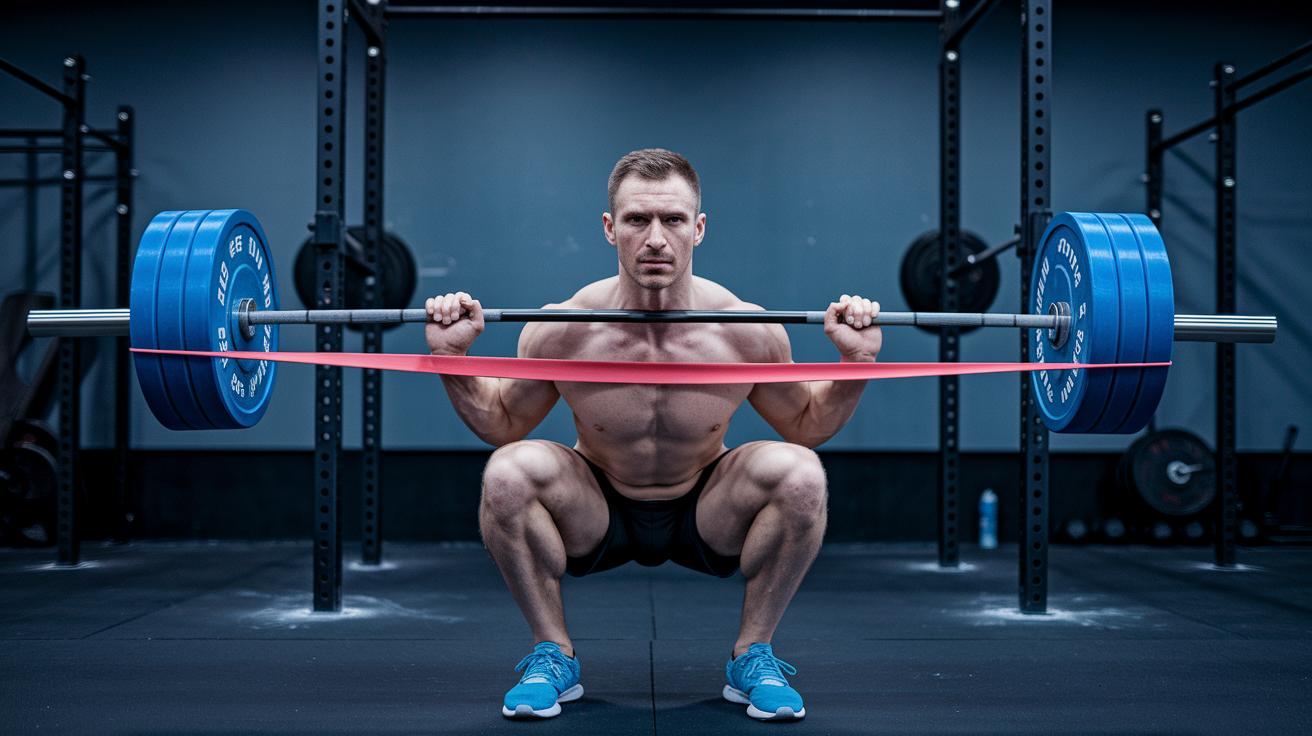
When you're doing moves like the banded front squat, seated row, or the kickstand single-leg Romanian deadlift, make sure you stick to the main workout guide for each exercise. Here are some super helpful tips to keep your form in check:
Try to keep your back straight. Think of balancing a book on your head.
Move slowly and steadily. Imagine you're carefully placing a precious vase.
Tighten your midsection like you're guarding against a sudden breeze.
Keep your shoulders loose and relaxed. Don't let them creep up.
| Tip | Example |
|---|---|
| Neutral Spine | “Keep your back straight, like balancing a book on your head.” |
| Controlled Movements | “Move slowly, just as if you’re setting down a valuable vase.” |
| Core Engagement | “Tighten your midsection, similar to shielding against a light breeze.” |
| Shoulder Alignment | “Relax your shoulders and avoid any hunching.” |
Safety and Progression in Beginner Resistance Band Workouts
When you're just starting out, opt for bands with low tension. Try to keep your workout sessions gentle, giving your body time to get used to the movements. For instance, you might do a 30-minute session two times a week, making sure there are about 48 hours of rest between sessions so your muscles can recover. Think of it like slowly stirring a warm pot of soup, steady, easy, and comfortable.
Here are a few simple tips to keep things safe:
- Warm up with some dynamic stretches or a quick walk to get the blood flowing.
- Move slowly and with control, kind of like carefully unfolding a map.
- Always listen to your body, if something feels off, ease back on the tension or take a short break.
As you feel stronger and more confident, you could try adding a third session when it feels right for you. When you're ready, you might want to switch to a band with a bit more resistance. This gradual increase lets you challenge yourself step by step.
Remember, keeping your workout intensity in line with your current fitness level can help prevent injuries. Start simply, progress gradually, and enjoy watching your strength grow over time.
4-Week Resistance Band Training Plan for Novices
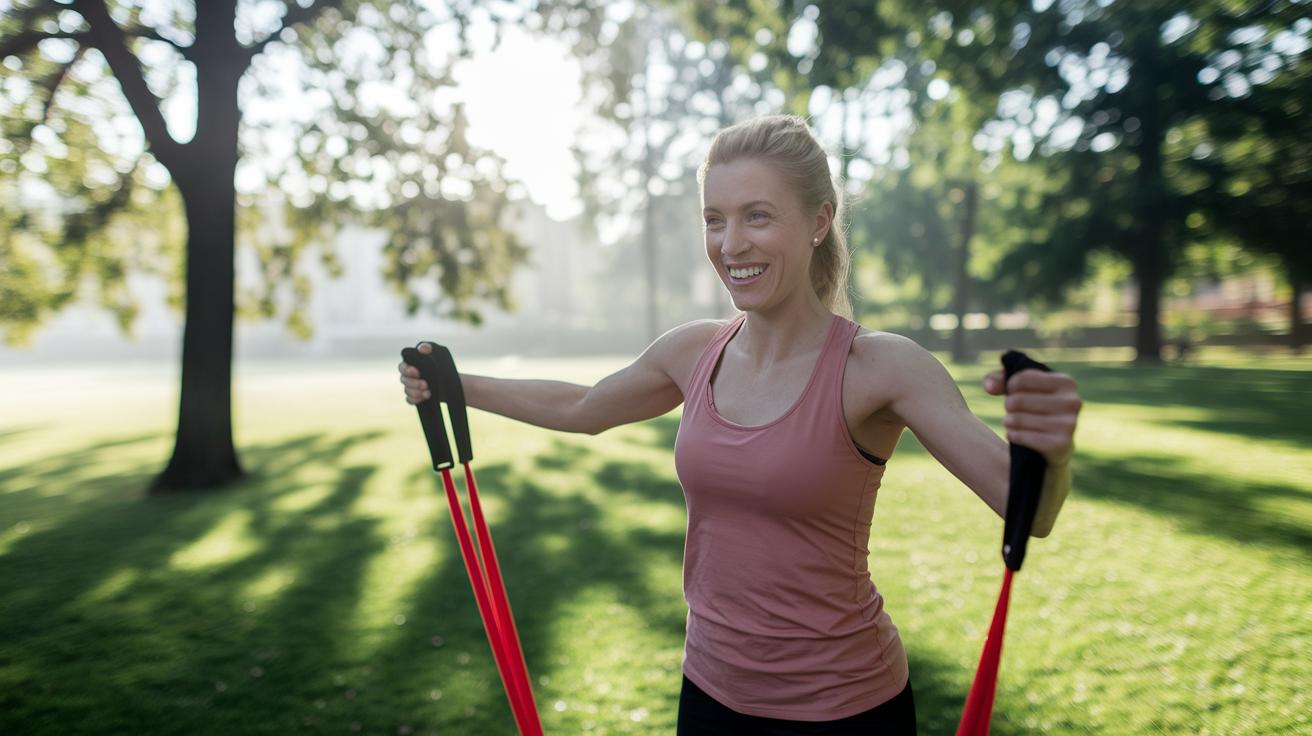
This four-week plan is a friendly guide that mixes easy cardio with light resistance workouts. On Week 1, Day 1, try a relaxed 30-minute walk. It gently wakes up your muscles and sets a nice pace for your workout routine. In Week 2, Day 2, switch things around with a full-body band workout for 30 minutes. You’ll use the band to add a slight challenge while moving through simple exercises that help build strength.
In Week 3, Day 1, go back to a 30-minute walk. This recovery walk keeps you moving and gives your body time to adjust before your next band session. If you feel more confident with the moves, you can add an extra session that week. Then, on Week 4, Day 2, finish with another 30-minute full-body band workout that builds on your earlier workouts and gently boosts your strength. And if you’re feeling good, you might squeeze in another light session.
| Week | Day | Activity |
|---|---|---|
| Week 1 | Day 1 | 30-minute walk |
| Week 2 | Day 2 | 30-minute full-body band workout |
| Week 3 | Day 1 | 30-minute walk (option for extra session) |
| Week 4 | Day 2 | 30-minute full-body band workout (option for extra session) |
Key Benefits of Resistance Band Workouts for Starters
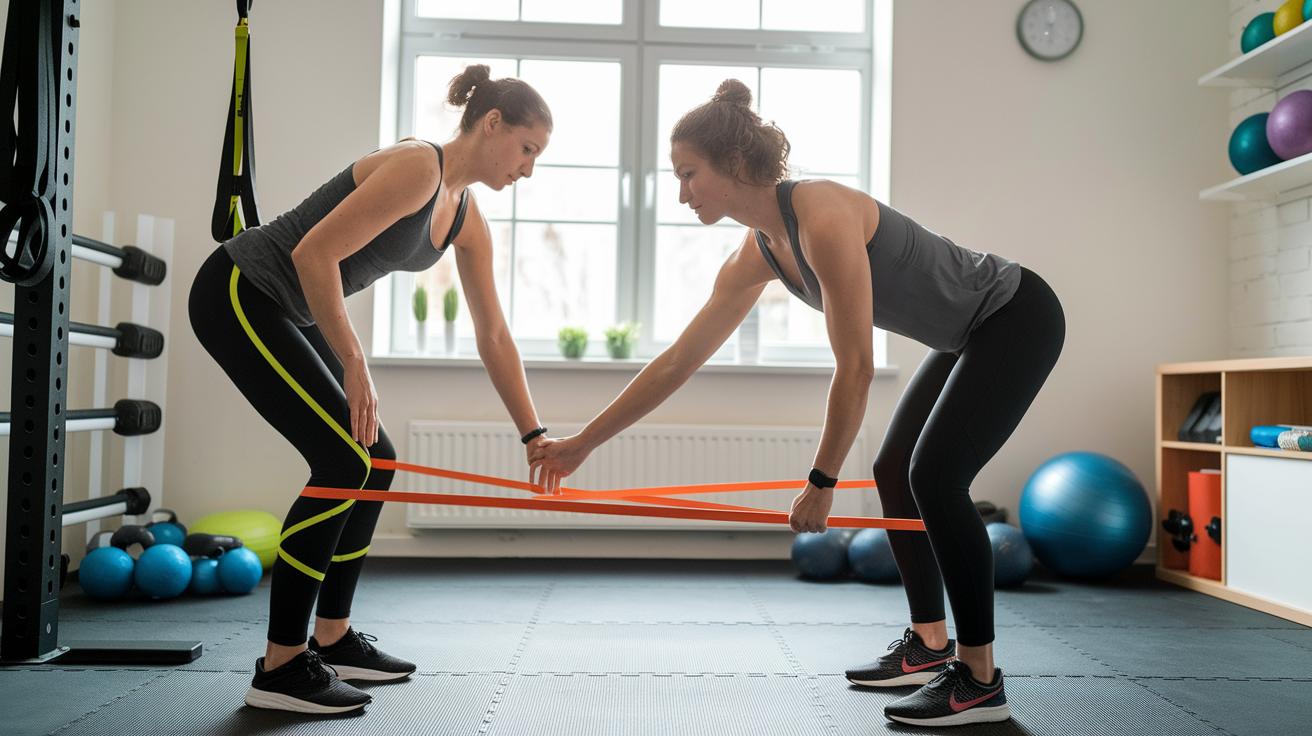
We decided to blend these key insights into our introduction and workout safety sections, making everything easier for you. This way, you can quickly find all the helpful details about using resistance bands safely and effectively. We believe that keeping it simple helps you feel confident and ready to start your workout journey.
Final Words
In the action, the blog outlined a quick full-body workout, simple equipment tips, and steps to master proper form.
It shared safety guidelines, a 4-week training plan, and real benefits that make each session both fun and effective.
These exercise routines with resistance bands for beginners offer a gentle yet powerful way to build strength while protecting your body.
Keep practicing, enjoy every step, and feel the rewarding boost in your overall well-being.
FAQ
Q: What are resistance band exercises for beginners?
A: Resistance band exercises for beginners involve a series of simple moves like front squats, bicep curls, and seated rows. Many free resources offer routines, pictures, PDFs, and videos to help you learn each move.
Q: How can resistance bands improve leg strength?
A: Resistance band exercises for legs target your thighs and calves with controlled movements like banded squats. They offer low-impact support that helps build muscle tone and stability effectively.
Q: Is resistance band training good for beginners?
A: Resistance band training is a safe, low-impact way for beginners to build strength. It allows you to control tension during each move and adjust resistance slowly as your technique improves.
Q: How do beginners properly use resistance bands?
A: Beginners use resistance bands by starting with low-tension bands and emphasizing good posture and proper form. Gradually, you can use bands with greater resistance as you get more comfortable with each exercise.
Q: Can you get in shape using only resistance bands?
A: Resistance bands provide a full-body workout that enhances strength and muscle tone. They help you get in shape by offering versatile, controlled exercises that can be easily done at home.
Q: How long should resistance bands be for beginners?
A: The proper band length depends on your body and exercise type, but beginners should choose bands that stretch enough to allow full range of motion while giving effective resistance during workouts.