Have you ever noticed that simply changing the way you breathe can boost your energy? Pranayama is a technique that teaches you to control your breath and increase oxygen flow in your body, helping to calm your mind and lift your energy levels.
This simple practice can melt away stress and clear your thoughts, making daily tasks feel easier. In this article, we chat about how mindful breathing balances your body and mind, setting you up for a bright, refreshed day ahead.
pranayama benefits: Energize Body and Mind
Pranayama is a breathing practice from Sanskrit. Prana means life force and ayama means control. By controlling how long you breathe in and out, you give your body a fresh dose of oxygen and help soothe your mind. It works well with yoga and meditation by boosting oxygen flow and helping your body get rid of impurities. Over time, this mindful breathing can make you feel both energetic and balanced.
Learning these techniques is a natural way to ease daily stress. It helps your body and mind work together so you can handle challenges with a calm and refreshed spirit.
- It can help lower stress by calming your nervous system.
- Better sleep: A simple 5-minute Bhramari practice can slow your heart rate.
- More mindfulness: Extra oxygen can keep your brain clear.
- Lower blood pressure: A 2014 study showed benefits for mild hypertension.
- Better lung function: This practice may assist with asthma or help in recovery from lung issues.
- Less need for cigarettes: A 2012 study found that just 10 minutes can lessen cravings.
All these benefits create a gentle balance between your body and mind. When you learn to control your breath, you invite clear thoughts, sound sleep, and stronger lungs. This balanced state builds up the strength you need to face everyday stress, making pranayama a simple and accessible way to feel energized and centered.
Physical Health Advantages of Breath Control
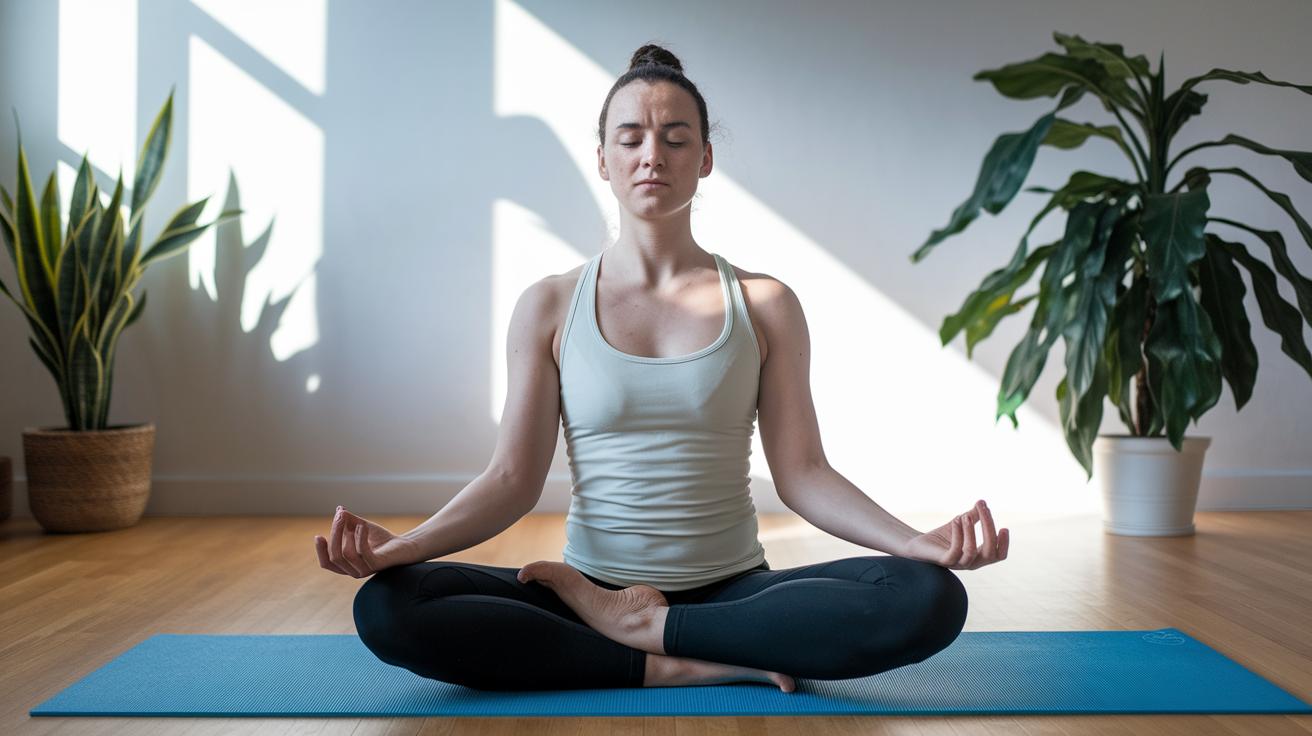
Controlled breathing can really help your body. It can slow down your heart, make your lungs stronger, and even boost your immune system. One study even showed that just a few minutes of deep breathing each day helped someone lower their blood pressure in a few short weeks.
Cardiovascular Wellness
Taking slow, mindful breaths every day can help keep your blood pressure in check and your heartbeat steady. In a 2014 study, people with mildly high blood pressure saw clear improvements after they made breathing exercises a part of their daily routine. They experienced a more balanced heart rate and smoother blood flow.
Enhanced Lung Function
Deep, focused breaths help your lungs get a better workout. This is especially good news for anyone recovering from lung issues like asthma or tuberculosis. After just a few weeks of mindful breathing, one individual noticed that their airways felt clearer and they experienced less shortness of breath during everyday tasks.
Immune Support
When you breathe deeply, more oxygen flows into your blood. This extra oxygen helps your immune cells work better and keeps your breathing passages clear. Many have found that regular deep breathing also enhances overall respiratory health, giving them a better chance to fend off common infections.
By practicing controlled breathing regularly, you support your heart, strengthen your lungs, and boost your immune system, paving the way for better overall health.
Mental and Emotional Wellbeing Through Pranayama Breathing
When you take slow, deep breaths, you can clear your mind and lift your spirits. Recent studies show that these careful breaths bring more oxygen to your brain, which sharpens your focus. Many people say, "With every deep breath, it felt like the fog in my mind was clearing."
A steady breathing pattern also helps calm anxious thoughts by balancing stress hormones like cortisol. Research tells us that regular deep breathing keeps oxygen and carbon dioxide levels just right, boosting your concentration. I once experienced a gentle easing of tension after a short session, and my mind felt noticeably brighter.
Making deep, mindful breathing a habit can lead to lasting calm and emotional balance. With regular practice, you may find it easier to handle daily stress and mood swings. Many who practice say, "These mindful breaths became my little moment of peace, helping me face each day with more ease."
Scientific Evidence Supporting Pranayama Benefits
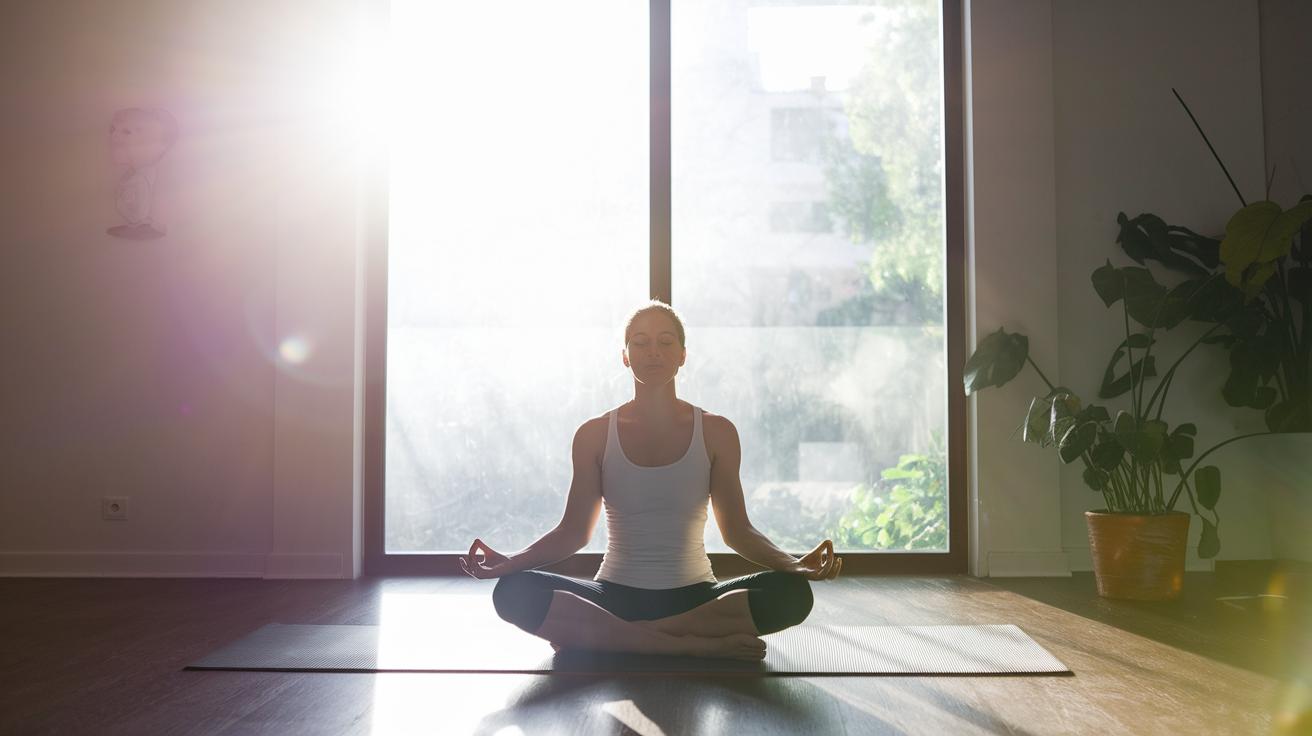
Modern research backs the age-old practice of pranayama, showing that even short breathwork sessions can lower your heart rate and help your body get more oxygen. Imagine that, a five-minute Bhramari breathing session can make your breathing slower and your heart settle down.
Two studies really shed light on how pranayama works. In one study from 2014, people with mild high blood pressure saw even better results when they practiced pranayama alongside their medication. Another study in 2012 found that just ten minutes of specific yogic breathing helped reduce cigarette cravings noticeably. It seems that different breathing techniques can change stress hormones and brain activity in their own unique ways.
All this evidence means that practicing pranayama regularly might be a great, drug-free way to boost your lung health, ease stress, and feel more energetic overall. It stands out as a natural complement to typical treatments and everyday wellness routines.
Integrating Pranayama into Your Daily Routine for Optimal Wellness
Start by carving out a quiet spot in your home where you feel relaxed. Choose a place where you can sit with your back straight, gently closed eyes, and no distractions nearby. Set a timer for five minutes in the morning and another five minutes in the evening. This little routine creates a peaceful corner in your day, letting each breath pull you back to the moment.
Each week, try a new breathing technique to build a steady practice. Sit up straight, relax your shoulders, and take deep, slow breaths in and out at a calm pace. Keep going until your timer rings. You might even use a small alarm to help remind you. After each session, jot down a few thoughts to see any gentle changes in how you feel. Over time, this simple habit can become a powerful part of your day.
Tracking your progress is really important. Use a small notebook or an app to note any boosts in your energy, mood, or focus. Try adding a few moments of quiet mindfulness after your breathing session to deepen the calm. As you get more comfortable with your practice, you may notice improvements in your everyday life. For more ideas on how to make these habits stick, check out the Holistic Guide to Wellness. This mix of tracking, small tweaks, and mindful moments makes pranayama a lasting part of your journey to better well-being.
Final Words
In the action, we explored how controlled breathing helps regulate your body’s energy, strengthens physical health, and boosts mental balance. We broke down key advantages like improved heart function, clear lungs, and relaxed nerves. We also looked at real studies backing these techniques and shared simple steps to work these practices into daily life.
This blend of science and mindful practice highlights pranayama benefits that can powerfully support overall wellness. Embrace these small changes for a positive impact on everyday living.
FAQ
How do I do pranayama?
The practice of pranayama is done by sitting in a comfortable, straight-backed position and focusing on deep, timed breaths. It involves slowly adjusting your breath pattern to help control your body’s energy.
What is pranayama and what are its benefits?
The technique of pranayama involves controlling your breath to help relax the body and mind. It supports stress reduction, better lung function, and a smoother flow of oxygen, all of which boost overall well-being.
What are the 7 types of pranayama?
The seven types of pranayama include various techniques like Kapalbhati and Bhastrika. Each method adjusts your breathing pattern to energize the body, lessen stress, and promote improved respiratory health.
What are the powers of pranayama?
The powers of pranayama lie in its ability to control breath and boost oxygen flow, making it a helpful tool to lower stress, enhance mental clarity, and improve physical energy levels.
How does pranayama benefit the skin?
The skin benefits from pranayama as the increased oxygen flow and stress reduction help clear and refresh your complexion, contributing to a naturally healthier look.
What are the benefits of Kapalbhati pranayama?
The benefits of Kapalbhati pranayama include a cleansing effect on the respiratory system by forceful exhalation, which energizes the body and promotes a focused, refreshed mindset.
What are the benefits of Bhastrika pranayama?
The benefits of Bhastrika pranayama include improved lung capacity and a stimulating effect that increases oxygen exchange, helping to clear tension and boost physical vitality.
What are the 5 benefits of pranayama?
The five benefits of pranayama include reducing stress levels, improving sleep quality, enhancing mindfulness, lowering blood pressure, and boosting lung function—all supporting a healthier lifestyle.
What happens if I practice pranayama daily?
Daily pranayama practice can lead to cumulative stress relief, improved breathing efficiency, and enhanced mental clarity by sustaining a balanced oxygen flow, which benefits overall physical and emotional health.