Ever feel like anxiety has you in its grip? Sometimes, a few slow, deep breaths are all it takes to help you relax. When you breathe slowly, your body sends a signal to calm your heart and ease those stiff muscles. Each gentle breath gives your body a little break, a reminder that it's okay to slow down. In this article, we'll chat about how deep breathing can help ease stress and lead you toward a calmer, more balanced life.
How deep breathing for anxiety works to calm stress
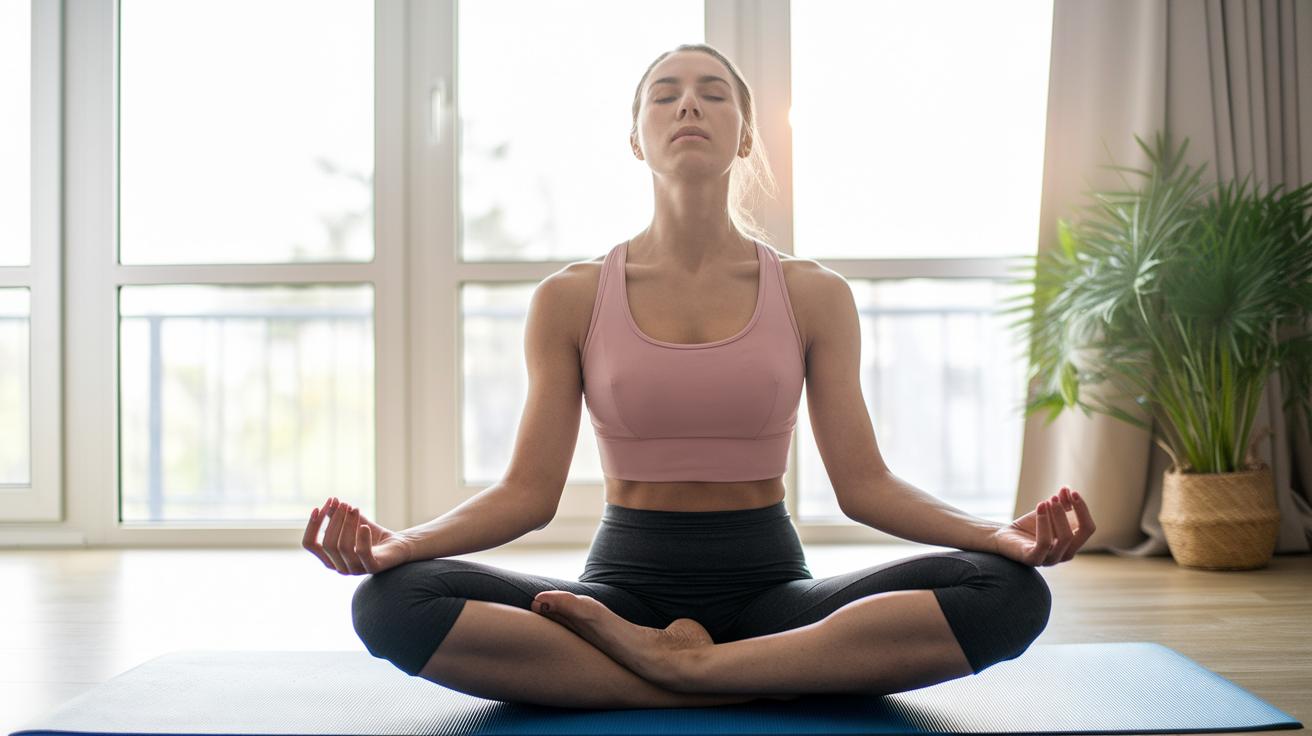
Deep breathing touches your body in a very gentle way by working directly with your nervous system. When you take slow, deep breaths, your lungs send signals to your brain that help shift you from a stressed-out feeling into a calmer state. It's like giving yourself a little reminder to pause and relax, kind of like cooling off on a hot, sunny day.
This calming effect happens because deep breaths nudge your vagus nerve, a little pathway that runs from your brain down to your belly. With each deep breath, your body gets a gentle message that slows your heart and relaxes your muscles. Every controlled exhale feels like sending a soothing note to your whole body, helping you feel safer even when stress feels overwhelming.
Research in Frontiers in Psychology shows that diaphragmatic, or belly, breathing can lower the body's negative reactions to stress. Considering we take around 23,000 breaths a day, using a slow, mindful breathing method really makes a difference. It even helps lower blood pressure and keeps your heart rate steady, making each breath a small step towards feeling better.
Diaphragmatic breathing: a core deep breathing for anxiety technique
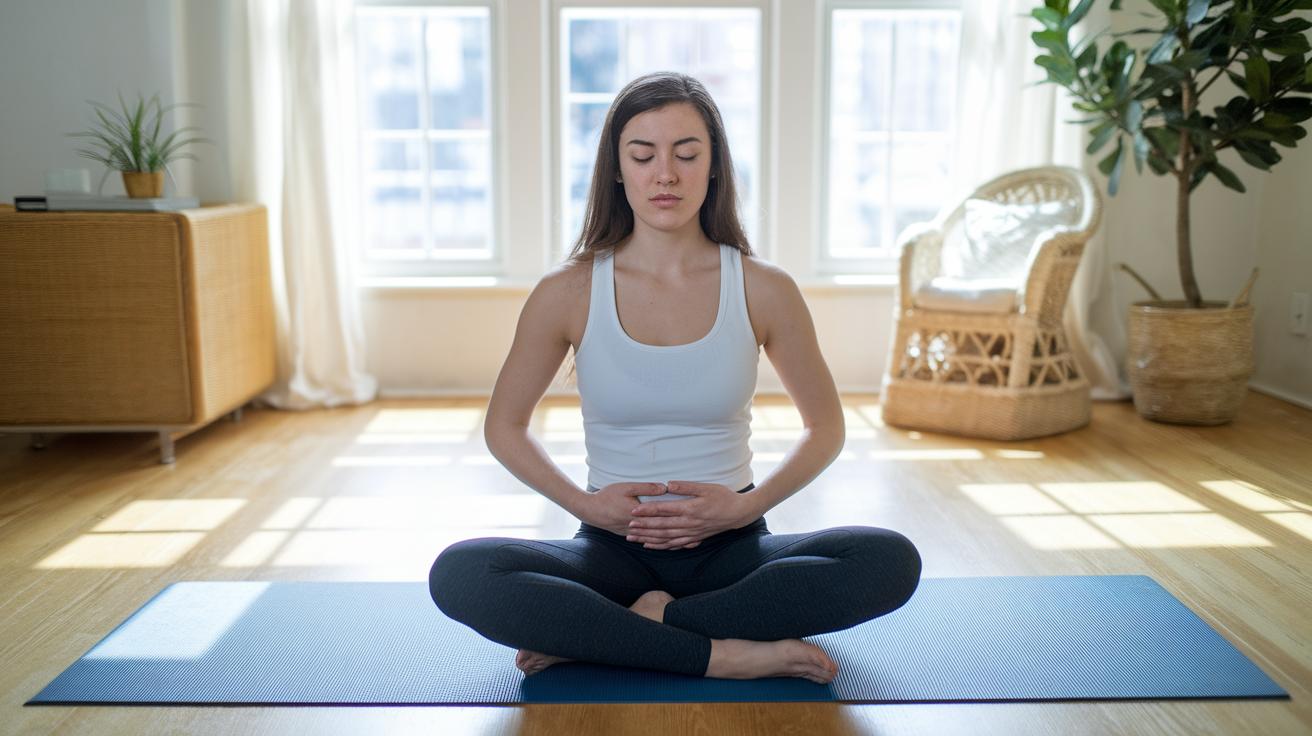
Sometimes stress makes you feel like you're stuck in fight or flight. Belly breathing helps shift that feeling to calm. When you focus on the gentle rise and fall of your abdomen, you send your body a clear message: it's time to relax.
Try this little belly-breath routine the next time anxiety creeps in:
- Find a comfy spot, either sitting or standing with a straight back so your lungs have room.
- Place one hand on your chest and the other on your belly. This way, you can actually feel the movement.
- Slowly breathe in through your nose for a count of four. Feel your belly lift like a soft balloon.
- Then, gently breathe out through your mouth for a count of six, noticing your belly fall back down.
- Do this three times, keeping your breaths smooth and controlled.
Regular practice of this exercise can help keep you calm and centered, even when life's pressures mount. Isn't it nice to know a few deep breaths can make a big difference?
Box breathing and structured inhale-exhale cycles for anxiety relief
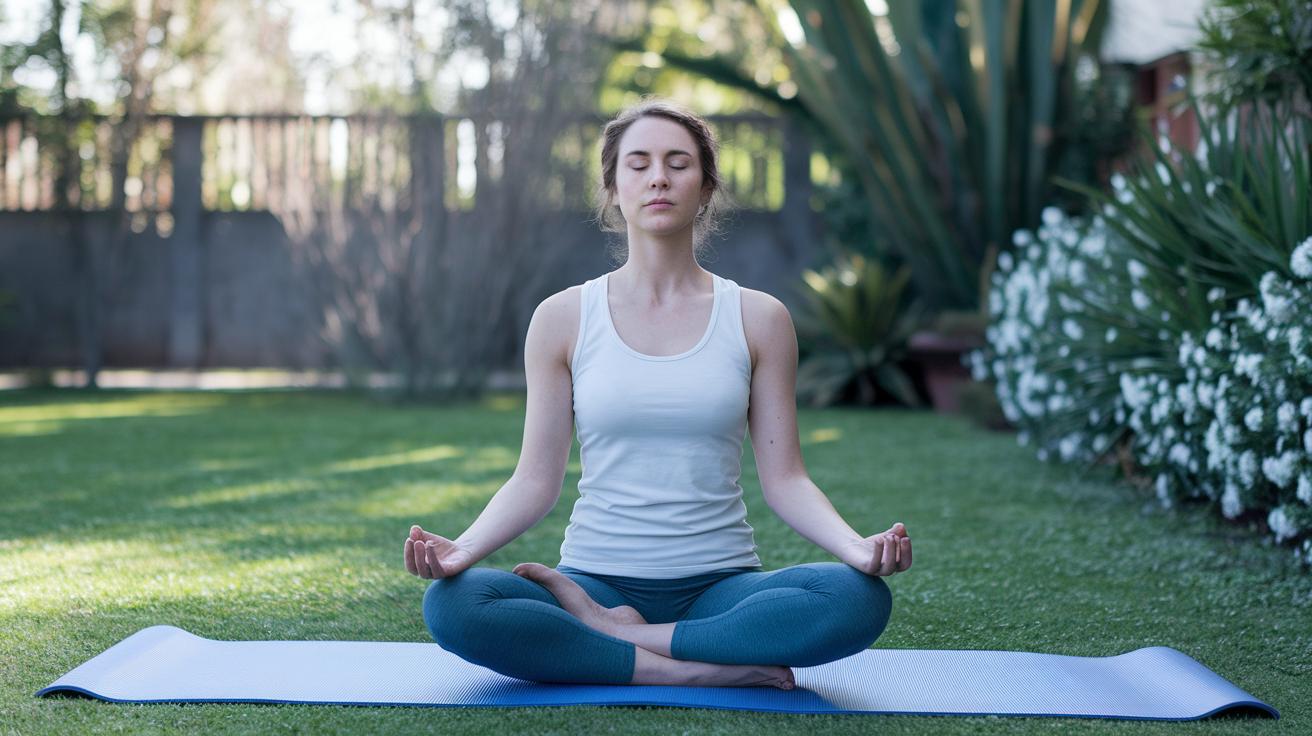
Sometimes, a simple counting of your breaths can help calm a busy mind and slow down quick thoughts. When you carefully count each inhale and exhale, your body begins to relax, letting go of stress. This practice can feel like a little reset for your body and mind.
Here are some easy techniques to try:
- Box breathing: Breathe in for 4 seconds, hold for 4 seconds, breathe out for 4 seconds, and hold for 4 seconds.
- 4-7-8 technique: Breathe in for 4 seconds, hold for 7 seconds, then breathe out for 8 seconds to deepen your calm.
- 4-2-6 cycle: Breathe in for 4 seconds, pause for 2 seconds, and breathe out for 6 seconds to slow your breathing.
- Extended exhale method: Breathe in for 4 seconds and breathe out for 6 seconds. This helps calm your body and can even help your heart feel steadier.
When you feel stressed or a panic moment comes on, these breathing tricks can help you regain control. You might pick box breathing for a quick fix or the 4-7-8 method when you have just a bit more time. Even a few minutes a day of practicing these cycles can help guide your breath to a steadier, calmer place.
Resonant breathing and mindful breathwork meditation for deep breathing anxiety relief
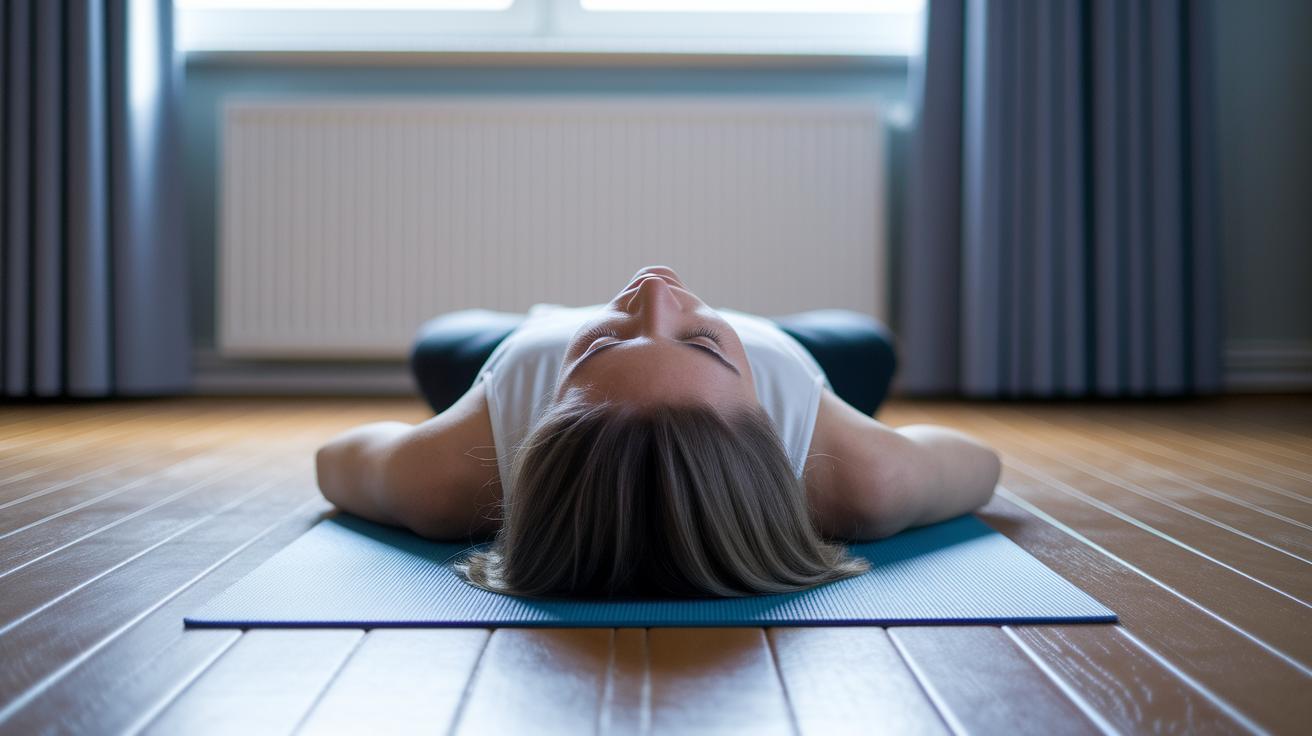
Resonant breathing and mindful breathwork meditation are simple ways to ease anxiety by harnessing the power of slow, deliberate breaths. You take about five deep breaths each minute, each cycle lasting around 12 seconds. It works best in quiet, peaceful moments when you lie down with your eyes closed. This practice helps stabilize your heartbeat and create a calm space, especially as you softly repeat a soothing phrase with every breath.
-
Steps for setting up resonant breathing:
- Lie down comfortably in a quiet spot.
- Close your eyes and focus on taking five deep, slow breaths every minute.
- Feel each breath fill your lungs and gently let it out.
-
Tips for mindful breathwork meditation:
- Choose a simple affirmation like "I am calm" to repeat as you breathe.
- Let your mind settle with the rhythm of your breath without judging any thoughts.
- If distractions arise, simply notice them and gently guide your attention back to your breathing.
Try spending 5 to 10 minutes in this practice. This short time allows your mind to quiet down and lets your body enjoy the soothing benefits of mindful breathwork.
Advanced pranayama and alternate nostril deep breathing for anxiety management
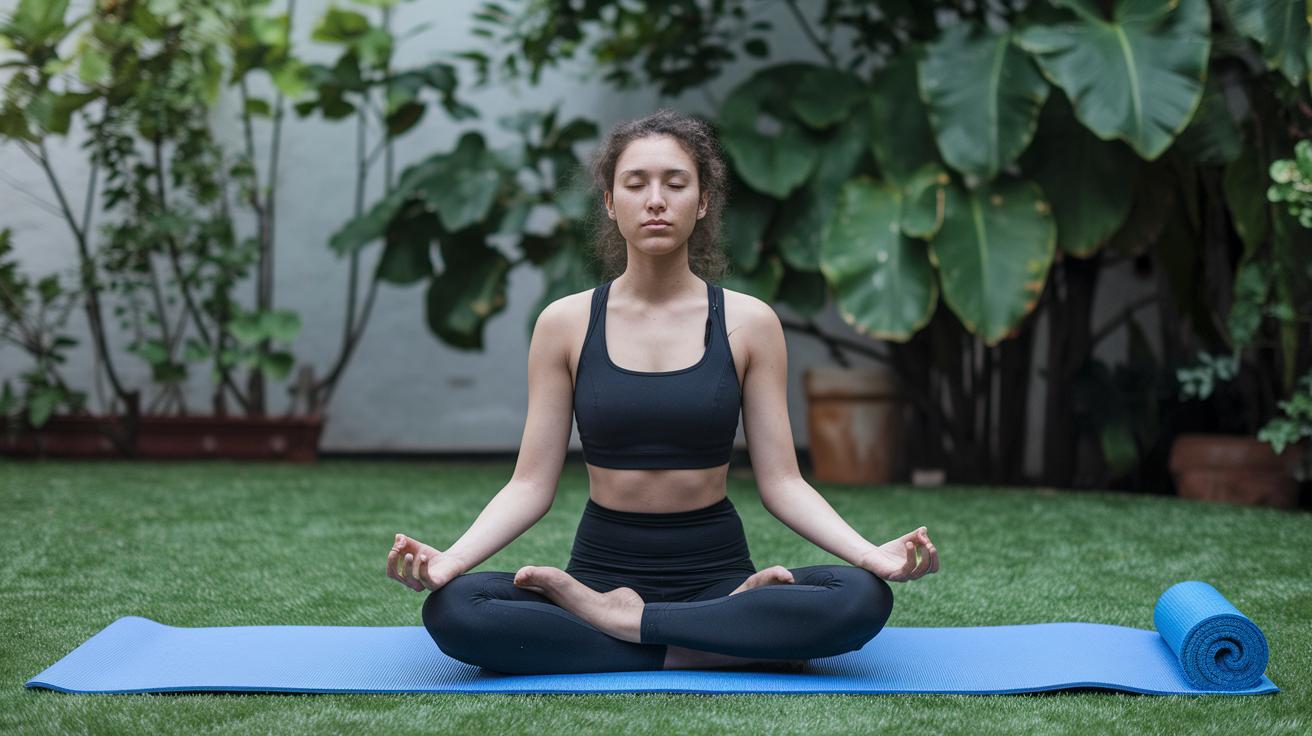
Breathing exercises like these can really help when you’re feeling on edge. They work by gently calming your nervous system and putting you in a relaxed state. Slowly training your breathing can ease stress and bring a sense of balance, almost like giving your mind a little break.
Alternate Nostril Breathing: 4-step method
- Close your right nostril with your thumb and slowly breathe in through your left nostril for 4 seconds.
- Now, switch by closing your left nostril and open your right to breathe out for 4 seconds.
- Breathe in through your right nostril for 4 seconds.
- Finally, close your right nostril and breathe out through your left for 4 seconds.
Do this cycle 5 times to help settle your mind and find some calm in the chaos.
Lion’s Breath: 4-step method
- Sit in a comfy position and take a deep breath in through your nose.
- Open your mouth wide and let your tongue peek out a bit.
- Exhale forcefully through your mouth to let go of any tension.
- Pause for a moment, then breathe normally again.
Repeat these steps a few times to release stress and give your face a little refresh.
Benefits and evidence behind deep breathing for anxiety control
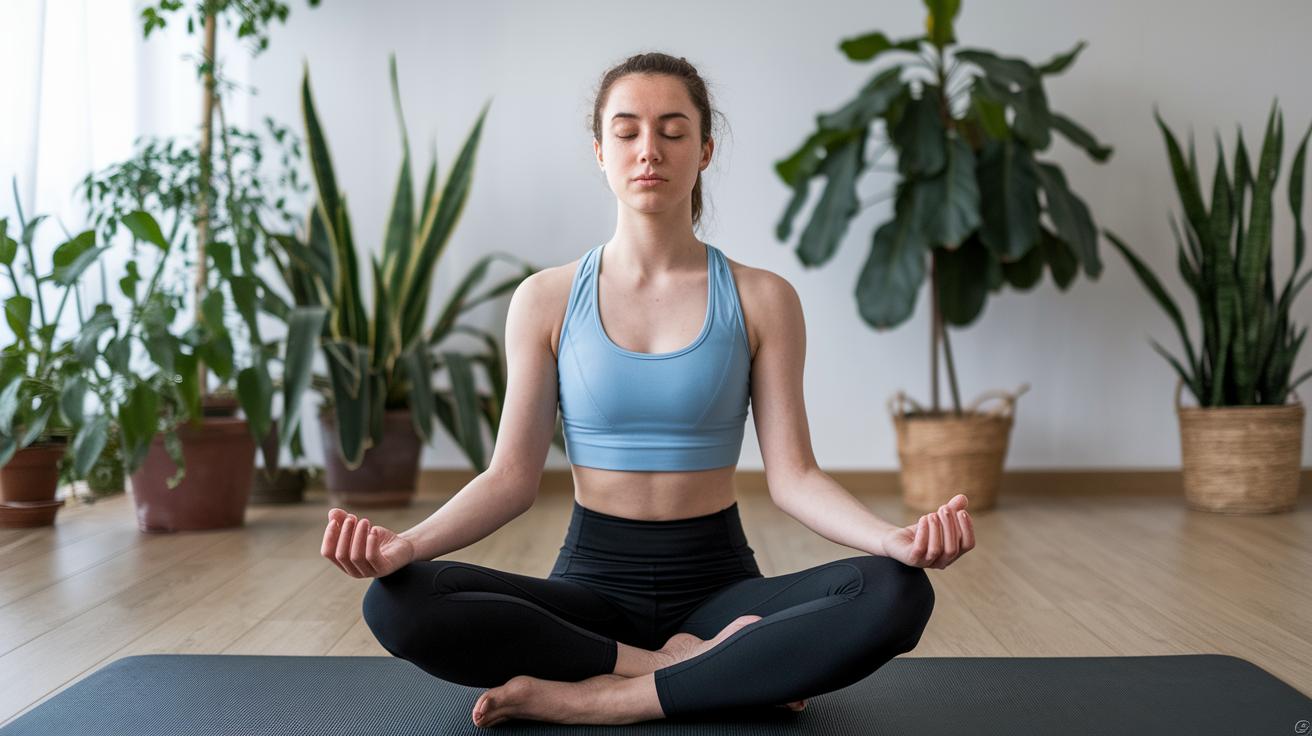
This summary brings together the main points about how deep breathing can help your body feel calmer by making clear changes inside. When you breathe slowly and deeply, it eases your heart rate, lowers your blood pressure, and helps your heart work in a balanced way by gently waking up the vagus nerve (a nerve that helps control your body’s automatic functions). These actions have been found to reduce stress and lower cortisol levels, making deep breathing a handy tool for easing anxiety.
| Benefit | Evidence |
|---|---|
| Heart Rate Reduction | Studies show that slow, mindful breathing helps lower the heart rate. |
| Blood Pressure Reduction | Research indicates that controlled breathing can lead to lower blood pressure. |
| HRV Improvement | Deep breathing boosts the activity of the part of the nervous system that helps the heart work smoothly. |
| Vagal Stimulation | Breathing exercises support the vagus nerve, which helps with mood regulation and building stress resilience. |
Making deep breathing a regular habit can blend these benefits into your everyday routine, helping you feel more peaceful and balanced.
Final Words
In the action, we explored how proper breathing techniques can ease anxiety by calming the nervous system and reducing stress. We broke down methods like diaphragmatic, box, and resonant practices, along with advanced exercises such as alternate nostril and lion’s breath. Our quick review looked at research-backed benefits like lower heart rate and improved mood regulation. Keep incorporating deep breathing for anxiety into your routine, it really can brighten your day and support a healthier, more balanced life.
FAQ
Frequently Asked Questions
What does deep breathing for anxiety YouTube or video content show?
Deep breathing for anxiety YouTube and video resources show guided exercises that explain how to breathe slowly and deeply, helping ease stress and promote calmness.
Does deep breathing make anxiety worse?
Deep breathing usually calms the body by reducing heart rate and tension. Sometimes, using an improper technique may feel uncomfortable, but proper practice tends to ease anxiety.
What is the 4-7-8 breathing technique for anxiety?
The 4-7-8 breathing technique for anxiety involves inhaling for 4 seconds, holding for 7 seconds, and exhaling for 8 seconds, which helps soothe the nervous system and reduce stress.
What are breathing exercises for an anxiety attack?
Breathing exercises for an anxiety attack focus on slowing your breathing, reducing heart rate, and grounding your focus, which can ease the intensity of a panic moment.
How do deep breathing exercises for anxiety help?
Deep breathing exercises for anxiety assist in lowering stress by activating the body’s relaxation response. They help ease tension and create a calm, balanced feeling.
What are CBT breathing techniques for anxiety?
CBT breathing techniques for anxiety combine specific breathing exercises with strategies to challenge anxious thoughts. This approach supports creating a more balanced mood during stress.
What does a breathing exercises for anxiety PDF provide?
A breathing exercises for anxiety PDF offers clear, step-by-step instructions and illustrations for various deep breathing techniques, making it easy to learn and practice at home.
Can deep breathing get rid of anxiety?
Deep breathing can lower anxiety symptoms by calming your body and clearing your mind. Regular practice can help improve overall stress management over time.
What is the 5-5-5 method for anxiety?
The 5-5-5 method for anxiety includes inhaling for 5 seconds, holding for 5 seconds, and exhaling for 5 seconds, which supports a steady breathing pattern and helps reduce stress.
How long should you deep breathe for anxiety?
Deep breathing for anxiety is most effective when practiced for several minutes at a time. Regular sessions of about 5 to 10 minutes daily can help sustain a sense of calm.