Do you ever feel overwhelmed and wish stress would vanish in a flash? When the weight of the world gets heavy, even a short break can help you feel calm again.
Here are a few simple ideas to clear your mind quickly. Try spending five minutes doing deep breathing, moving mindfully, or writing a few thoughts down. Imagine turning your busy day into a few peaceful moments.
These easy techniques help you step away from tension and boost your mood and focus just when you need it most.
Instant Stress Relief Techniques: Quick Actions for Immediate Calm
When stress hits fast, simple fixes can bring you back to a state of calm in just minutes. These little techniques help clear your mind and replace worry with ease, even if you’re in the middle of work or about to start a meeting. Imagine taking a moment, just five minutes, to shift away from your busy day. A short guided meditation might be just the distraction you need to feel peaceful again.
- Take five minutes for a guided meditation to hit the pause button.
- Breathe deeply: inhale for 5 seconds, hold for 2 seconds, and then exhale for 5 seconds.
- Try belly breathing to help lower your stress hormones and feel calmer.
- Go for a mindful two-minute walk, stepping away from the stress.
- Write down one thought in a journal to let your mind clear.
- Enjoy a quick burst of laughter or a splash of aromatherapy for a mood lift.
Mix these little stress busters into your day whenever you feel tension building. They can break up negative thoughts and help shift your body from a fight-or-flight mode into relaxation. Sometimes, just a brief, mindful pause is all it takes to keep stress from taking over, helping you focus on the things that matter most.
Active Stress Relief Through Exercise: Movement Approaches
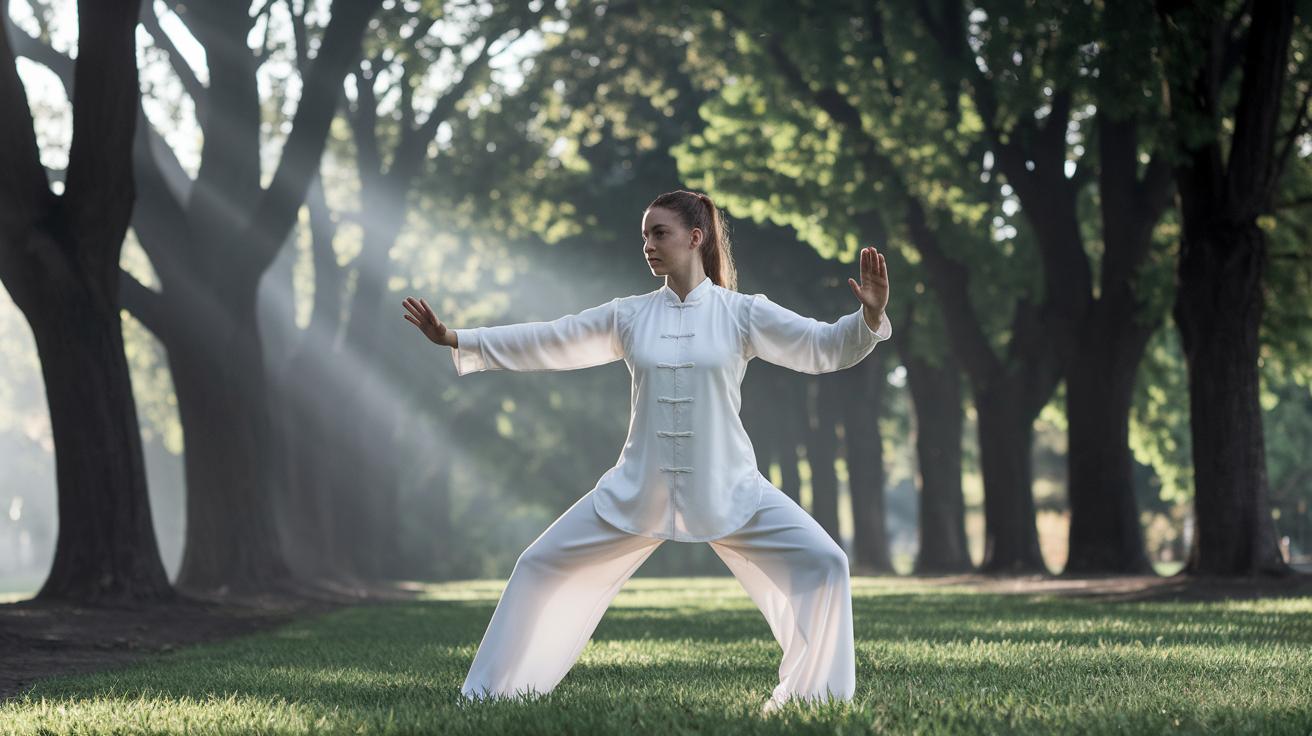
Exercise is a natural way to melt stress away and clear your mind. A quick jog around the block, an easy bike ride, or gentle tai chi can kickstart our body's release of happy chemicals called endorphins. These feel-good helpers lift our mood while ushering in calm. It’s a simple, effective way to boost both your physical and emotional health.
One study with 185 university students found that doing aerobic exercise just two days a week made a big difference in cutting down stress. Other research shows that regular yoga not only lowers cortisol (the stress hormone) but also clears your mind. And when you focus on yoga, you're working on both stretching your body and quieting your thoughts. Together, these activities mix movement with mindful calm to help you handle daily stresses.
Why not mix it up during your week? Think of a brisk 20-minute run or walk to clear your mind. Try a bike ride or join a tai chi class to gently build balance and ease. Adding even a bit of yoga can help steady your mood. Aim for at least two days of movement each week, and you might just find it makes a world of difference.
Mindful Stress Relief Practices: Meditation and Mental Focus
MBCT helps break the cycle of negative thoughts and ease ongoing tension. When you mix guided meditation with simple ways to shift your perspective, it gently pulls your focus away from stress. Have you ever tried saying, "I observe my thoughts without judgment"? It can really help pause those stressful loops and clear out fatigue, even if you only do it for a few minutes.
Taking time for yourself means accepting your feelings without being too hard on yourself. This small act of self-compassion turns heavy emotions into signals that you can work with. Let yourself just feel what you feel, and soon you'll notice the mental clutter start to clear, making room for a kinder inner voice.
Another great way to find relief is by sitting quietly in silence. Try setting aside 10 to 15 minutes to simply focus on your breathing. As you settle in, gently shift stressful thoughts into neutral observations. Imagine being in a calm room where each exhale lets go of tension. This quiet practice not only slows your heartbeat and sharpens your focus but also boosts clarity and confidence when times get tough.
Lifestyle Adjustments for Stress Relief: Daily Habits for Calm

Eating a balanced meal can really lift your mood and ease stress. A diet full of vitamins like A, B, C, and E helps your body handle stress naturally. When you swap out processed foods with whole, natural options, you might notice a calming effect. Think of it as caring for your body with nutritious food, and if your doctor suggests, a supplement can help fill in any nutrition gaps.
Cutting back on caffeine later in the day and taking a digital break before bed can really improve your sleep. Reducing screen time helps your mind relax so you can enjoy a peaceful night. Imagine the soft glow of a dim lamp replacing the harsh light of gadgets, gently inviting you to unwind. These small changes in your bedtime routine can lower stress and help you wake up feeling more refreshed.
Setting clear boundaries and planning your day with simple time management can clear away the mental clutter. When you say no to extra tasks and allow for short breaks, you give yourself a chance to breathe. A well-planned routine can help keep procrastination at bay and make daily responsibilities feel more manageable. With these everyday habits, you’re creating a little space for calm in every part of your day.
Creative and Social Approaches for Stress Relief: Connection and Nature
Reflective journaling is a great way to clear away the clutter of stressful thoughts. Just a few minutes of writing down what you're feeling can help bring a fresh perspective and ease your worries. For instance, try asking yourself, "What small win did I experience today?" This simple prompt not only helps you track what sets your nerves on edge, but it also gives you a creative space to let your emotions flow. Sometimes all it takes is a quiet moment with a pen and paper to feel a bit more balanced.
Social connection is another powerful tool when you're feeling overwhelmed. Whether you're diving into a creative art class or laughing with a good friend over coffee, these interactions can really lighten your burdens. There’s something about a genuine laugh or a friendly chat that makes emotional support feel more real. And honestly, sharing those light moments can help build a community of support that makes stress easier to handle.
Spending time outdoors offers its own special calming benefits. Even a short walk in the park or a few minutes among trees can lift your mood and soothe your mind and body. Plus, if you’re spending time with a pet, it might trigger those calming feelings even more. These moments in nature remind us of life's simple pleasures and help us reconnect with ourselves.
Final Words
In the action, the blog laid out quick techniques for immediate calm, from deep breathing workouts to guided imagery exercises designed to shift your focus instantly. It highlighted practical tools that merge effective exercise routines, balanced nutrition, and mindful practices.
Combining these strategies helps reduce stress right away. Using these methods for stress relief regularly can boost your overall well-being and keep you centered. Embrace these tips and enjoy the steady positive changes in your day.
FAQ
How to relieve stress quickly?
The quick means to relieve stress include deep breathing, guided imagery, or a brisk mindful walk. These methods help shift your body from a stressed state to a more relaxed one almost immediately.
How to relieve stress for a woman and enjoy fun stress relief activities?
The approach for relieving stress often blends calming activities with fun. Techniques like a laughter break, creative hobbies, or a brief mindfulness moment suit adults seeking both ease and enjoyment.
What are 5 ways to relieve stress effectively?
Five simple ways to relieve stress are practicing deep breathing, taking a mindful walk, using guided imagery, engaging in a creative activity, and jotting down one expressive thought. These accessible tips work anytime.
What are the main methods to cope with stress and anxiety?
Coping with stress and anxiety can involve a combination of mindful breathing, physical activity, creative outlets, journaling, and setting personal boundaries. These practices empower you to manage stress effectively.